Translated with AI from the Russian original.
Toyota and Waymo have unveiled a new phase of collaboration to create autonomous robotaxis. The Toyota bZ4X electric crossover, sold in North America under the name bZ, will serve as their foundation. The first vehicles will begin undergoing testing and validation in Japan in 2027. Moving forward, the companies plan to introduce them to the markets of the UK and other countries where Waymo operates. These are Level 4 autonomous vehicles: under specified conditions, they will be capable of completing trips without driver intervention.
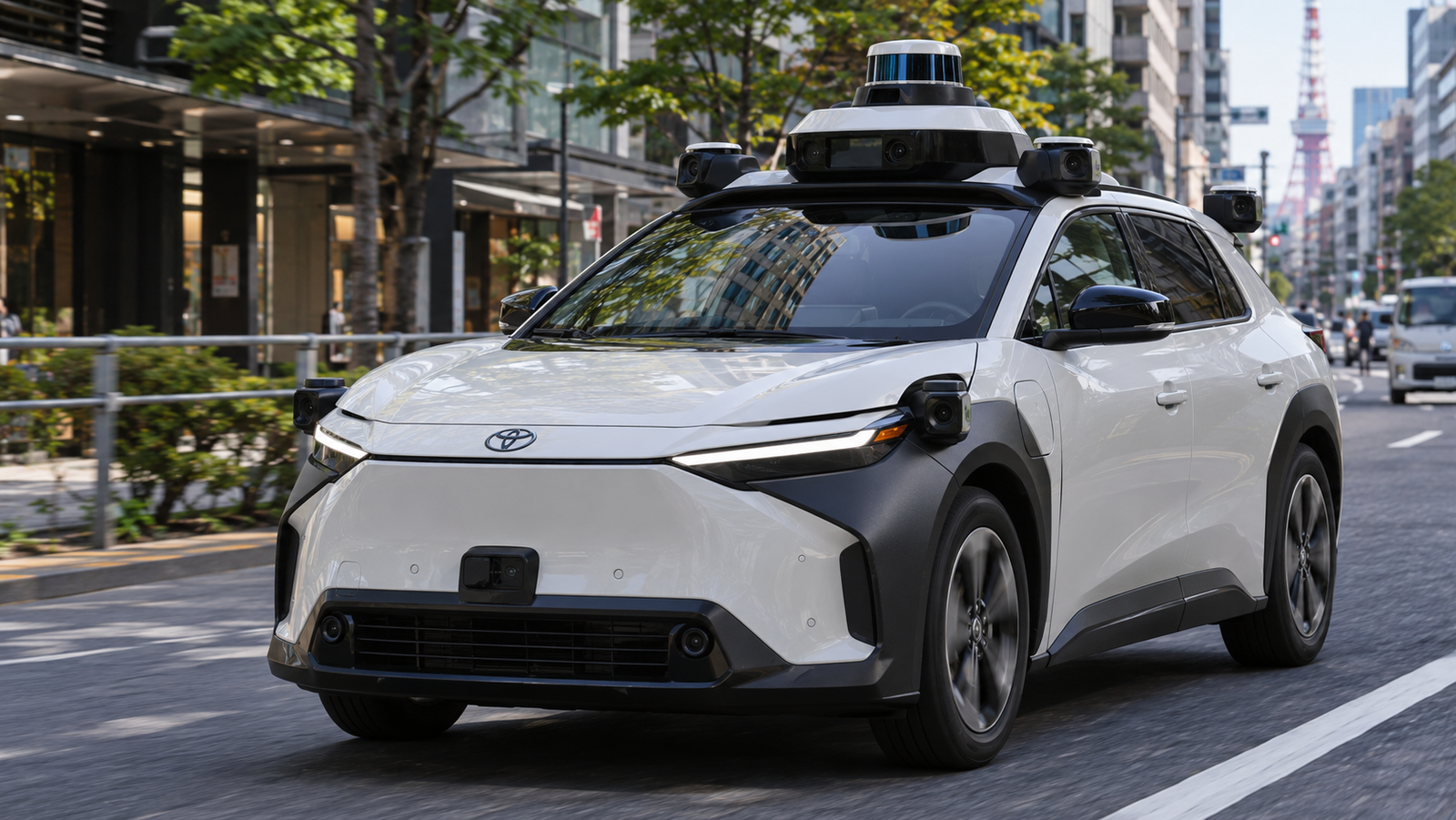
Unlike Waymo’s current setup, where sensors and computing equipment are installed on already-manufactured vehicles, Toyota will integrate the autonomous driving system directly into the manufacturing process. Assembly of the base electric vehicle and installation of the Waymo hardware will take place at the Takaoka plant in Japan’s Aichi Prefecture. The test version’s body features sensors and cameras on the roof, bumpers, front fenders, tailgate, and rear spoiler. The companies have not yet disclosed detailed specifications for the hardware and computing system.
The passenger compartment of the bZ4X will also be adapted for robotaxi service. The crossover will feature automatic doors, a power tailgate, extra rear-seat legroom, and specialized ambient interior lighting. These changes are designed to facilitate passenger boarding and alighting, including for people with reduced mobility. At the same time, Toyota and Waymo have not yet disclosed the size of the initial fleet or specific areas of future operations in Japan.
The partnership is not limited to taxi services. The companies will continue exploring the feasibility of implementing Waymo technologies in personal Toyota vehicles and also plan to use real-world trip data to improve safety systems in collaboration with the Woven by Toyota division. For the automaker, this is an opportunity to gain experience in integrating autonomous driving into mass-market models, while for Waymo, it is a way to expand its robotaxi fleet leveraging the production capacity of a major automotive concern.
Read more:
- Chery Tiggo 2 received zero stars in Latin NCAP crash test due to fire risk
- Ford to replace 146 parts with two large castings in Fathom electric pickup
- Toyota turned five SUVs into tracked vehicles for deep snow