The new Porsche 911 Turbo S of the 992.2 generation is not just an update, but a return of the legend to its original form. Now it is not only a luxurious grand tourer, but also a car capable of challenging even the 911 GT3. Under the hood is a hybrid setup based on the T-Hybrid system from the Carrera GTS, developing 701 horsepower and 800 N·m. From a standstill to 100 km/h, this Turbo S accelerates in 2.5 seconds, and its top speed approaches 330 km/h.
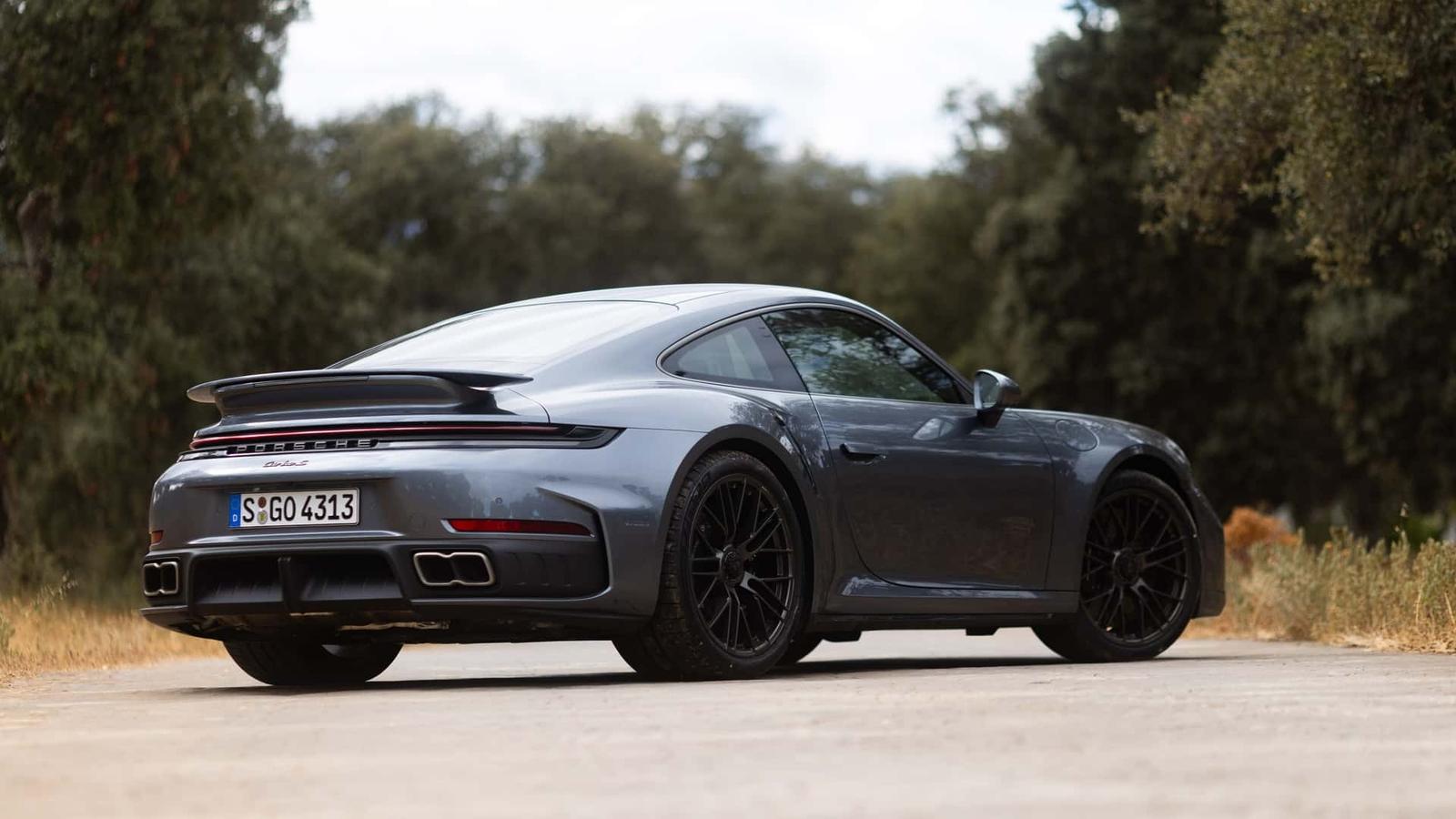
The main difference of the new generation is not in the numbers, but in the character. Porsche has managed to return the aggression to the Turbo S, which the model has lost in recent years. The engineers used a 3.6-liter flat-six engine with two small turbines and a built-in 80 hp electric motor powered by a 400-volt system. Thanks to this, the engine instantly responds to the throttle, completely eliminating turbo lag.
The PDCC (Porsche Dynamic Chassis Control) chassis system, which operates from the same hybrid architecture, has changed the car's behavior in corners. Now, the active anti-roll bars are able to adjust to the phase of cornering: at the entrance, the front becomes softer, the rear becomes stiffer, and when exiting the corner, the stiffness changes in the opposite direction, improving grip. All this makes the Turbo S incredibly stable, despite its weight of 1775 kg - almost 300 kg more than the GT3.
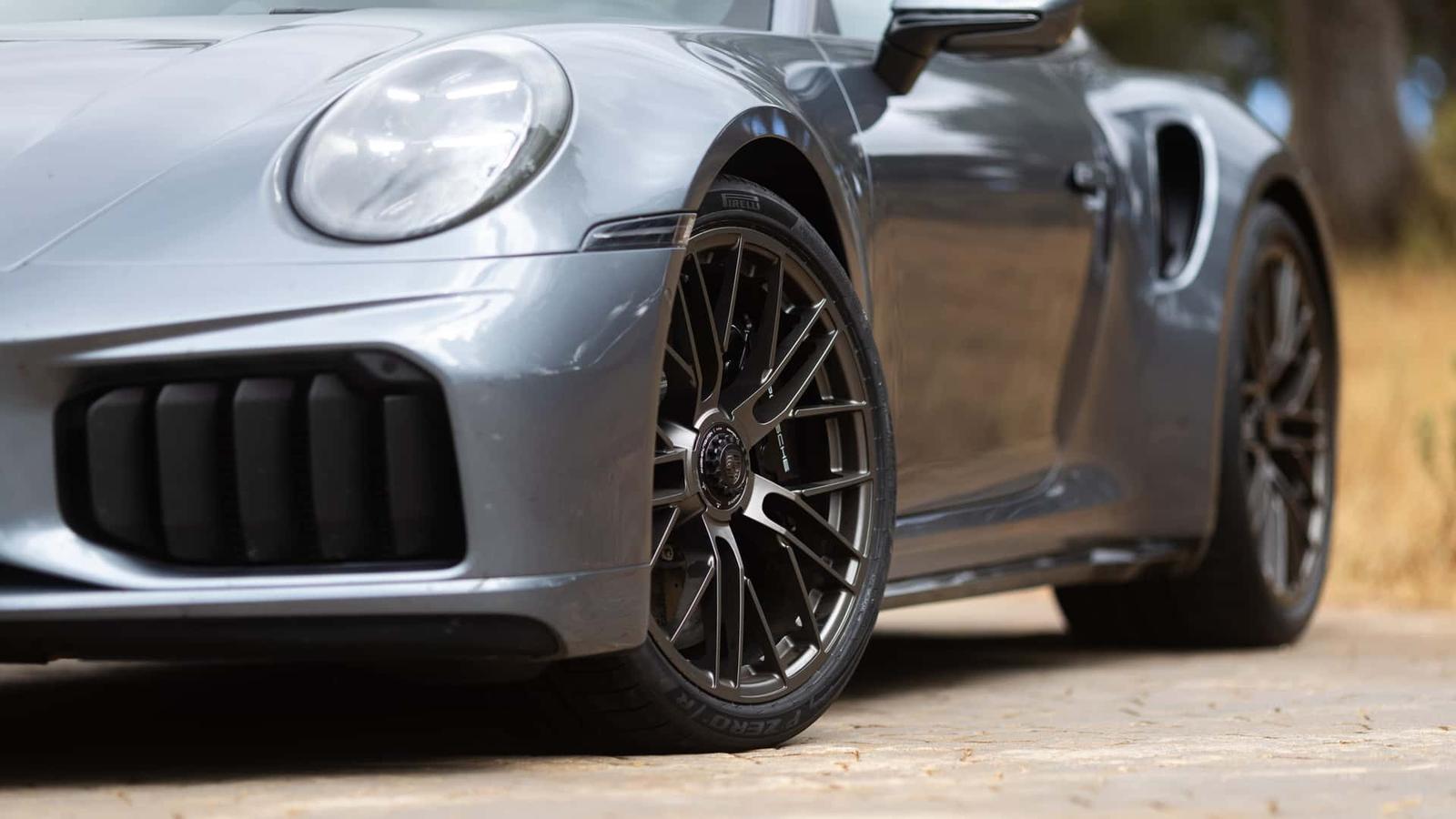
The engine design almost repeats the Carrera GTS unit, but the compression ratio is reduced, and the shape of the pistons has been redesigned for reliability under increased loads. The electric motor, integrated into the eight-speed PDK gearbox, provides additional traction and energy recuperation. Porsche claims that the combination of smaller diameter turbines and electric supercharging has made it possible to achieve absolutely linear response and impressive elasticity at any speed.
On the Assari track in Spain, journalists noted that the new Turbo S is capable of lapping almost at the level of the GT3: 7 minutes 03.9 seconds versus 6 minutes 56.2 for the purely sports version. The difference is minimal, considering the weight and all-wheel drive. At the same time, the car remained characteristically versatile - with soft adaptive shock absorbers, comfortable suspension and silence in the cabin, which was not typical of previous generations.
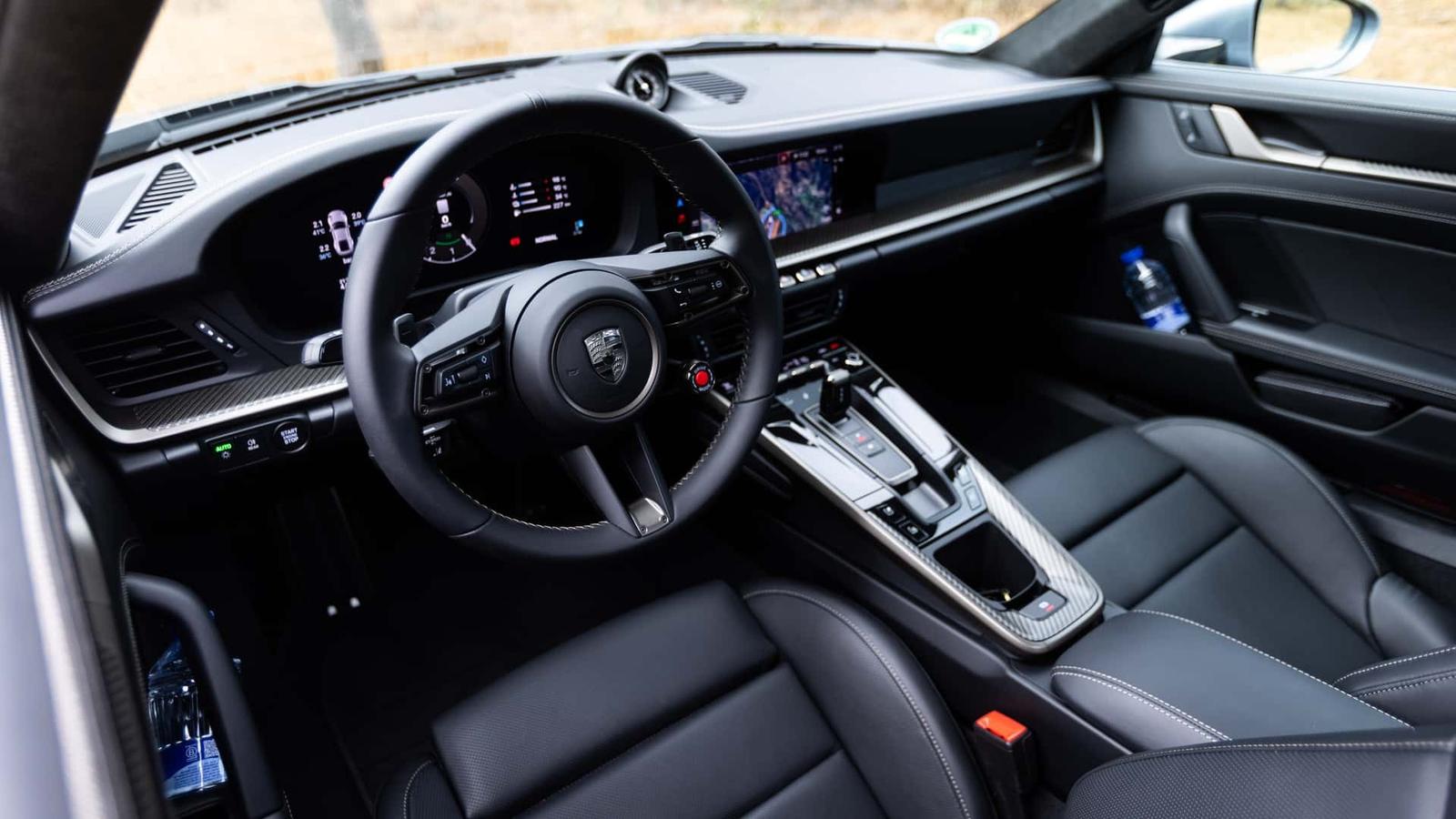
Inside, the 911 Turbo S remains a model of engineering minimalism. The materials are leather, aluminum, carbon fiber; the dashboard is digital, but without excesses. The new engine acoustics with light turbine whistles add emotions that the previous version lacked. The steering has become a little heavier, but more precise, and the rear steering mechanism helps to hide the weight, making the car light and predictable even on narrow mountain roads.
Yes, the Turbo S has become more expensive: the price in the USA starts at 270 thousand dollars, and a fully equipped version exceeds 285 thousand. But for this money, the buyer gets a car that combines the comfort of a premium GT and the sharpness of a real supercar. The Turbo S does not require compromises - it is equally convincing both on the autobahn and on the track. Porsche has proven that the word "hybrid" no longer means boredom. In the Turbo S, electricity does not save fuel - it adds speed, character and energy.
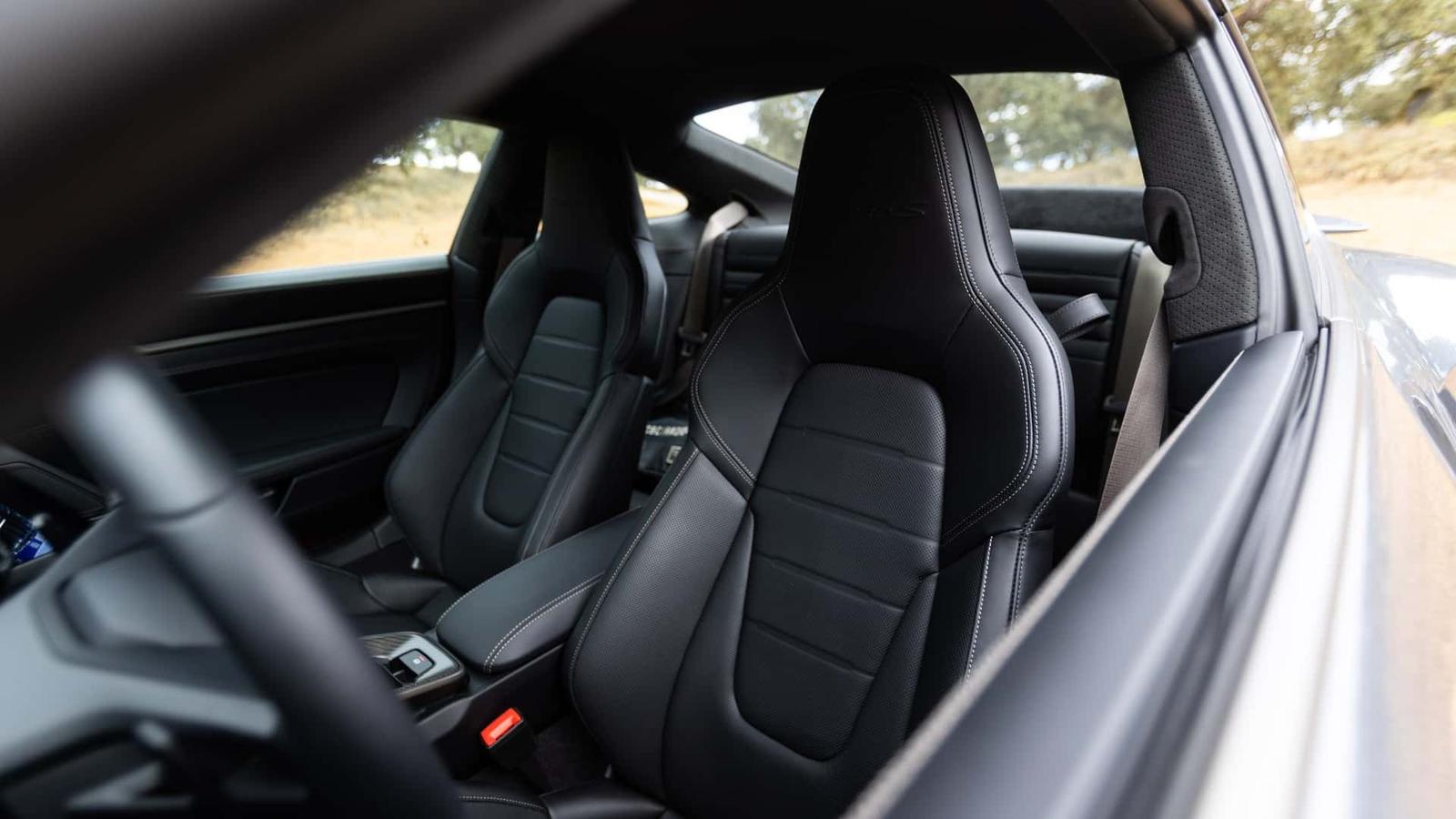
Practicality is also on top. The trunk remains spacious enough for everyday trips, and the fit is comfortable on long distances thanks to the new seat profiles and extended settings. The basic equipment includes a fully controlled chassis with rear axle steering and PCCB carbon-ceramic brakes; the list of options includes 21-inch wheels and track semi-slicks. Electronics finely meters traction, allowing you to confidently accelerate when exiting a corner even on a rough surface.
In road modes, the suspension softly dampens minor asphalt imperfections, and on the track it gathers, maintaining a neutral balance. Separately, it is worth noting the new PDK calibration: gears switch smoothly in the city and tenaciously on the track, maintaining control over traction.
Read more materials:
- The most reliable engines of the last 20 years have been named
- Geely has rewritten prices in Russia
- Drunk driving is a chance to earn money: Russians have begun to pay for vigilance
Comments