Three-row crossovers are currently experiencing peak popularity, and Subaru has not been left out. The Ascent model was created as a true family SUV with a spacious interior, signature all-wheel drive, and the ability to carry up to seven people. On paper, it's an ideal option, but in reality, the Ascent has not become a bestseller: sales are steadily declining, and 2024 was the worst since the model's debut.
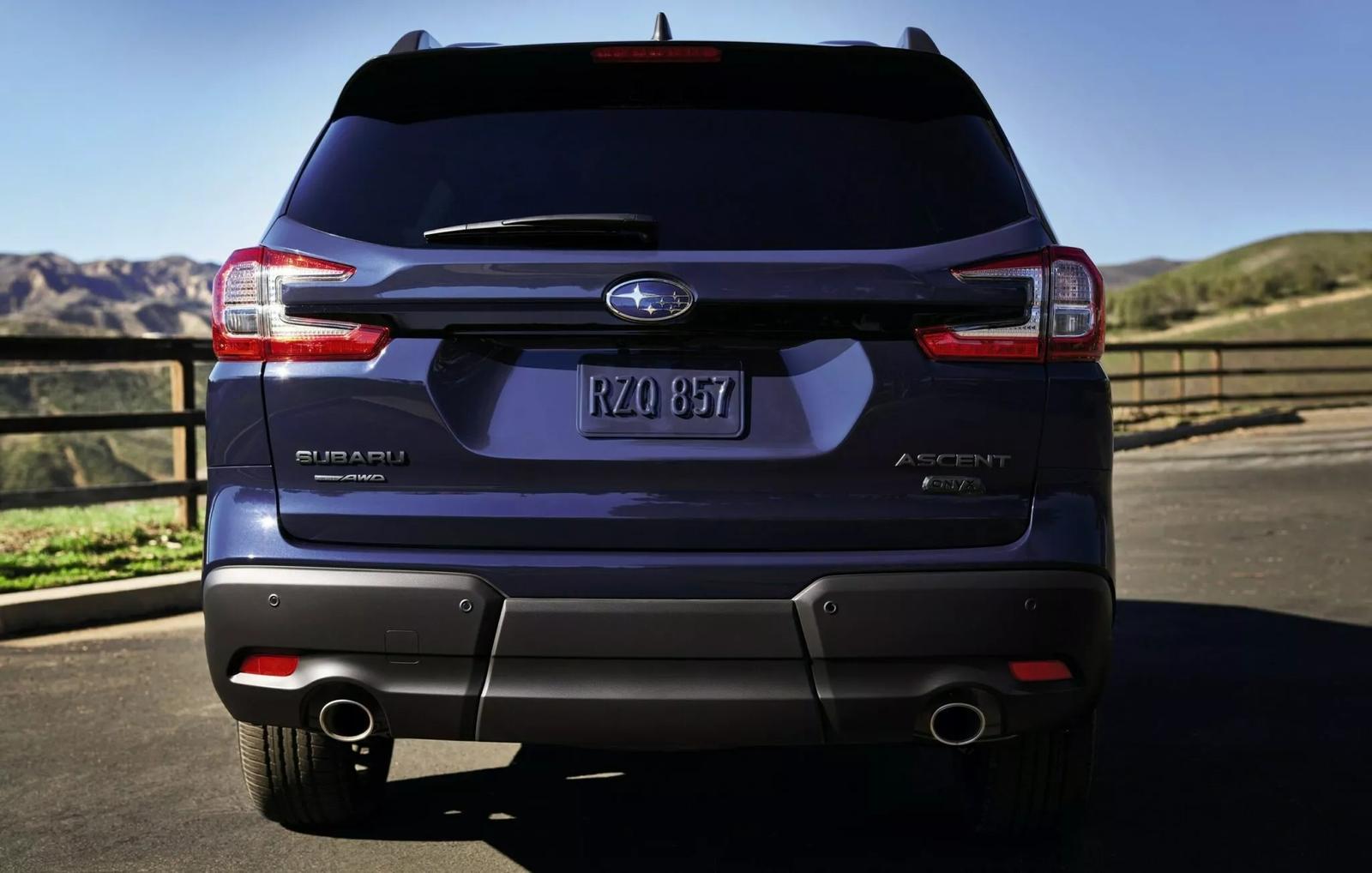
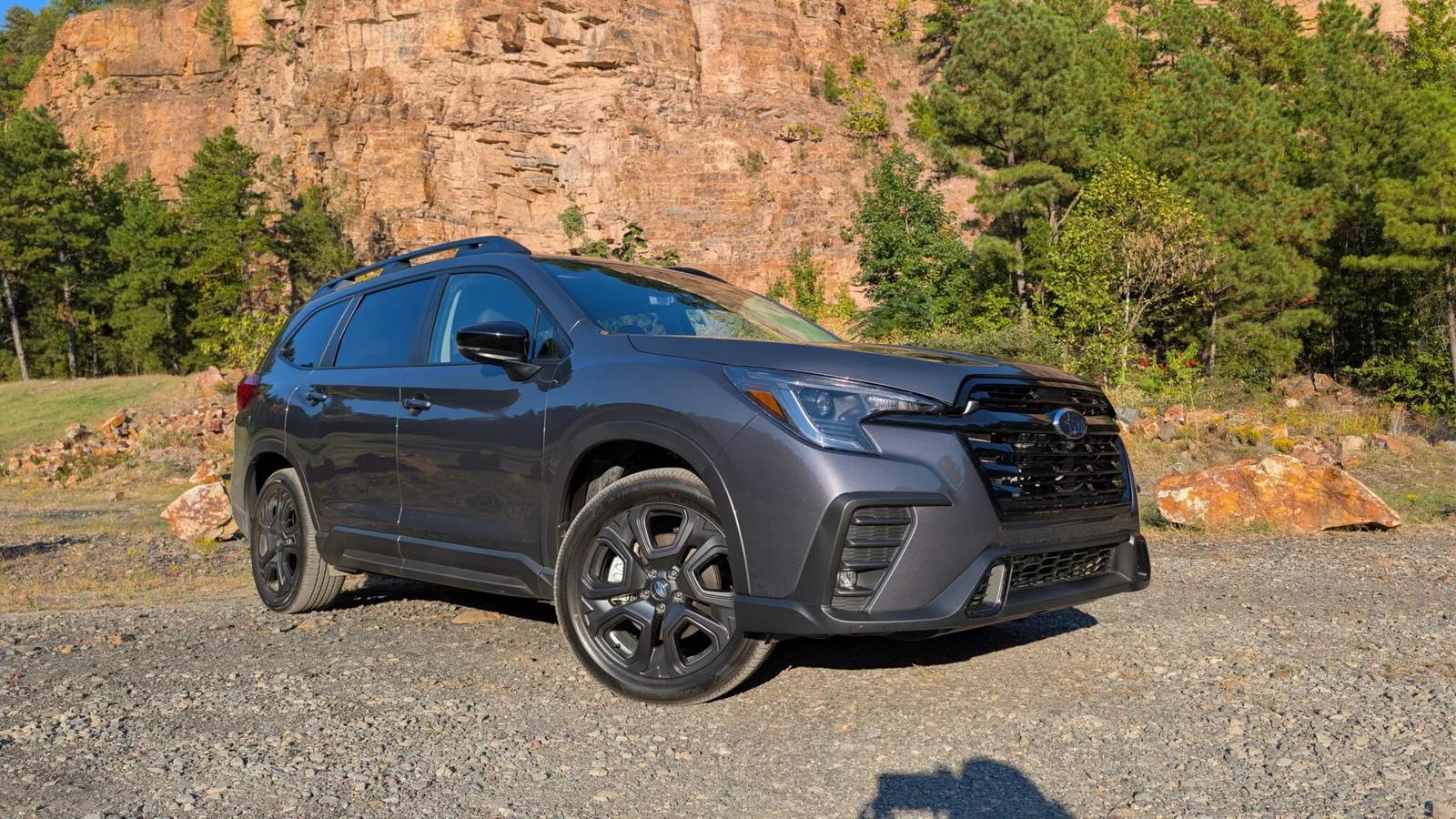
There are several reasons. On the outside, the Ascent looks solid, with clear lines and an aggressive radiator grille. The Onyx Edition stands out with black accents and wheels, creating a sense of premium quality. However, there is no wow effect in the design; the crossover seems to be assembled according to all the rules, but lacks individuality. It does not evoke emotions, although it gives the impression of a sturdy car for family trips.
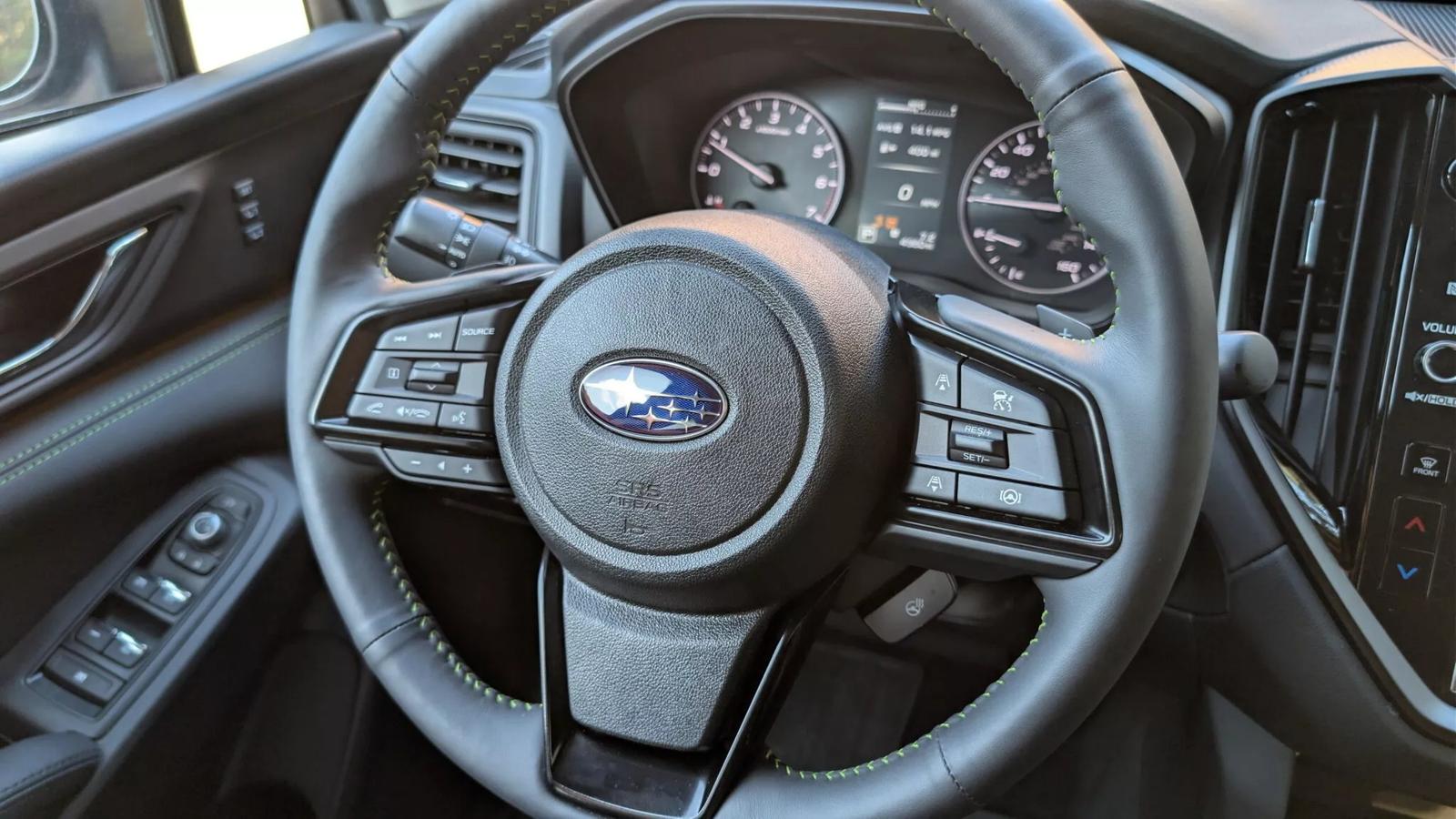
Inside, everything is familiar in the spirit of Subaru: practicality, reliability, and a bit of conservatism. The seats are comfortable, with good lateral support, the trim materials are of high quality, but the dashboard design is old-fashioned. The 11.6-inch vertical multimedia screen looks modern, but often lags, and the interface is overloaded. Android Auto and Apple CarPlay save the situation, but the ergonomics as a whole could be better. What is pleasing is the number of niches, outlets, and cup holders - there are as many as 19, which will be appreciated by large families.
But the Ascent has an excellent organization of interior space. The second row is represented by captain's chairs, the third is suitable for children or short trips. The seats move, the backs are adjustable, and access to the back is conveniently implemented. There is enough space even for tall passengers, and the trunk, despite the third row, remains spacious. Subaru clearly focused on practicality, and there is no mistake here.
Under the hood is the familiar 2.4-liter opposed-cylinder FA24 turbo engine with 260 hp and 375 N⋅m of torque, working in tandem with a variator and signature symmetrical all-wheel drive. Acceleration to 100 km/h takes about seven seconds - a good result for a two-ton SUV. However, the variator negates some of the pleasure: during active acceleration, the engine roars louder than desired, and the throttle response is delayed.
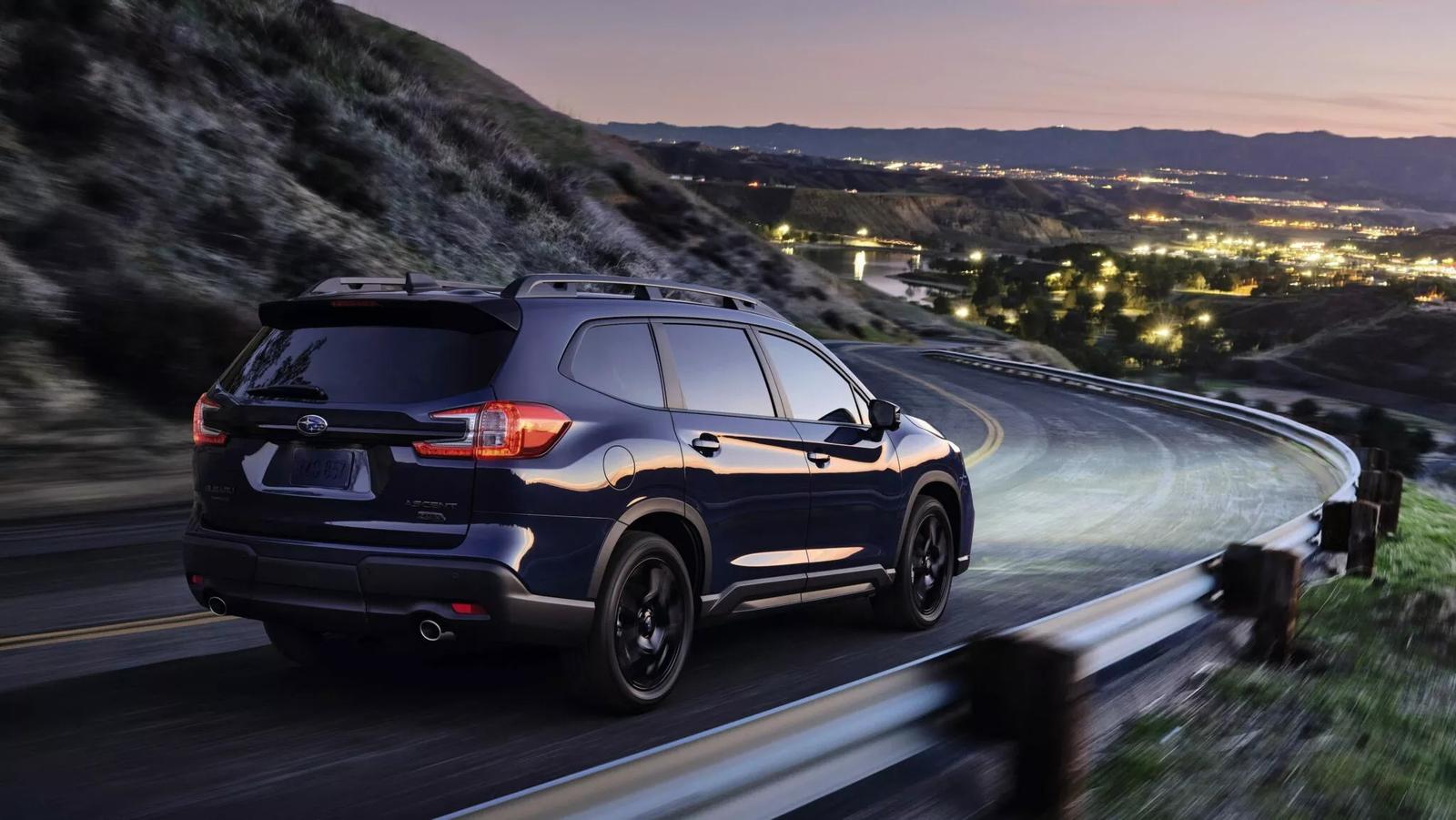
On the road, the Ascent confidently stays on the track and handles nicely in corners. The steering is precise, the suspension perfectly smooths out bumps, and the sound insulation is decent. In addition, the car feels confident on light off-road, where the signature all-wheel drive helps. In snowy or rainy regions, this is a real plus, and this is exactly why Subaru is loved in North America.
But along with confidence comes irritation: Subaru's electronic assistants are too intrusive. The EyeSight system constantly monitors the driver's actions, using audible signals to remind you to fasten your seatbelt, stay in your lane, or keep your distance. Yes, this increases safety, but it creates the feeling that there is a strict nanny sitting next to you, not letting go of the steering wheel.
The main problem of the Ascent is competition. There is an oversupply in this class: Kia Telluride, Hyundai Palisade, Honda Pilot, Mazda CX-90, Toyota Highlander - they all offer more comfort, power and style. Against the background of such players, Subaru looks honest, but simple. It is reliable, handles well and is safe, but it lacks emotion, and the engine with the variator clearly needs an upgrade.
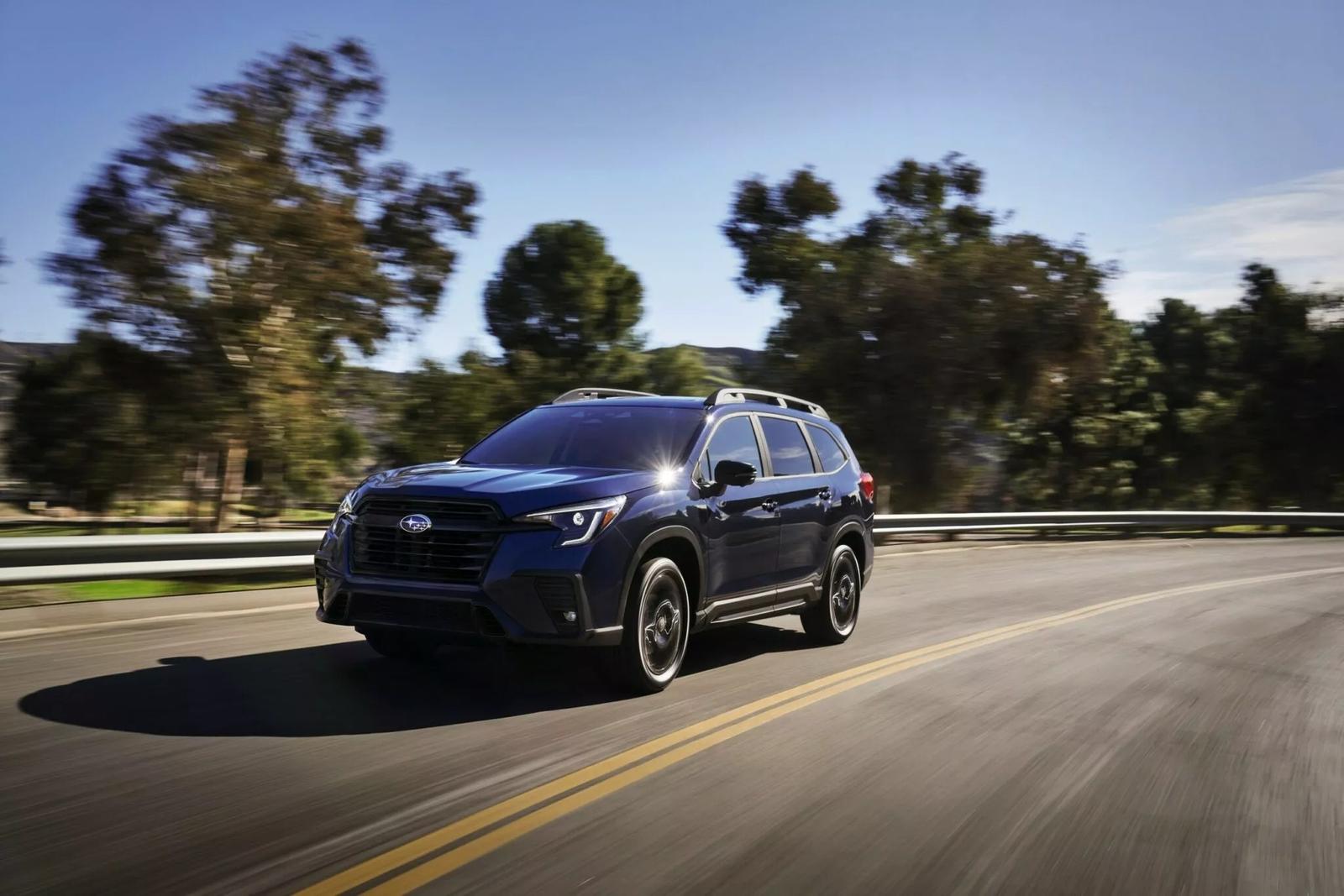
The Subaru Ascent is a car that does everything right, but does not make you want to buy it again. It is comfortable, spacious and practical, but in a segment where everyone strives to surprise, the Ascent simply does its job. And, perhaps, this is its weakness: it is too reasonable for those who are looking not only for transport, but also for emotions behind the wheel.
Read more materials:
- The most reliable engines of the last 20 years have been named
- Geely has revised prices in Russia
- Drunk driving is a chance to earn money: Russians have begun to be paid for vigilance
Комментарии