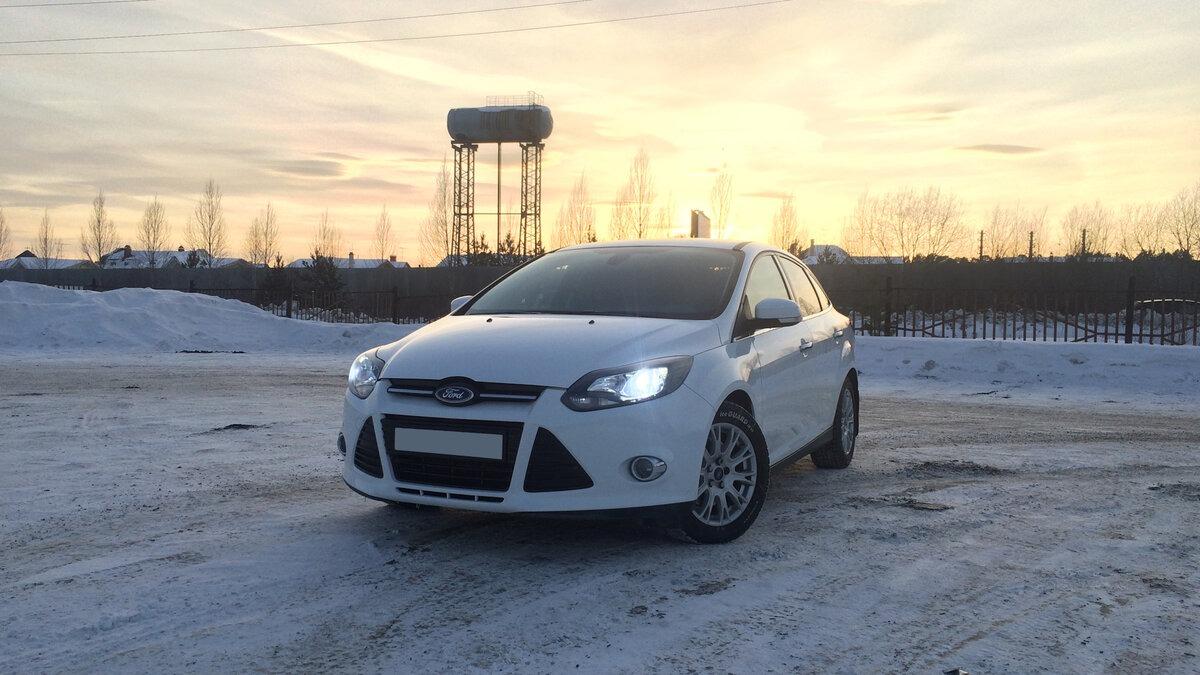
The story of this third-generation Ford Focus began quite prosaically — with the desire to switch from a tired VAZ-2107 to something more modern. Mazda3, Chevrolet Cruze and Focus were considered, but the decisive factor was the two-liter engine and the Titanium trim. As a result, the 2011 car was bought in 2016 and has since turned into not just a means of transportation, but a protracted project in which the owner has been investing money, time and nerves for almost 10 years.
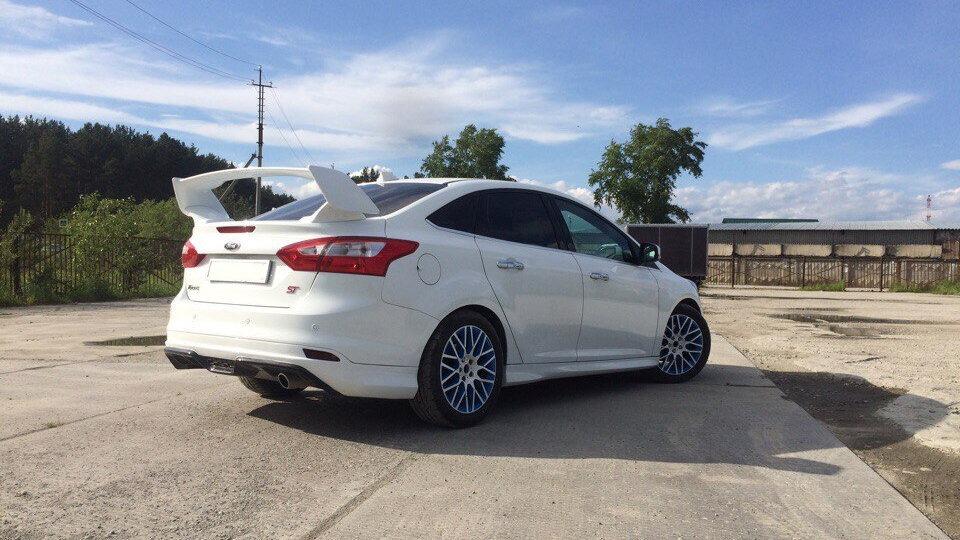
The car is actively used: now the odometer shows 173,000 km, the city is Yekaterinburg, the driving style is far from that of a pensioner. At the same time, there are no complaints about basic reliability. The PowerShift robotic gearbox, contrary to myths, does not cause problems: the clutch lasts a long time, the control unit has been updated a long time ago, and most of the "horror stories" are associated with poor-quality diagnostics. Maintenance is carried out every 10,000 km, the owner does part of the work himself, and goes to the service only when a lift is needed.
Regular expenses look moderate: about 178,000 rubles a year, where the main item is fuel. But all the fun begins outside of mandatory maintenance. As soon as a free budget appears, the car receives another upgrade — from optics to complex electronic systems. For example, in June 2024 alone, 65,000 rubles were spent on installing Bi-LED lenses while maintaining adaptive lighting, and the project had to be completed by a specialized master in another city.
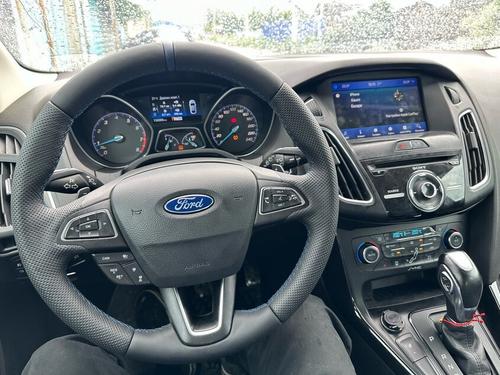
Summer and autumn were marked by technical and interior upgrades. Exhaust system with 4-2-1 manifold, steering wheel paddles, steering wheel and door card upholstery, colored seat belts — each of these improvements seems insignificant on its own, but together they gradually form a "non-factory" Focus. At the same time, the effect of some investments turned out to be controversial: the exhaust gave sound and removed the "check", but had almost no effect on the dynamics.
The most noticeable upgrade to the interior was the Recaro seats from the Focus ST — 128,000 rubles for comfort, support and visual effect. This was followed by coilovers, body polishing and a BLIS blind spot monitoring system, assembled literally piece by piece. The latter unexpectedly turned out to be one of the most useful improvements: the system really helps in the city and in parking lots, and the owner only regrets one thing — that he didn't install it earlier.
The beginning of 2025 became the apotheosis of the project. Keyless entry, custom forged wheels for 185,000 rubles, brakes for 320 mm, new tires — the Focus finally moved away from the image of an "ordinary" city hatchback. At the same time, all decisions were made not for the sake of status, but for the personal feeling of an "ideal car", even if not the most rational from the point of view of the market.
The result of the ninth year of ownership is impressive: 813,600 rubles of expenses, of which more than 635,000 are upgrades and tuning. For this money, you could have changed the car, but for the owner, the Focus has long ceased to be just a vehicle. It is a platform for experiments, a way of self-expression and a hobby.
Read more materials:
- AvtoVAZ officially explained which gasoline should be poured into Lada
- "Moskvich" announced prices for the "Moskvich 6" sedan of the 2026 model year
- Tank raised prices for the entire model range in Russia: Tank 500, 700 and 400 have become more expensive
Комментарии