Engine misfiring is not a colloquial expression but an established technical term that refers to the failure of one of the cylinders during the operation of the power unit. Despite the fact that the term is known to several generations of motorists, its meaning and potential danger are still often underestimated. Below is a detailed analysis of the essence of the phenomenon, its signs, causes, and possible consequences.
What Does the Term "Engine Misfiring" Mean?
The concept arose during the widespread use of four-cylinder engines. In the event of a failure of one cylinder, the engine actually started working on three, which gave the phenomenon its name. In modern engines, regardless of the number of cylinders, the principle remains the same: if the fuel-air mixture does not ignite or does not form a working cycle in one or more cylinders, the engine starts to function unstably.

It is important to note that in everyday speech, the term "misfiring" is often used to refer to any engine malfunctions - from unstable idling to extraneous noises. However, from a technical point of view, misfiring is precisely the misfires confirmed by diagnostics.
Signs of Engine Misfiring
Misfiring can be detected even without specialized equipment. The most characteristic symptoms include:
- Uneven engine operation. The sound becomes intermittent, with noticeable interruptions, especially at idle.
- Increased vibrations. The engine noticeably vibrates or shifts on its mounts due to uneven cylinder operation.
- Reduced power. The car loses dynamics, jerks are possible during acceleration, pops in the exhaust system, and the smell of unburned fuel.
- Unstable idle speed. The speed may increase or decrease spontaneously.
- Activation of the Check Engine indicator. The electronic control unit detects misfires and stores the corresponding errors.
To accurately determine the cause, computer diagnostics are required, since similar symptoms can be caused by other malfunctions not related to misfiring.
Main Causes of Engine Misfiring
All causes can be reduced to one common problem: conditions for normal combustion of the mixture are not created in the cylinder.
1. Ignition System Malfunctions
The most common group of causes. These include:
- worn or faulty spark plugs;
- failure of the ignition coil or module;
- damage to high-voltage wires (if any);
- disruptions in electrical circuits or ECU control signals.

In the absence of a spark, the mixture does not ignite and is discharged into the exhaust system, causing cylinder misfires.
2. Fuel Supply Disruptions
The second most frequent cause is malfunctions in the injection system. Possible factors:
- contamination of injectors with low-quality fuel;
- mechanical wear of injectors;
- damage to electrical wiring;
- incorrect control pulses.
Insufficient or absent fuel supply leads to the impossibility of forming a working cycle in the cylinder.
3. Reduced Compression
The most serious group of causes associated with the mechanical condition of the engine. These include:
- sticking or wear of piston rings;
- valve burnout;
- damage to the cylinder head gasket;
- destruction or burnout of the piston.
At low compression, the cylinder is not able to develop the necessary pressure, which makes it virtually inoperable.
What Are the Dangers of Engine Misfiring
Operating a car with a misfiring engine is highly undesirable, even if the car retains the ability to move.
Main Consequences:
- Increased fuel consumption and reduced service life. The remaining cylinders operate with increased load.
- Coking of the combustion chamber. Unburned fuel leads to the formation of deposits, sticking of rings, and increased oil consumption.
- Mechanical wear. Violation of the thermal regime contributes to the appearance of scoring, accelerated wear of cylinders and valve mechanism.
Prolonged operation in this condition can lead to the need for a major engine overhaul.
What to Do When Misfiring Occurs
Recommended course of action:
- Perform computer diagnostics to determine the cylinder with misfires and the nature of the malfunction.
- Check the elements of the ignition system: spark plugs, coils, wires.
- Assess the condition and operation of the injectors, clean or replace them if necessary.
- Measure compression in all cylinders.
- If possible, exclude the operation of the car until the malfunction is eliminated.
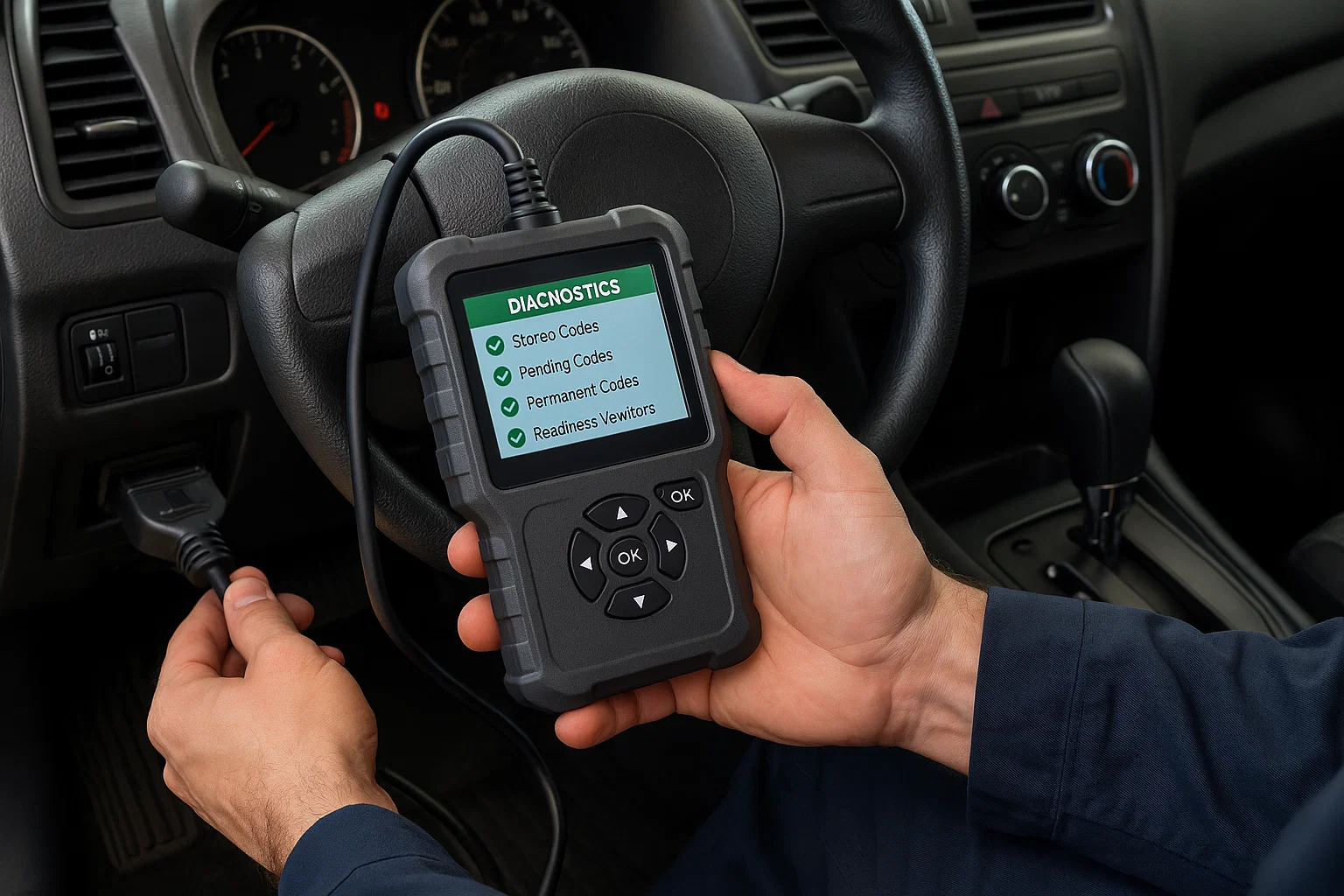
Work related to the mechanics and electronics of the engine should be entrusted to qualified specialists.
Key Takeaways
- Misfiring is the failure of one or more cylinders.
- Main signs: unstable operation, vibrations, loss of power, fuel smell, Check Engine indication.
- Main causes: ignition malfunctions, problems with fuel supply, reduced compression.
- Ignoring the problem leads to accelerated engine wear and costly repairs.
- Timely diagnostics significantly reduces risks.
Engine misfiring is a serious technical symptom indicating a malfunction in the normal operation of the power unit. The earlier the cause is identified and eliminated, the higher the likelihood of preserving the engine's service life and avoiding major repairs. If the first signs of unstable engine operation appear, it is recommended to immediately carry out diagnostics and maintenance.
Read more materials on the topic:
- Why Small Turbo Engines Are Faster Than Large V8s
- RunFlat - A Lifesaver on the Road or an Expensive Compromise?
- Check Engine: A Scary Light or a Minor Error?
Комментарии