Since 2016, a separate law regulating car tuning has been in effect in Russia. It clearly divides all changes to the design and equipment into three categories: fully permitted without registration, requiring mandatory approval, and completely prohibited. Below is a detailed analysis of which modifications are freely allowed and do not entail registration procedures.
Interior Lighting
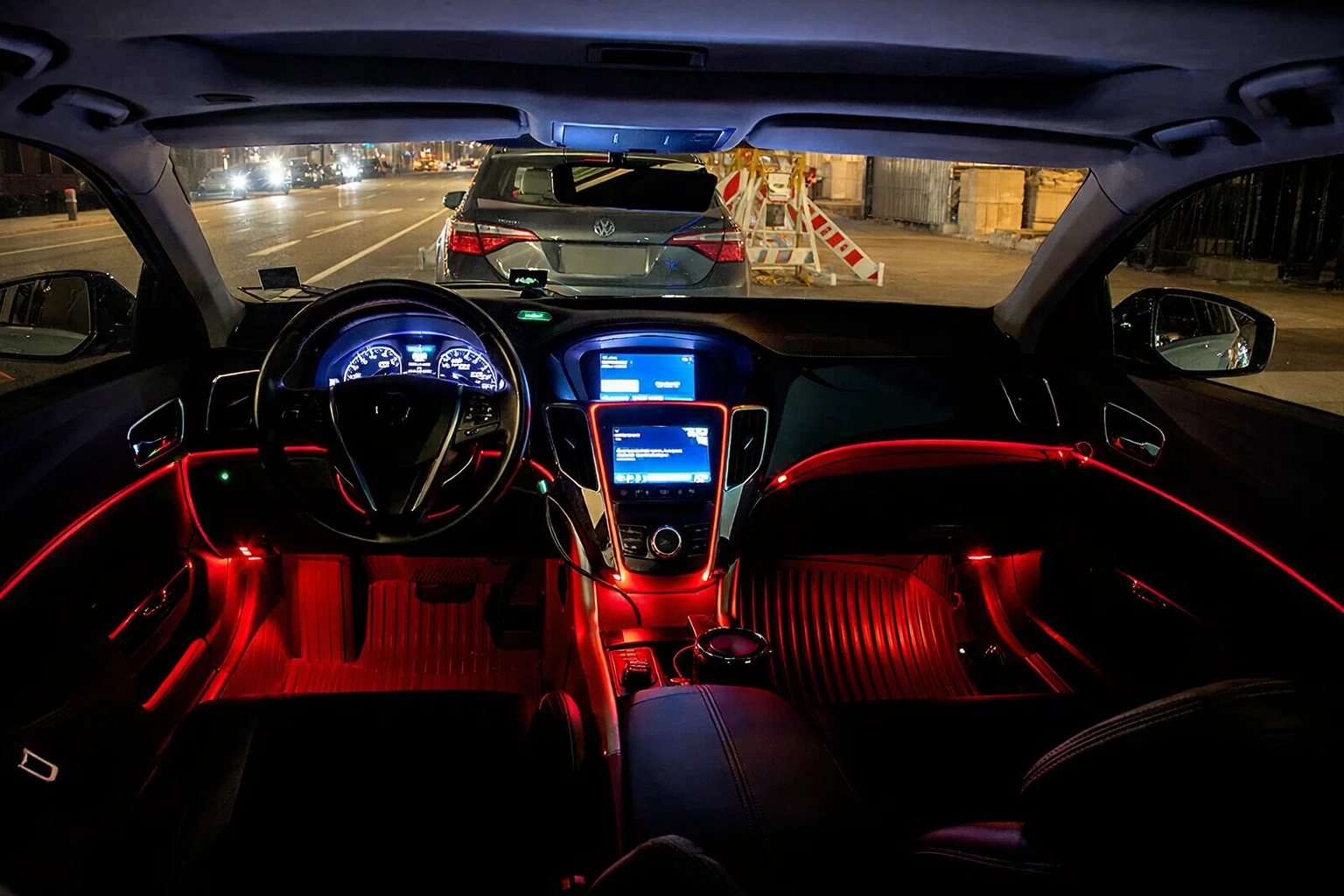
Factory-installed interior lights in the car are allowed to be replaced with LED lamps of any shade. The lighting of the driver and passenger footwell is usually done with LED strips costing from 300 rubles. The dashboard, center console, and floor tunnel are often decorated with RGB lighting. In advanced versions, such systems are synchronized with music and controlled via a smartphone.
Underbody lighting is not prohibited by law, as the traffic police do not classify it as external lighting devices. However, it is important to avoid red and blue shades at the front of the car and white light at the rear.
Interior Elements
The steering wheel is allowed to be reupholstered in leather or use a removable cover, provided that access to the airbag remains free. A complete replacement of the steering wheel is subject to approval by the traffic police, with the exception of cars not equipped with airbags - in this case, replacement is possible without registration.
The standard seats cannot be changed, but the installation of covers, massage pads, and heating systems is allowed. Any pedal covers are allowed. Mats can also be used without restrictions if they are securely fixed and do not shift under the control pedals.
The radio is allowed to be replaced with a device with a larger screen. Rear-view camera, navigation, and diagnostic functions are allowed and do not require registration.
On-Board Computer
If the car is not initially equipped with an on-board computer, its installation is allowed. Such a device displays fuel consumption, range, transmission oil temperature, and engine errors.
The connection is made through the OBD-II connector. The ELM327 adapter is used to transmit data to a smartphone: basic versions cost from 500 rubles, more reliable ones from 2000 rubles. Information is displayed through applications for Android or iOS. Registration of the installation is not required.
Protection of the Crankcase and Gearbox
Installation of crankcase and gearbox protection does not require approval. Steel options with a thickness of 2-3 mm weigh 5-15 kg and cost from 3,000 to 10,000 rubles. Aluminum protections are 30-40% lighter, are not subject to corrosion, and are estimated at 5,000-15,000 rubles. The lightest are composites made of Kevlar or carbon fiber, their price reaches 20,000 rubles.
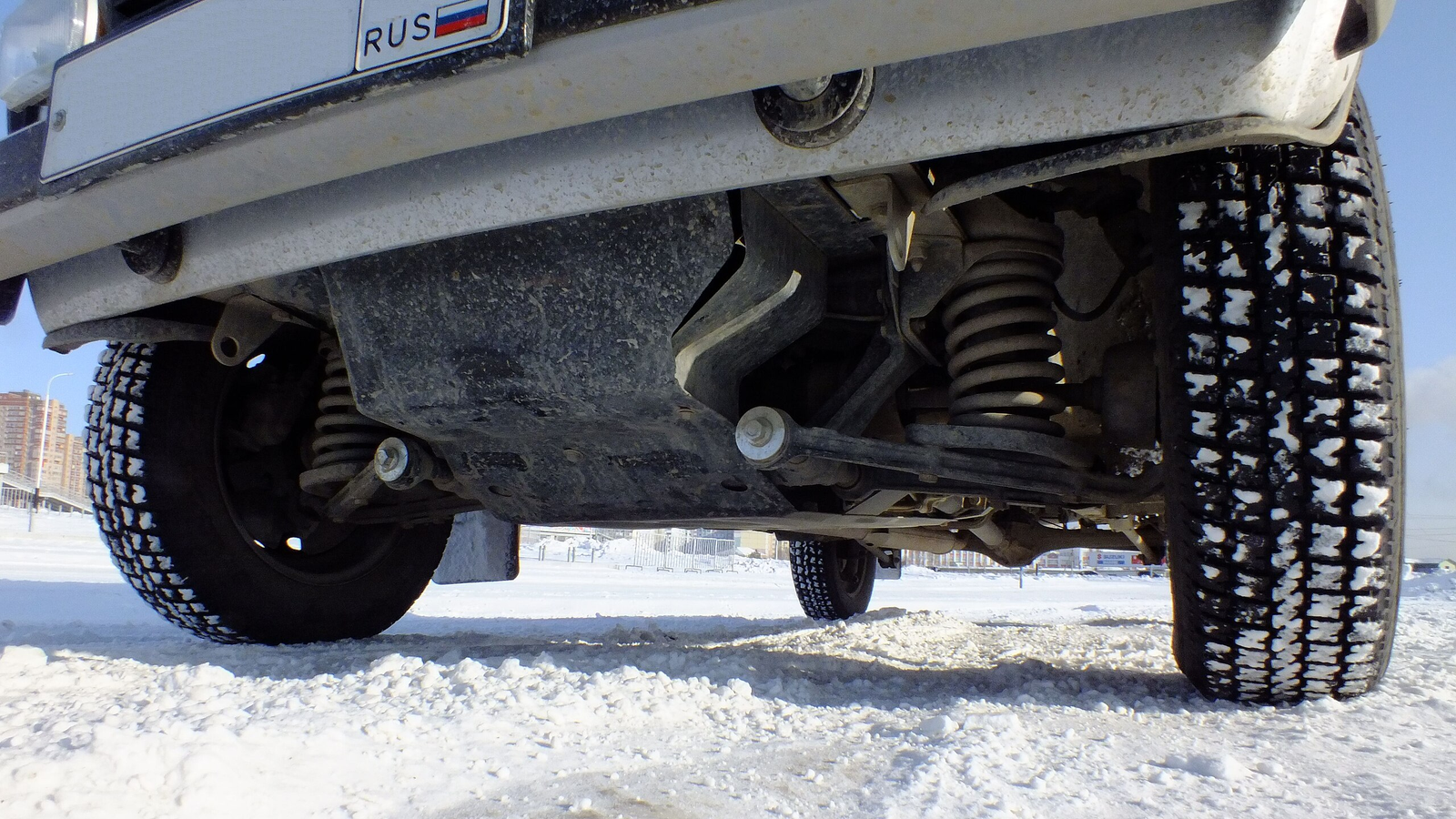
Solid protection can increase the oil temperature by 2-3 degrees. This is critical for variators and automatic transmissions without a separate radiator. In hot weather, it is recommended to reduce the load, especially in traffic jams and off-road. Protections with ventilation holes cool more efficiently but are less durable. An on-board computer helps to control the temperature.
Wheels - Strictly According to Tolerance
Only wheel sizes indicated on the plate in the door opening or on the fuel filler flap are allowed. For example, for Lada Vesta, these are 185/65 R15, 195/55 R16, and 205/55 R17. Installing 195/65 R15 instead of 185/65 R15 is punishable by a fine of 500 rubles and impairs handling.
There is a three percent rule: the overall diameter of the wheel should not differ from the standard by more than 3%. When increasing the diameter of the disc, it is necessary to compensate for it by reducing the tire profile.
The best solution remains to buy high-quality tires of the recommended size - Michelin, Continental, or Bridgestone. This is safer than any experiments with size.
Parking Sensors and Cameras
Rear parking sensors with four sensors operate in the range of 30-250 cm. For complete control, front sensors are added. Rear-view cameras usually have a viewing angle of about 135° and are equipped with infrared illumination for operation in the dark.
A set of parking sensors and a camera costs from 4000 rubles, installation in the service costs 3000-6000 rubles. It is recommended to display the image on the radio screen, and not on a separate monitor. Registration is not required.
Lighting Devices
The use of xenon in halogen headlights is prohibited. Replacing halogen lamps with LED lamps is also not allowed. The type of permissible light source is indicated by the marking on the headlight glass: H, CR, HCR - for halogen; DC, DR, DCR - for xenon. Violation is punishable by a fine of 500 rubles, repeated violation - 5000 rubles or deprivation of rights for a period of one to three months.
Long Life halogen lamps last 50-100% longer than standard ones. Models with increased light output shine 30-50% brighter but burn out faster. Installing lamps of excessive power leads to damage to the headlights.
LEDs are sometimes installed in the rear lights - they are difficult to notice through the diffuser. However, in winter, such lamps hardly heat up, which is why the snow does not melt, and the dimensions become poorly distinguishable.
Tinting of Rear Windows
According to the Technical Regulations of the Customs Union, the windshield and front side windows must transmit at least 70% of light. Violation is punishable by a fine of 500 rubles, which is reduced to 375 rubles if paid within the first 30 days.
Rear windows can be tinted without restrictions, up to zero light transmission. Mirror tinting is prohibited on all windows. Removable films and curtains on the front windows are also considered a violation.
If the film is removed on the spot in the presence of an inspector, he has the right to limit himself to a warning.
Alarm and Autostart
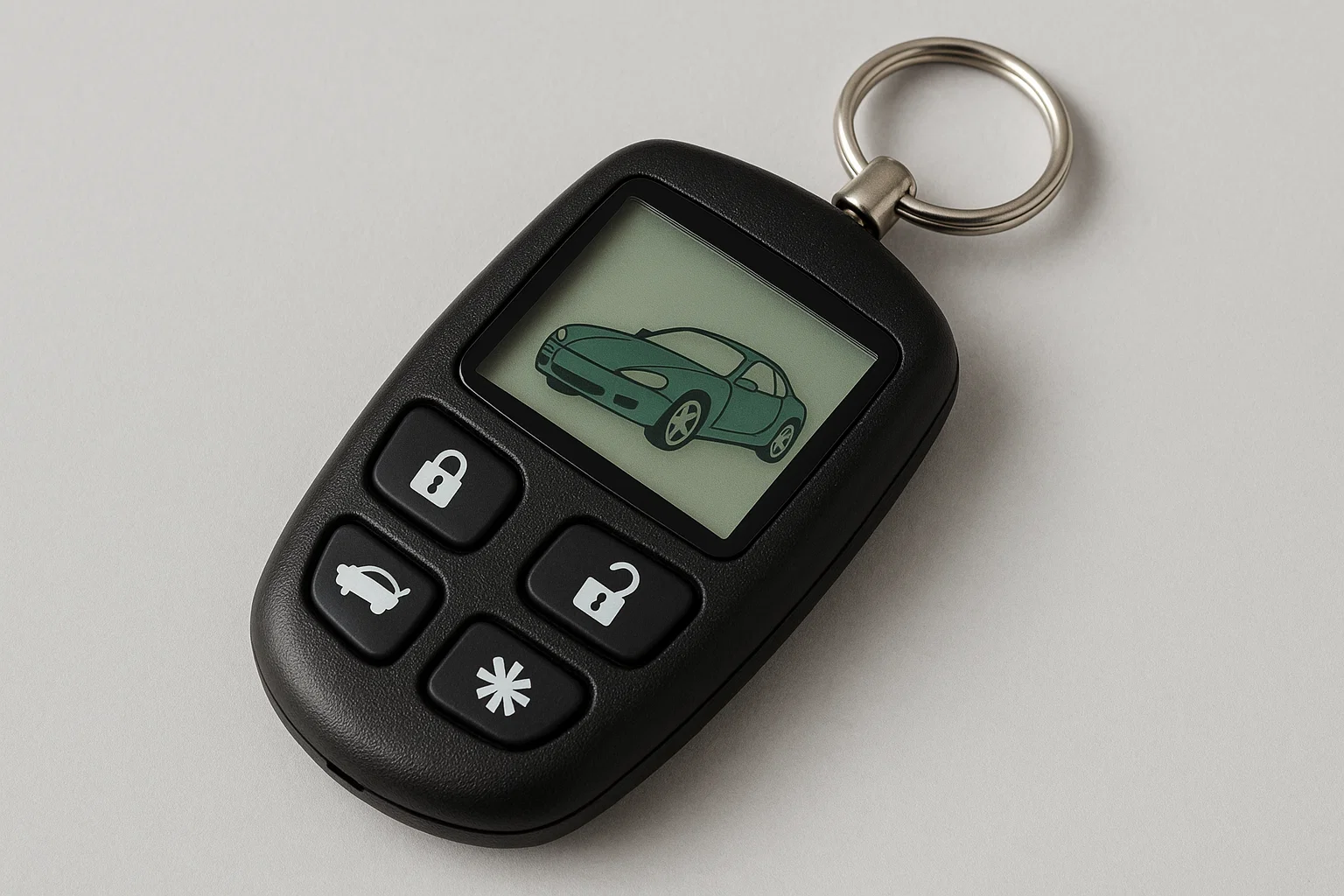
Autostart allows you to warm up the car in winter before the driver leaves. Automatic window lifting, remote door unlocking, engine temperature control, and GPS monitoring are allowed. The use of special sirens and light signals of red or blue is prohibited.
Trunk and Underhood Space
In the trunk, it is allowed to install shelves, partitions, false floors, and barriers for transporting animals - they protect the interior during sudden braking.
Under the hood, you can independently install gas struts, replace the battery with a more capacious one, and add additional filters. Registration is not required.
Parts from Expensive Trim Levels
If the manufacturer has provided a specific part for the top version of the model, its installation is allowed without registration. This applies to larger diameter wheels from the catalog, roof rails, fog lights in standard places, LED headlights with auto-correction, and seats with electric drive.
The main condition is the presence of these elements in the official documentation of the manufacturer for this model.
What is Subject to Legalization
Kangaroo bars, power bumpers, engine replacement, chip tuning, turbocharging, and suspension changes require examination in an accredited laboratory. The state fee for permission is 1000 rubles, for registration of changes - 800 rubles (from 2026 - 1500 rubles). Registration must be completed within 10 days after the work is completed.
Stickers and taxi "checkers" without a license for transportation are punishable by a fine of 5000 rubles. The use of color-graphic schemes of the police, ambulance, or Ministry of Emergency Situations threatens with deprivation of rights for a period of 4 to 18 months.
Read more materials on the topic:
- Interest in electric vehicles is declining, ICEs are regaining ground
- Why experts advise not to save on engine oil
- Why it is dangerous to drive on old tires even with a "live" tread
Комментарии