China's new inter-agency plan calls on automakers to make greater use of recycled materials in vehicle production, including steel, aluminum, plastics and batteries. The document aims to create a reliable supply chain for secondary materials and raise standards for their use to ensure the sustainability of the industry and reduce dependence on primary raw materials. The plan covers not only the automotive industry, but also other sectors, including electronics, textiles and packaging, demonstrating the country's strategic approach to a circular economy.
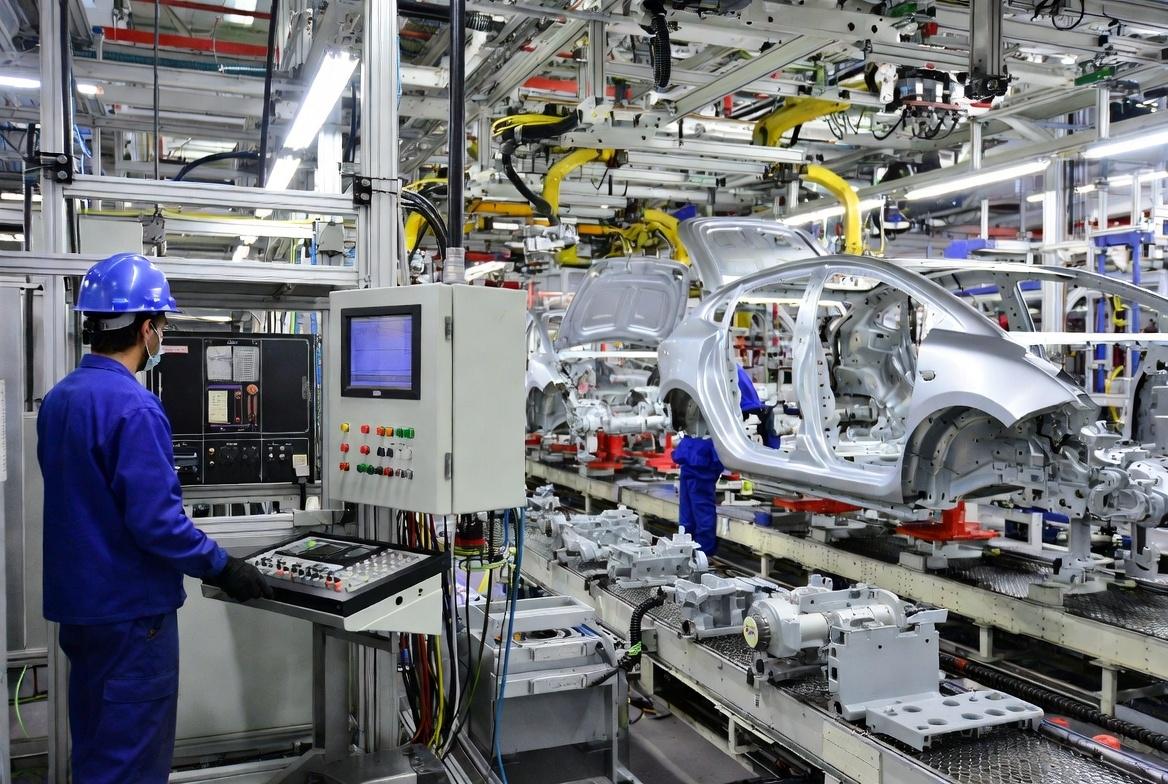
The policy calls on automakers to expand the use of recycled metals and plastics in bodies, structural components, interior parts, and non-critical systems. To this end, it is proposed to establish close cooperation between automakers, car dismantling companies and waste recycling companies, forming integrated recycling chains. The focus is on the reliability and quality of materials, as well as increasing their share in production processes.
Special attention is paid to the recycling of end-of-life vehicles. The plan provides for the standardization of vehicle dismantling, increasing the extraction rate of reusable materials and expanding the possibilities for recycling automotive metals and plastics. This will ensure a stable supply of secondary raw materials to automakers and reduce the burden on primary resources.
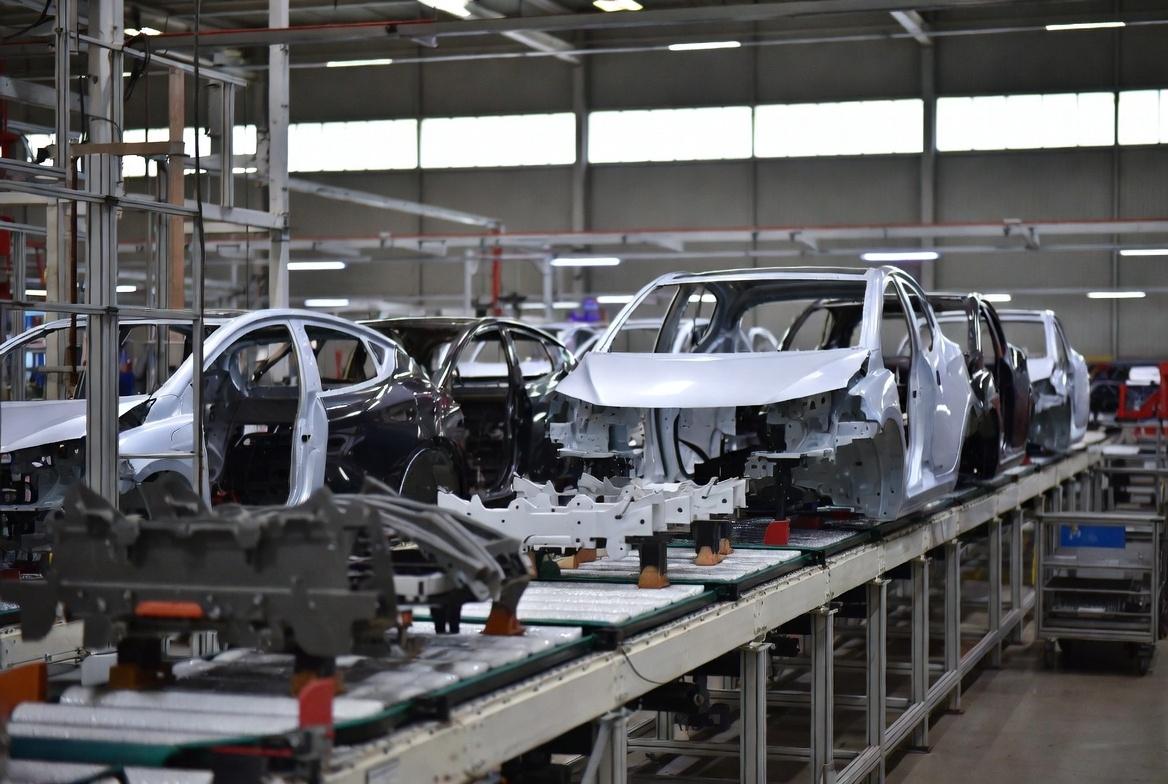
Battery production is highlighted as a priority area for the introduction of recycled materials. Waste battery disposal systems should be strengthened, and the reuse of battery elements will become part of the production cycle. As the electric vehicle market grows in China, batteries are becoming an important source of materials for recycling, helping to reduce the industry's environmental footprint.
The action plan also provides for the introduction of standards, certification systems and tracking mechanisms for recycled materials. This will ensure consistency, quality and safety when using secondary raw materials, creating a long-term basis for the industrial integration of recycling into the automotive industry.
The long-term goal of the policy is to create a comprehensive national waste recycling system and to establish recycled materials as a standard production resource. For automakers, this means integrating the principles of a circular economy at all stages: design, production, operation and disposal of vehicles.
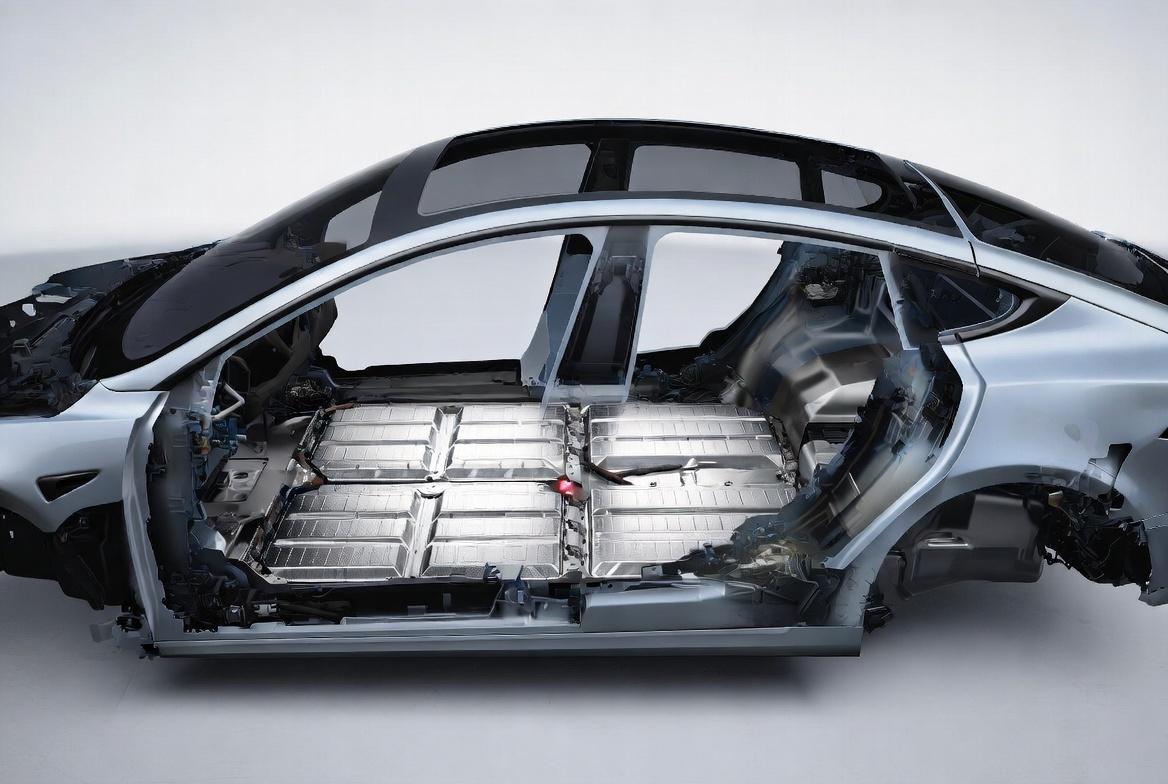
The implementation of the plan will affect automakers, suppliers and waste recycling companies at all stages of the vehicle life cycle. The new measures are expected to accelerate the introduction of recycled materials in the automotive industry, increasing the environmental sustainability of the industry and strengthening China's position as a global leader in the integration of circular economy technologies.
Read also materials:
- AvtoVAZ officially explained what kind of gasoline should be poured into Lada
- Moskvich Announces Prices for Moskvich 6 Sedan 2026 Model Year
- Tank Raised Prices for the Entire Model Range in Russia: Tank 500, 700 and 400 have Risen in Price