A ban on registration actions is often confused with the seizure of a car, but from a legal point of view, these are different measures. With such a restriction, the vehicle is not seized, it can be used, but the owner no longer has the right to dispose of it - sell, donate, re-register. In fact, the car is "tied" to the owner until the reason for the ban is eliminated.
Most often, such restrictions appear due to unfulfilled court decisions and outstanding debts. The basis may be enforcement proceedings initiated against the car owner, even if the debt did not arise directly from the car.
Why the ban may remain after payment
Even after full repayment of the debt, the restriction is not always removed automatically. In practice, car owners face a situation where obligations have been fulfilled, but the information in the database has not been updated, and the ban continues to apply.
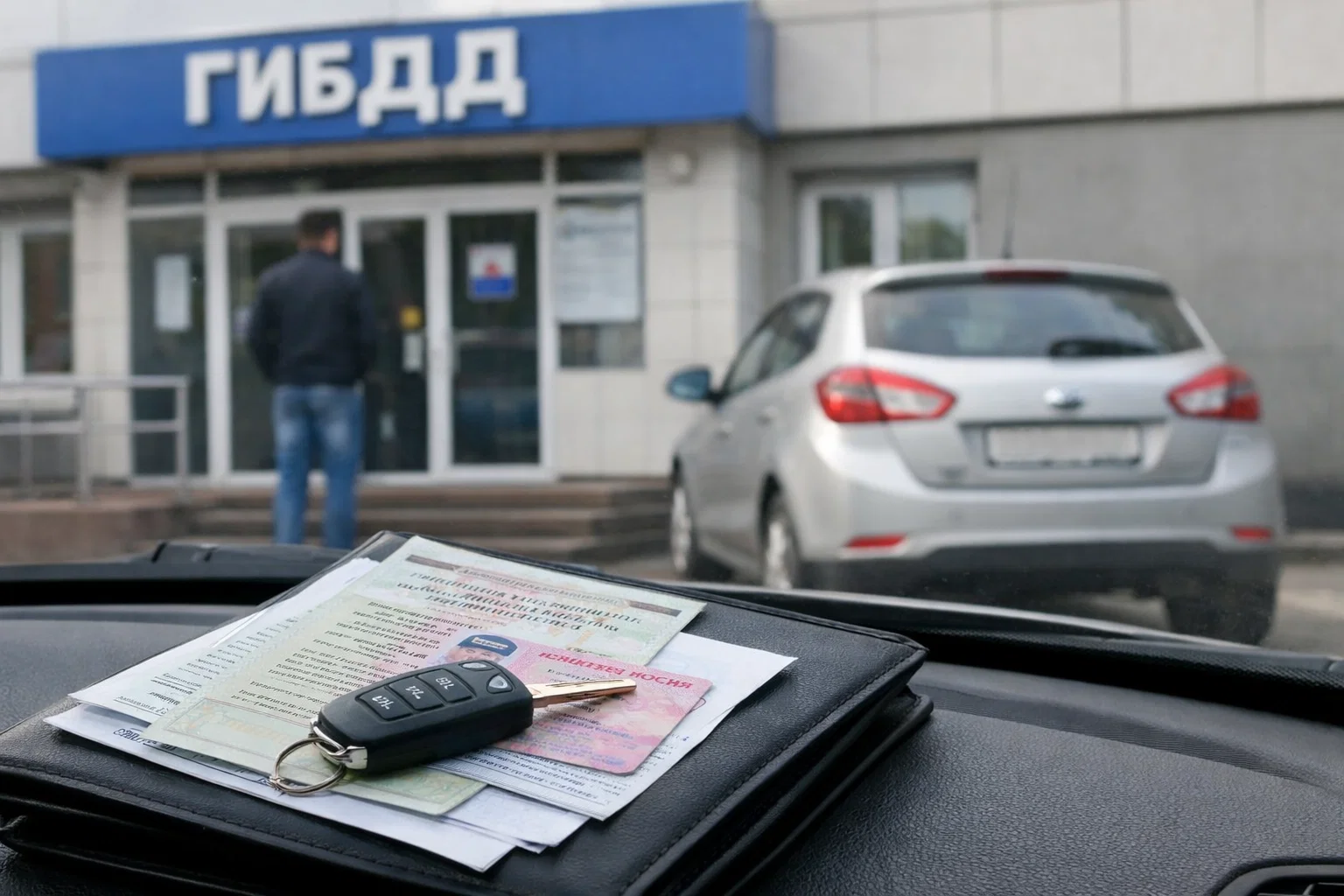
Relying only on verbal appeals is ineffective. Phone calls to the bailiff often go unanswered, and it can be difficult to get through to a specific executor. In such cases, the correct tactic is an official written appeal, documented.
How to act if the ban is imposed by the FSSP
If the restriction is imposed by a bailiff, you need to contact the Federal Bailiff Service. This can be done in several ways, and they are all equivalent from the point of view of the law:
- personal visit on a reception day with a written complaint or petition and documents confirming payment of the debt;
- sending a petition to terminate enforcement proceedings by mail with notification of delivery;
- submitting an appeal through the FSSP online reception;
- sending a request through the Gosuslugi portal.
Evidence of debt repayment must be attached to the appeal. Receipts, bank statements or payment orders are suitable as confirmation. The number of the enforcement proceedings must be indicated - without it, the verification may be delayed.
After studying the submitted documents, the bailiff is obliged to check the fact of payment and, in the absence of other grounds for restriction, issue a decree on lifting the ban on registration actions.
If the restriction is imposed by the court
Sometimes the ban is imposed not by a bailiff, but directly by the court as part of interim measures. In this case, the procedure changes.
To cancel such a restriction, it is necessary to apply to the court with a petition to cancel interim measures. It is considered in a court session with a mandatory summons of the parties. The procedure is carried out in accordance with Article 144 of the Civil Procedure Code of the Russian Federation, and only based on the results of the meeting, the court may decide to lift the ban.
Regulatory framework for bailiffs' actions
If the ban is imposed by the FSSP, the procedure for its removal is much simpler. The law does not require mandatory litigation: a personal reception with a bailiff or filing a written petition through the registry is sufficient. This procedure is directly provided for by Article 64.1 of the Federal Law "On Enforcement Proceedings".
The main thing is to confirm that the grounds for the restriction have been eliminated. After that, the ban must be lifted, and the information updated in the registration authorities.
Read more materials on the topic:
- State program "First car" in 2026
- Old junk cars can bring money - how to properly scrap a car
- How EPTC works and why it is needed
Comments