Translated with AI from the Russian original.
The air filter is considered one of the simplest and most affordable consumables, but its importance for the engine is often underestimated. All the air that enters the cylinders passes through it. Dust, sand, soot, and microparticles, in the absence of filtration, act as an abrasive and accelerate the wear of the piston group, valves, and cylinder walls. Therefore, the condition of the air filter directly affects not only fuel consumption but also the overall engine life.

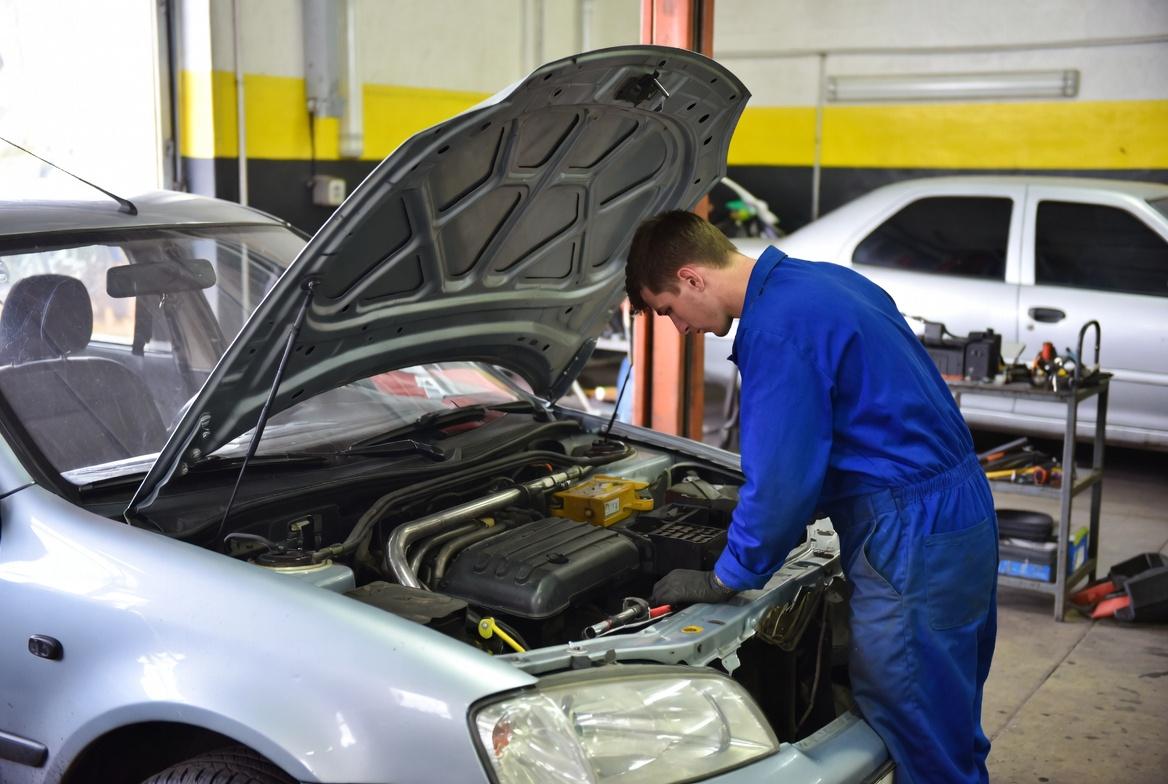
The air filter is located under the hood, usually in a plastic housing near the battery or headlight. In diesel cars, it is often moved closer to the fender or engine shield. In most cars, access to it is direct, without dismantling other components, which makes replacement one of the simplest maintenance operations.
The filter design is as simple as possible. Inside the housing is a filtering element made of corrugated paper or synthetic fiber, installed in a rigid frame. This frame ensures a tight fit and eliminates the intake of unfiltered air. In some models, especially diesel or sports cars, two-stage cleaning schemes are used, where a coarse mesh is used first, followed by a fine filtering layer.
Air filters come in flat rectangular, cylindrical, round with a central hole, and conical shapes. A separate category is zero-resistance filters. They are reusable and require regular washing and oiling. Despite their popularity in tuning, for ordinary road cars, such solutions usually do not provide a noticeable increase in power and are worse at handling fine urban dust.
The recommended replacement interval for most passenger cars is 10–15 thousand km. However, in real conditions, the filter gets dirty faster. In a city with heavy traffic and exhaust fumes, it is reasonable to change it every 8–10 thousand km. When operating in arid regions, on dirt roads, or construction sites, the interval is reduced to 5–7 thousand km. Paper filters are not subject to cleaning — blowing and vacuuming have a minimal effect and can damage the structure of the material.
The replacement procedure takes 5–10 minutes and does not require special tools. It is enough to open the hood, find the filter housing, unfasten the latches or unscrew the screws, remove the cover, and remove the old element. Before installing a new filter, it is worth wiping the housing from dust and debris. The new element is installed strictly in the same position, without distortions, after which the housing is tightly closed.
Operating a car with a heavily contaminated filter leads to an increase in intake resistance. The engine starts to run on an over-enriched mixture, fuel consumption increases, and the response to gas decreases. In the long term, this can negatively affect spark plugs, the lambda probe, and the catalytic converter. However, for serious consequences, the filter is usually ignored for years.
The air filter is an inexpensive part with a critically important function. Its timely replacement protects the engine from wear, maintains stable traction, and helps to avoid unnecessary repair costs. For most cars, the standard filter remains the best option with regular replacement according to operating conditions, and not according to the maximum regulation.
Read more materials:
- AvtoVAZ Officially Explains Which Gasoline to Use in Lada
- Moskvich Announces Prices for the Moskvich 6 Sedan of the 2026 Model Year
- Tank Raises Prices for the Entire Model Range in Russia: Tank 500, 700, and 400 Become More Expensive