Citizens of Russia are entitled to expect a free car from the state in situations where they have been injured at work and are undergoing rehabilitation, during which they objectively need a vehicle. This was stated in a comment to Gazeta.Ru by lawyer Ilya Rusyaev. According to him, in such cases, the Social Fund of Russia not only provides the car, but also covers the costs of routine maintenance and gasoline.
As the specialist explained, the most commonly used mechanism in practice operates at the federal level and is related to mandatory social insurance against industrial accidents and occupational diseases. It is established by Federal Law No. 125-FZ. In this case, we are not talking about a classic social benefit that depends on the status of a citizen, but about insurance coverage. If the damage to health is officially recognized as an insured event, the Social Fund of Russia is obliged to compensate for the additional expenses necessary for the rehabilitation of the victim.

The key role here is played not by the fact of disability itself, but by the individual rehabilitation program of the victim. This document is drawn up as part of a medical and social examination. It is in the program that it should be explicitly stated that a person needs a vehicle as a means of rehabilitation. If such wording is available, the Social Fund has a legal basis either to provide a car through procurement or to compensate for the costs of its independent purchase, subject to strict compliance with the established procedure.
If a person buys a car on their own, the documentary side of the issue becomes particularly important. It is necessary to keep a complete set of payment confirmations and documents for the vehicle. The Social Fund checks whether the purchased car meets the parameters specified in the rehabilitation program, as well as the requirements for targeted spending. According to the lawyer, it is on the discrepancies with these conditions that refusals to compensate and subsequent disputes are most often based.
In addition to the car itself, the current regulations provide for additional payments. According to the same rules, the Social Fund of Russia compensates for the costs of routine repairs and fuel and lubricants. As for major repairs, it is paid once for the entire service life of the vehicle. At the same time, for passenger cars, the minimum period of use is taken into account - at least seven years.
The lawyer also noted that there is another, rarer category of recipients who are entitled to a car at the expense of the state. We are talking about disabled people who were registered with social protection authorities before January 1, 2005.
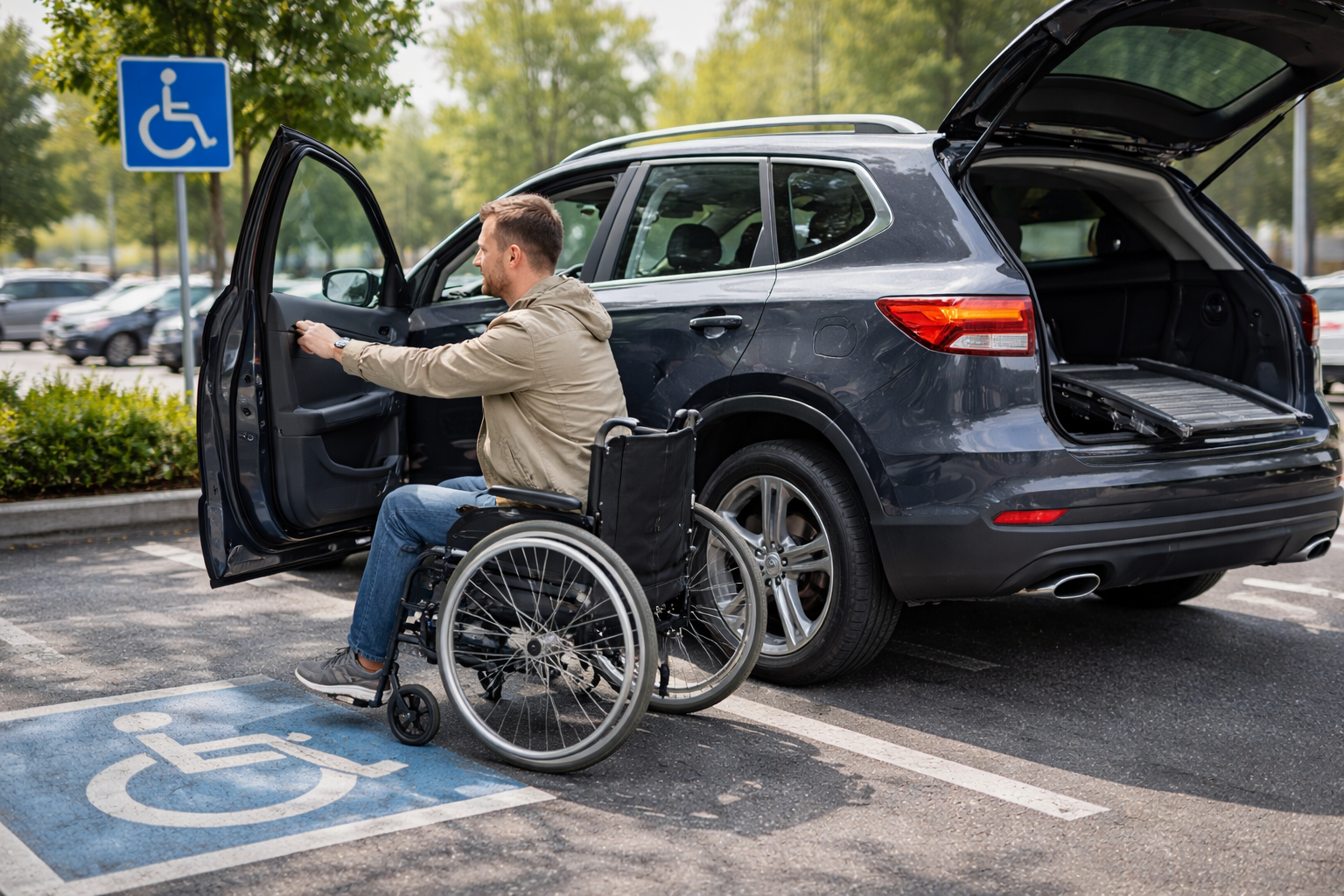
According to Rusyaev, this situation refers to the so-called "historical queue". The procedure for providing cars to such citizens is regulated by Government Decree of the Russian Federation No. 670 of September 12, 2008. The document applies to disabled people who, as of January 1, 2005, were already registered with social protection authorities to provide a vehicle for medical reasons. It is currently impossible to join such a queue: only the fact of registration on the specified date is legally significant.
Separately, the expert emphasized that it is important not to confuse different forms of state support. Thus, Federal Law No. 40-FZ on compulsory motor third-party liability insurance provides for compensation of 50% of the insurance premium to disabled people if they have a vehicle for medical reasons. In this case, the payment is also made by the Social Fund of Russia, but we are talking exclusively about reimbursement of part of the cost of the insurance policy, and not about the purchase of a car.
The possibility of obtaining additional support measures at the regional level is also not excluded, but it depends on the specific norms of the legislation of the constituent entity of the Russian Federation. Such measures are valid only if there is a direct indication in the regional law or decree and are checked against the text of the relevant regulatory legal act and the regulations for the provision of the service.
Read more materials on the topic:
- Is the holiday coming to us? What has changed for drivers since January 1, 2026
- Free parking did not save: how to return an evacuated car in the New Year
- Three thousand questions and rising prices: what to expect for driving school students in 2026
Комментарии