A damaged car is always stressful, whether it is a forced lock or a broken window. The first reaction is anger and a sense of injustice. But it is important to understand: not every entry into the passenger compartment is considered a crime. The law allows situations in which authorized services have the right to breach the integrity of a vehicle. Let us examine who exactly can do this, under what conditions, and on what grounds.
Police officers and the traffic police
Law enforcement agencies have one of the broadest lists of grounds for breaking into a car.

This is possible if:
- a person hiding in the car is being pursued;
- there is substantiated information that the vehicle contains weapons, narcotics, explosives, or other prohibited items (including on the basis of operational information or camera data);
- it is necessary to save a life immediately — for example, if a child or an unconscious person is inside the locked car;
- suspects in a crime are being detained;
- it is necessary to gain access to documents or registration plates when there is no other way to verify them.
At the same time, officers are required to identify themselves, explain the reason for their actions, make a video recording whenever possible, draw up an entry report indicating the time, grounds, and nature of the damage, and notify the owner if they were not present at the scene.
EMERCOM personnel
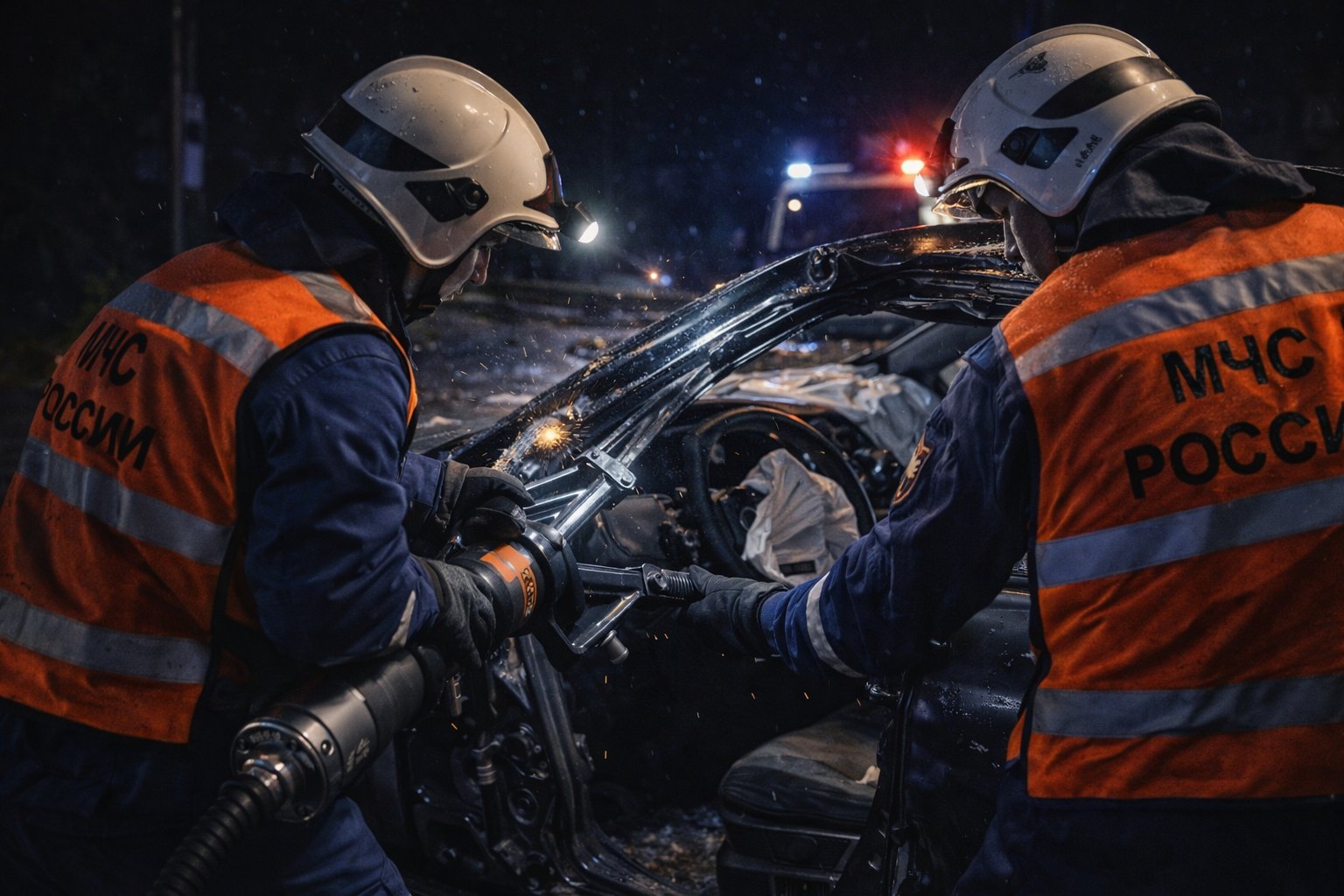
Rescue services act within the framework of emergency response.
A vehicle may be broken into:
- after a road accident, if victims must be extracted urgently;
- in the event of a vehicle fire or a threat of explosion, for example due to a fuel leak;
- if a person in serious condition is inside the cabin and no other means of access is possible.
In such cases, EMERCOM personnel are required to minimize damage, record the reasons for the forced entry, prepare the necessary documents, and pass the information to the owner and the police.
Court bailiffs
Bailiffs obtain the right to break into a vehicle exclusively within enforcement proceedings.
The grounds may include:
- seizure of the vehicle by court decision, for example in the presence of debts;
- confiscation of property located in the car, if this is provided for by a court ruling.
At the same time, bailiffs are required to present identification and enforcement documents, warn the owner whenever possible, draw up a forced-entry and inventory report, and also involve witnesses.
FSB and other special services
Special services operate under special legal regimes.
Breaking into a vehicle is permitted:
- during counterterrorism operations;
- when there is suspicion of transporting weapons, explosives, or narcotics;
- within operational-search activities on the basis of a court decision.
Such actions must be accompanied by proper documentation and the damage must be kept to a minimum.
Municipal and emergency utility services
Sometimes the reason for forced entry is a banal but critical situation on the road.
This is possible if:
- the vehicle blocks access for special equipment — fire trucks, ambulances, emergency services;
- the car is parked in violation and creates a hazard, for example near a building entrance, on a lawn, or in a space for disabled persons, and towing is required.
In such situations, the services must call the police, record the position of the vehicle, draw up a report, and notify the owner through the traffic police or the management company.
Tow services
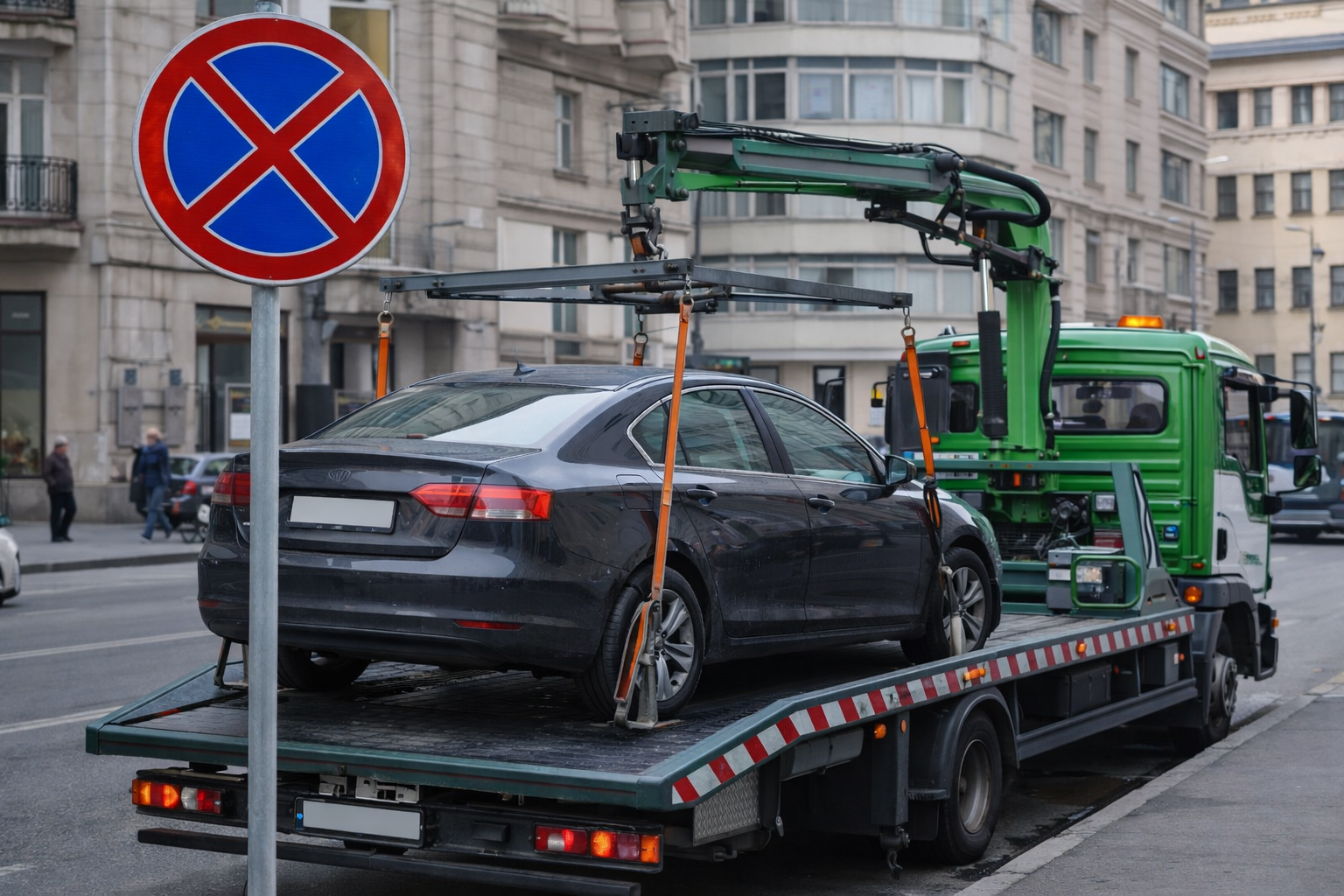
Tow trucks may break into a vehicle if:
- it is parked in violation of traffic rules and obstructs traffic;
- it has been abandoned on the roadway and creates a hazardous situation.
The procedure includes photo and video recording, drawing up a report with the participation of the traffic police, careful towing, and subsequent transfer of information to the owner.
What the owner should do if the car was broken into
First of all, do not immediately touch the damaged parts. It is necessary to record everything in photos or video, call the police, and obtain official documents — a report, statement, or ruling. If the damage is significant, it makes sense to contact an independent expert. If there are doubts about the legality of the actions, a complaint may be filed with the prosecutor’s office or the matter may be taken to court. Owners of comprehensive insurance policies should clarify the terms of insurance compensation. After that, it is recommended to restore or replace the locks and windows.
When forced entry is considered illegal
A violation of the law is entry:
- without emergency grounds or a court decision;
- without notifying the owner, if the situation did not require immediate action;
- with abuse of authority;
- without preparing the relevant documents.
Important nuances
The owner has the right to demand compensation for damages if the actions are found unlawful (Article 1069 of the Civil Code of the Russian Federation). A check “just in case” is unacceptable — the police need specific grounds. Tow services are obliged to reduce the risk of damage. Entry reports are kept for at least five years, and they can be requested. In the event of towing, the owner must receive information about the location where the vehicle is stored and the procedure for its return.
The law permits breaking into a vehicle only in exceptional cases: to save people, prevent crimes, eliminate threats, or enforce court decisions. The owner has the right to know the grounds for the entry, receive supporting documents, and demand compensation for damages if the procedure was violated. Knowledge of these rules is the best protection against arbitrariness and unnecessary stress.
Read more materials:
- The Aurus Merlon electric motorcycle was certified in Russia
- LADA Iskra once again entered the Top 10 best-selling cars
- Murommashzavod localized a key component for electric buses
Comments