The XXII Summer Olympic Games, which opened in Moscow on July 19, 1980, became one of the most large-scale and symbolic events in the history of the Soviet Union. Preparations for the competition affected virtually all spheres of city life, including transport. A unique vehicle fleet was created to serve athletes, judges, guests, and numerous services, with room for both mass-produced models and rare, specially developed vehicles.
The Moscow Olympics are associated not only with traffic restrictions and blocked streets, but also with the appearance on the capital's roads of cars that ordinary Soviet citizens saw extremely rarely in everyday life, or had never seen at all.
A German accent: the most notable foreign car
One of the official partners of the 1980 Olympics was Mercedes-Benz. The contract between the German automaker and the Soviet side was signed back in 1978. Immediately before the start of the Games, the company from Stuttgart transferred 15 cars to the USSR free of charge, while the remaining vehicles for the organizing committee were purchased for hard currency.
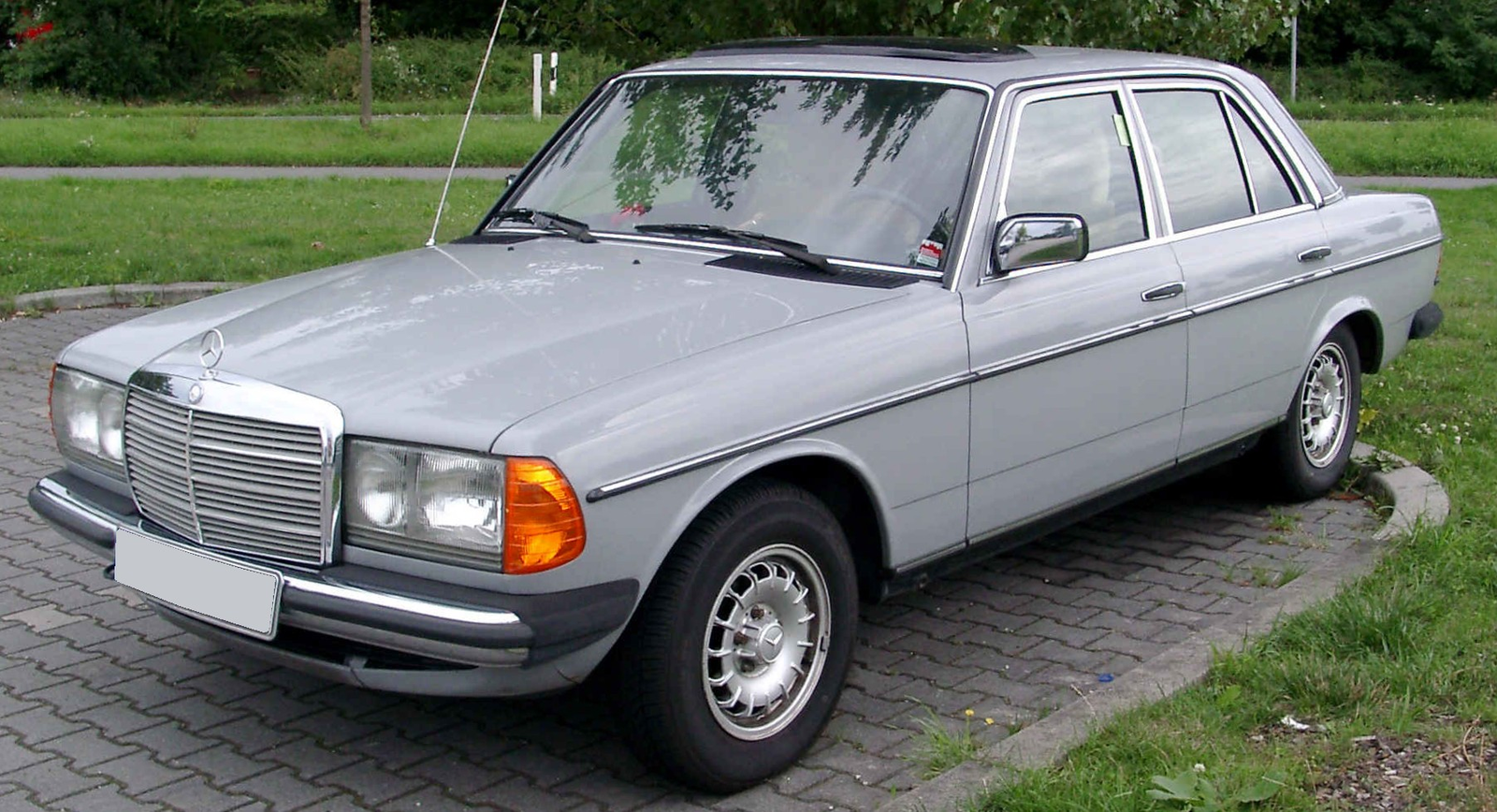
The most widespread Mercedes of the Olympics was the W123 sedan, including versions with an extended wheelbase. In total, about a thousand cars of this model were delivered for the competition, mainly with diesel engines. These vehicles were used as taxis for sports officials, police service transport, and honorary escorts. After the Games ended, a significant portion of the W123s went to the special-purpose garage or were transferred for use by high-ranking officials and cultural figures.
The Volga in the role of keeper of the flame
The domestic auto industry also played a notable role. Special GAZ-24s were used to accompany the Olympic flame. In total, a batch of eight sedans and two station wagons was prepared. The vehicles were equipped with flashing beacons, radio stations, and an upgraded cooling system with an enlarged radiator.
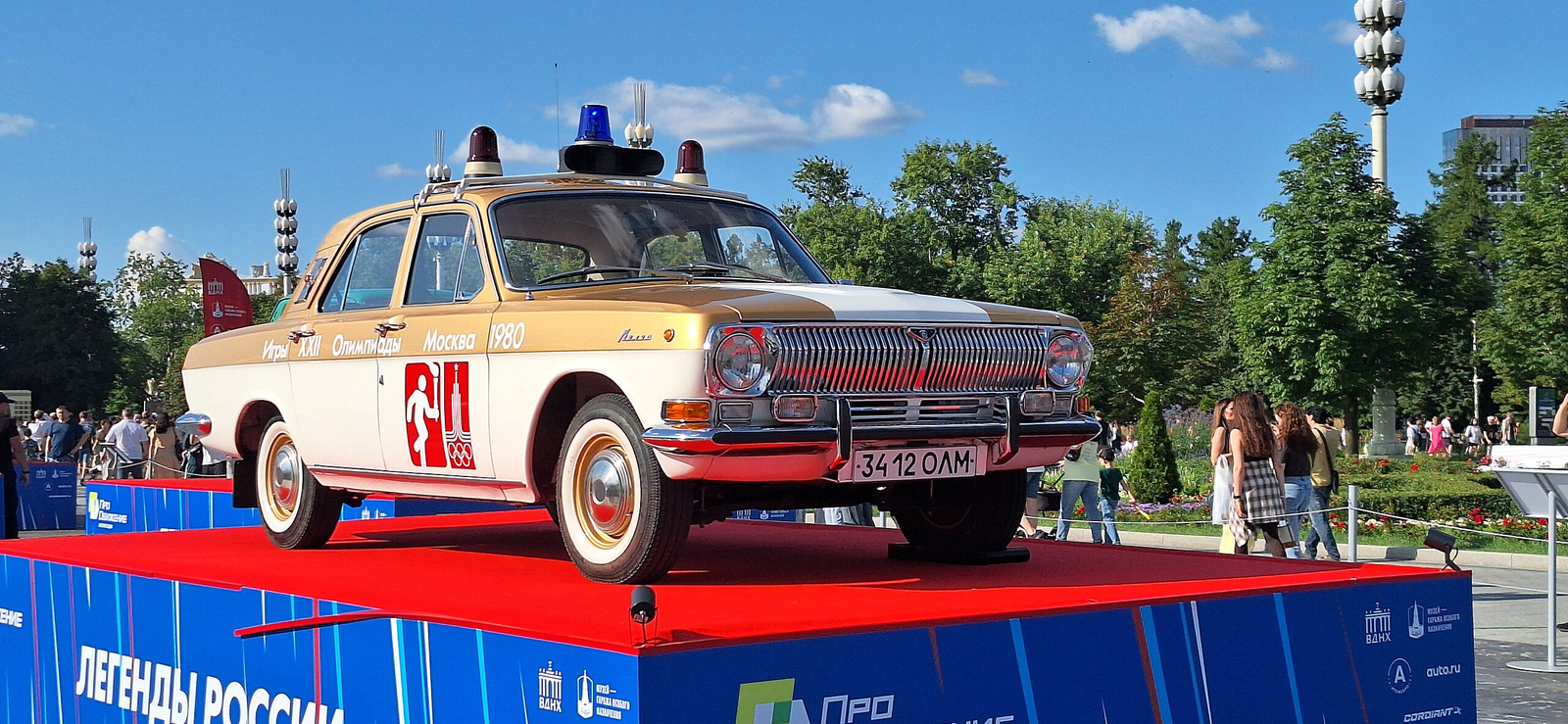
Special attention was paid to tuning the accelerator pedal: it was made less sensitive so that the car could move at low speeds alongside the running torchbearer. The technical setup remained standard: a 2.4-liter gasoline engine with 95 hp and a manual gearbox. It was on these automobiles that OLM-series license plates with four digits and three letters appeared for the first time, while the white-and-gold paint scheme emphasized their special status.
RAF — the main vehicle of the Olympics
The most numerous transport vehicle of the Games was the RAF-2203 minibus, produced by the Riga Bus Factory. The company prepared several modifications of this model specifically for the Olympics. In particular, five RAF-2907 vehicles were created for the Olympic torch relay, converted to carry spare torches and gas cylinders.
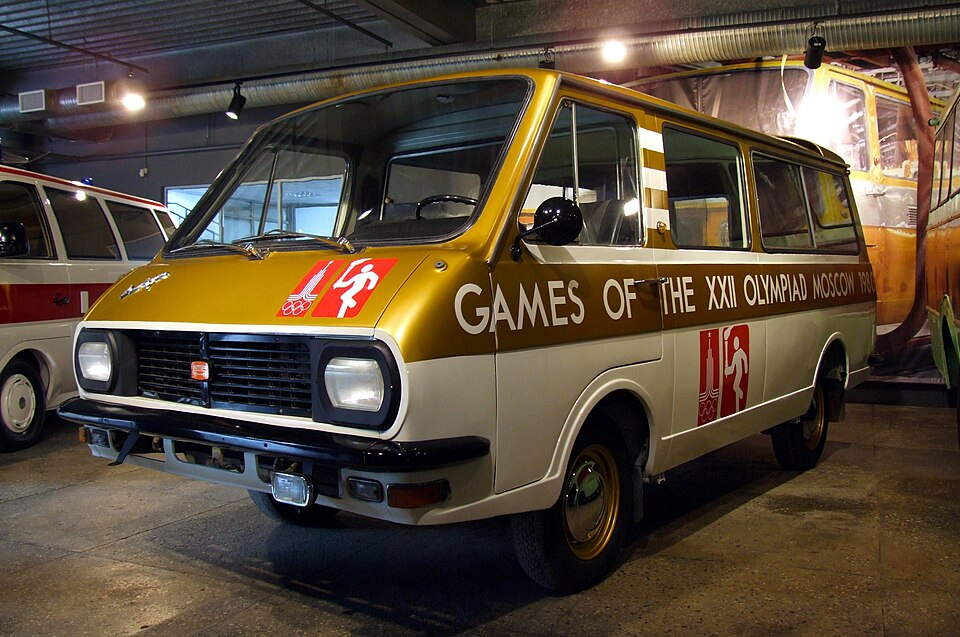
The interiors of these vehicles received a ventilation system, a sofa for rest, a table, and even a refrigerator. They differed from standard RAF vans not only in equipment, but also in their distinctive white-and-gold paint scheme.
Pickups and trailers for sports
For technical support of cycling races, the RAF-2909 modification was developed, effectively a pickup truck. Its cargo platform was used to transport bicycle wheels, tools, and spare bicycles, which were secured with special retaining devices. The vehicle also received a protective canopy.
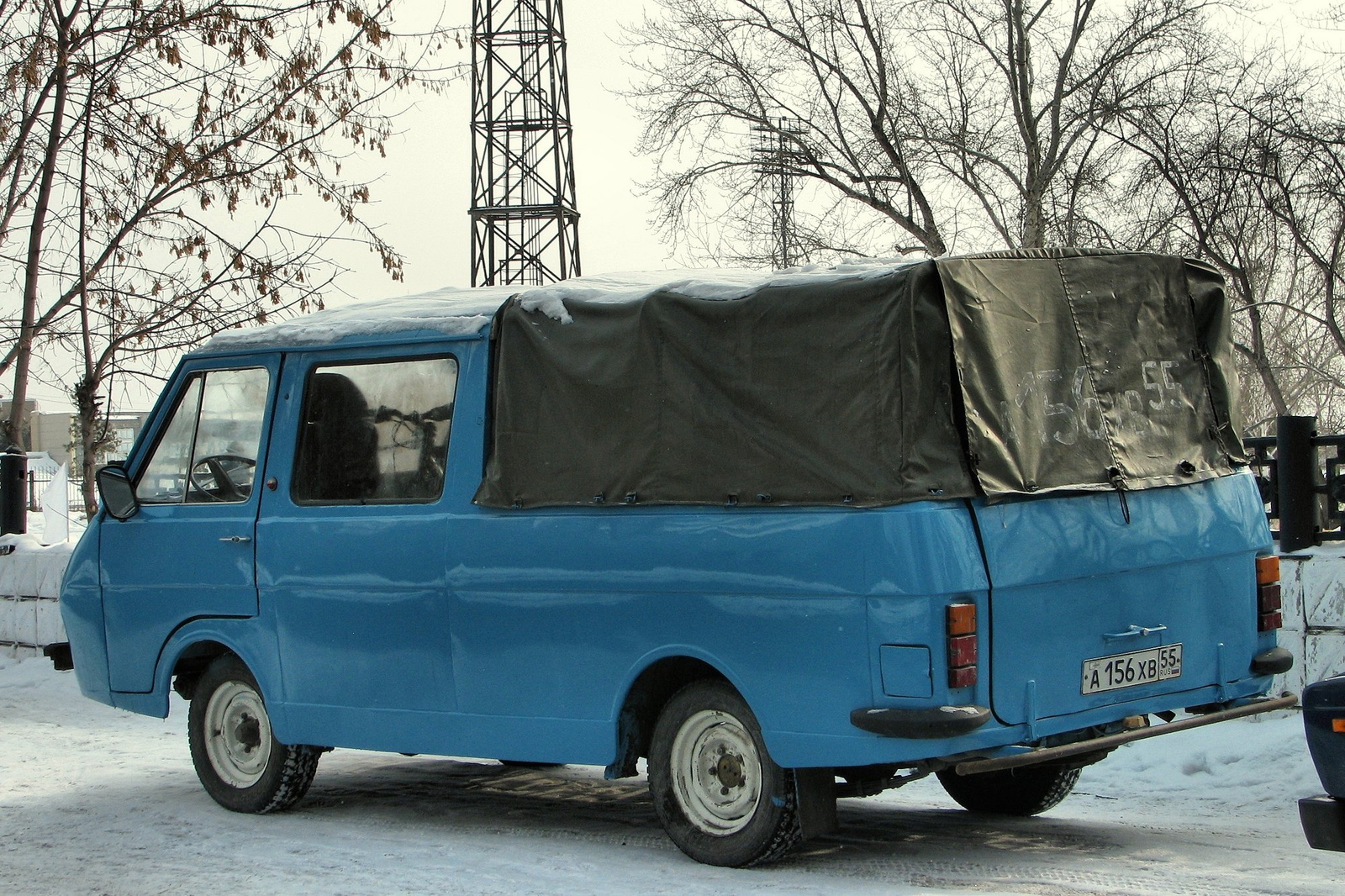
Another version of the RAF-2203, equipped with a specialized trailer, was used to transport rowing shells and kayaks.
Road trains of the Olympic Village
RAF-3407-9225-9226 passenger road trains operated on the territory of the Olympic Village. Each consisted of a tractor unit and two trailers with plastic seats, designed to carry up to 20 people. The driver had a loudspeaker system for announcing stops. There were ten such road trains in total, and after the Olympics ended, some of them continued operating at VDNKh.
Electric vehicles for judges
To service race walking and marathon events, the RAF-2910 electric vehicle was created at the Riga factory. It could travel up to 100 kilometers without recharging and reached speeds of up to 50 km/h. The batteries were placed in the rear of the body and, when necessary, were replaced by a forklift — no stationary charging stations were provided.
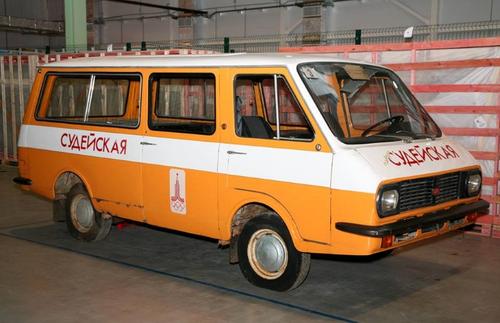
The electric bus featured entry doors on both sides, swivel seats, tables, and an autonomous power supply for judging equipment. In addition, the RAF-291 model was used, with a display board mounted on its roof to show competition results.
The main buses of the Olympics
The main bus for transporting athletes was the LAZ-699R, produced in Lviv. The model, launched into series production in 1979, was considered one of the most modern and comfortable. The bus, painted green and white, accommodated 41 passengers and was equipped with a 175 hp engine paired with a five-speed manual gearbox. These vehicles carried not only Olympians, but also spectators and guests of the capital.
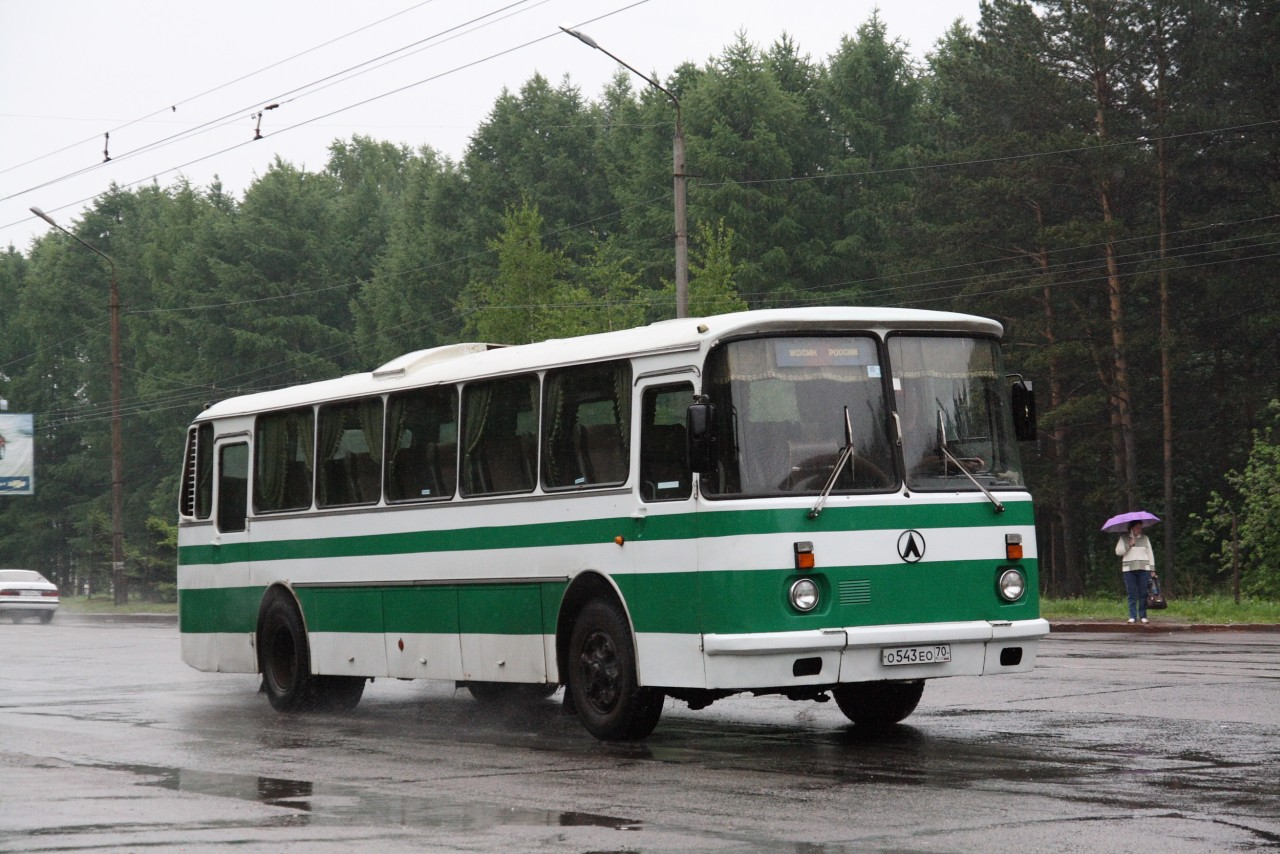
Another LAZ model — the 5255 — was used as a mobile press center. For journalists, the interior was equipped with swivel seats, tables, and televisions.
ZIL for equestrian sports
One of the most unusual vehicles of the Olympics was the ZIL-133G1 van intended for transporting horses. The vehicle was an elongated version of the three-axle ZIL-133 truck and was developed by the design bureau of the Shumerlya plant in Chuvashia.
Comparable in size to a bus, the vehicle could transport up to six horses. It was equipped with pull-out ramps, a hay storage compartment above the cab, as well as sleeping places for the groom, veterinarian, and trainer. Under the hood was a 150 hp engine providing a top speed of up to 80 km/h.
ErAZ and PAZ: food service and television
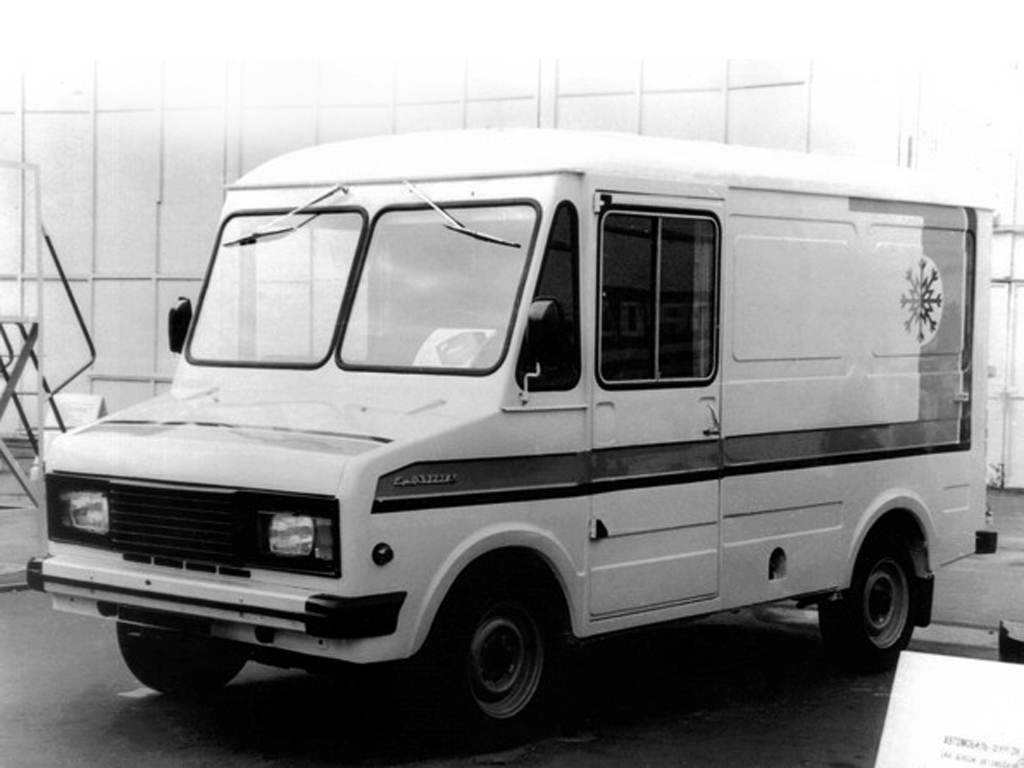
ErAZ-37302 refrigerated vans were used to deliver food and beverages to Olympic venues. A total of 10 such vehicles were assembled in Yerevan. They had a body-on-frame design, a 95 hp engine, and a four-speed gearbox. The subsequent fate of these vehicles is not known for certain; according to one version, they later worked supplying central Moscow stores. ErAZ itself was declared bankrupt in 2002.
Television coverage of the competition was carried out, among other means, with the help of PAZ-3916 buses. Inside were video cameras, tape recorders, director's control consoles, monitors, and sound recording equipment. Special attention was paid to sound insulation. The driver's cab was completely separated from the working space, and more than 20 such mobile television stations were used at the Olympics.
Read more materials:
- A personal automobile in the USSR: rarity and ordeal
- Right-hand drive, Soviet-style: unusual GAZ-24 Volgas
- Why the unusual “truck in reverse” MAZ-520V did not survive
Comments