The history of Korean automakers entering the Russian market clearly shows how the perception of brands transforms over time. The example of Hyundai and Kia shows that customer attitudes can change dramatically in just a few years — provided there is a consistent strategy and compliance with audience expectations.
Period of Skepticism: "Temporary Solution"
In the early 2010s, when the Hyundai Solaris appeared on the market, the reaction was largely predictable. Similar formulations were heard in professional and consumer circles: "a Korean car is a temporary option," "it is better to choose a Japanese or European car," "this is a car to replace something more prestigious."
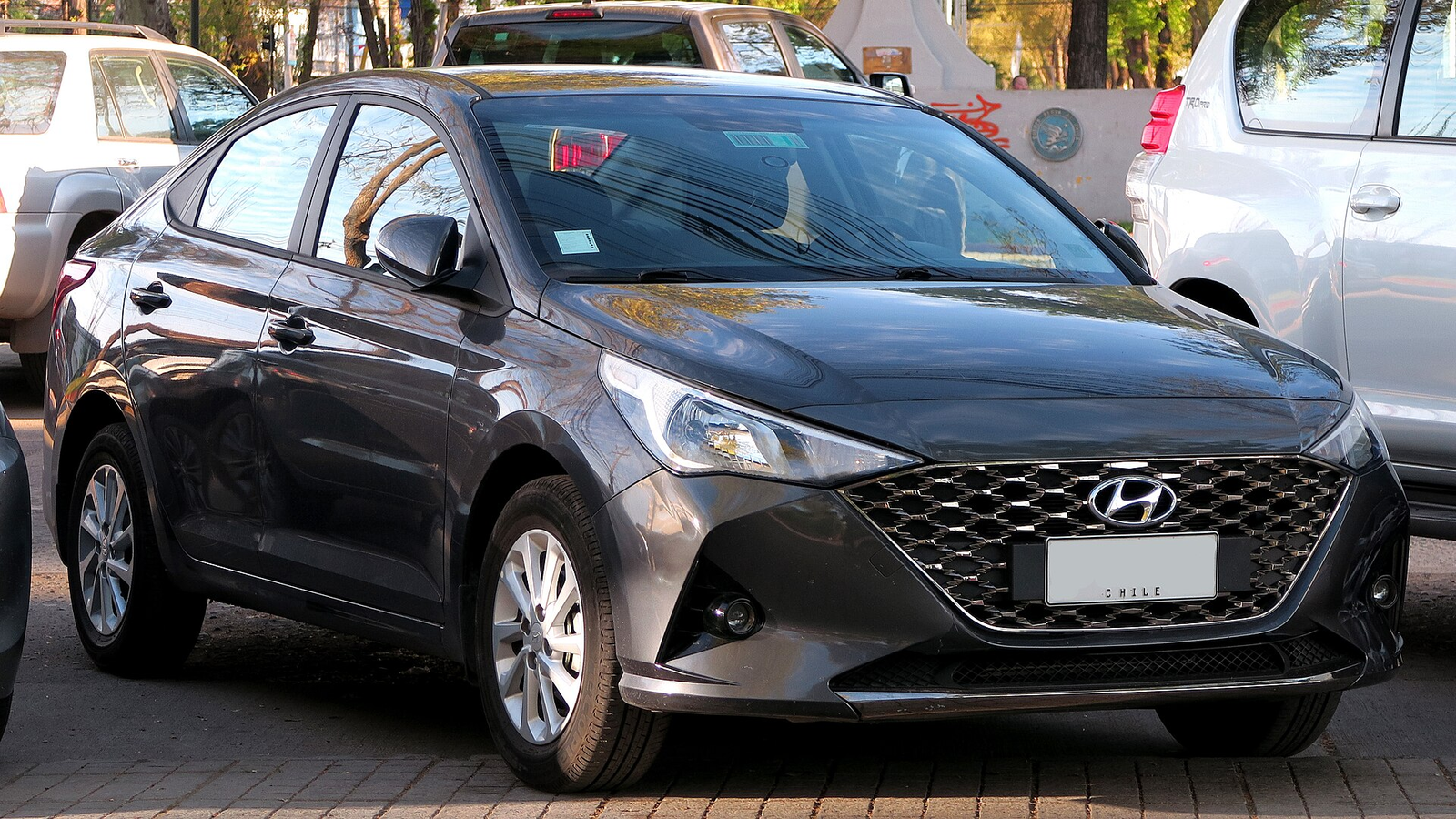
This attitude existed not only among customers, but also within dealer structures. Korean brands were perceived more as a budget alternative to recognized players, rather than as an independent and conscious choice. Moreover, the market was saturated at that time: Ford and Opel were actively operating, and Japanese and European brands held strong positions. Competition was not only for price, but also for status.
What Changed the Balance of Power
The turning point occurred gradually, without sudden jumps. Korean companies implemented several consistent steps.
Localization of production. Launching assembly in Russia made it possible to reduce dependence on exchange rate fluctuations and maintain competitive prices. This was of fundamental importance for the mass segment.
Clear "price/equipment" strategy. The buyer received a modern car with a well-thought-out set of options for money that seemed justified compared to competitors. The cars were not perceived as "empty" — they offered what the mass client expected.
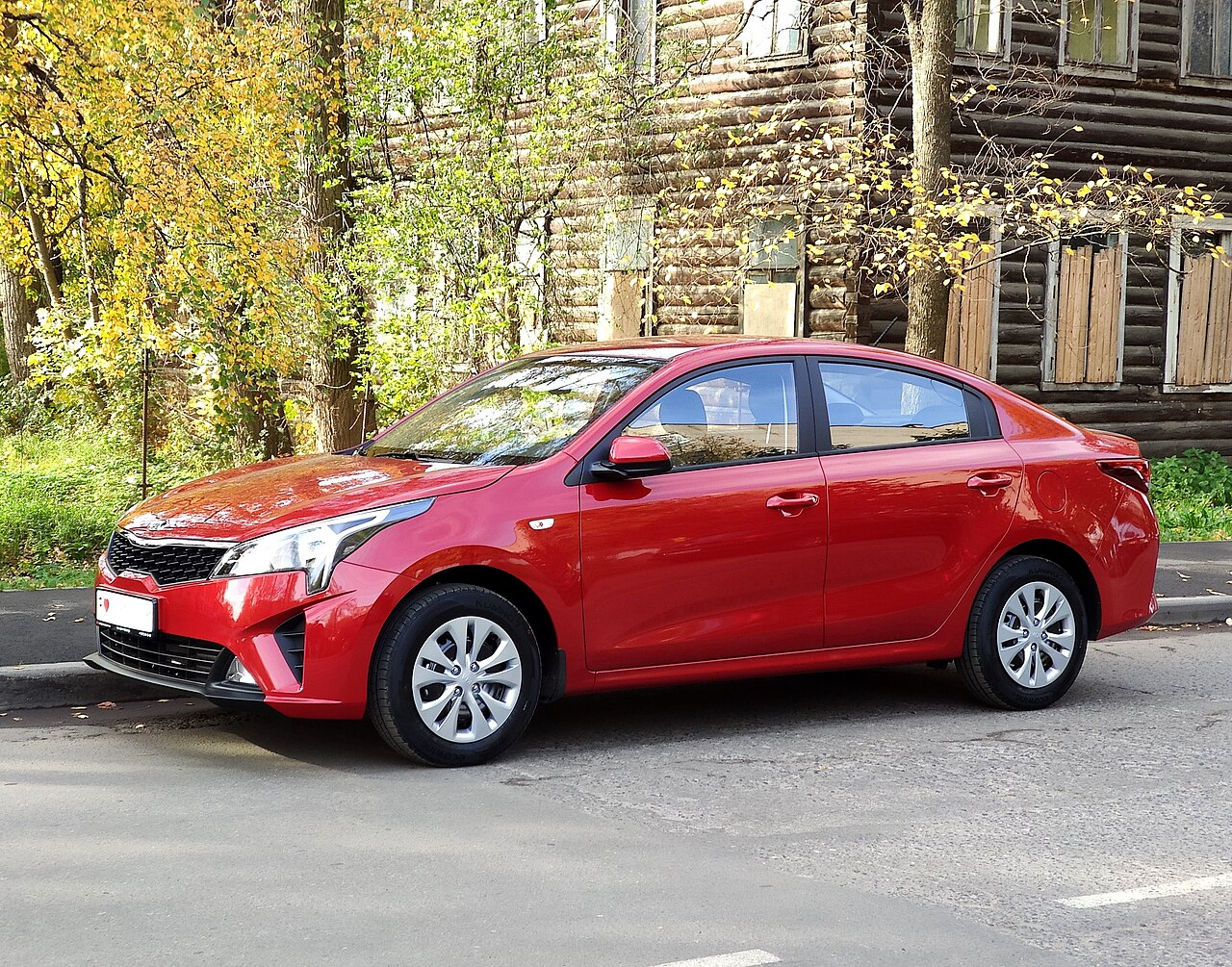
Adaptation to Russian conditions. Gradually, cars were modified taking into account the climate, road specifics and operational features. At the same time, the service network was expanded, which reduced the barrier of distrust.
In about five years, the attitude changed noticeably. Korean models ceased to be associated with compromise and began to be perceived as a rational choice. By the middle of the decade, they were consistently among the sales leaders.
It is important to emphasize that this happened not because of a sudden change in mood, but because the product and strategy gradually coincided with market expectations.
Why a Similar Scenario is Repeating Now
Today, similar discussions are unfolding around Chinese cars. Skepticism, questions about quality, comparison with familiar brands — all this was already heard 10–15 years ago in relation to Korean brands.
Meanwhile, the market is again in a phase of transformation. Manufacturers who stay and invest in development go through familiar stages:
- expanding model lines
- localizing production
- adapting cars to local conditions
- forming a base of real operational experience
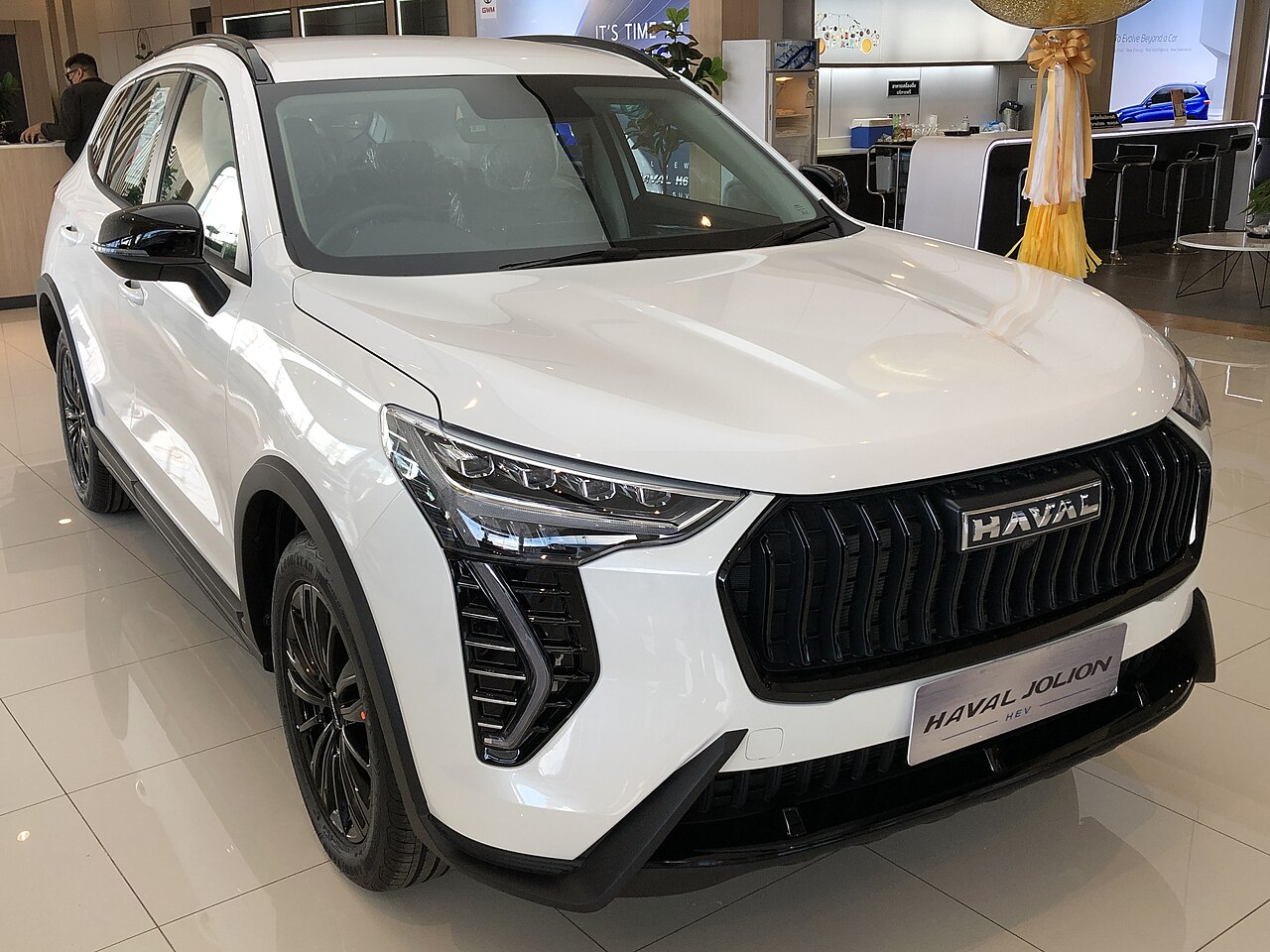
It is the latter factor that turns out to be decisive. When cars are operated for several years without serious complaints, public opinion begins to change faster than any advertising campaign.
Why Changes Always Take Time
The automotive market is inherently inertial. Trust is formed over the years, and new players almost inevitably face wariness. The first generation of models is most often perceived as an experiment.
However, as mass ownership experience accumulates, the attitude is adjusted. This happened with Korean brands in Russia, and earlier the perception of Japanese cars in European markets changed. The scenario repeats itself: doubt — cautious interest — mass acceptance.
The history of Korean brands demonstrates a simple pattern: reputation is built not through advertising statements, but thanks to time and real user experience. New brands first raise questions, then become an alternative, and later become a full-fledged part of the market.
Read more materials:
- Volkswagen SP2 — Brazilian challenge to rational Germans
- GR Supra: a beautiful ending or a pause?
- Stellantis quietly revised its bet on electric vehicles