In spring 2026, the last fifth-generation Toyota Supra coupe will roll off the assembly line, bringing another chapter to a close in the history of one of Japan's most recognizable sports cars. The model is going on pause once again, but it is doing so loudly: with a limited series and the status of a car that managed to preserve its character in the era of crossovers and hybrids.
A journey spanning nearly half a century
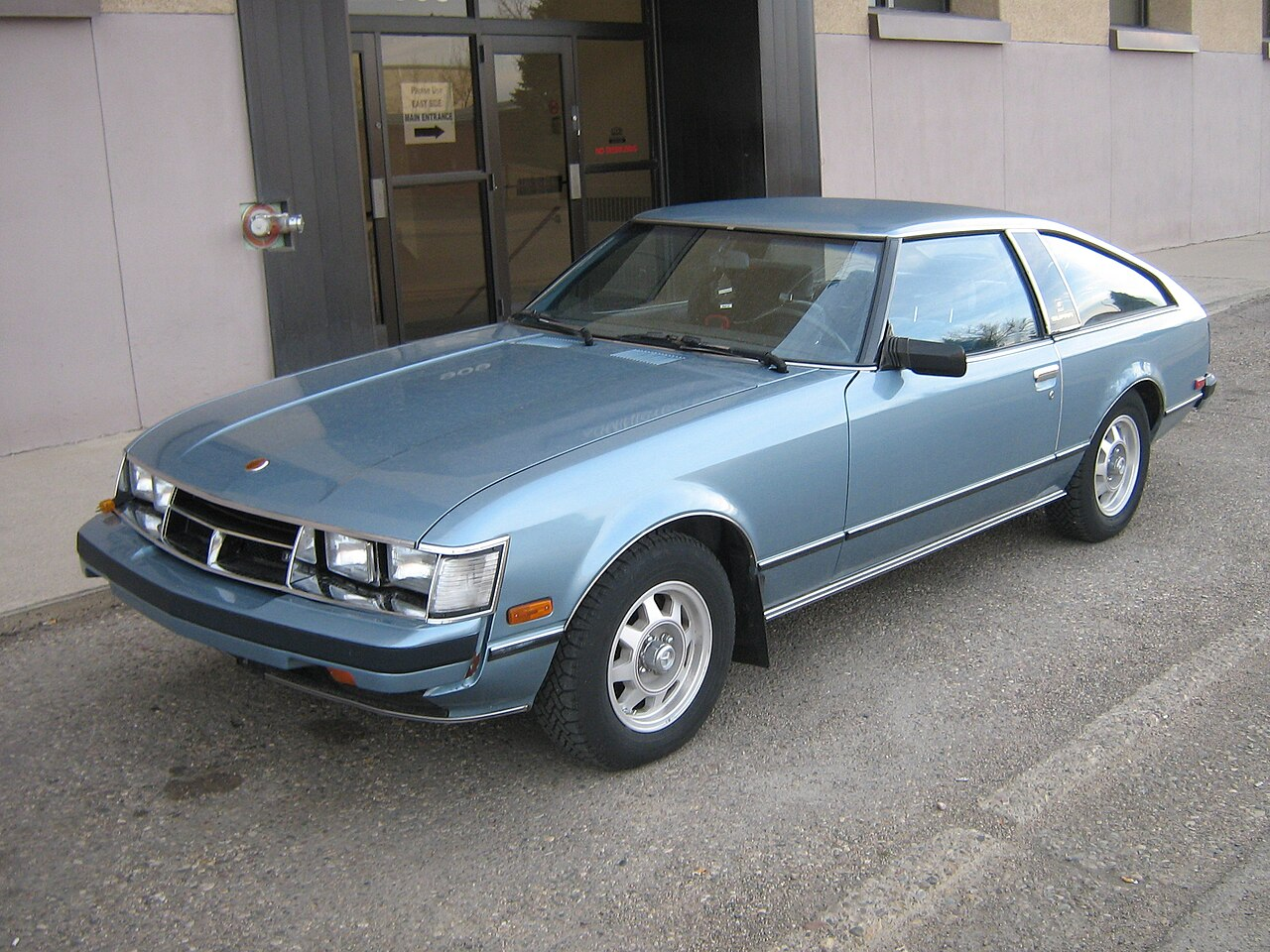
The history of the Toyota Supra began in 1978 as an offshoot of the Celica. By the mid-1980s, the Supra had already developed its own philosophy: rear-wheel drive, an inline-six, and a balance between everyday usability and sporty dynamics.
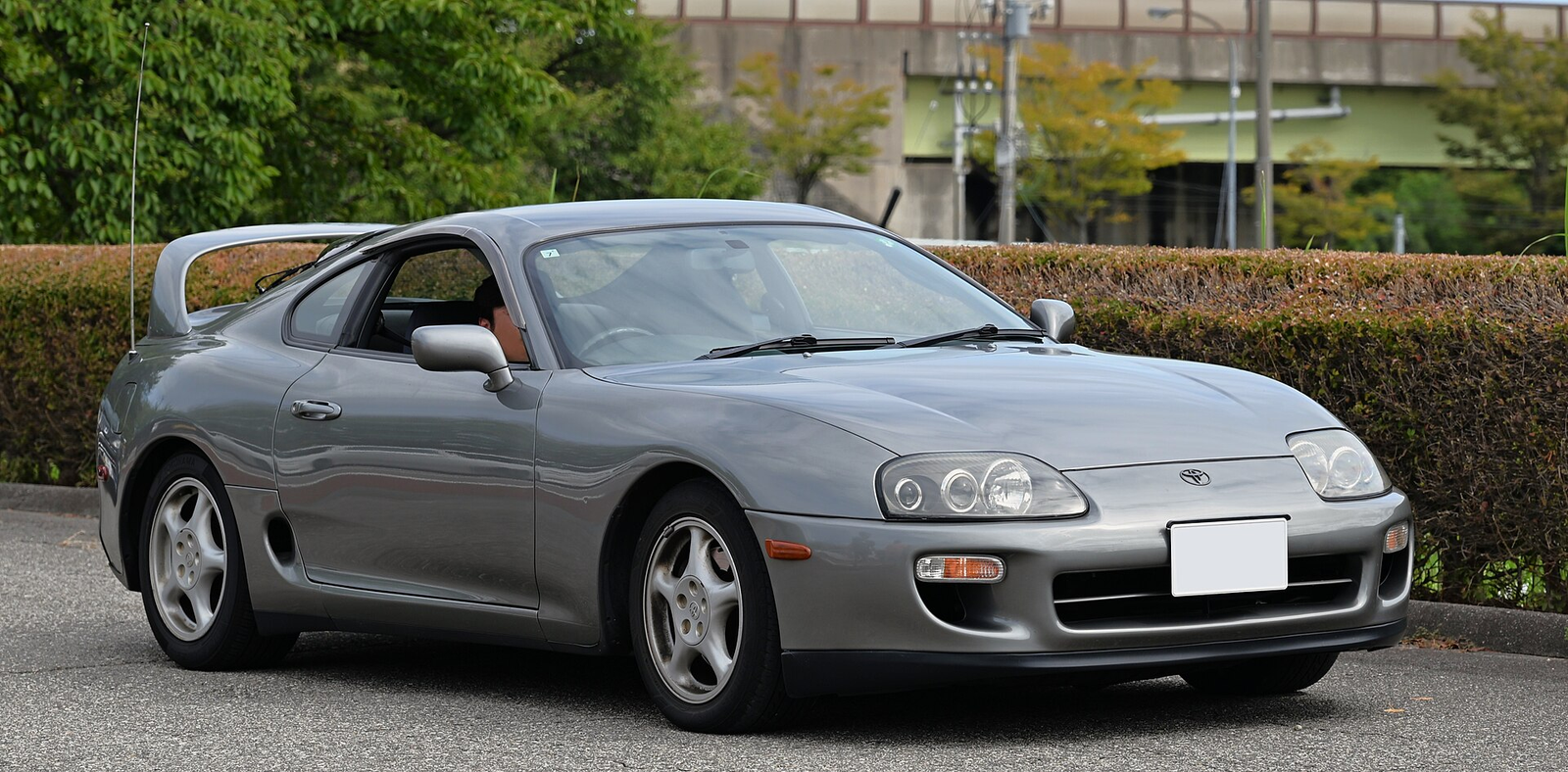
Its cult status was cemented by the fourth generation — the Toyota Supra A80, which debuted in 1993. The turbocharged 2JZ-GTE engine became a symbol of reliability and enormous tuning potential. The car established itself in motorsport, drifting, and pop culture — from films to video games.
However, by the early 2000s, the market had shifted toward more practical and profitable segments. In 2002, Supra production was discontinued: sports coupes gave way to sedans and crossovers, and sales volumes no longer justified the costs.
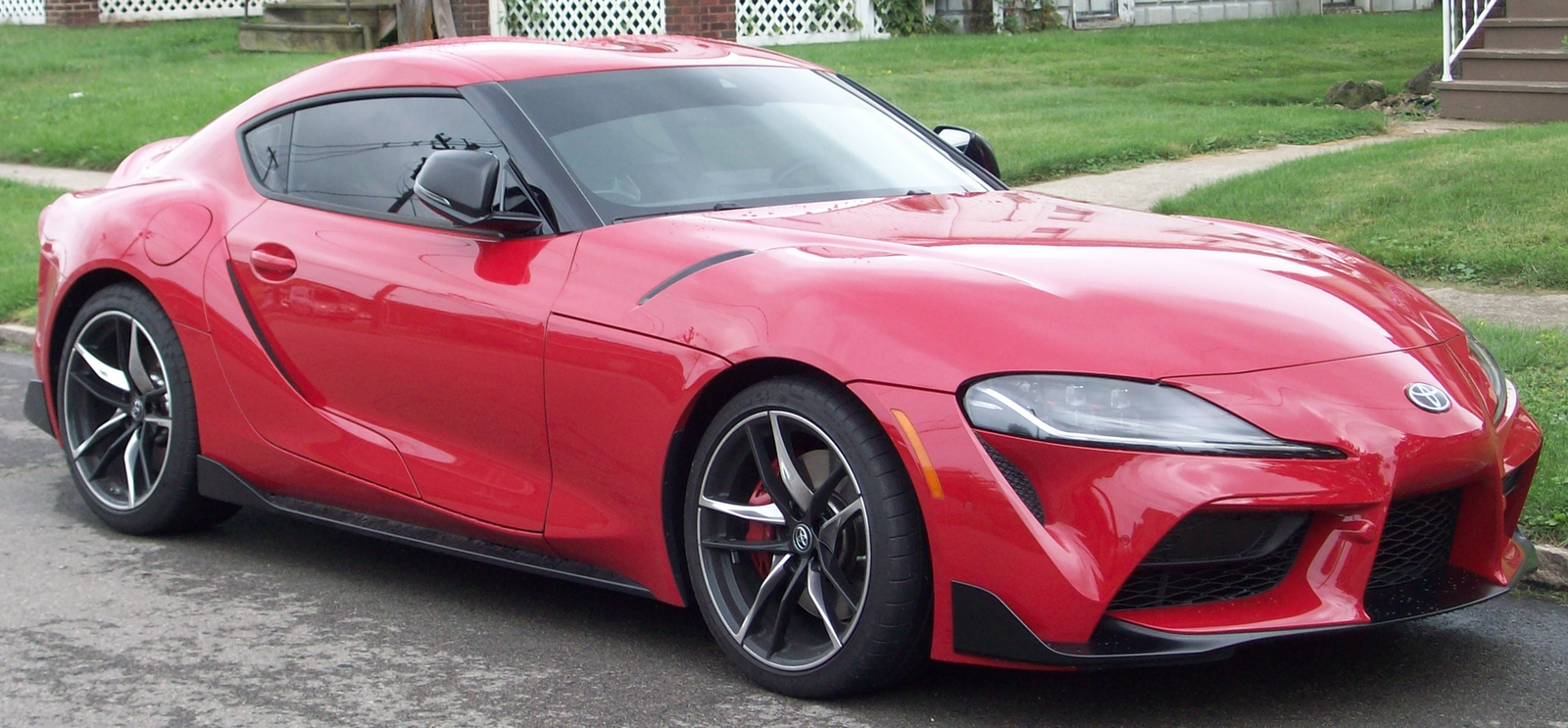
The comeback came in 2019 — under the name Toyota GR Supra. The fifth generation was created in cooperation with BMW, receiving a shared platform with the Z4 roadster, modern turbo engines, and electronic systems. At the same time, the key traits — rear-wheel drive and a driver-focused character — remained unchanged.
Final version: maximum focus
The farewell series is limited to 300 units. This is not just a "commemorative" modification, but the most finely honed version of the fifth generation.
The car received revised aerodynamics: a ventilated hood, an enlarged front splitter, and a carbon rear spoiler. An upgraded Brembo braking system with larger front discs, additional body rigidity, and a retuned chassis make the coupe's behavior more precise and composed.
Under the hood is a 3.0-liter turbocharged inline six-cylinder engine producing 382 hp. Both a manual transmission and an automatic are available. Formally, the "automatic" is quicker in the sprint to 100 km/h (just over four seconds), but it is the manual that has become the enthusiasts' choice.
Thanks to precise steering calibration and a classic rear-wheel-drive layout, the car truly comes alive on the track. Where balance and control matter, the Supra demonstrates what once made people fall in love with it: lively throttle response and honest feedback.
Equipment and price
The base price exceeds $70,000. Standard equipment includes 19-inch forged wheels, an active rear diffuser, a sport exhaust system, and adaptive LED lighting.
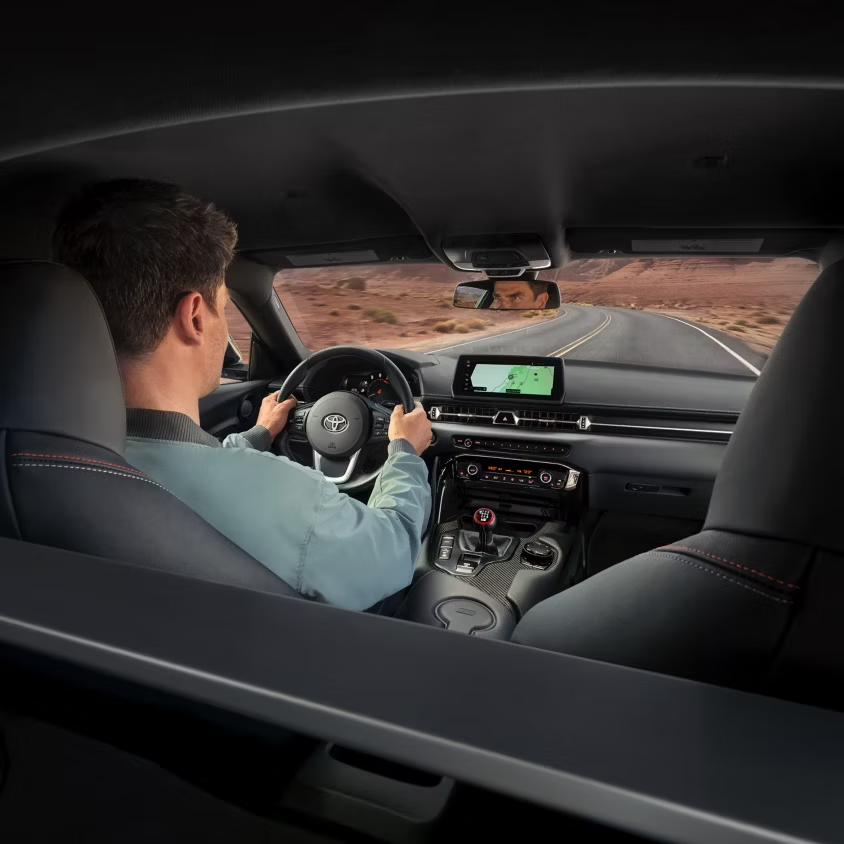
The cabin is equipped with a multimedia system featuring an 8.8-inch screen, navigation, wireless Apple CarPlay and Android Auto, a JBL audio system, and a wireless charging pad. Collision prevention, lane-keeping, and road sign recognition systems are included. Adaptive cruise control, blind-spot monitoring, and parking assistants are available at extra cost.
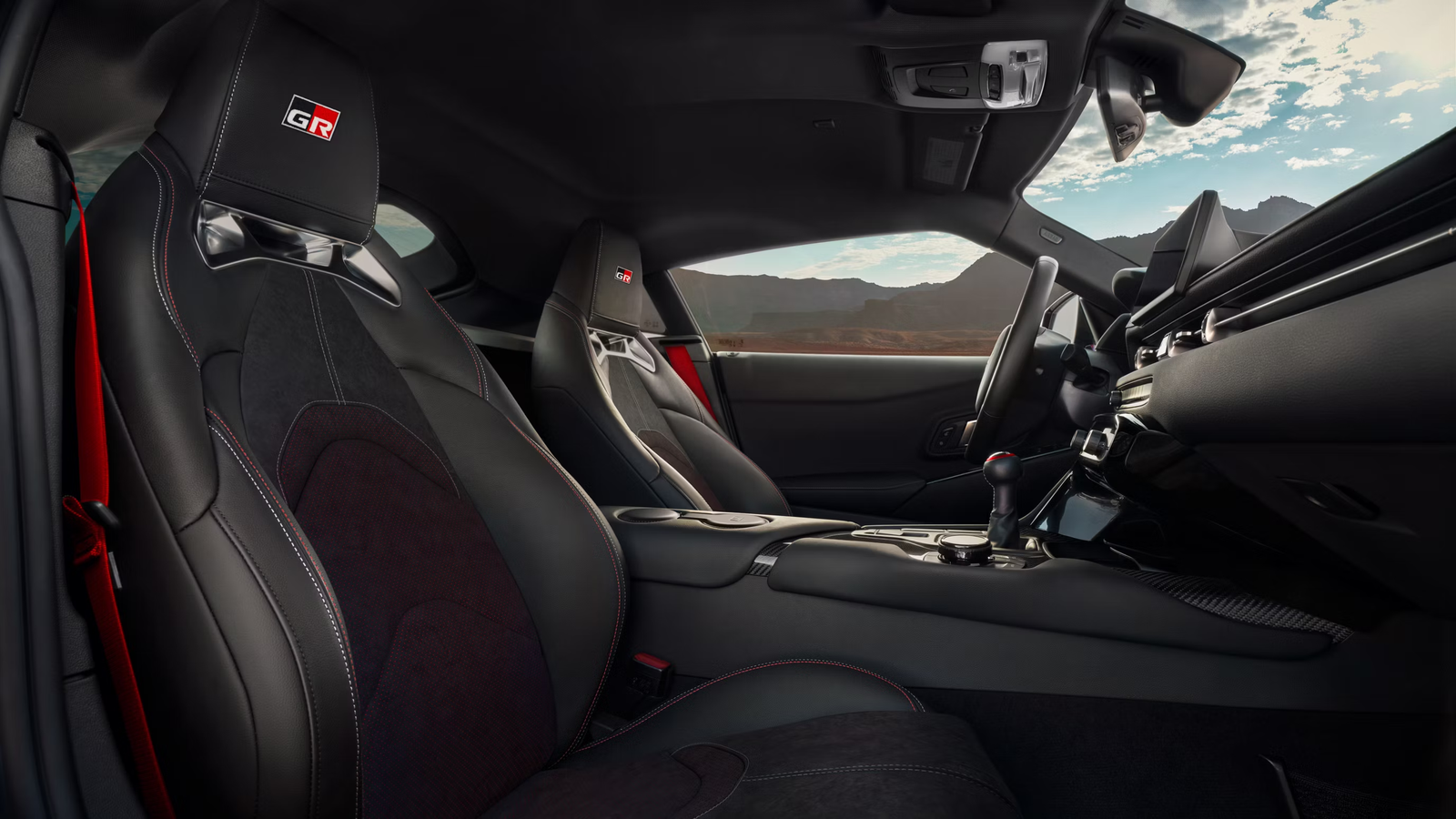
At the same time, the interior remains more functional than premium. Compared with its technical "relative" from BMW, the trim is simpler and the front-panel architecture is more restrained. However, this compromise made it possible to keep the model within reasonable boundaries for the segment.
Compromises and character
The Supra remains a strictly two-seat coupe. Cabin space is limited, and rear visibility is modest. This is not a universal car and not a family vehicle. Its element is handling and driving excitement.
Criticism of the fifth generation has been heard since its debut: cooperation with BMW, Austrian assembly, and "German" components. But it was precisely this cooperation that made it possible to preserve the rear-wheel-drive architecture and bring a niche model to market in the harsh conditions of economic reality.
A pause, but not the finale
The discontinuation in 2026 effectively completes the cycle of the fifth generation. A likely successor may appear closer to 2030. For now, the Supra is becoming a rarity once again.
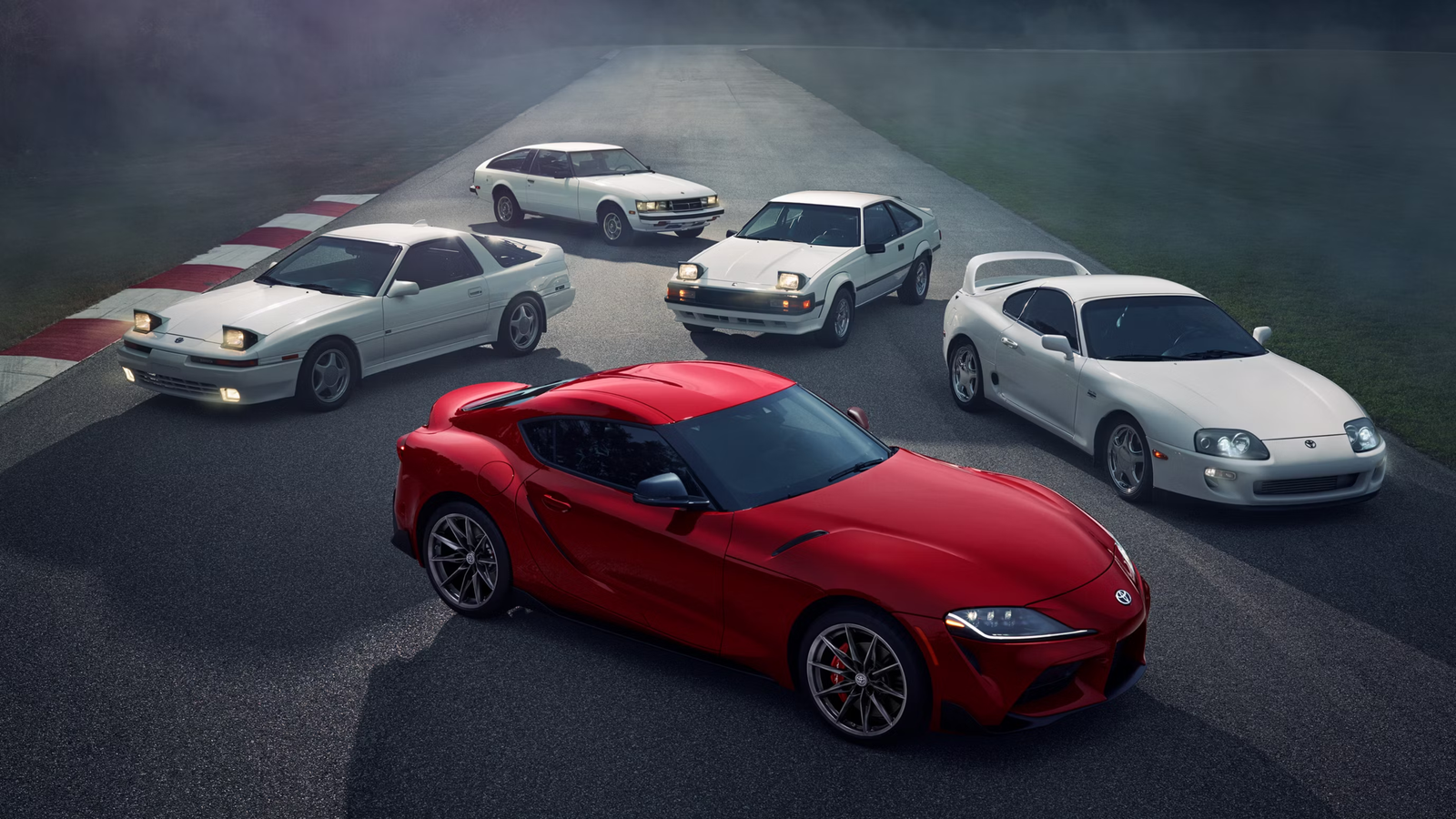
On the secondary market, listings are gradually shrinking. Given the limited final series, it can be assumed that such cars will gain collector value in the future — especially against the backdrop of global electrification.
Today, the Supra leaves the stage the same way it arrived: vividly and emotionally. And if the model's history teaches anything, it is that for it, a pause is not a full stop, but a comma.
Read more materials:
- Engines that became owners' headaches
- Steering without mechanics: evolution or risk
- Toyota Land Cruiser topped the "indestructibility" ranking