When the conversation turns to the Lexus LFA, the first thing that comes to mind is its naturally aspirated V10, created with the participation of Yamaha, as well as its reputation as one of the most technologically advanced supercars of its time. However, there is a detail that receives significantly less attention — the wheels. And in this case, it's not about the appearance, but about the fundamental engineering philosophy of the car.
Not a Style Element, but a Part of the Design
When developing the LFA, Lexus engineers adhered to the principle of total refinement. The car was created almost "from scratch," and the wheels were no exception to this approach.

The wheels were developed in collaboration with BBS — one of the leading manufacturers of forged wheels. It is important to emphasize that this was not about selecting a suitable solution from existing ones, but about creating a component originally designed for a specific model.
This approach meant:
- full integration of the wheels into the car's design
- consideration of loads, weight distribution, and dynamics at the design stage
- absence of compromises characteristic of universal solutions
Why Forging?
Compared to traditional cast wheels, forged wheels have a number of key advantages, especially critical for a supercar:
- lower weight
- higher strength with comparable dimensions
- better resistance to loads
Weight reduction directly affects unsprung elements. And this, in turn, affects the behavior of the car:
- improved handling
- accelerated response to driver actions
- increased stability at high speeds
For the LFA, such characteristics were not an additional bonus, but a necessary condition.
Nürburgring Version: Transition to Magnesium
Even the base version of the LFA was equipped with lightweight forged wheels, but in the Nürburgring version, engineers took the next step by using magnesium solutions from BBS.
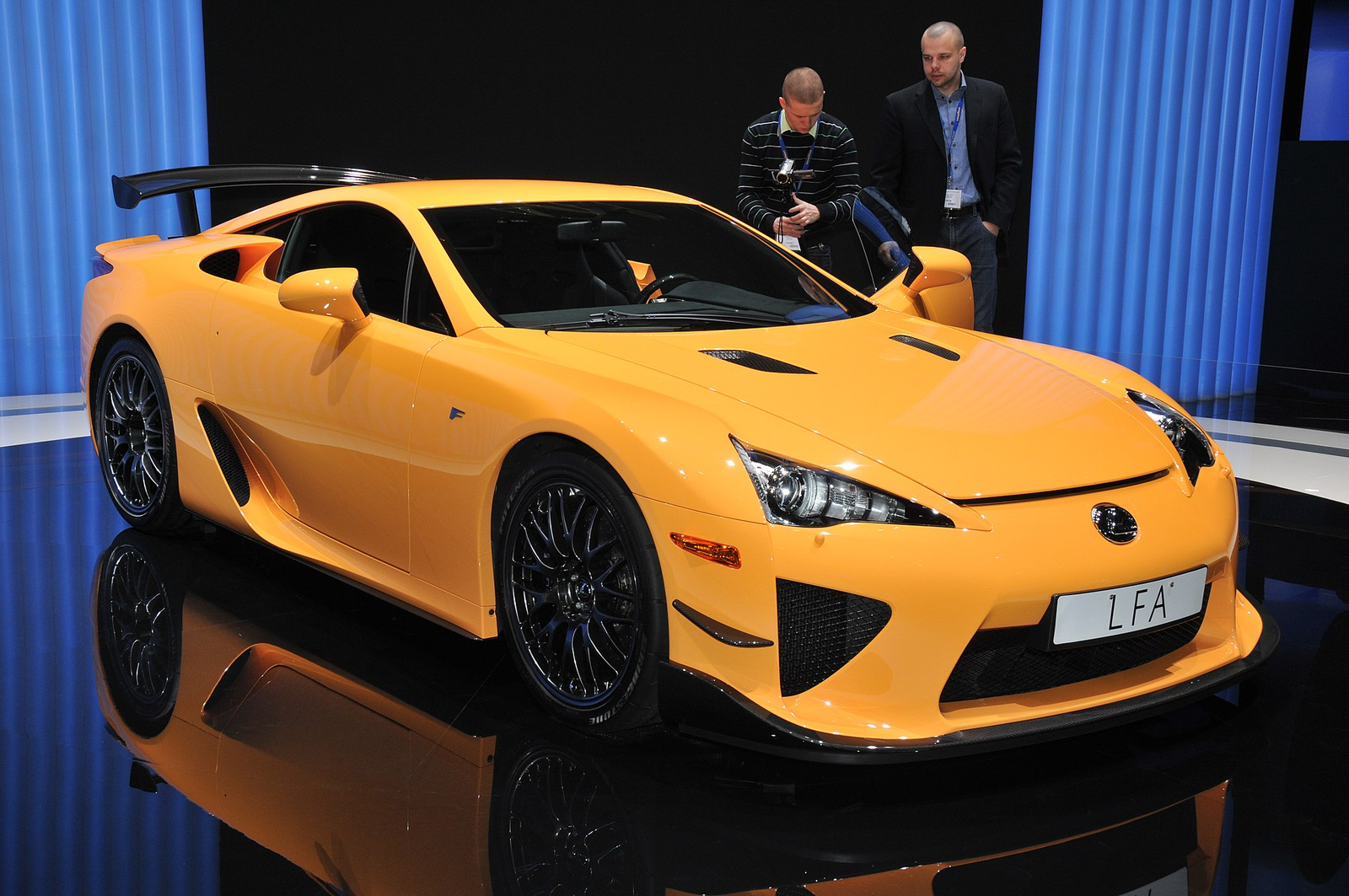
This allowed to achieve:
- additional weight reduction
- sharper and more precise reactions in corners
- improved overall vehicle dynamics
In fact, it was about transferring technologies characteristic of motorsport to the road segment.
Role in Brake Cooling
One of the least obvious but important functions of the wheels is participation in the cooling system. The LFA is equipped with carbon-ceramic brakes, which operate in extremely high temperature conditions.
The shape and geometry of the wheels are designed to:
- direct air flows
- effectively dissipate heat
- reduce the risk of overheating during intensive use
Thus, the design here is dictated not by aesthetics, but by physical requirements.
Influence on Vehicle Balance
The LFA features a near-ideal weight distribution — approximately 48:52. The wheels play a significant role in this distribution.
Engineers took into account:
- different wheel widths on the front and rear axles
- precise load parameters
- optimization of grip
Together, this ensures the stability of the car even at high speeds and in difficult driving conditions.
Why They Cost So Much
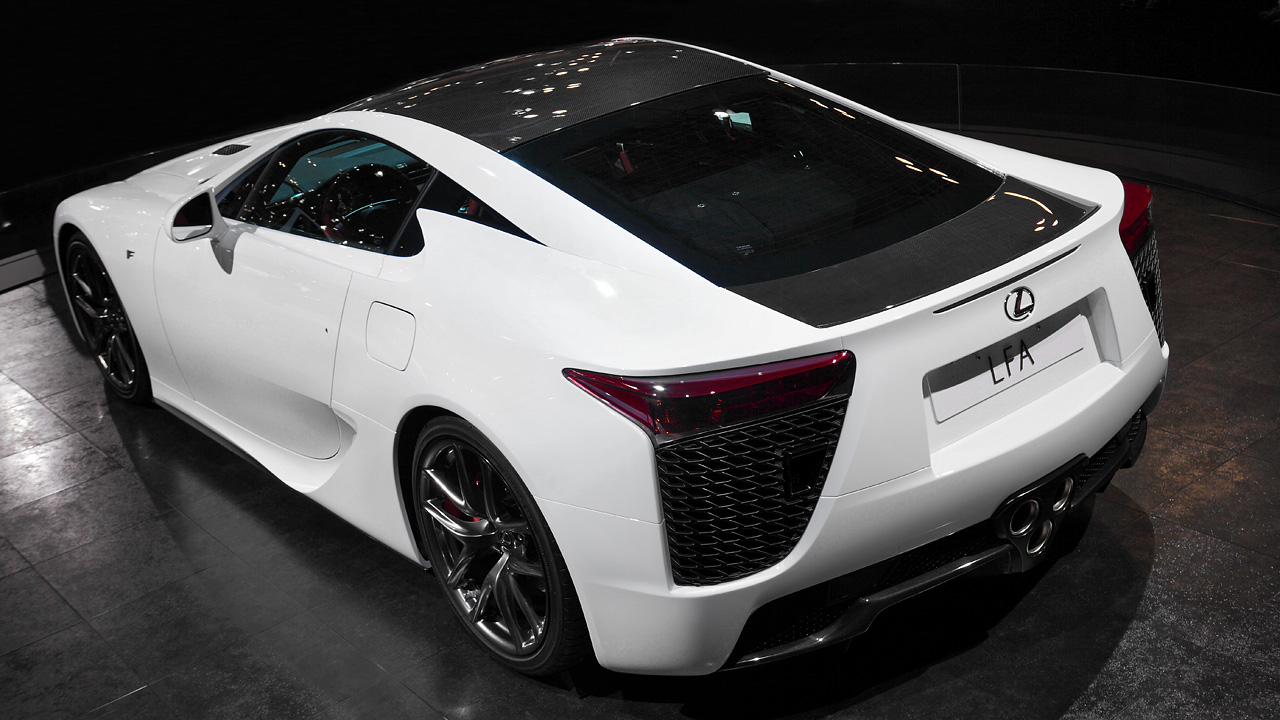
Today, original LFA wheels are considered a rarity, and their cost can reach the level of a separate car. The reasons for this are quite objective:
- the total production run of the model is limited to 500 units
- production requires complex technological processes
- the characteristics of the wheels are unique and have no mass-produced analogues.
The price in this case reflects not marketing, but the level of engineering and exclusivity.
OEM and aftermarket: the fundamental difference
There is often confusion between original wheels and popular BBS models installed later.
It is important to distinguish:
- OEM wheels — developed specifically for the LFA and installed at the factory;
- aftermarket solutions (e.g., BBS LM) — universal options for retrofitting
Despite the reputation of the latter, the original wheels are fundamentally different:
- they were created exclusively for one model
- their characteristics are integrated into the behavior of the car
- they are part of the overall engineering concept
The history of BBS wheels for the Lexus LFA clearly demonstrates what an extremely engineered approach to creating a car looks like. There are no random solutions or compromises for the sake of external effect. Each element is subordinate to the overall task — achieving maximum efficiency.
That is why the LFA remains not just a rare, but a truly iconic car, where even such seemingly secondary details as the wheels play a key role in shaping its character.
Read more materials:
- This Mercedes-AMG can drift — even as an "electric car"
- Chinese cars have forced Honda to change its strategy
- British brand Marcos is trying to enter the market again