In the early days of automotive manufacturing, brass was one of the industry's primary materials. During the so-called Brass Era — roughly from 1896 to 1915 — radiators, headlight housings, horns, and numerous decorative elements were made from the copper-zinc alloy.
But as the industry developed, the situation changed. Nickel, aluminum, stainless steel, and chrome gradually displaced brass, and later plastic completely pushed it aside. By the mid-20th century, the "brass era" of the automotive world was almost forgotten.
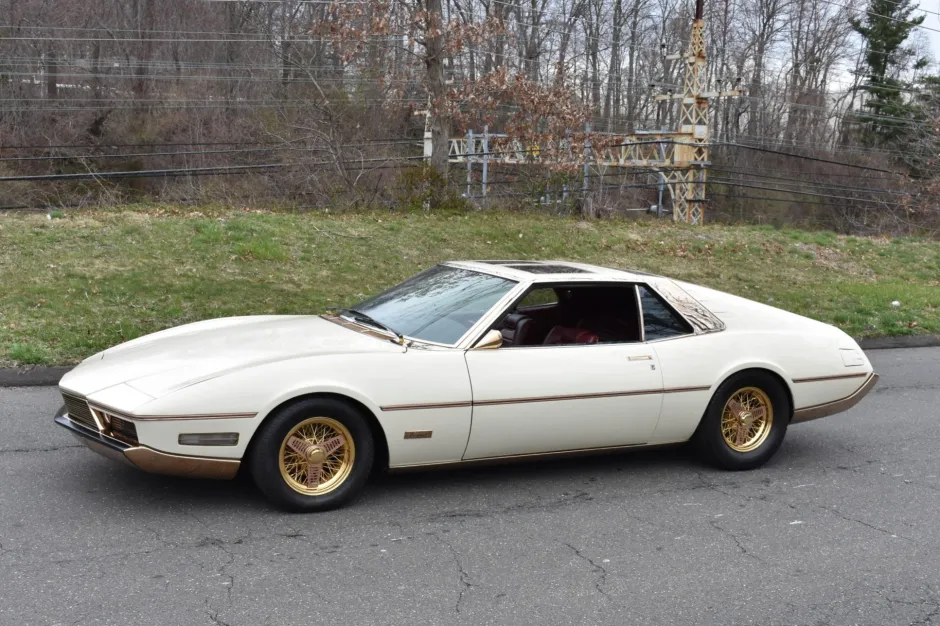
However, in the 1960s, there were people who decided to bring this material back to the automotive industry.
A Car to Save the Copper Industry
In the mid-1960s, Herman Steinkraus, president of Bridgeport Brass Company, and Thomas Passeka, head of the Copper Development Association, began to consider how to increase the consumption of copper and brass.
The reason was quite pragmatic. The US metallurgical industry was in decline, and the surge in demand during World War II, associated with the mass production of brass casings, was long in the past.
That's when the idea emerged to create a car that would demonstrate the capabilities of copper and brass in the modern automotive industry.
Thus, Exemplar 1 was born, introduced in 1968.
A Buick You Can't Recognize
The concept car was based on a 1967 Buick Riviera Gran Sport. But externally, it was almost impossible to recognize the original car.
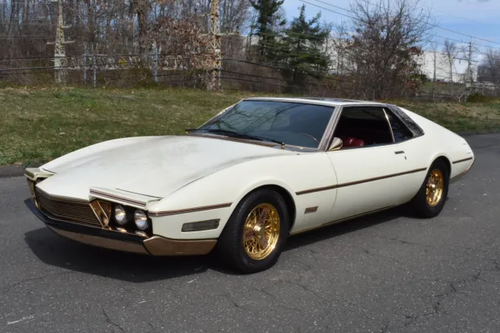
The project's design was developed by Italian stylist Mario Revelli di Beaumont, and the body itself was manufactured by the Turin atelier Carrozzeria Coggiola. American companies often turned to Italians then if they wanted a more striking and "European" appearance.
The result was an extremely unusual car with a huge number of decorative elements made of non-ferrous metals.
Among the features of Exemplar 1:
- 16-inch brass Borrani wheels
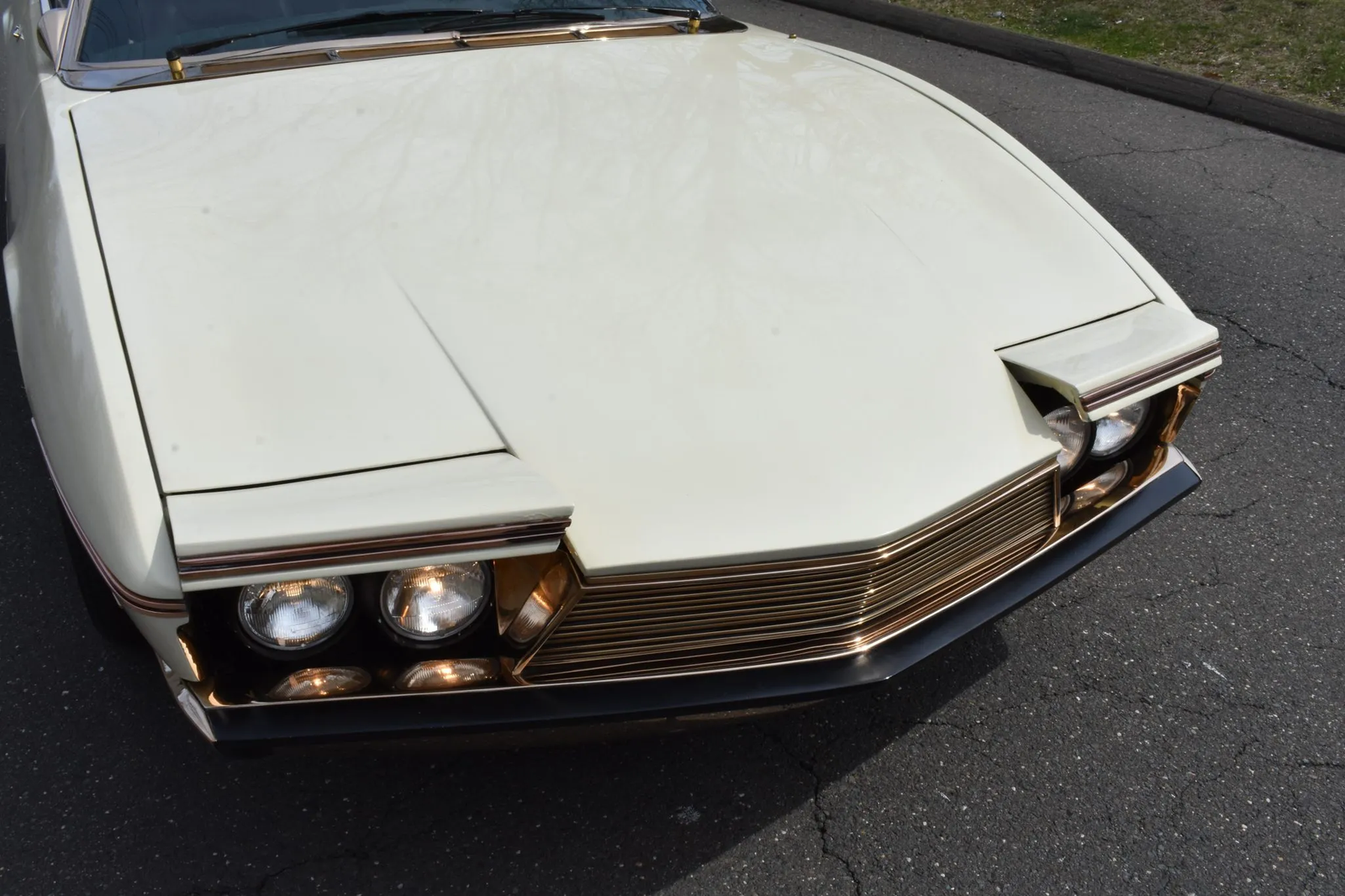
- bronze radiator grille
- bronze surrounds around the headlights
- brass louvers on the rear window
- copper brake system components
- massive golden body decor
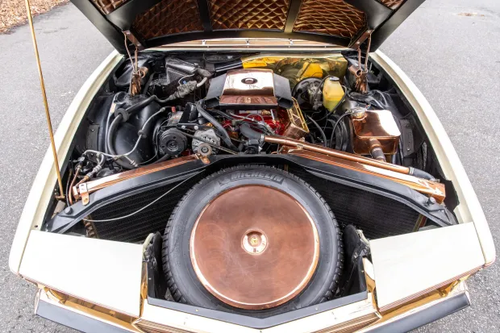
Even under the hood, the concept lived up to its idea. The standard 360-horsepower engine from the Riviera received copper valve covers, a copper air filter housing, and copper tubes.
In addition, the car used two copper radiators — one for engine cooling, the other for the air conditioner. Between them was a spare wheel with a copper hubcap.
Seventy Kilograms of Copper in the Interior
The interior of Exemplar 1 turned out to be no less extravagant than the exterior.
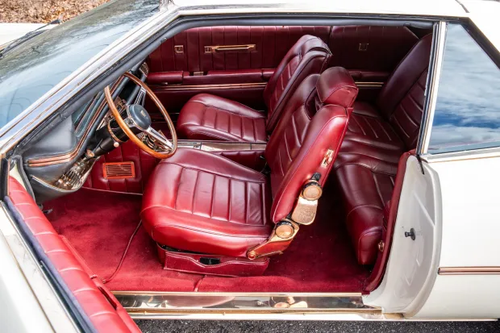
The interior was trimmed in red leather, and almost all key elements received copper accents:
- center console
- transmission tunnel
- dashboard
- Nardi steering wheel with copper spokes
The Chicago Tribune claimed that the car used about 70 kilograms of copper.
For a concept car created as an advertisement for non-ferrous metallurgy, this was almost a mandatory condition.
A Sensation at the Exhibition and Detroit's Indifference
After completion, Exemplar 1 debuted at the 1968 New York Auto Show.
The public met the car with great interest. For Americans, long accustomed to chrome, such an abundance of brass seemed almost a return to the beginning of the automotive era.
But the main goal of the project was never achieved.
Ford, General Motors, and Chrysler showed no serious interest in the idea of returning copper and brass to mass automotive production. By the end of the 1960s, chrome had finally established itself as the main decorative material for American cars.
The Car That Disappeared and Returned for Decades
Exemplar 1 was never intended for ordinary roads and after exhibitions ended up in Herman Steinkraus's personal collection, where it remained until the mid-1990s.
Later, the car was acquired by enthusiasts and restored.
The further fate of the concept resembled a series of rare appearances:
- in 2015, an attempt was made to sell the car at auction with an estimate of 1.2 to 1.8 million dollars, but no deal occurred
- in 2016, Exemplar 1 was shown at the Amelia Concours d’Elegance
- in 2024, the car was again put up for sale on Bring-A-Trailer, but even a bid of 450 thousand dollars did not satisfy the owner
Only at the end of April 2026 did the concept finally change hands at the John Kruse auction in the USA. The final price was 228 thousand dollars — an unexpectedly modest sum for a unique, one-of-a-kind car.
However, maintaining such a car requires huge expenses. The restoration alone and constant care of non-ferrous metal parts are extremely costly.
The Car That Never Changed the Industry
Exemplar 1 could not bring brass back into the automotive world. Mass automotive production ultimately went in a different direction.
But the concept itself remained a rare example of how an industrial crisis gave birth to one of the most unusual cars of its era.
Today, Exemplar 1 looks not just like an experiment for the sake of advertising copper and brass, but a true monument to a time when American industry was still trying to surprise with such projects.
Read more articles:
- The History of Studebaker Avanti — A Failure That Became a Legend
- How GAZ-63 Became the First Soviet All-Wheel Drive Truck
- GAZ-AA: The Truck That Survived War and Blockade
Comments