In the early 1960s, the American automotive industry operated under long-established rules: more chrome, larger bodies, and bigger engines. Cars became heavier, wider, and yet less daring in terms of design. Against this backdrop, the appearance of the Studebaker Avanti seemed almost an anomaly.
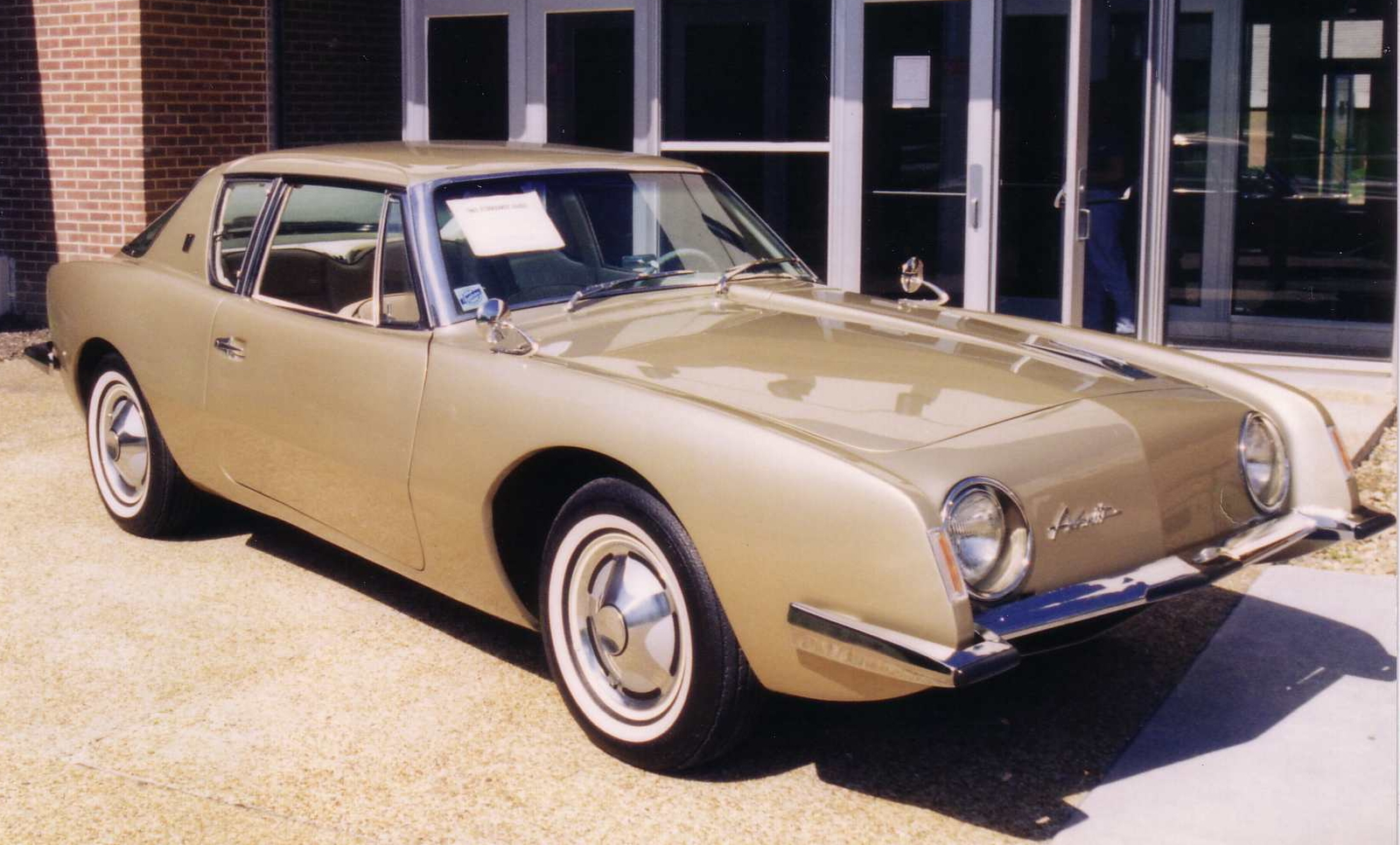
The Avanti R2 looked like a car from another era – as if it had been accidentally transported to 1962 directly from the future. For Studebaker itself, this model was not just another new product, but a desperate attempt to get ahead and save the company.
Last Chance for Studebaker
By the early 1960s, Studebaker was already losing the battle to Detroit's automotive giants. General Motors, Ford, and Chrysler controlled the market, and the once-famous brand had fewer and fewer resources.
Company president Sherwood Egbert understood that releasing another ordinary car would change nothing. What was needed was a car that would make all of America talk about the brand.
Thus, the Avanti project was born.
The name translated from Italian as "forward," and this well reflected the car's very idea. Studebaker tried to create not just a new model, but a car that would look decades ahead of its competitors.
A Design That Was Too Bold
The exterior was handled by the team of the famous industrial designer Raymond Loewy – the author of many iconic projects, from locomotives to the signature Coca-Cola bottle.
The result was so unusual that for the early 1960s, it looked almost shocking.
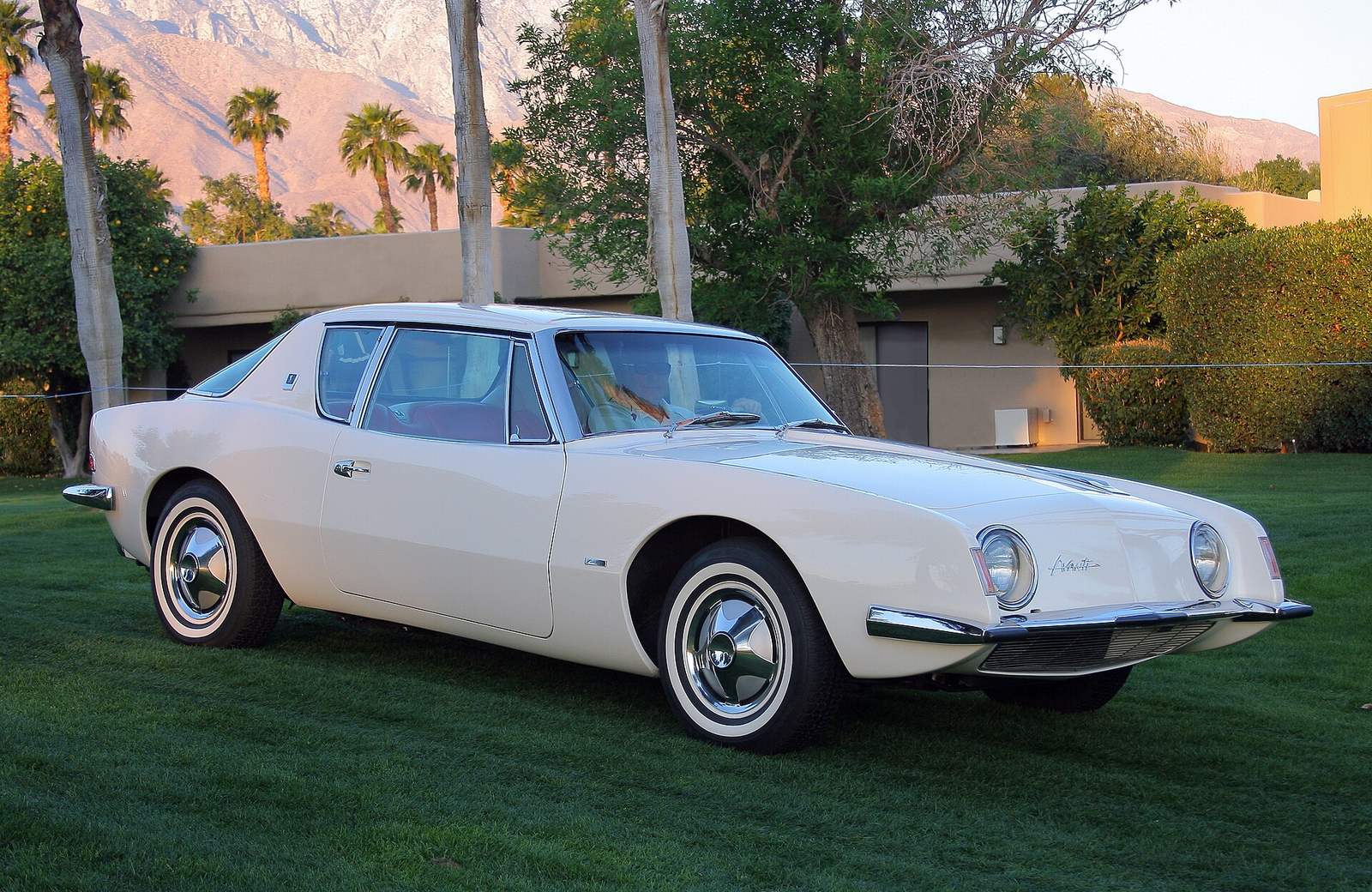
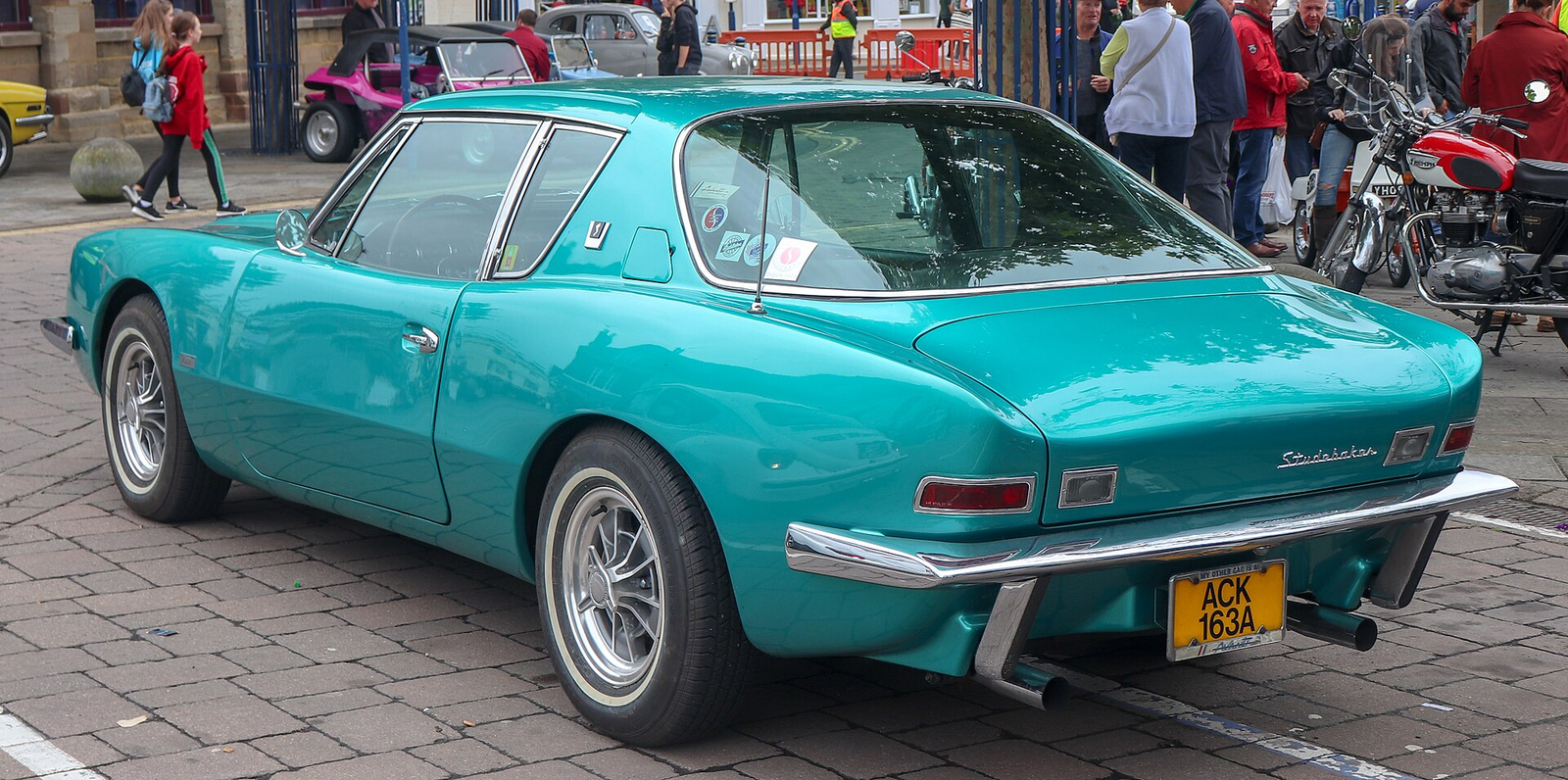
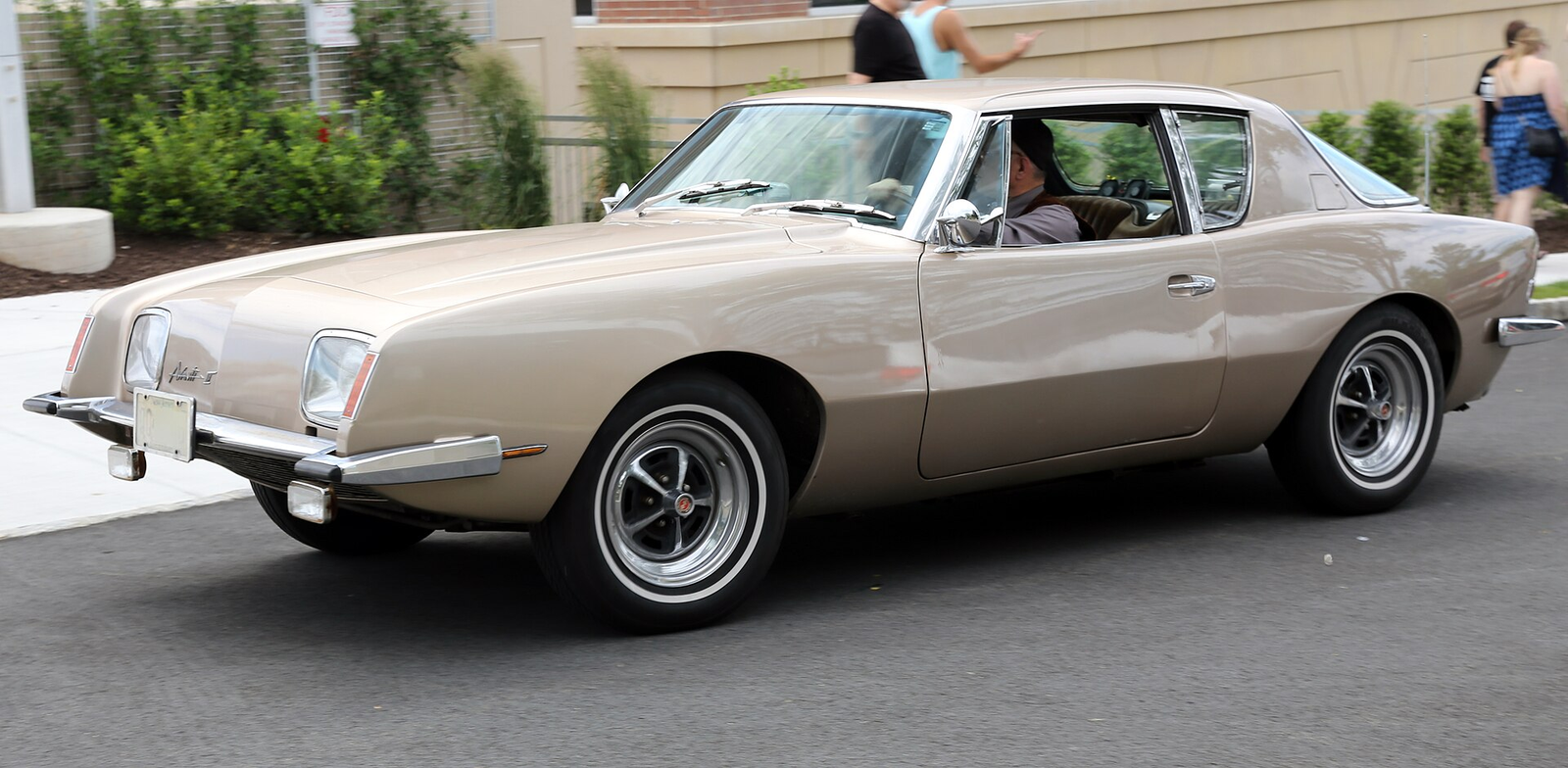
The car lacked a conventional radiator grille. The front end had a smooth "shark" profile, the roofline resembled a jet aircraft, and the silhouette of the rear was more associated with European GT coupes than with a typical American car of that era.
An even more unusual solution was the fiberglass body. For the American automotive industry of the early 1960s, this was extremely atypical.
Today, such a design seems quite organic, but at the time of its debut, the Avanti was perceived almost as an alien from the future.
The R2 Version and the Birth of the American Supercar
The basic Avanti modifications already looked unusual, but the R2 version gained real fame.
Under the hood of the car was a 289 cubic inch Jet Thrust V8 engine with a Paxton supercharger. Officially, the engine developed 289 horsepower – a very serious figure for the early 1960s.
Especially considering that the full era of muscle cars had not even begun yet. The appearance of the Mustang, Pontiac GTO, and the heyday of American muscle cars were still several years away.
At the same time, the Avanti R2 already offered a set of solutions that would later become standard for fast American cars:
- supercharged engine
- disc brakes
- high top speed
- GT-style layout
In fact, the Avanti R2 can be considered one of the first modern American supercars.
Speed Records and Bold Claims
To prove the car's capabilities, Studebaker sent the Avanti to the Bonneville Salt Flats.
And the car indeed made an impression. Specially prepared Avanti versions set 29 world speed records, and some cars were able to break the 170 mph barrier.
For the early 1960s, such figures seemed almost incredible.
Against this background, Studebaker's advertising campaign did not shy away from bold statements. The Avanti was called the fastest production car in America.
Why the Project Still Failed
Paradoxically, the main problem with the Avanti was not the car itself at all.
Studebaker simply could not cope with its production. The production of fiberglass bodies was accompanied by constant delays, assembly quality suffered, and delivery times were regularly missed.
The company expected to sell tens of thousands of cars, but physically could not provide the necessary production volume.
As a result, the Avanti became a victim of Studebaker's financial situation, not engineering miscalculations.
Already in 1963, the brand's plant in South Bend was closed.
A Car That Outlived Its Own Company
The Avanti's story could have ended there, but something unexpected happened.
After Studebaker's collapse, enthusiasts acquired the rights to the car, and production continued under the name Avanti II. The car was produced in small series for many years.
It turned out to be an almost unique phenomenon for the American automotive industry: a car that outlived the company that created it.
Why the Avanti is Considered a Special Car Today
Today, the Studebaker Avanti R2 is perceived not just as a rare classic car.
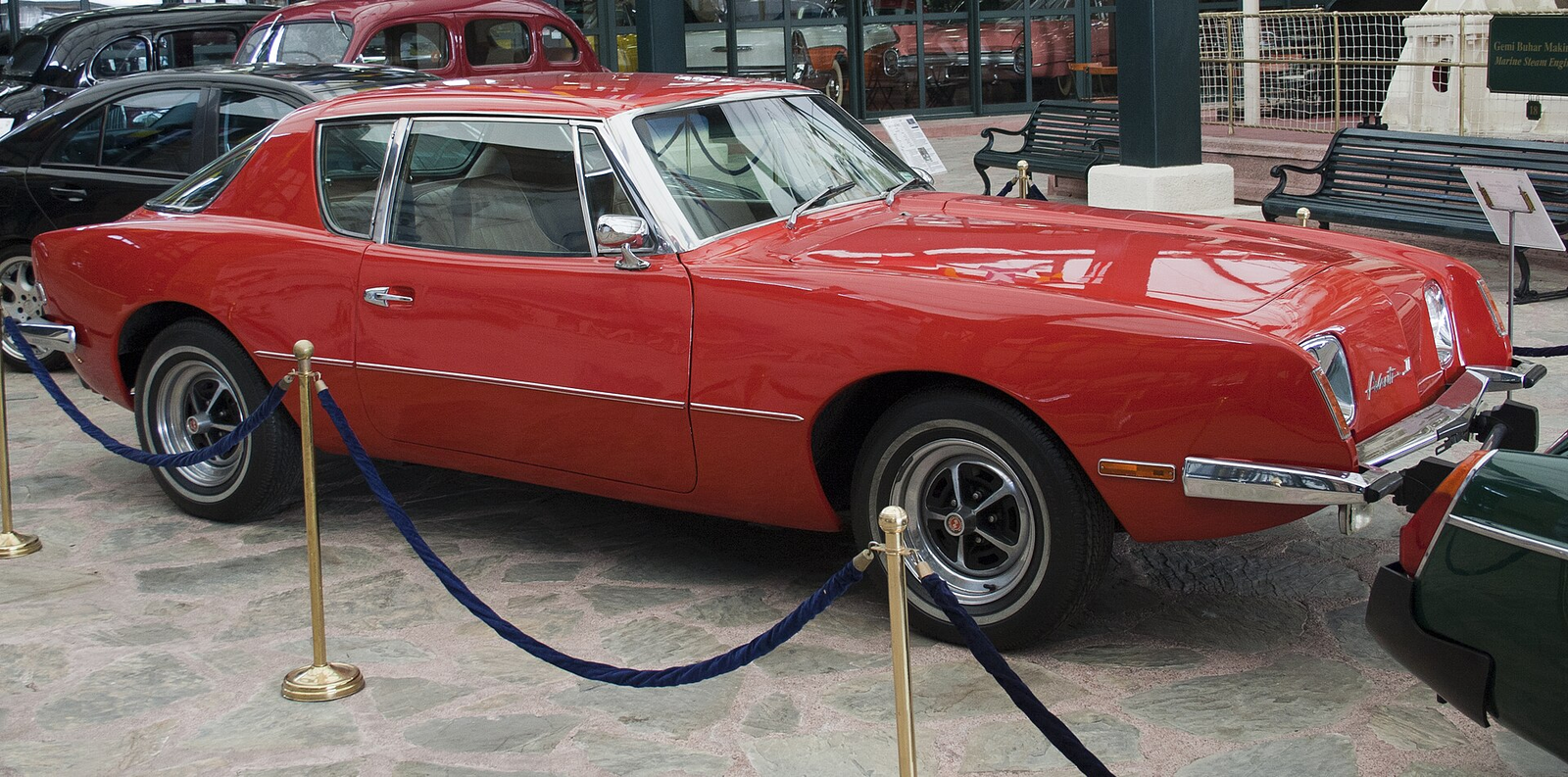
For many, it has become a symbol of an alternative path of development for the American automotive industry – bolder, more engineering-focused, and less conservative.
The Avanti failed to save Studebaker from closure. But this car left behind a much more important legacy: proof that even a company on the verge of collapse can create a car that will outlive its own era.
Read more articles:
- GAZ-AA: A Truck That Survived War and Blockade
- The Story of GAZ-61 – The Most Unusual SUV of the USSR
- A Car of Transition: The Story of ZIL-41041 AMG
Comments