The history of the creation of the ZIL-5301 "Bychok" is often called almost an adventure. However, for the Likhachev Plant, this project was actually an attempt to survive during the most difficult years for the enterprise — during the economic turmoil of the 1990s and early 2000s.
Even during perestroika, the plant realized that it could only stay afloat with a mass-produced and relatively inexpensive truck. There were practically no other real options for the enterprise. That is why the development of a new car began as quickly as possible, using all available resources. Especially since the Moscow authorities promised support and orders.
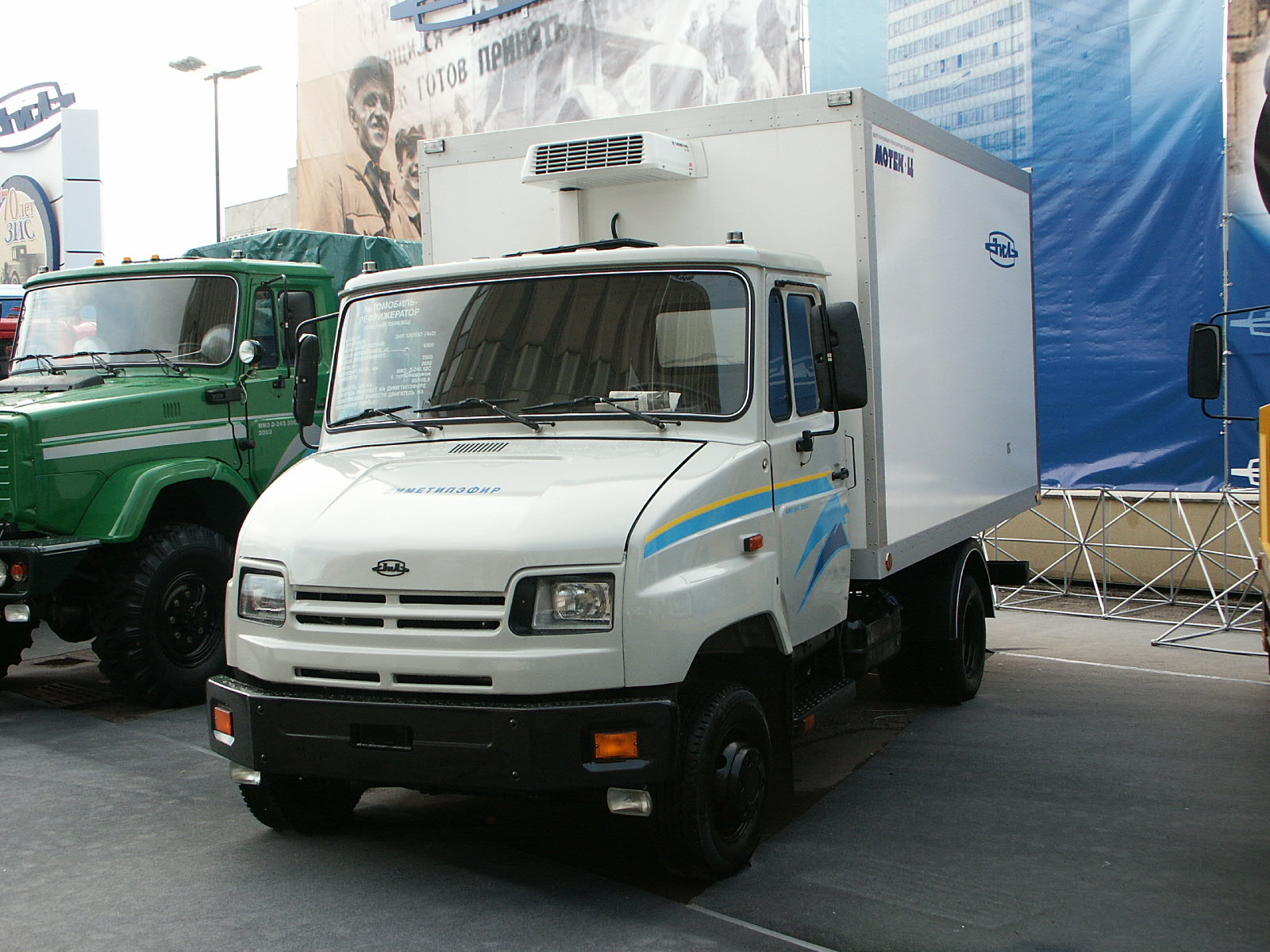
The designers were given a very specific task. The plant needed:
- an inexpensive truck with a carrying capacity of about three tons
- a vehicle with a diesel engine
- a modern design for its time
- a design suitable for inexpensive production
There was no time to delay the project. Imported delivery trucks had already begun to actively enter the country, and competitors at GAZ were also working in this direction. Although the GAZ-3306 was still a raw and practically unfinished model at that time, the situation could change at any moment.
Due to constant haste, the ZIL-5301 turned out to be more a collection of borrowed solutions than a completely independent development. Engineers literally adapted some structural elements from existing machines.
For example:
- the frame and chassis were practically copied from the Mercedes-Benz T2
- the cab was taken from the ZIL-4331
- the headlights were used from Moskvich cars
- the braking system, axles, and hubs were borrowed from the ZIL-4331
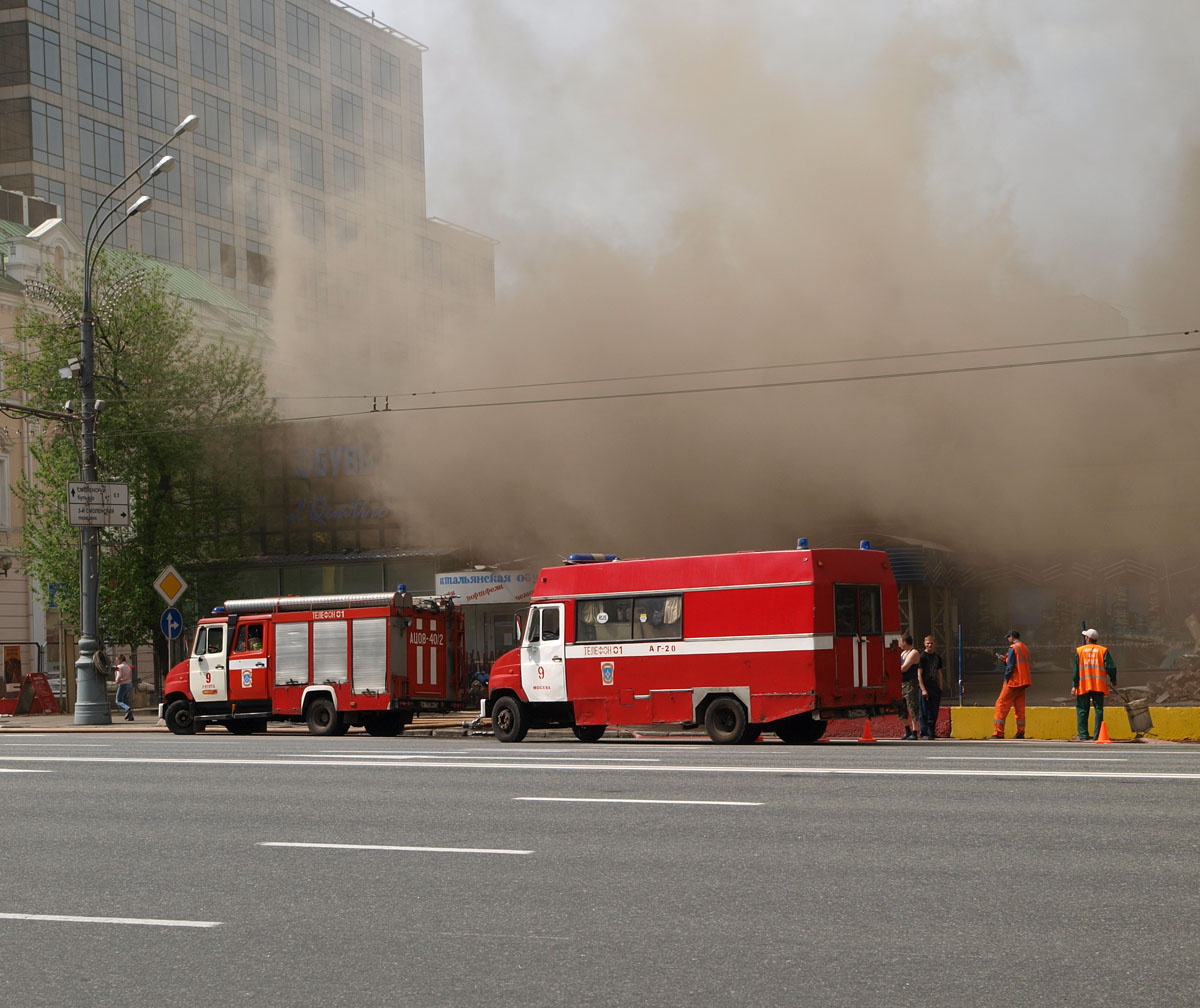
Under the hood, a Belarusian MMZ D-245 diesel engine with 109 horsepower was installed. Later, the engine was boosted to 136 hp.
The car was fitted with 16-inch wheels with tubeless tires of size 225/75 R16. The ground clearance was 180 mm, and the turning radius was only seven meters. For a city delivery truck, this was considered a very good indicator.
Fuel consumption also looked quite acceptable:
- about 16 liters per 100 km when driving at 60 km/h
- approximately 12 liters in urban conditions for an empty car
- about 20 liters for a fully loaded truck
The first production vehicles appeared in 1995 — 219 units were assembled then. A year later, production sharply increased: in 1996, 1348 vehicles were produced. The plant expected that the promised purchases by the capital's government would help stabilize the financial situation of the enterprise. During that period, Yuri Luzhkov was the mayor of Moscow.
By 2000, the share of "Bychok" in the total output of AMO ZIL reached 56%. In terms of actual volumes, this amounted to about 12.3 thousand vehicles annually.
If the project had been created back in Soviet times, the development would certainly have stretched for several years. But the design would have been fully refined: a proprietary cab would have been created, the transmission and chassis would have been carefully calculated, and weaknesses would have been eliminated before production began. In the crisis conditions of the 1990s, there was no time left for this.
The situation was further complicated by the mass exodus of specialists. In 1995–1996, Moscow enterprises lost a huge number of experienced personnel. For various reasons, up to 90% of employees with more than 25 years of experience left the plant. Many went into commerce or started their own businesses.
As a result, the remaining employees often simply did not have enough experience for full-fledged fine-tuning of the machine.
In the usual practice of serious design bureaus, the costs of eliminating defects and refining a product can reach 30% of the costs of design and research. But ZIL during the perestroika period no longer had such opportunities. In fact, the "Bychok" was assembled like a constructor, without much thought about further deep modernization.
Problems began to appear almost immediately after the start of operation. One of the main troubles was vibration in the places where the engine and gearbox were mounted. The transmission poorly tolerated the high torque of the diesel, especially in combination with constant micro-shocks.
Additional difficulties were created by:
- low quality of gearbox assembly
- saving on the braking system
- weak cuffs and rubber seals
- insufficient protection of the frame and suspension from corrosion
The situation was exacerbated by Moscow winters. Salty snow slush on the roads quickly corroded the metal and accelerated rusting of the structure.
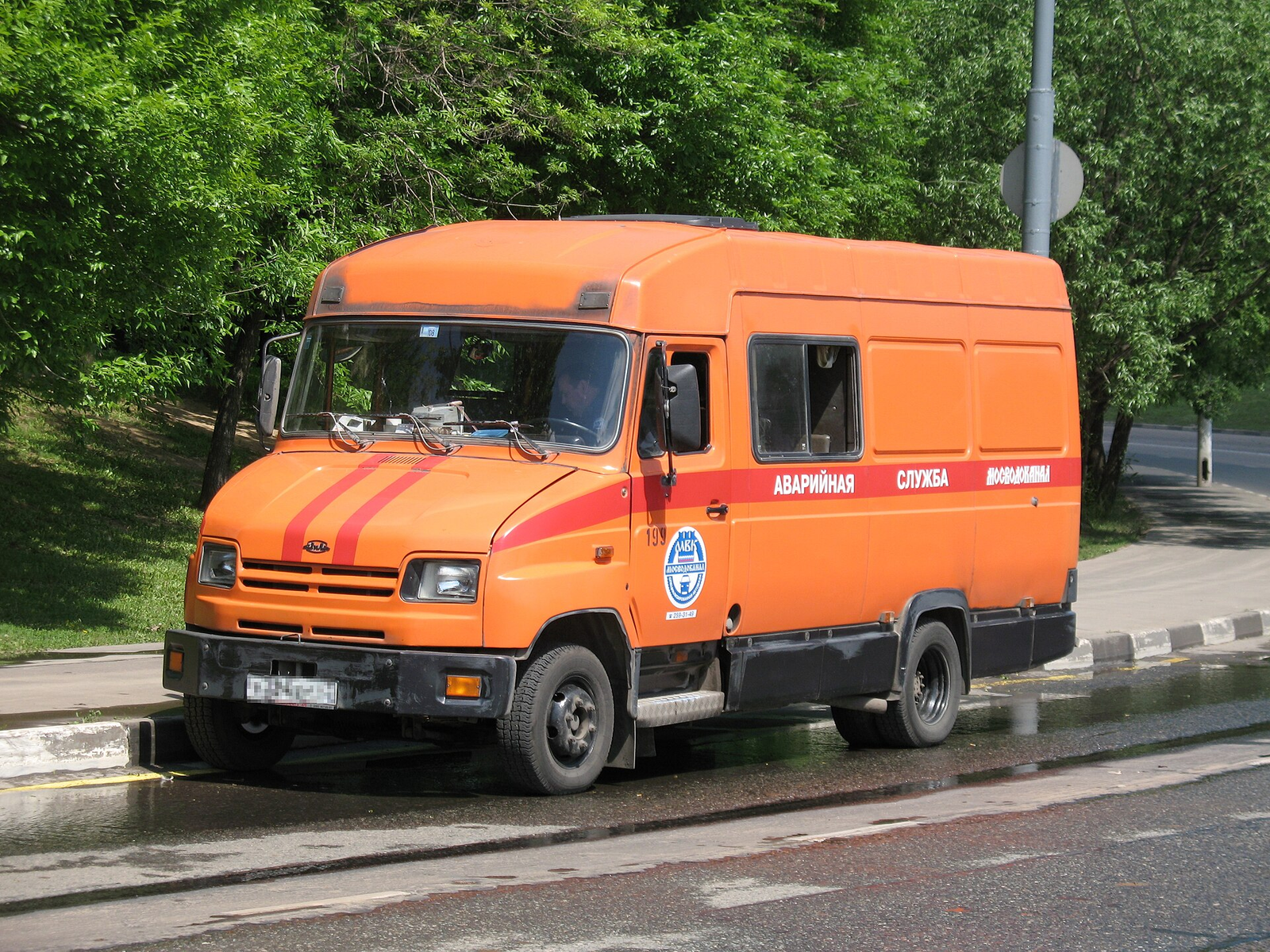
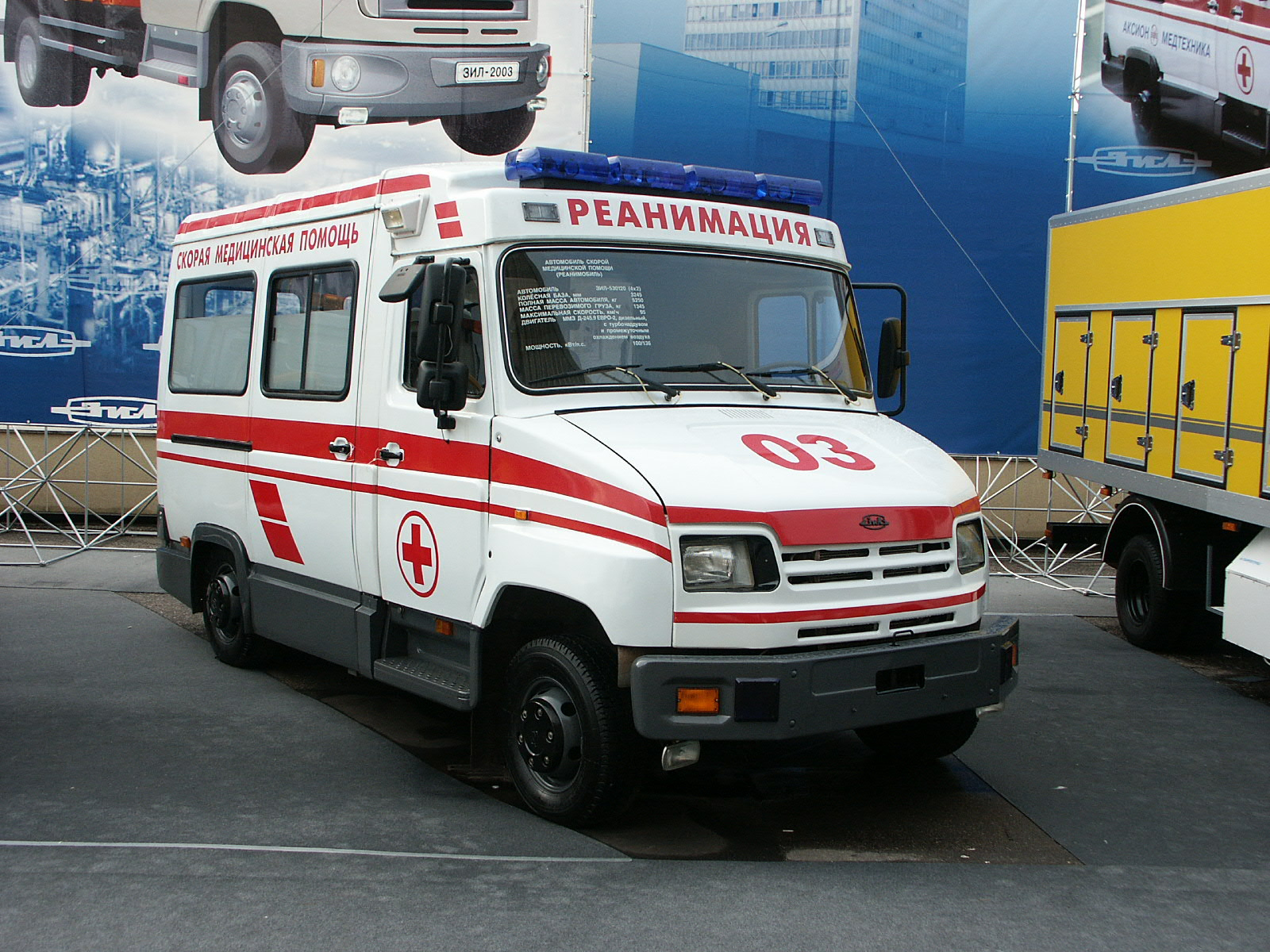
As a result, the ZIL-5301 received a large number of minor but unpleasant defects. Despite this, the car was actively tried to be used in various fields. The first batches of trucks and chassis were transferred to the capital's utility services. Based on the "Bychok", they created:
- small buses for 15 and 19 passengers
- utility vehicles
- aerial platforms
- tow trucks
- various vans
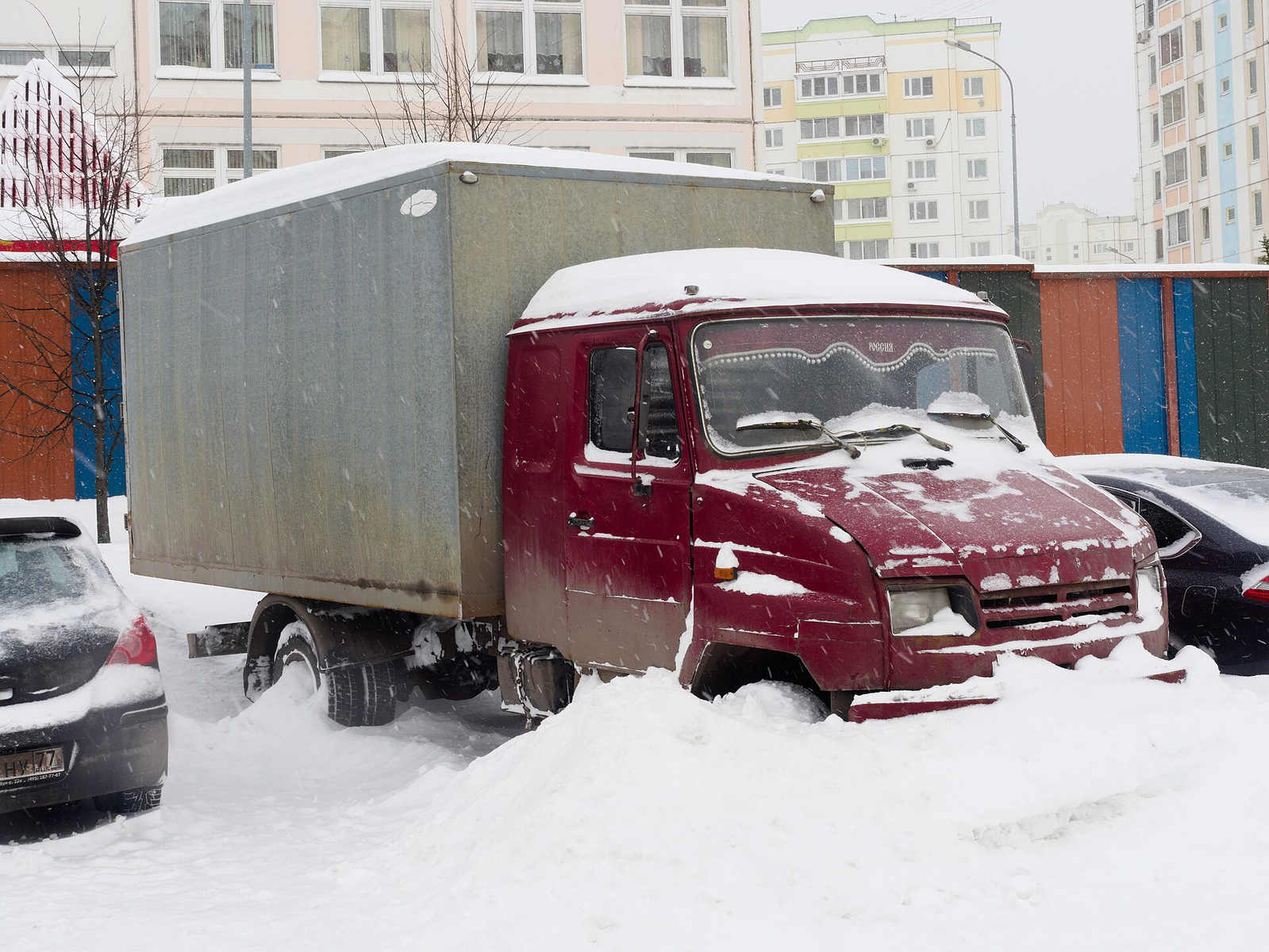
However, almost no one was engaged in the full elimination of design flaws.
The main reason remained the cost price. If the plant had started using higher quality materials and investing in serious refinement of the design, the cost of the truck would have approached the price of imported analogues. For an enterprise in a difficult financial situation, this would have meant losing its main advantage — relative cheapness.
Gradually, interest in the project began to wane. Leaders tried to distance themselves from the problematic model, and after Yuri Luzhkov's departure and the transfer of ZIL-5301 production to the Saratov region, the topic practically disappeared from the agenda.
By that time, ZIL itself was rapidly losing ground. The last car was assembled at the plant in 2016. How many cars were actually sold in conditions of fierce competition is unknown.
Read more materials:
- Exemplar 1 — America's Strangest Concept Car
- The Story of the Studebaker Avanti — a Failure That Became a Legend
- How GAZ-63 Became the First Soviet All-Wheel Drive Truck