It's hard to find a mechanism that engineers have criticized as often as the classic piston internal combustion engine. For more than a century of its existence, it has become famous for its noise, complex design, vibrations, and a large number of vulnerable components. Nevertheless, it has not been fully replaced.
Over the decades, various attempts have been made to abandon the traditional scheme. In the automotive industry, gas turbine installations were tested, Wankel rotary engines were actively experimented with, and later electric motors began to be promoted. However, in the mid-20th century, serious hopes were also associated with another unusual concept — the free-piston internal combustion engine.
At first glance, such a unit resembled a conventional internal combustion engine: cylinders and pistons also moved up and down. But the key difference was the absence of connecting rods and a crankshaft. This is what made the design so unusual.
The operating principle was as follows:
- the mixture was compressed in the cylinder
- then fuel was injected and ignition occurred
- expanding gases pushed the piston
- reaching the top point, the piston received a reverse impulse from the buffer device
- after that, due to inertia, it pushed the hot gases into the exhaust tract
Then the cycle repeated again. At the same time, the exhaust gases actually performed useful work — they spun the gas turbine.
Interest in free-piston engines was shown not only in the USA. Many European manufacturers studied similar developments. The German company Junkers was the first to achieve practical results. During World War II, the company created a free-piston generator for submarines. Thanks to its quiet operation and good fuel efficiency, such an installation was much better suited for charging submarine batteries than a number of traditional solutions.
After the war, the French company SIGMA began producing its own version of such generators. They were used in locomotives, as well as in stationary power plants.
The American "Detroit Three" also did not stand aside. All three largest automakers conducted experiments:
- Chrysler
- Ford
- General Motors
At the same time, Chrysler's and Ford's projects remained almost completely in the shadows. Very little is known about them. General Motors, on the other hand, regularly informed the public about the progress of the work, not hiding either successes or difficulties that arose.
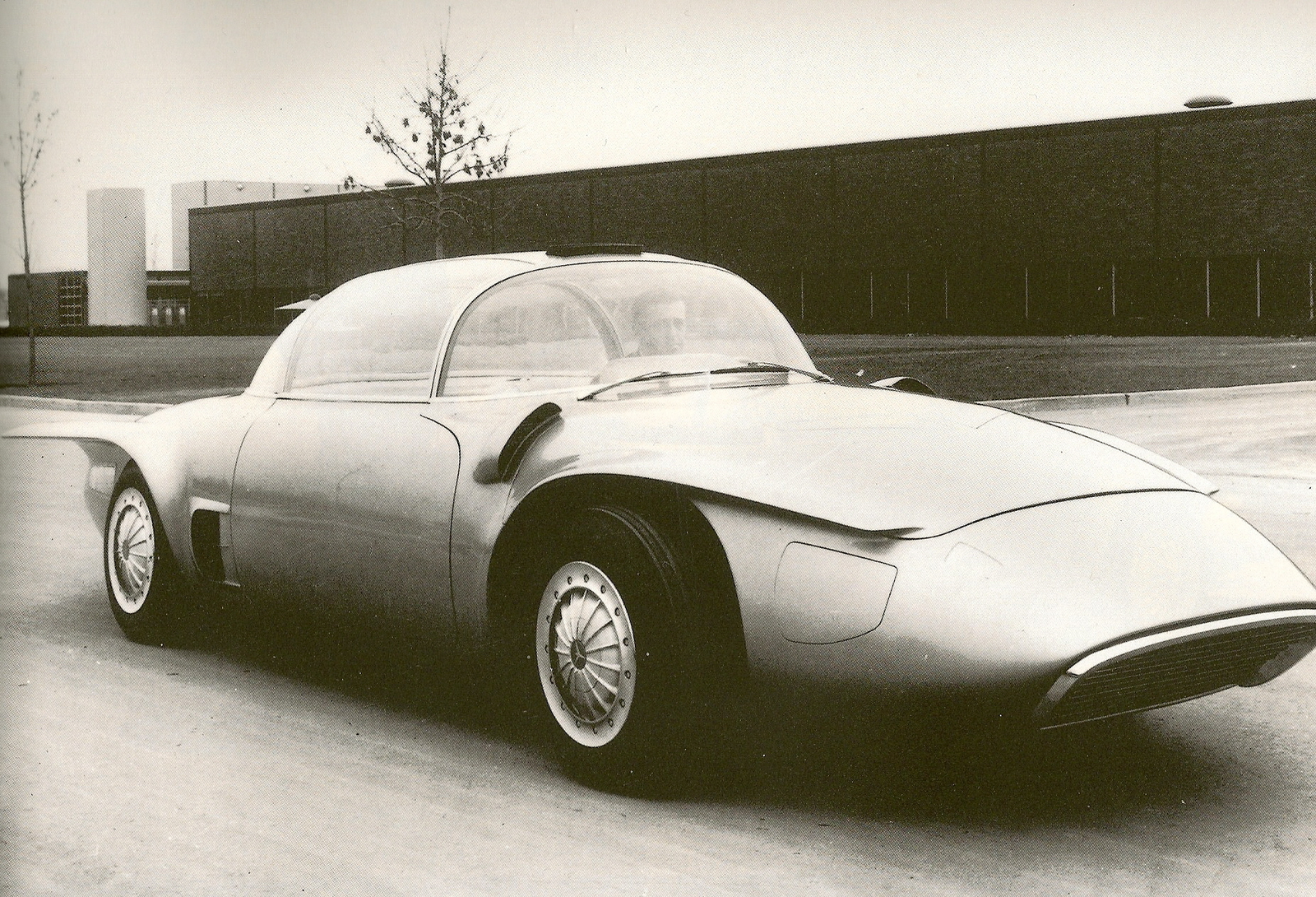
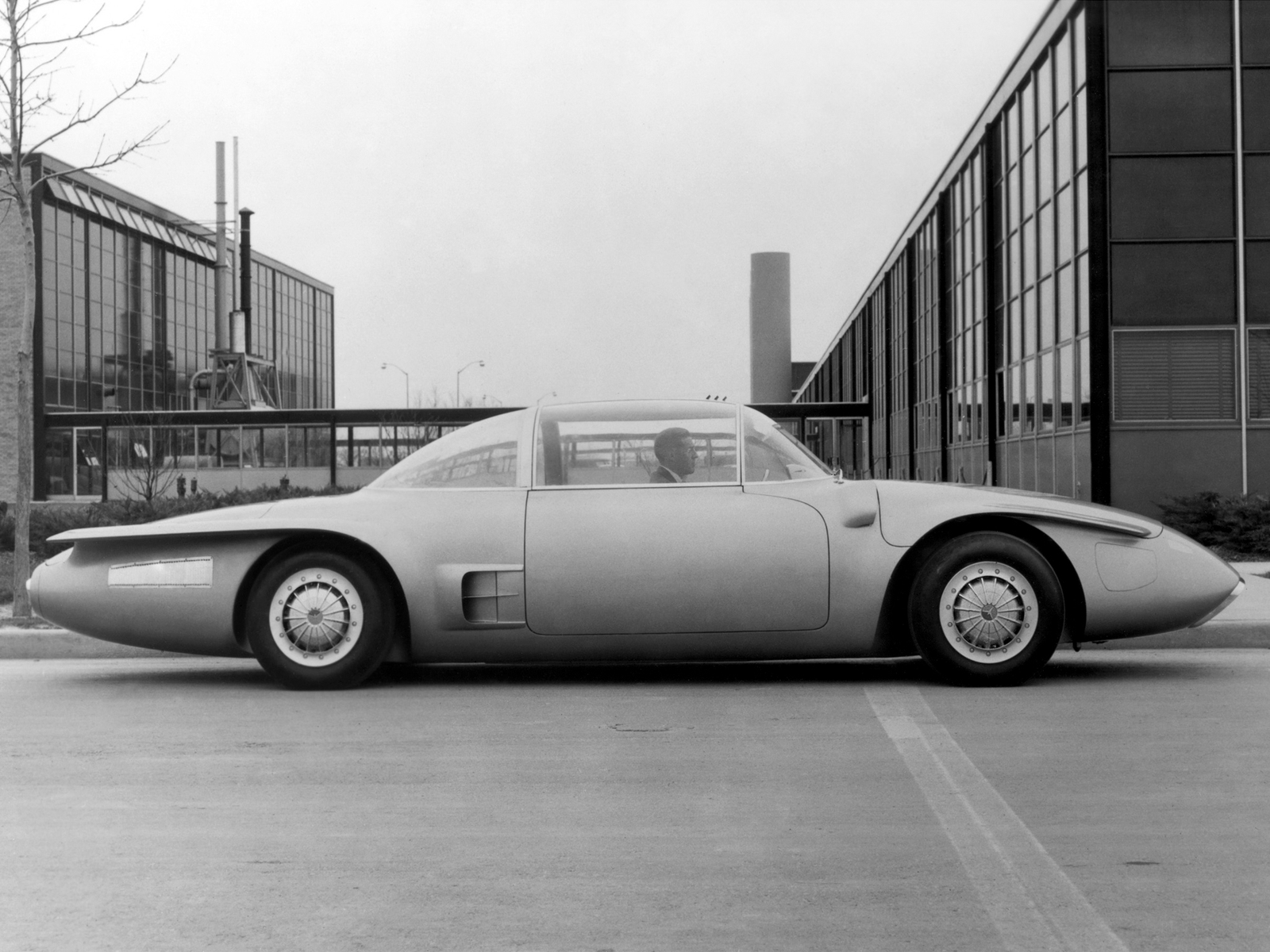
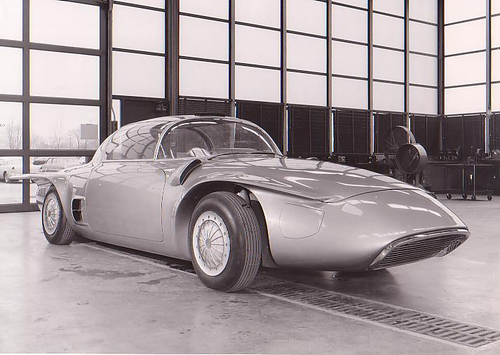
In 1956, the company introduced the experimental XP-500 car. The concept received a specially designed free-piston engine. The design consisted of two cylinders and four pistons — two for each cylinder. After fuel ignition, the pistons moved apart in opposite directions, making the engine almost perfectly balanced and creating almost no vibrations.
To synchronize the pistons, engineers had to use a separate mechanical balancing mechanism.
The unusual engine also had other advantages. Among them:
- high efficiency
- low noise level
- ability to run on various types of fuel
- possibility of using even extremely unconventional fuels, including whale oil
However, it was the abandonment of the crankshaft that subsequently became the source of serious problems. Engineers sought to get rid of this component, considering it complex and unreliable, but it soon became clear that without it, it was difficult to organize the operation of auxiliary systems.
The question arose of where to get energy for:
- power steering
- braking system
- fuel pump
- generator
- cooling pump
Some units were eventually connected to the turbine shaft, others — to the piston synchronization mechanism. But this did not completely solve the problem.
Additional difficulties arose when starting the engine. Since the design also lacked a flywheel, it was impossible to use a conventional electric starter. Then engineers tried to start the engine with compressed air: it was supplied to the combustion chamber to push the pistons apart in the first cycles.
Work on the project continued for about three years. By the end of the program, the developers still managed to achieve relatively acceptable reliability. The installation provided approximately 90% trouble-free operation for 4500 hours of operation. But the price of such a result turned out to be too high.
Paradoxically, the engine, which was conceived as a simpler alternative to the classic internal combustion engine, gradually turned into a complex system with a large number of auxiliary solutions. As a result, General Motors abandoned the project and returned to the traditional internal combustion engine design.
A similar fate later befell other alternative schemes. The gas turbine never became widespread in passenger cars, and rotary engines almost disappeared from the industry. Only Mazda continues to consistently work with this concept.
Read more materials:
- Toyota RAV4: The Accidental Revolution of 1994
- What to buy for 500 thousand rubles: reliable used cars
- Half-tracked ZIS-42 and its front-line fate
Comments