By 2026, the Nissan Almera Classic had long been considered a car from the past. Production ended more than ten years ago, but the model was still regularly seen in courtyards, near schools, and construction stores. And it wasn't about rare preserved specimens — the car continued to serve as ordinary transport daily, as if time had no power over it.
The reason for such longevity lay in the car's origin. Under the Nissan emblem, a Korean sedan with Japanese engineering and French roots was actually hidden. The design turned out to be so successful and unpretentious that many owners were seriously surprised by the absence of constant repair costs. On specialized forums, impressions usually boiled down to a short description: "Breaks down rarely." And if a malfunction did occur, the car was often repaired independently — the car's design allowed it to be serviced literally in garage conditions without much trouble.
Korean Assembly and Japanese Engineering
In the mid-2000s, the Renault-Nissan alliance was looking for an affordable and reliable model for developing markets. The Samsung SM3, a redesigned version of the Nissan Bluebird Sylphy, was already being produced at the Renault Samsung Motors plant in Busan.
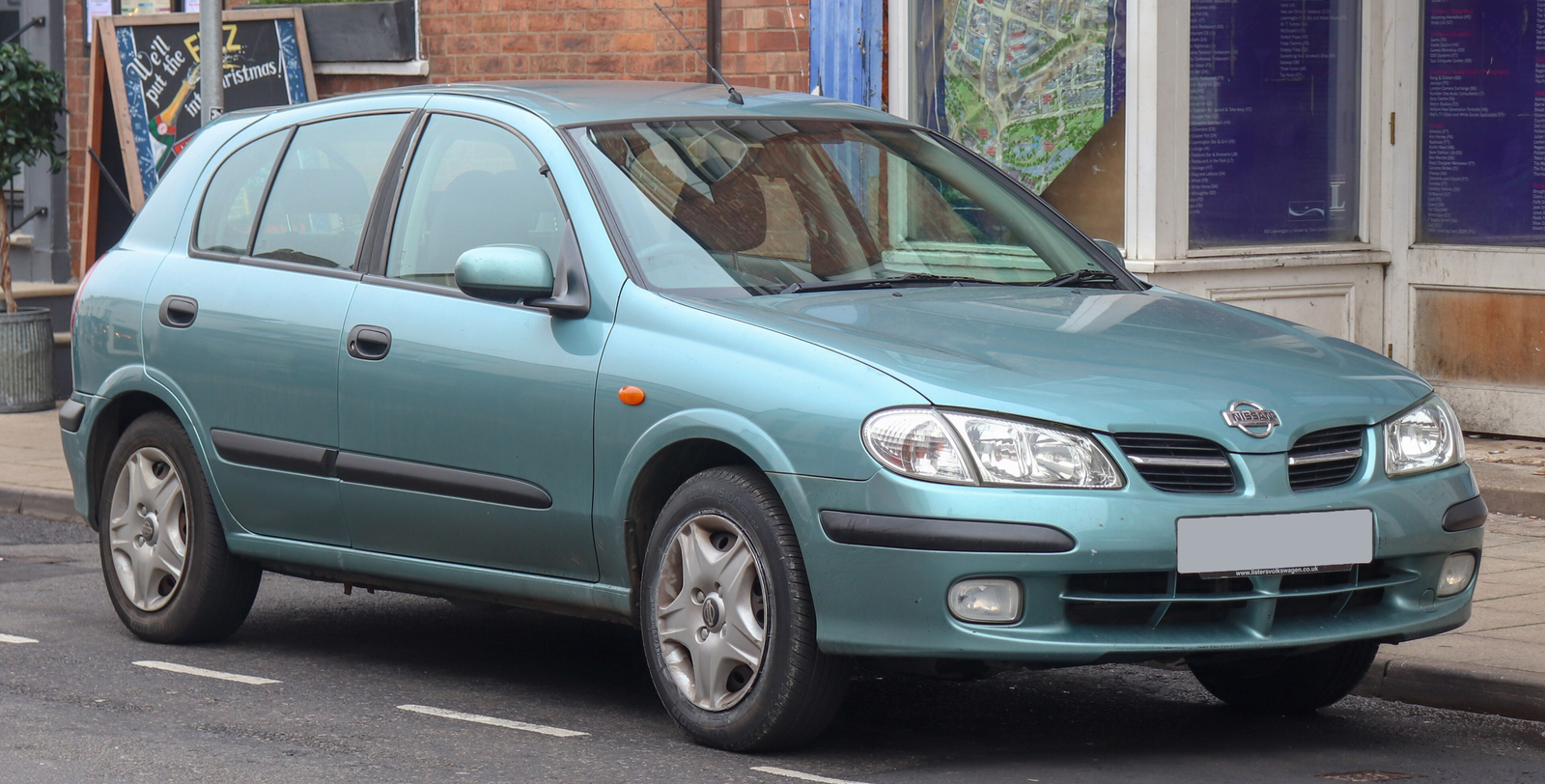
Korean assembly quickly earned a good reputation:
- bodies were processed with high quality
- the metal was distinguished by decent resistance
- the cost of the car remained competitive
After a slight restyling in 2006, the car entered the Russian market under the name Nissan Almera Classic. The starting price was $13,490 — at that time, a quite affordable sum for a full-fledged C-class sedan.
The marketing scheme worked perfectly. The Samsung brand was associated by most buyers exclusively with home appliances, while the Nissan name was perceived as a full-fledged Japanese car with a reputation and history.
Later, "Za Rulem" magazine noted that the model was actually a redesigned Nissan Almera N16 with preserved technical parts and updated exterior design. The car was not a direct new generation of Almera — rather, a separate branch with its own design and character.
Simplicity without Pretense
The buyer received a car without a hint of premium, but with a very successful balance of practicality and comfort. The interior was decorated with hard gray-black plastic, and the exterior remained as calm and understated as possible.
Despite its budget nature, the interior turned out to be quite cozy. The large three-spoke steering wheel was adjustable only for tilt, so tall drivers had to put up with imperfect ergonomics. But many remembered the front seats for their unexpected comfort. Owners even compared them to home sofas — that's how comfortable the seating position was.
The situation was more modest in the back:
- the sofa was formally considered a three-seater
- there was little legroom
- the central passenger got minimal space
- the backrest of the rear seat did not fold at all
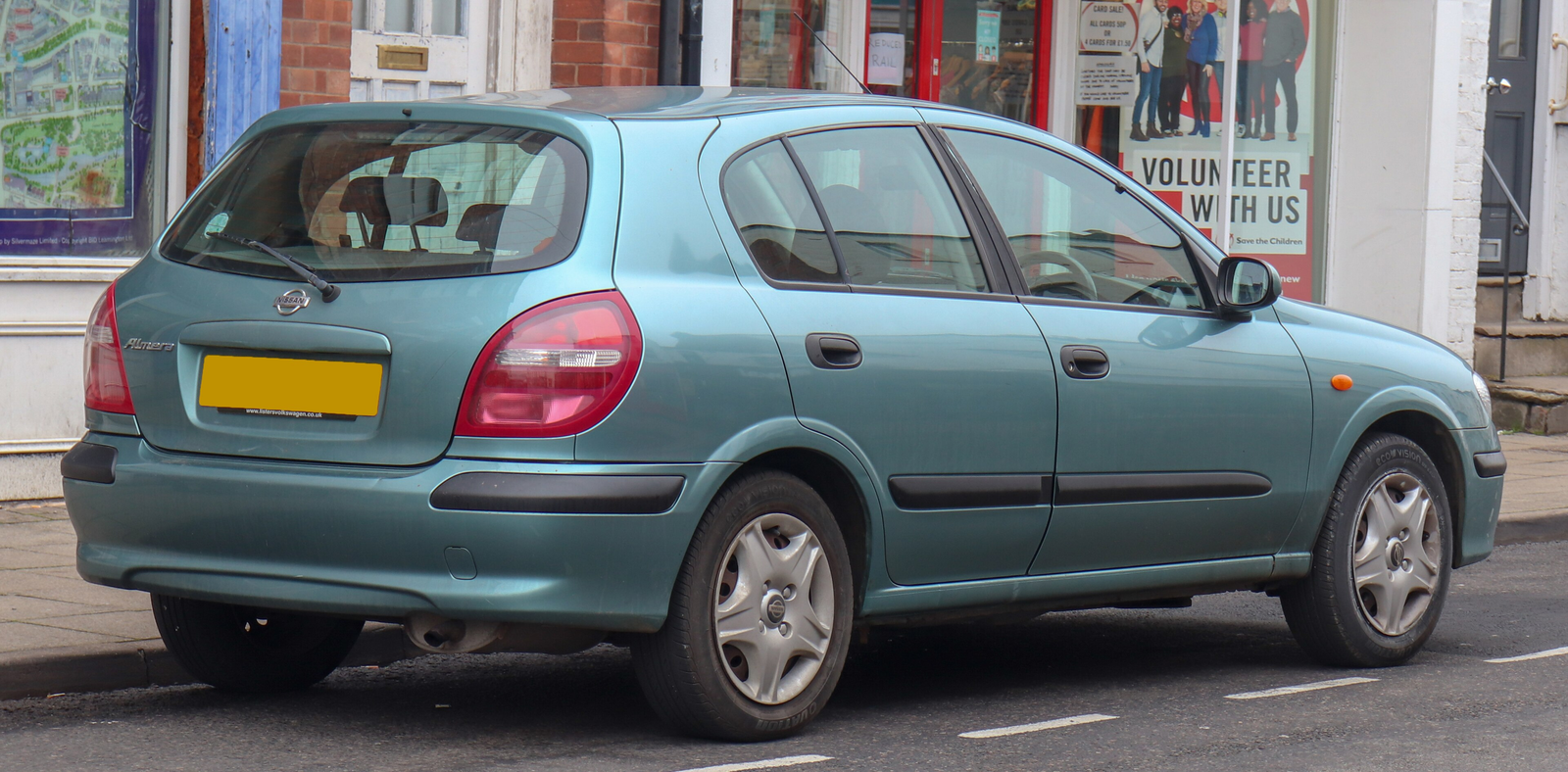
However, for an inexpensive family sedan, such compromises were perceived as quite normal.
A Body That Withstood Russian Winters Well
Assembly in Busan provided the model with another important advantage — corrosion resistance. The body confidently withstood reagents, snow, and humid climate.
The paintwork held up well:
- serious chips appeared mainly after significant impacts
- minor damage did not immediately start to rust
- the owner had time to calmly treat the problem area
True, in some areas, the paint layer was too thick, which caused it to lose elasticity over time. This was especially true for the lower edges of the body and doors. But even with such nuances, the car was considered a very successful compromise between cost, reliability, and the feeling of "Japanese" status.
Atmospheric Engine That Forgave Almost Everything
Under the hood of all versions, a single engine was installed — a 1.6-liter QG16DE naturally aspirated gasoline engine with 107 horsepower.
The engine design was as simple and proven as possible:
- cast iron cylinder block
- timing chain drive
- absence of hydraulic lifters
- unpretentiousness to fuel
The chain easily withstood 150–200 thousand kilometers with normal operation. "Za Rulem" expert Sergey Zinoviev later noted that the Almera Classic had an almost unique set of units — one engine and only two gearboxes, and the automatic transmission turned out to be more reliable than the manual.
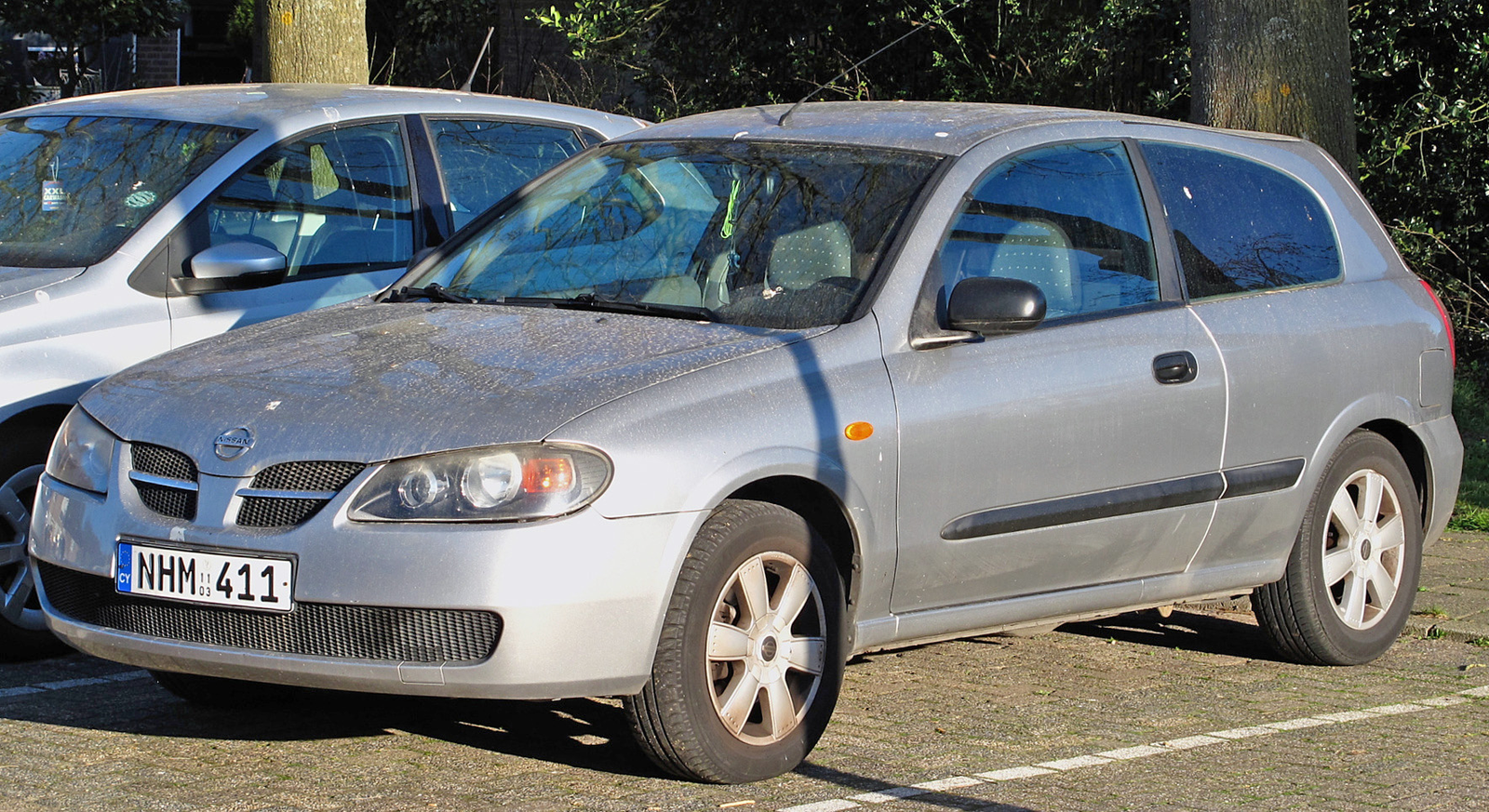
The engine itself caused almost no serious problems. Among the typical features, owners recalled:
- throttle contamination
- floating idle speed
- need for valve adjustment
All these works did not require serious financial investments and were performed without complex equipment. The engine worked quietly even on 92-octane gasoline and did not require expensive maintenance.
Why the Automatic Was Better Than the Manual
The situation with the manual gearbox was ambiguous. The five-speed transmission was characterized by noisy operation and a number of minor weak points.
The most common problems were:
- wear of synchronizers of the first and second gears
- humming of secondary shaft bearings after 150 thousand kilometers
- increased sensitivity to driving style
However, the four-speed Jatco RE4F03A automatic transmission earned a reputation as an almost indestructible unit. The gearbox had been used since the late 1980s and by the early 2000s had undergone many modernizations.
"Za Rulem" expert Alexander Vinogradov directly recommended choosing an automatic transmission. With regular oil changes — preferably twice as often as the official regulations — the gearbox easily covered up to 300 thousand kilometers without major repairs.
How the Almera Classic Drove on the Road
The Almera Classic never tried to look like a sports car, and it was for this honesty that many respected it.
The car was distinguished by:
- smooth and calm acceleration
- stability on the highway
- energy-intensive suspension
- low sensitivity to rutting
Without a front anti-roll bar, the body noticeably rolled in corners, but the car's behavior remained predictable.
Fuel consumption was also considered quite acceptable:
- with automatic — about 10–11 liters in the city
- with manual — slightly less
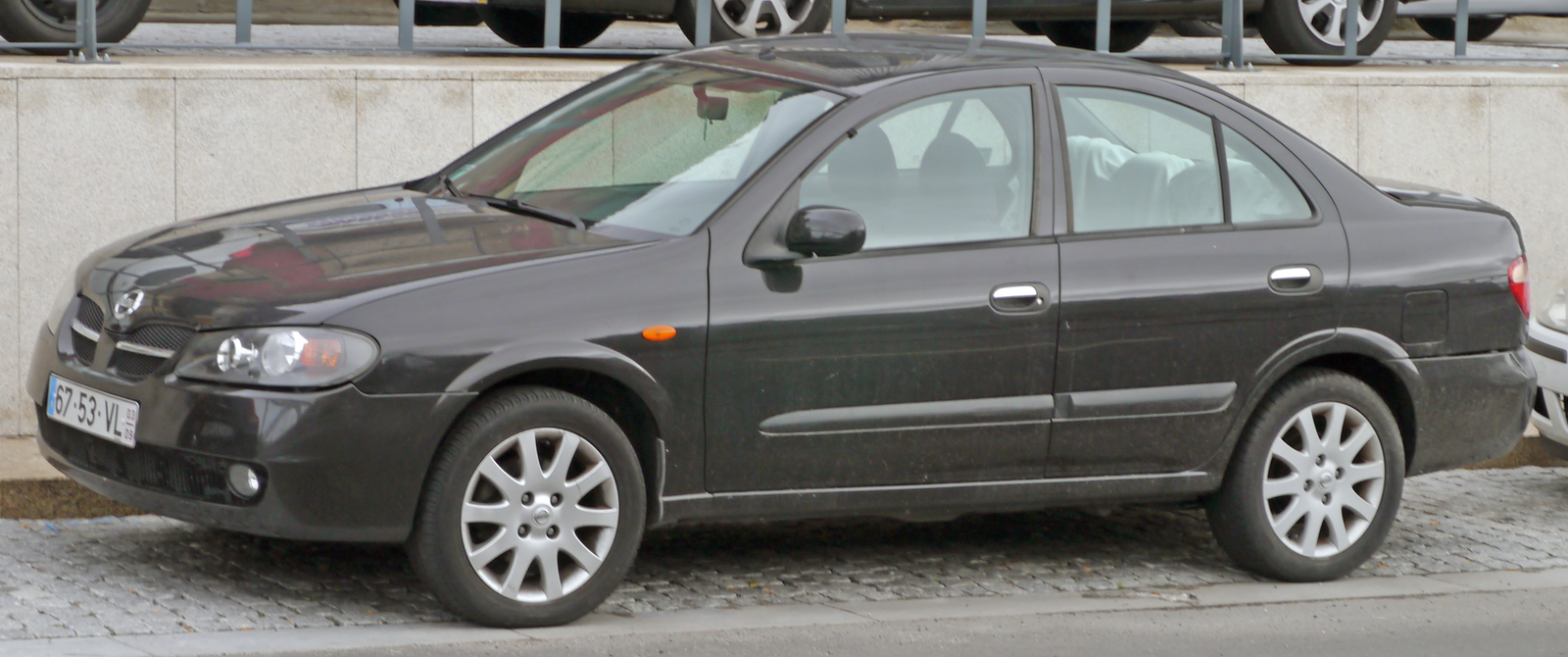
The heater worked very efficiently, quickly warming up the cabin in winter. The air conditioner also coped decently, although the distribution of air flows required manual adjustment — otherwise, either the rear passengers would freeze, or the driver would get hot.
Weaknesses and Age-Related Ailments
The car was not completely trouble-free, however. The main complaints of owners concerned electrical issues and minor details.
Most often mentioned were quickly burning out low beam lamps, cloudy headlights, fogging optics, clock malfunctions on the instrument panel, and problems with power window buttons.
Owners also specifically complained about poor headlight illumination in rainy weather and rapid contamination of optics.
Over time, some body elements also required attention:
- sills
- lower door edges
- rear springs
- shock absorber dust boots
- outer door handles
But almost all malfunctions were eliminated quickly and inexpensively. Many owners fundamentally serviced the car themselves and rarely resorted to service centers.
Parts from Lada and Folk Maintainability
A separate part of the Almera Classic's reputation was its surprising compatibility with available spare parts. When the fuel pump failed on some cars, owners found an unexpected solution — they installed an analog from a Lada Priora.
Such stories only strengthened the model's reputation as a maximally simple and tenacious car. Consumables were inexpensive, there were no problems finding parts, and most work was done literally "on the knee."
As a result, the Nissan Almera Classic turned into a typical "workhorse" — without special beauty, without outstanding dynamics, but with the ability to drive steadily for years and not ruin the owner with constant repairs.
Read more articles:
- Why Car Manufacturers Abandoned Full-Time 4WD
- Volkswagen W12 — the Forerunner of Bugatti Veyron
- Summer Heat Against the Car: Hidden Consequences