The ZAZ-965 and ZAZ-966 had a feature that many owners didn't notice right away. Under the mat on the cabin floor, there was a small rectangular metal hatch, bolted down. Its purpose raised many questions: why was it needed, why was it located there, and what was hidden under the cover?
Over time, several theories emerged about this detail, but only one of them truly corresponded to the car's design.
Why the "Zaporozhets" had such a hatch at all
The layout features of the "Zaporozhets" largely determined its technical solutions. The car had a rear-mounted engine and rear-wheel drive. At the same time, the fuel tank was located at the front — under the hood.
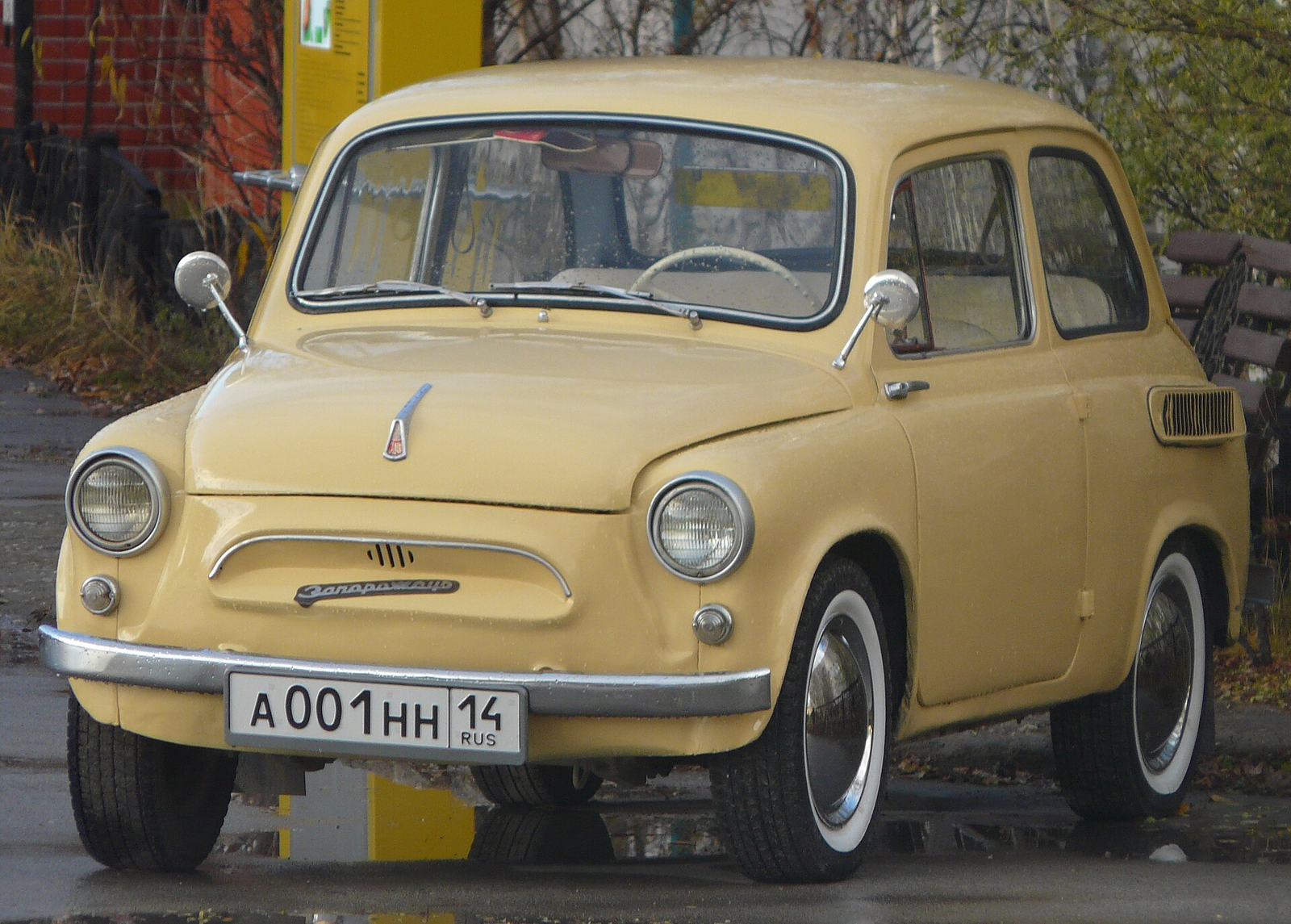
It was precisely because of this scheme that engineers had to find an unconventional solution for heating the cabin. Transferring heat from the engine, located at the rear of the car, to the front row of seats was not easy.
Early models, including the ZAZ-965, used an autonomous gasoline heater installed under the car's bottom. The system worked independently of the engine:
- the heater burned fuel
- the air was heated autonomously
- then the warm flow was supplied to the cabin
By modern standards, such a solution seemed unsafe and quite capricious, but in the 1960s, there were virtually no alternatives for such a layout.
The true purpose of the hatch
The metal hatch in the floor was specifically designed for servicing the heating system and related elements.
Through it, one could access:
- connecting pipes
- system valves
- individual heater components
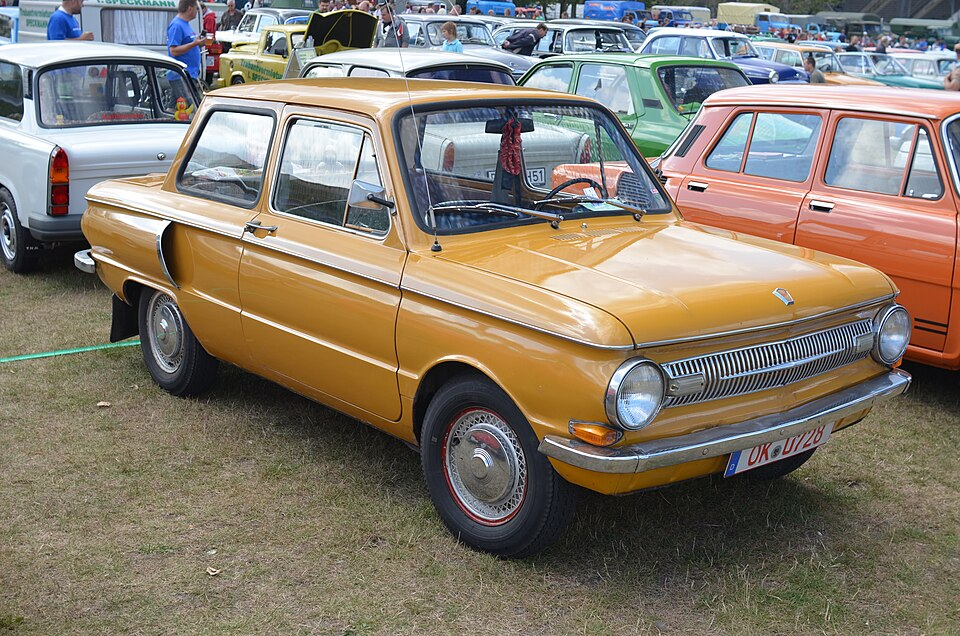
In addition, the hatch allowed for cleaning or blowing out the system without the need to drive the car onto a pit or lift. For Soviet operating conditions, this was an extremely practical solution.
The "Flintstones" legend
Over time, a much more famous version of the hatch's origin emerged among owners. It was believed that the opening was intended so that, if stuck in the mud, the driver and passengers could stick their feet out and help the car move, like the characters from the "Flintstones" cartoon series.
The story quickly became a popular automotive anecdote and perfectly fit the image of the "Zaporozhets" — a car around which there were always a huge number of jokes.
However, there is no real confirmation of this version:
- such a purpose was not mentioned in the documentation
- no engineering explanations existed for this
- the car's design did not require such a solution
In fact, it was just a folk tale that arose around an unusual detail.
What changed on the ZAZ-966
On the ZAZ-966, the car's design changed significantly. Along with this, the heating system was also redesigned.
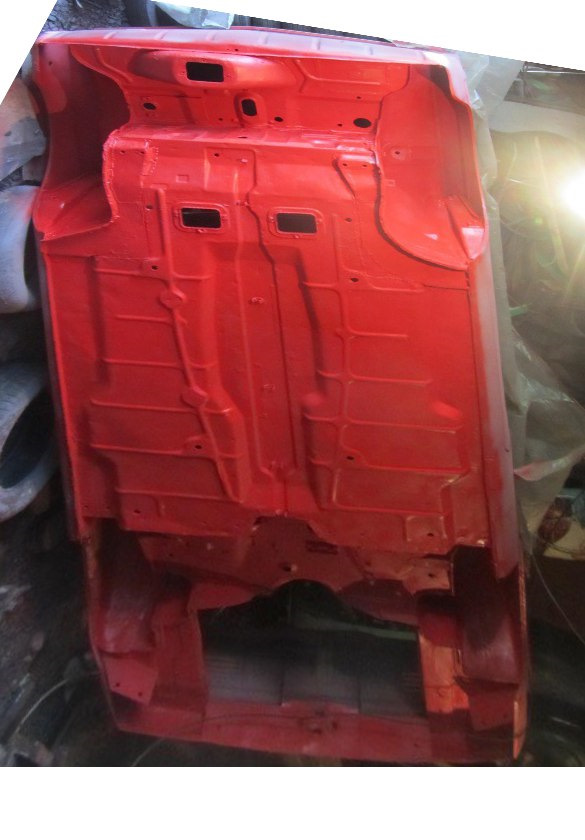
Now, heat came from the engine through air ducts, so the need for the previous gasoline heater option disappeared. Nevertheless, the hatch in the floor remained, although its purpose became different.
On the ZAZ-966, it provided access to:
- transmission elements
- handbrake rods
- individual components from under the car
Such a solution was again explained by the peculiarities of operation. Soviet cars were often repaired independently — right in the yard, on the roadside, or in a garage without proper equipment. The ability to quickly access some mechanisms through the cabin greatly simplified maintenance.
The role of disabled versions of the "Zaporozhets"
This design gained additional meaning in special modifications of the "Zaporozhets" for people with disabilities. Such cars were equipped with manual controls and were distributed through social security agencies under preferential programs or for free.
For owners with limited physical abilities, ease of maintenance was particularly important. A person moving on crutches or in a wheelchair could not always get under the car on their own.

In this case, the hatch became not just a convenient detail, but a truly important engineering solution that provided access to individual components directly from the cabin.
A simple detail as a reflection of the era
The small metal hatch in the floor of the "Zaporozhets" turned out to be a peculiar symbol of the Soviet automotive approach. Designers engineered the car not for ideal service centers, but for real operating conditions, where the car often had to be repaired independently and literally "in the field."
That is why even such an inconspicuous detail had a very practical meaning. Behind it was a calculation for simplicity, accessibility of maintenance, and the ability to keep the car in working condition without complex equipment.
Read more materials:
- How Porsche helped the Soviet automotive industry
- Hemi: the engine that was buried three times
- The largest gasoline ZIL in the history of the USSR: ZIL-133