In Europe, car manufacturers are increasingly switching to electric traction, and authorities in many countries are already discussing a complete abandonment of gasoline and diesel cars in the next 10–15 years. At first glance, the advantages of electric cars seem obvious: no exhaust, high torque from the first seconds, quiet cabin, and relatively low maintenance costs.
However, cars with internal combustion engines are not yet ready to give up their positions. Moreover, classic gasoline and diesel cars still have several serious advantages that are difficult to ignore even against the backdrop of the rapid development of electric transport.
Time-tested technology
The main trump card of ICE vehicles is predictability and reliability.
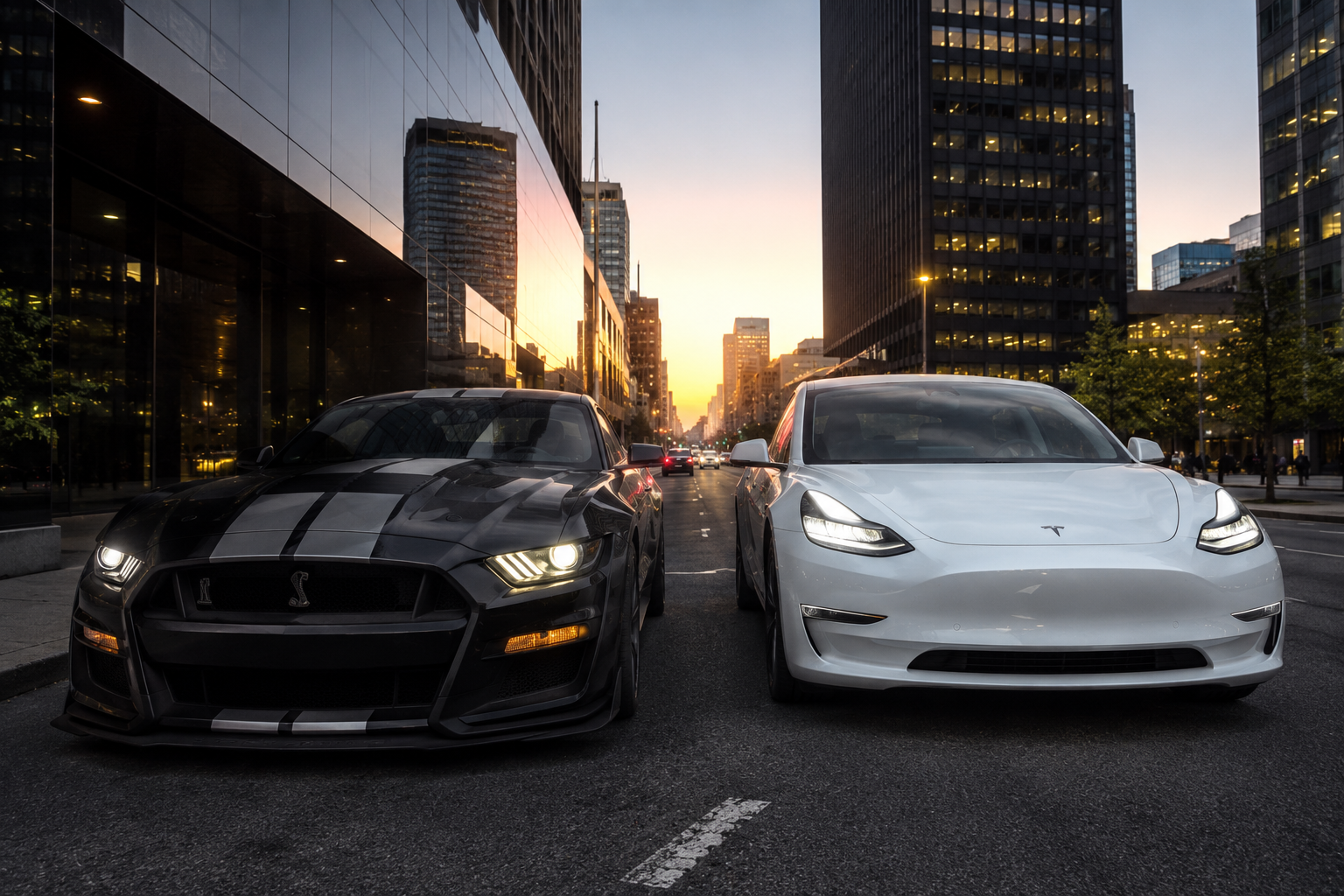
Internal combustion engine technology has been refined for over a hundred years. During this time, engineers have brought the design to an extremely high level of reliability. A modern gasoline or diesel engine can travel hundreds of thousands of kilometers without serious malfunctions if the owner follows the maintenance regulations.
For most buyers, this factor remains key.
People want to understand:
- where to service the car
- how expensive repairs will be
- how the car will behave after several years of operation
- is it possible to quickly fix a malfunction on the road
This is where electric vehicles still face difficulties, especially in Russian conditions.
Why Russia remains ICE territory
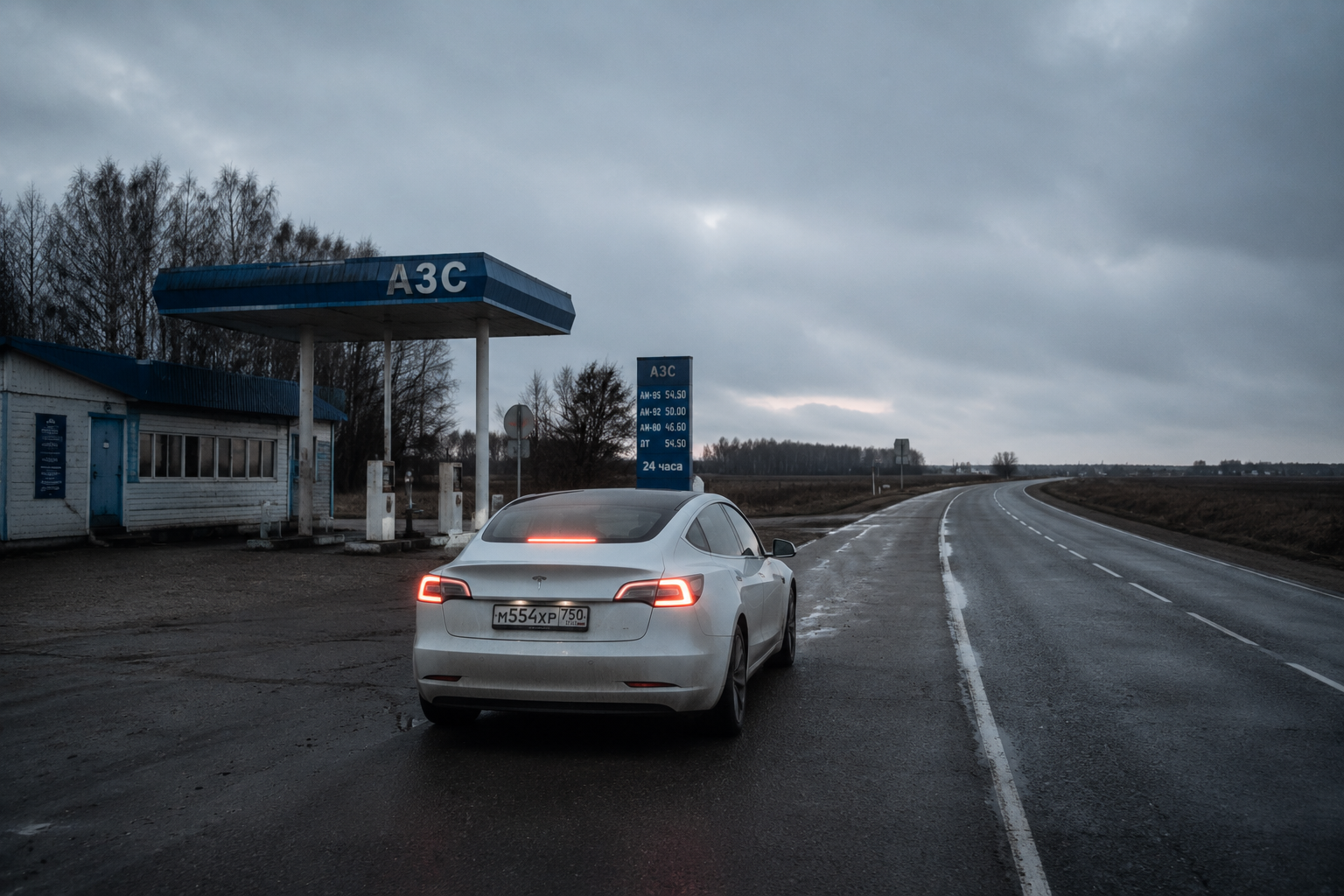
The infrastructure for electric cars in Russia is developing significantly slower than in Europe or China.
Even with the appearance of charging stations in large cities, the situation outside megacities remains much more difficult. It is enough to drive a few hundred kilometers to face a shortage of charging infrastructure.
With an ICE car, everything is much simpler:
- gas stations are found almost everywhere
- gasoline and diesel are available even in small settlements
- a mechanic can be found in almost any region
At the same time, repairing an electric car outside large cities still remains a serious problem. Especially when it comes to malfunctions of the high-voltage system or battery.
For a country with vast distances, this is still a critically important factor.
Price still plays a decisive role
The second serious argument in favor of ICE vehicles is cost.
Even a well-equipped gasoline or diesel model is usually significantly cheaper than an electric car of a comparable class.
Yes, electric car prices are gradually decreasing, but full price parity is still a long way off.
Moreover, expenses are not limited to just buying a car.
For the mass adoption of electric cars, a full-fledged infrastructure is needed:
- charging stations in courtyards
- fast terminals on highways
- service centers
- modernization of power grids
- charging complexes in small towns
All these processes require huge investments and time.
In Russia, where distances between regions are measured in thousands of kilometers, the transition to electric transport will objectively take much longer than in compact European countries.
ICE vehicles, meanwhile, are already fully integrated into the existing infrastructure and do not require additional operating conditions.
Electric cars are fast, but emotions are for ICE
There is another factor that is difficult to measure with numbers.
For a huge number of people, a car is not just a means of transportation.
A car is also chosen for emotions.
This is where electric vehicles lose out to traditional cars most noticeably.
Even the most modern electric cars with instant acceleration cannot replace the sensations that a classic internal combustion engine provides.
Car enthusiasts appreciate:
- engine sound
- vibrations
- engine response to throttle
- power unit operating characteristics
- emotional connection with the car
A quiet and smooth electric car is perceived by many as too sterile and lacking character.
This is especially true for cars with large naturally aspirated or turbocharged engines – V6, V8, and V12, the sound of which has long been part of automotive culture.
Ecology is not so clear-cut
Electric car proponents rightly point to the problem of harmful emissions.
ICEs do indeed pollute the atmosphere and remain a source of carbon dioxide emissions.
However, it is also difficult to call electric vehicles completely "green".
The main questions arise from battery production.
The production of traction batteries requires:
- lithium
- cobalt
- nickel
- rare earth metals
Their extraction is accompanied by a serious burden on the environment.
In addition, the problem of battery disposal after their service life remains unresolved.
As a result, the environmental burden does not disappear completely, but in many ways simply shifts from the car's operating stage to the component production and recycling stage.
Why ICE will not disappear for a long time
Electric vehicles are indeed becoming an important part of the automotive future. Each year there will be more of them, and technologies will continue to develop.
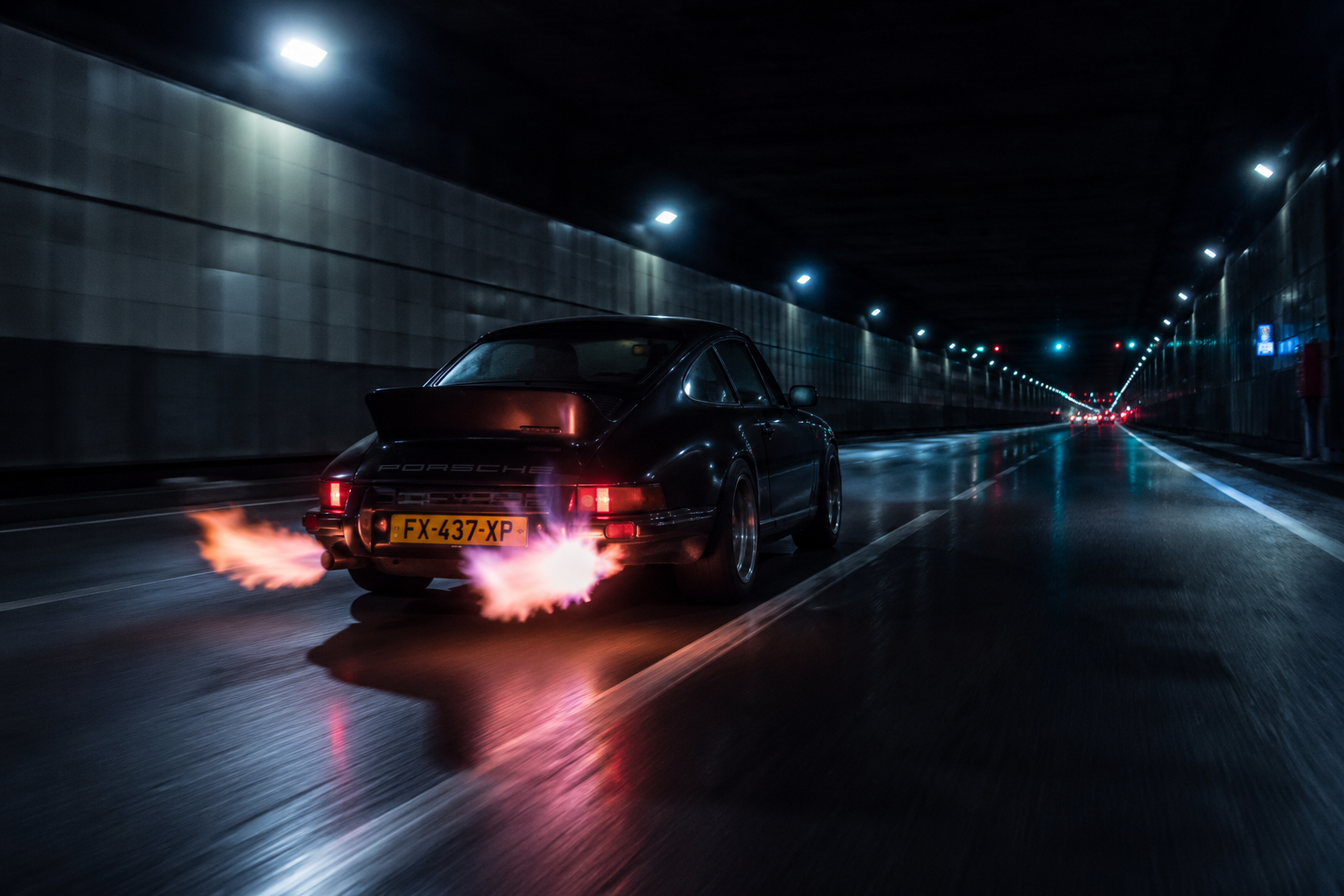
But this does not mean that cars with internal combustion engines will disappear in the near future.
ICEs retain their strengths:
- developed infrastructure
- accessibility
- familiar service
- high autonomy
- emotional component
This is especially relevant for Russia, where a car is still perceived not only as transport, but also as part of culture.
Therefore, the roar of the engine and the smell of gasoline will remain a familiar part of the automotive world for a very long time, despite the rapid development of electric traction.
Read more materials:
- How the first-generation Golf conquered the world
- Why the "six-hundredth" Mercedes was adored in the CIS
- Kia Tasman in Russia: prices, problems and prospects