Every car manufacturer has its own approach to model designation. Some companies use memorable names, while others prefer complex indices whose connection to the car itself is not always obvious. Against this backdrop, Mercedes-Benz took its own path and created a class system that allows cars to be categorized by size, purpose, and prestige level.
How the Modern Mercedes-Benz Classification Emerged
Until the early 1990s, understanding the names of the German brand's cars was not easy. In most cases, the designation was directly linked to the engine. For example, the 500E index indicated a five-liter engine, and the letter "E" referred to the fuel injection system.
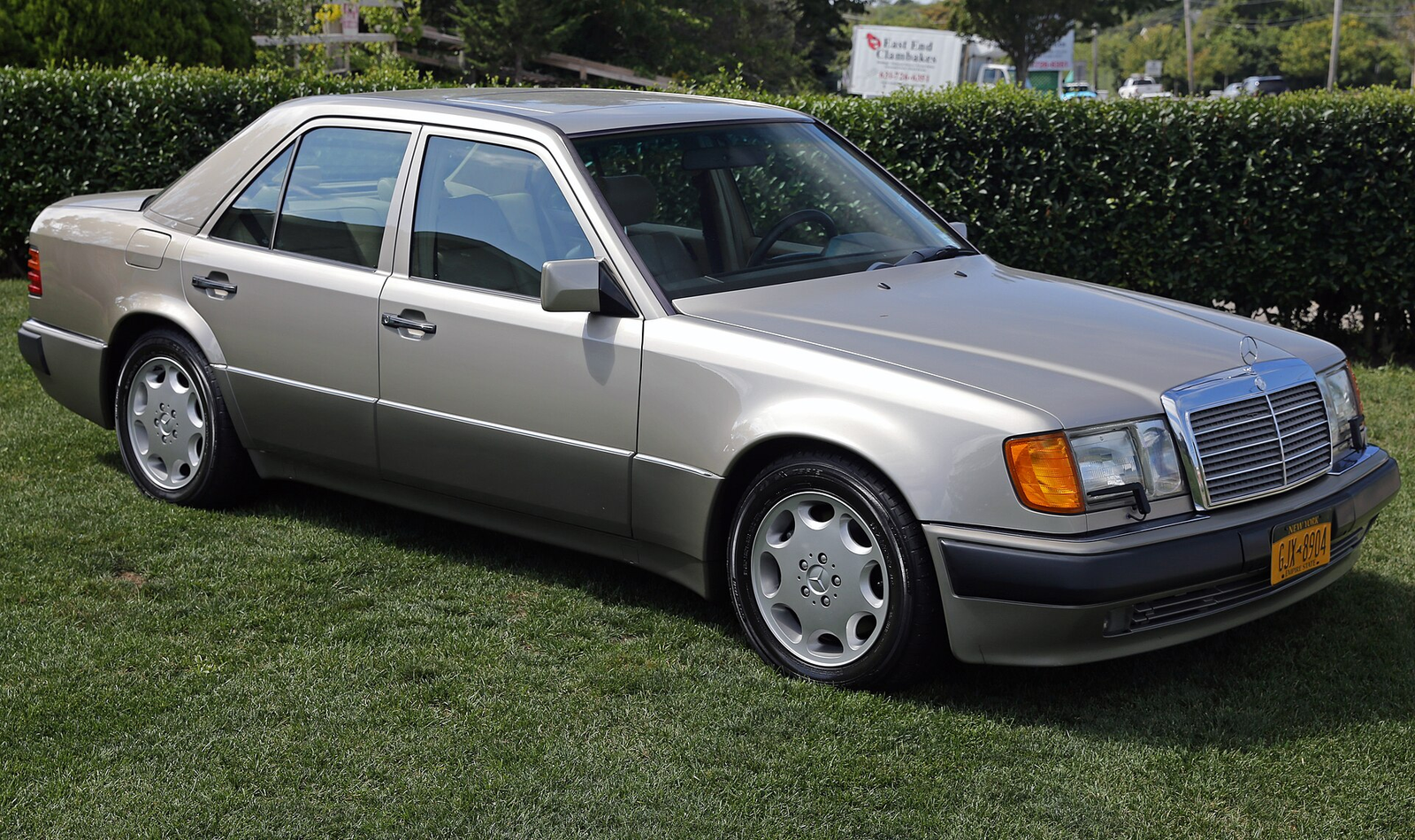
The main difficulty lay elsewhere: there was no classification as such. Cars of completely different sizes and purposes could have similar indices, so it was not always possible to understand from the name what exactly the buyer was looking at – a compact sedan or a luxury limousine.
Over time, such a system began to create problems not only for customers but also for the manufacturer itself. As a result, the company decided to carry out a large-scale reform.
The turning point was the release of the W202 model in 1993. It was then that Mercedes-Benz changed the principle of designations and began to place a letter before the numerical index. This is how the C-Class appeared, and with it, the entire modern structure of the model range.
The new scheme immediately allowed to determine:
- car size;
- its position in the brand's lineup;
- prestige level;
- engine power.
Such a solution turned out to be much more significant than it might have seemed at first glance. It became easier for buyers to navigate among the models, and the cars themselves received an additional status component. This was especially true for cars with the letter S, which quickly became a symbol of belonging to the segment of the most prestigious cars.
The success of the system was so noticeable that its ideas were subsequently adopted by other manufacturers.
What the Main Letters Mean
The foundation of the modern Mercedes-Benz classification consists of three key classes: C, E, and S.
At the top is the S-Class. The letter comes from the German word Sonderklasse, which translates as "special class." This line is traditionally considered the brand's flagship and serves as a kind of demonstration of all its achievements.
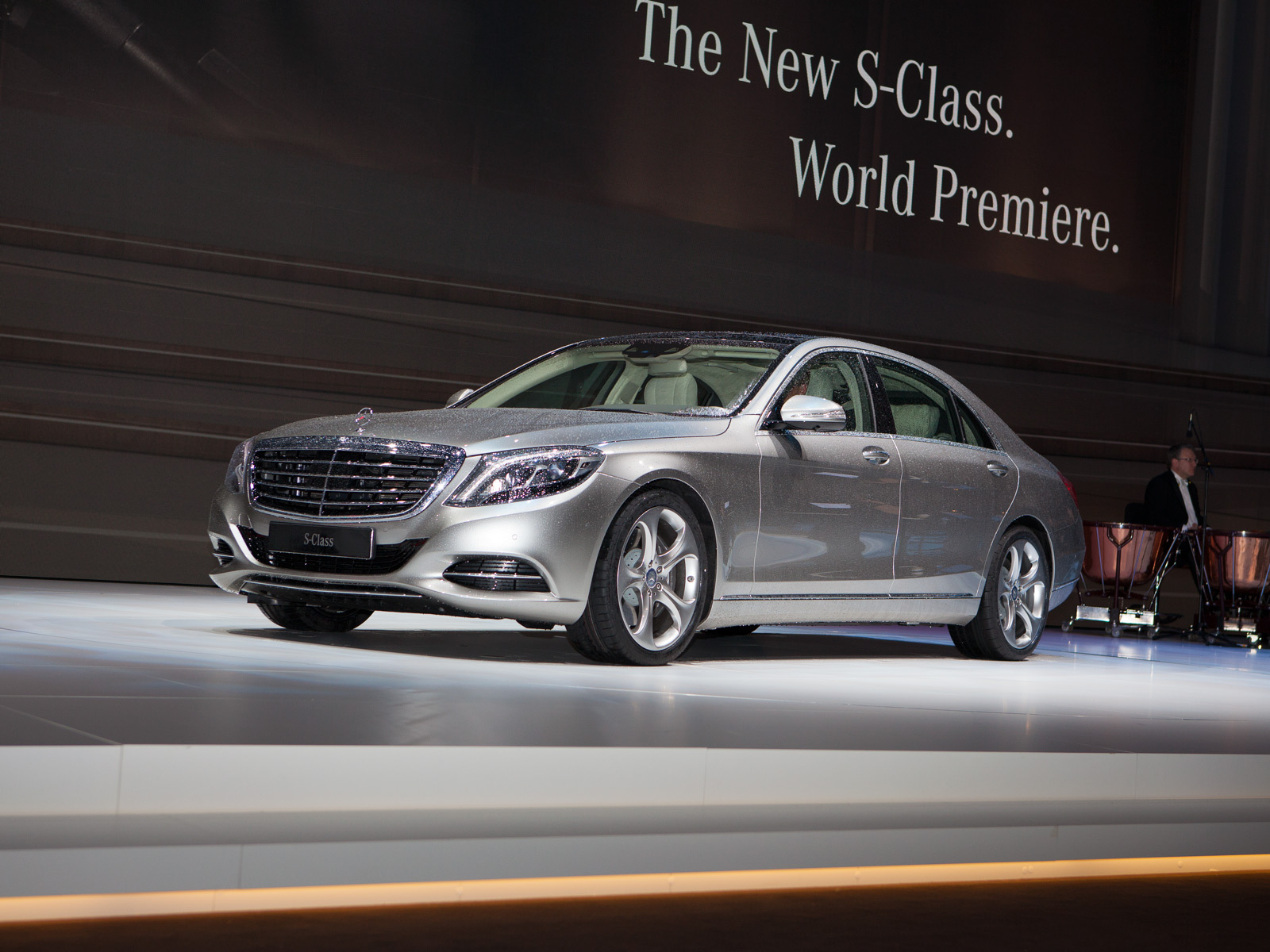
Many technologies that later became common in the automotive industry first appeared on S-Class models. This is where airbags, the ABS system, and a number of other solutions that subsequently became an industry standard debuted.
The other main classes occupy the following positions:
- E-Class belongs to the business segment;
- C-Class represents the mass premium segment.
At the same time, compact models often receive technologies previously seen on flagship cars, although often in a simpler form.
The Emergence of A- and B-Class
In the late 1990s, Mercedes-Benz decided to expand its presence in more affordable market segments. This led to the front-wheel-drive A-Class hatchback.
The first cars in this series did not meet the manufacturer's expectations. The car showed stability problems and did not perform well during tests. The company later refined the design and corrected the shortcomings.
The B-Class also took its place alongside it. This line was aimed at family buyers and focused on practicality, comfort, and convenience for everyday use.
Why Sports Models Got the Letter L
The Mercedes-Benz sports direction also received its own designations. One of the most famous examples is the SL-Class.
In this case, the letter L comes from the German word Leicht, which means "light." Thus, the manufacturer emphasized the car's sporty character and its focus on dynamic driving.
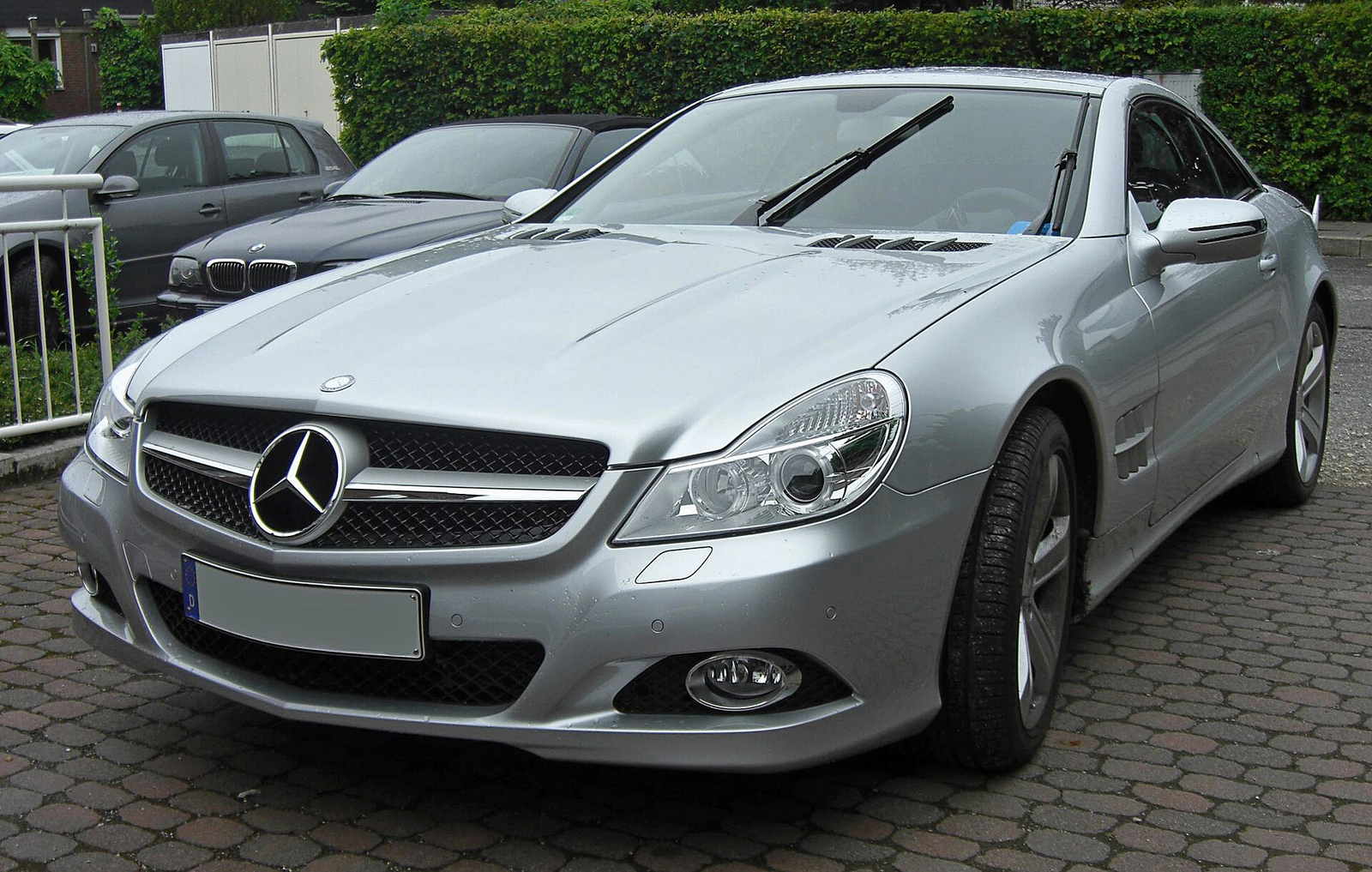
However, the meaning of the letter depends on the specific model. For example, in the S500L designation, the letter L has a different origin. Here it is derived from the word Lang and indicates an extended wheelbase, designed to increase passenger comfort.
As a result, a single letter can not only tell about the car's design but also give an idea of its purpose.
How GL SUVs Appeared
After the introduction of the new system, the model range became much clearer, but one category still stood out from the general logic. This was about SUVs.
For a long time, it was difficult for buyers to determine the place of a particular crossover or SUV in the brand's overall hierarchy. To eliminate this problem, in 2015, Mercedes-Benz revised its own designation system.
This is how the GL class appeared. The first part of the name emphasized the off-road affiliation of the model, and the second linked it to existing passenger car classes.
The new scheme looked like this:
- GLA became the off-road equivalent of the A-Class;
- GLC was positioned to correspond to the C-Class;
- GLE took its place alongside the E-Class.
Thanks to this, the structure of the model range became much clearer, and the manufacturer gained the opportunity to expand the lineup without additional confusion.
Why the G-Class Remained an Exception
One important exception remained from the general rule – the G-Class.
In fact, we are talking about the famous "Geländewagen," which has long become an independent symbol of the brand. Its recognition was so high that it was considered pointless to include the model in the new designation system.
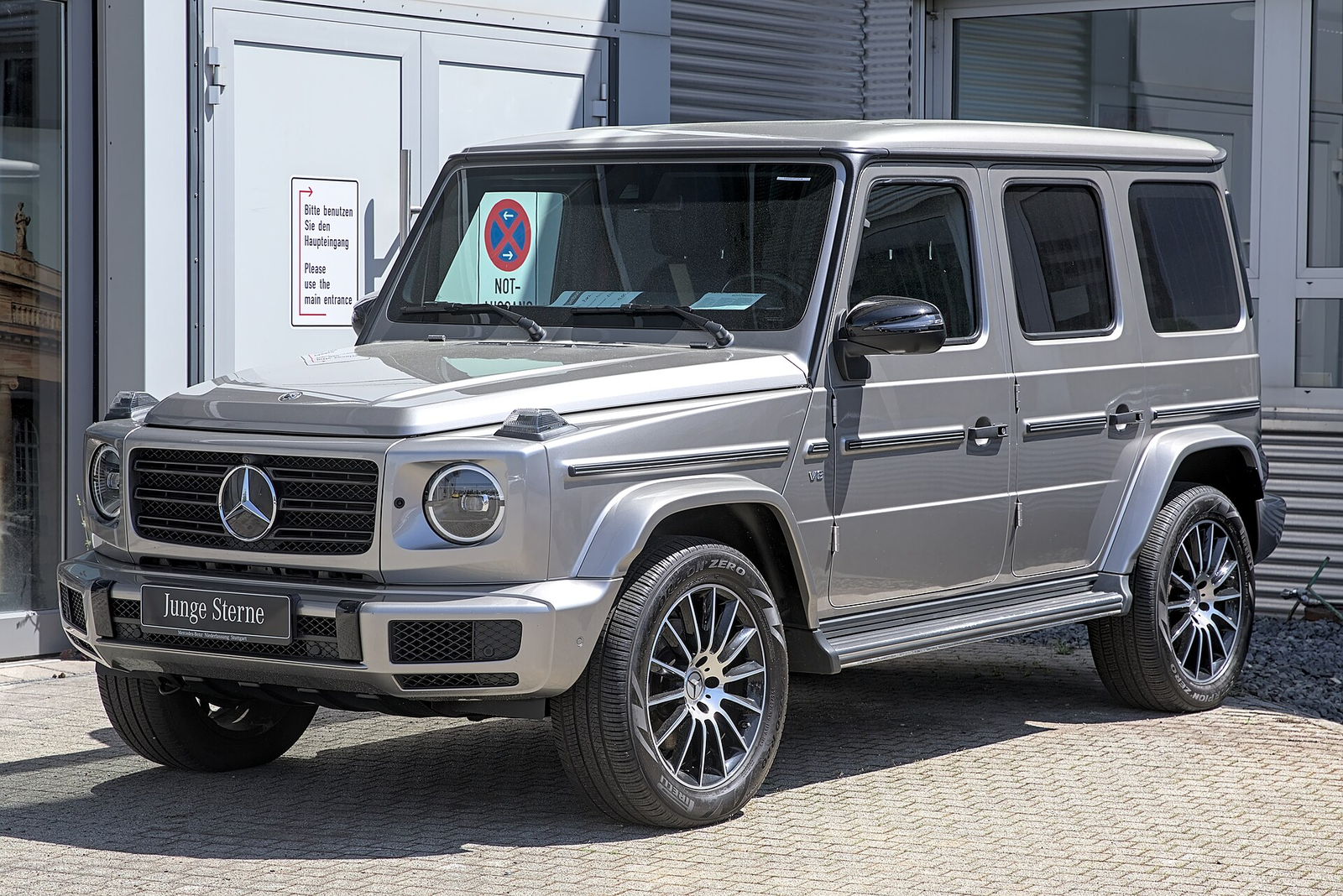
Therefore, the G-Class retained its own historical name and still stands apart from the brand's other SUVs.
Electric Vehicles and the Emergence of the EQ Family
A new stage in the development of classification began with the release of electric models. To distinguish them from traditional cars, Mercedes-Benz created a separate direction called EQ, which stands for "electric intelligence."
After that, familiar letter designations of classes began to be added to the abbreviation. This is how:
- EQA;
- EQB;
- EQE.
For buyers, this logic turned out to be as clear as possible. In essence, familiar models received an electric alternative with a traction battery, an electric motor, and features characteristic of the new family.
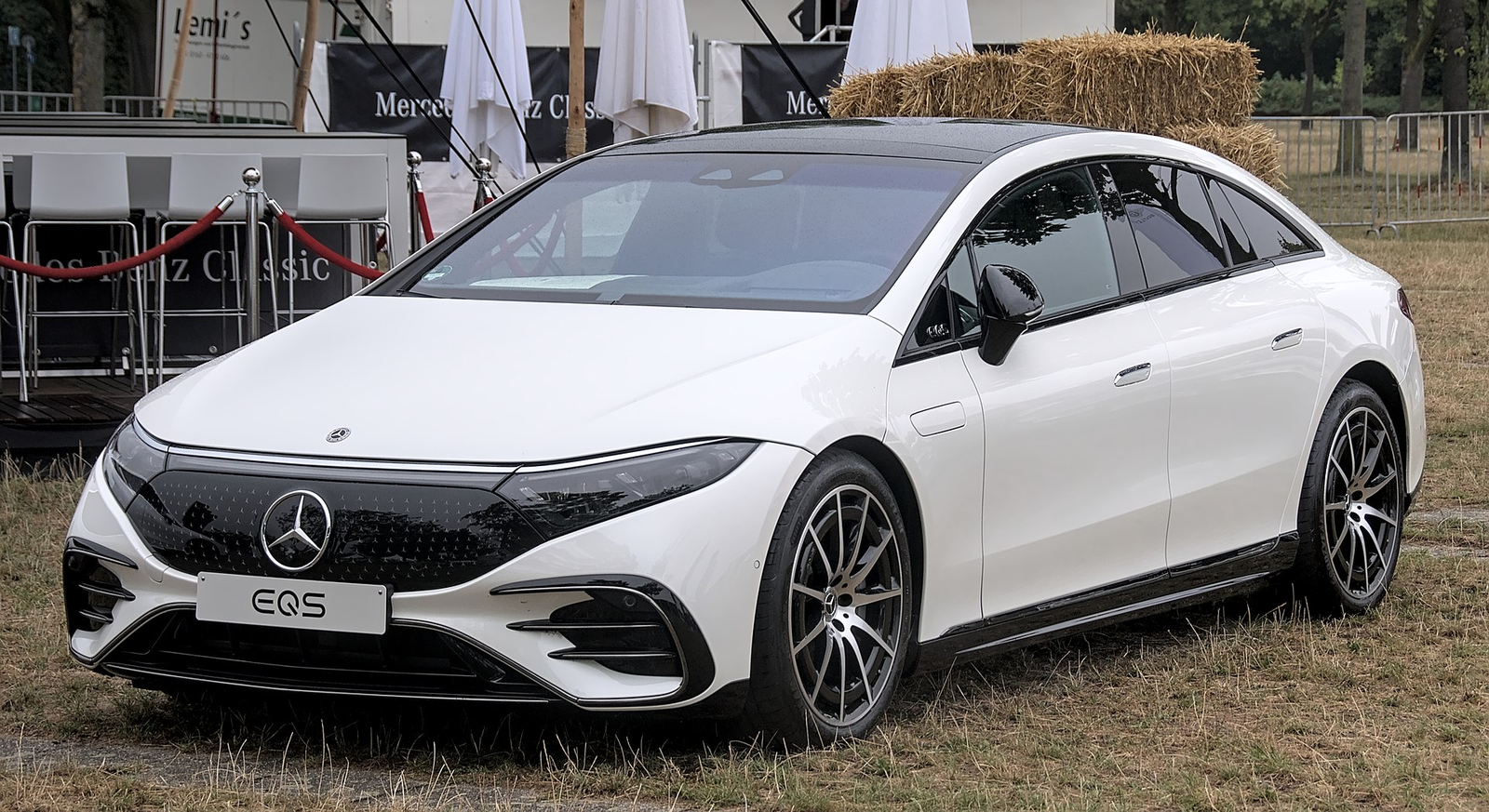
The EQS became the pinnacle of the lineup. This electric car took the place of the flagship and received the richest equipment available for the brand. At the same time, the electric architecture expanded the technical capabilities of the model and significantly increased its cost.
Thus, the classification system created in 1993 continues to evolve today. Despite the emergence of new segments, SUVs, and electric vehicles, its main idea remains the same: by a few letters in the name, the buyer should immediately understand what place the car occupies in the Mercedes-Benz lineup and what audience it is intended for.
Read more materials:
- SAZ-2500: a dump truck that could do more than others
- Why you shouldn't be afraid of tire repair with a plug
- How to cool the interior without air conditioning in a minute
Комментарии