A few years ago, Chinese cars were perceived in the Russian market more as an exotic. They were criticized for poor corrosion protection, questionable build quality, and a short service life of individual components. Many were openly skeptical of such cars and compared them to smartphones: they quickly become obsolete, and repairs are often too expensive or impractical.
Today, the situation has changed dramatically. Chinese brands have occupied a significant part of the Russian market, and many models offer modern design, rich equipment, and a high level of comfort. However, along with the growth in popularity, a problem that is rarely discussed when buying a car is increasingly surfacing – the availability and selection of spare parts.
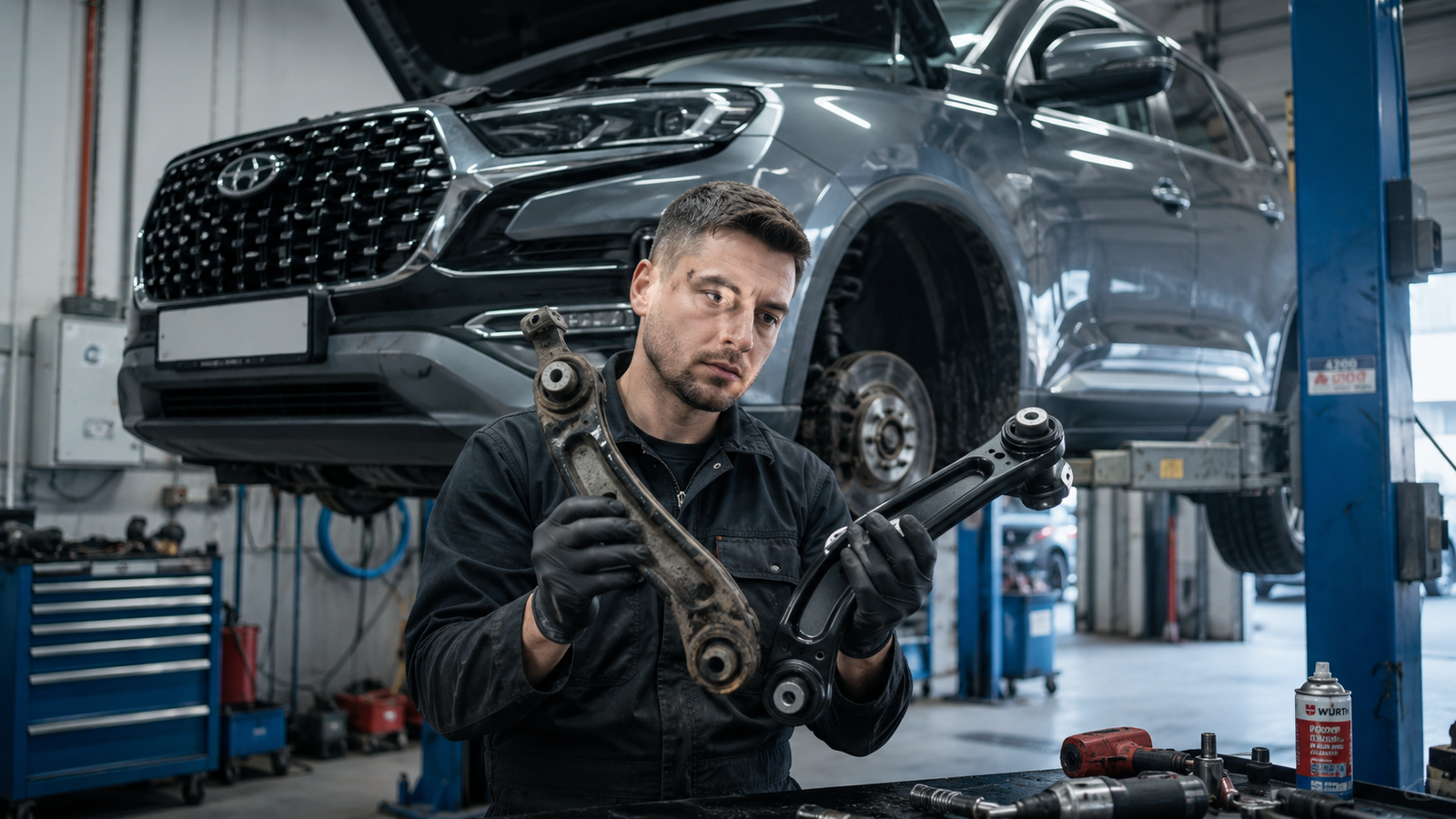
This is where owners often face unexpected difficulties.
When VIN no longer guarantees the result
For most major global manufacturers, there has long been a clear car maintenance system.
The VIN number contains information about the car:
- date of manufacture;
- trim level;
- engine;
- gearbox;
- design features.
Based on this code, a dealer or store can usually easily determine the original part number, after which the necessary component is ordered through a catalog.
This scheme has been developed by Japanese, European, and Korean manufacturers for decades. Thanks to this, an entire ecosystem of suppliers, catalogs, and analog manufacturers has formed around popular models.
With some Chinese cars, the situation can be more complicated.
The reason is that some manufacturers actively change component suppliers even within the same model generation. Formally, the car remains the same, but individual components may differ from batch to batch.
Changes can affect:
- suspension elements;
- brake mechanisms;
- electronic units;
- sensors;
- individual wiring details.
As a result, VIN does not always guarantee a 100% match of the part without additional verification.
When the ordered part does not fit
Such features are most noticeable when repairing the chassis or electronic systems.
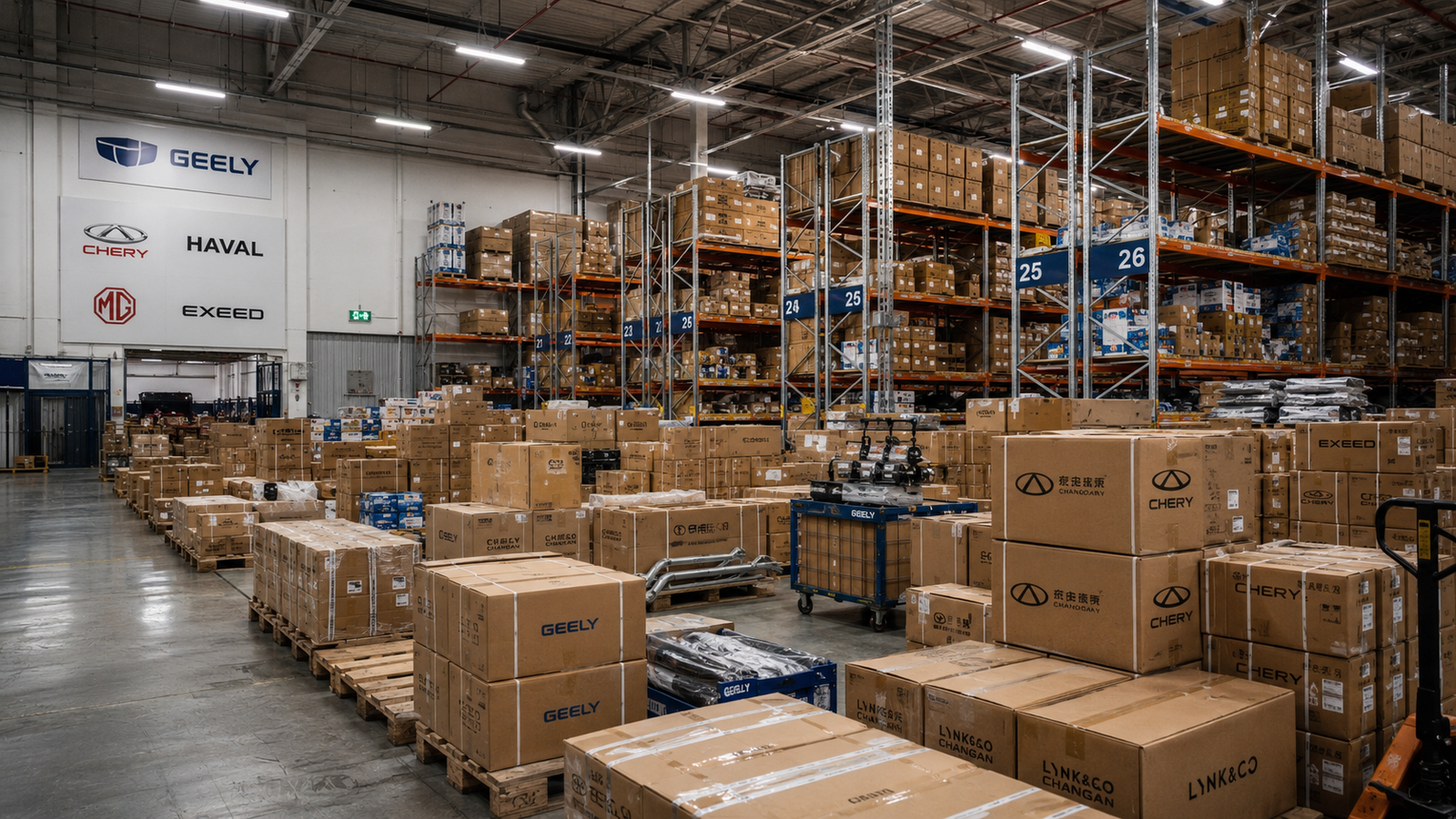
A typical scenario is as follows:
- the owner provides the VIN;
- the store selects the part from the catalog;
- the part is delivered;
- during installation, it turns out that it differs from the one installed on the car.
The difference can be minimal:
- a different installation angle of the silent block;
- a different lever length;
- a different taper of the ball joint;
- incompatible connector pinout.
For decorative elements, such an error is unpleasant, but not critical.
It's a completely different matter when it comes to:
- suspension parts;
- steering;
- brake system;
- engine components.
In such cases, an incorrectly selected spare part means not only a loss of time, but also additional costs.
Why the analog market is still lagging
For popular European, Japanese, and Korean models, there is a huge market for non-original parts.
For decades, independent manufacturers have produced alternatives to original components, allowing owners to choose between several options in terms of price and quality.
With Chinese cars, the situation is developing differently so far.
Analog manufacturers need time to:
- study the original part;
- develop their own production;
- conduct tests;
- establish supplies.
This can take years.
During this period, some Chinese models already receive restyling or serious design changes. As a result, the replacement market simply does not have time to adapt to such rapid updates of model ranges.
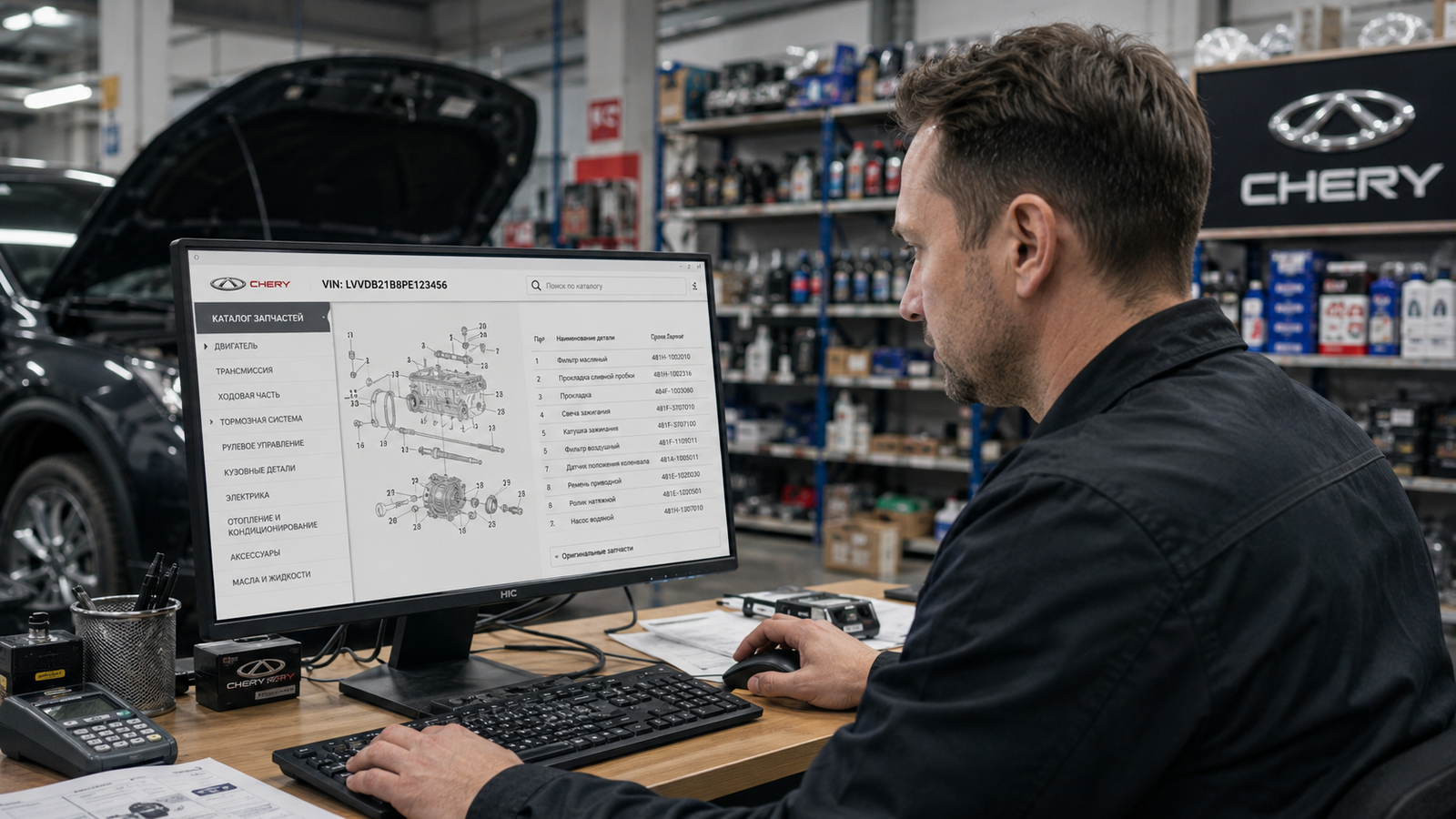
Therefore, owners of new Chinese cars are often tied to original components.
Body repair becomes a separate problem
Body parts remain a particularly sensitive topic.
Modern Chinese cars are equipped with a developed passive safety system and effective crumple zones. This helps protect the driver and passengers in a collision.
However, the consequences of even relatively minor accidents can be very noticeable for the car itself.
After a minor accident, it is often necessary to replace several elements at once:
- bumper;
- reinforcement;
- optics;
- trunk lid;
- plastic trim parts.
The main difficulty is not so much in the repair, but in waiting for the necessary components.
For some models, delivery times can stretch for months, especially if it is a rare version or painted body elements.
As a result, the car sometimes remains without full restoration for a long time.
Why used parts don't always help
At first glance, car dismantlers could solve the problem.
This scheme has long worked with Japanese, European, and Korean cars. However, for many modern Chinese models, this market is still in its infancy.
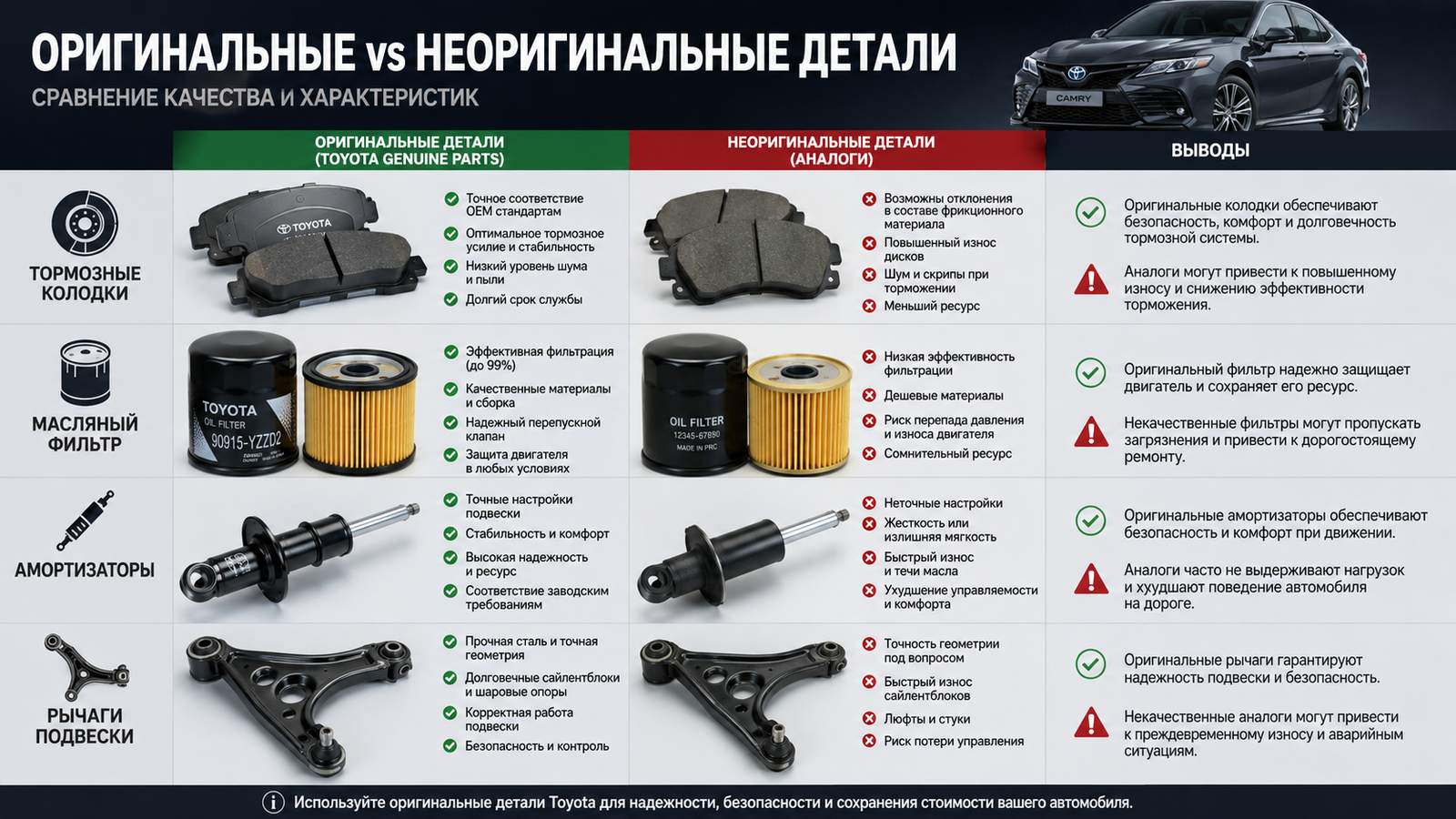
There are several reasons:
Firstly, a significant portion of cars are still relatively new.
Secondly, many cars are under loan programs or warranty.
Thirdly, dismantlers find it difficult to predict demand for specific parts.
Therefore, even popular models cannot yet boast an abundance of available contract components.
As a result, finding individual body elements or optics sometimes turns into a lengthy process.
Is the history of Japanese cars repeating itself?
A similar situation has already occurred in the Russian market.
In the 1990s, owners of many Japanese cars also faced a shortage of spare parts and long delivery times.
Over time, the market adapted:
- specialized warehouses appeared;
- a network of car dismantlers was formed;
- the number of analog manufacturers increased;
- technical information accumulated.
As a result, servicing Japanese cars became much simpler and more affordable.
With Chinese cars today, a similar process is happening, but it is developing much faster due to high competition between brands and the rapid updating of model lines.
How owners are solving the problem now
In practice, many owners of Chinese cars are gradually forming their own sources of information.
A large role is played by:
- specialized forums;
- thematic communities;
- owner clubs;
- specialized chats.
It is there that information often appears about the compatibility of parts between different models, alternative part numbers, and trusted suppliers.

Owners often find solutions themselves, which independent services later begin to use.
In fact, a dedicated service infrastructure is gradually forming around popular Chinese cars, although it is still far from the level of the most common global brands.
Modern Chinese cars have long ceased to be the vehicles that people used to joke about ten years ago. They have become significantly more technological, comfortable, and attractive to buyers.
However, along with this, another problem has emerged – maintenance and finding spare parts.
The main difficulty today is not so much the quality of the cars themselves, but the youth of the market. Catalogs, warehouses, analog manufacturers, and the used parts market are still forming.
Therefore, when choosing a Chinese car, it is important to evaluate not only the engine, trim level, and cost, but also the availability of components, delivery times, and the development of the service infrastructure. These factors often begin to play a decisive role several years after purchasing the car.
Read more materials:
- Why Ford disassembles V8 engines daily
- What an oil dipstick can tell in 30 seconds
- New rules are being prepared for cars older than 30 years
Comments