The anomalous heat observed this summer in many regions of the world affects not only people but also cars. According to the American Automobile Association (AAA), high temperatures significantly increase the risk of technical malfunctions, especially during long trips.
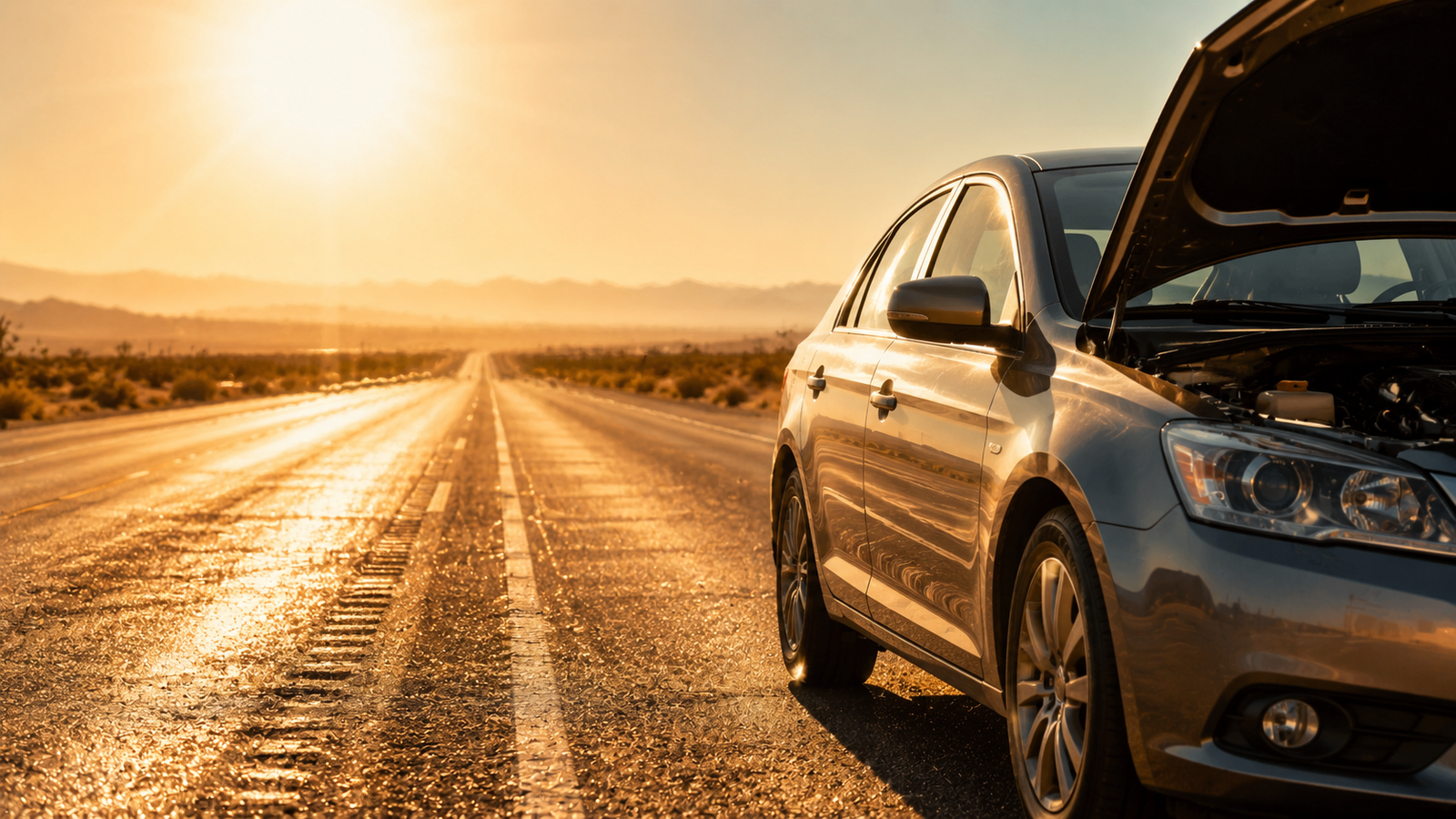
Experts remind that one of the most vulnerable elements of a car remains the battery. Despite common belief, intense heat can shorten its lifespan no less than frost. If the battery is already three to five years old, the probability of failure significantly increases, which can lead to the inability to start the engine.
It is equally important to check the coolant level. It is the coolant that dissipates excess heat from the engine to the radiator, preventing overheating. If there is insufficient antifreeze or a malfunction in the cooling system, the engine can quickly reach critical temperatures.
Specialists also advise not to postpone changing the engine oil. It not only lubricates engine parts but also helps dissipate some of the heat. Old or degraded oil performs this task less effectively, increasing the load on the power unit.
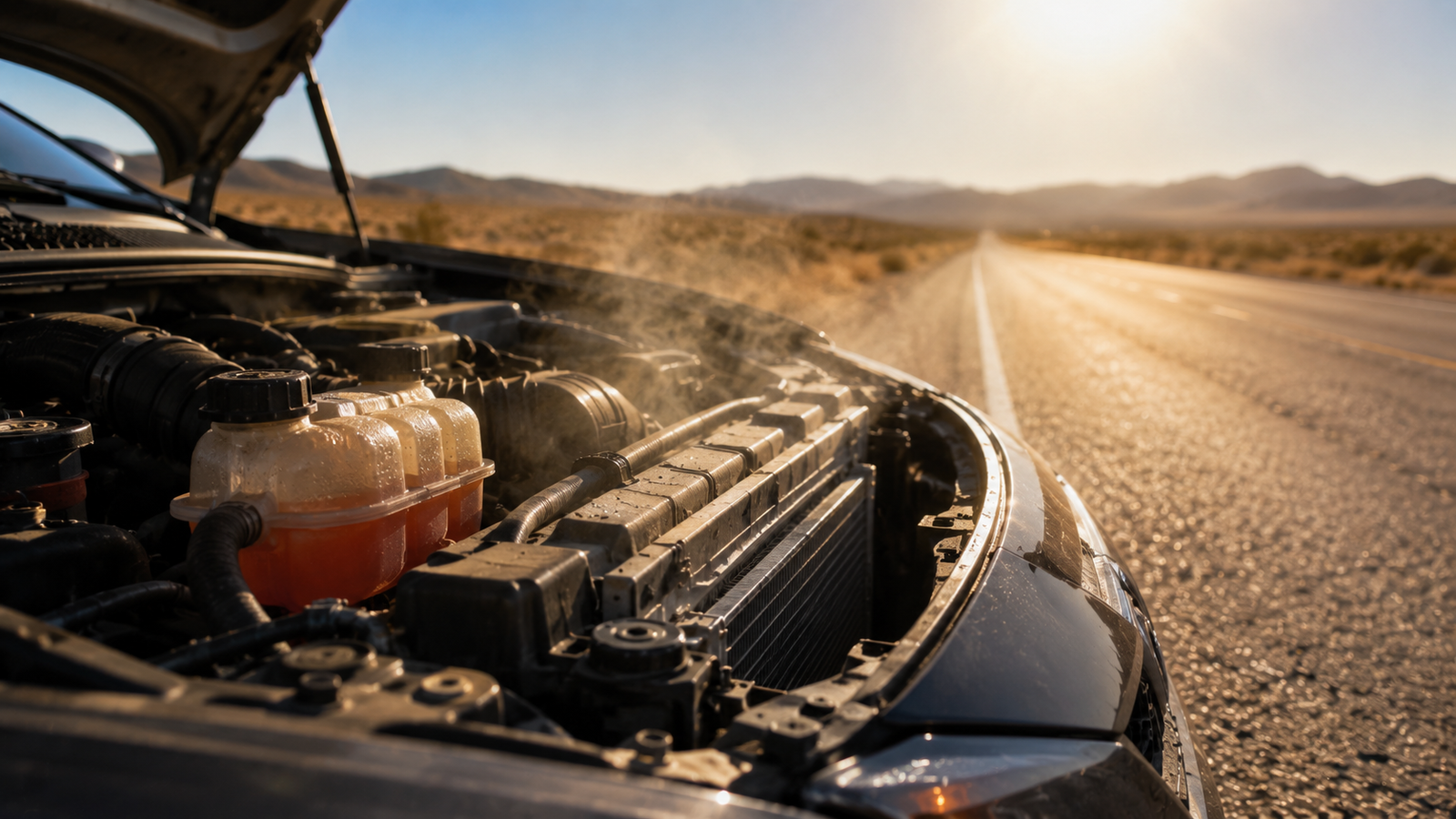
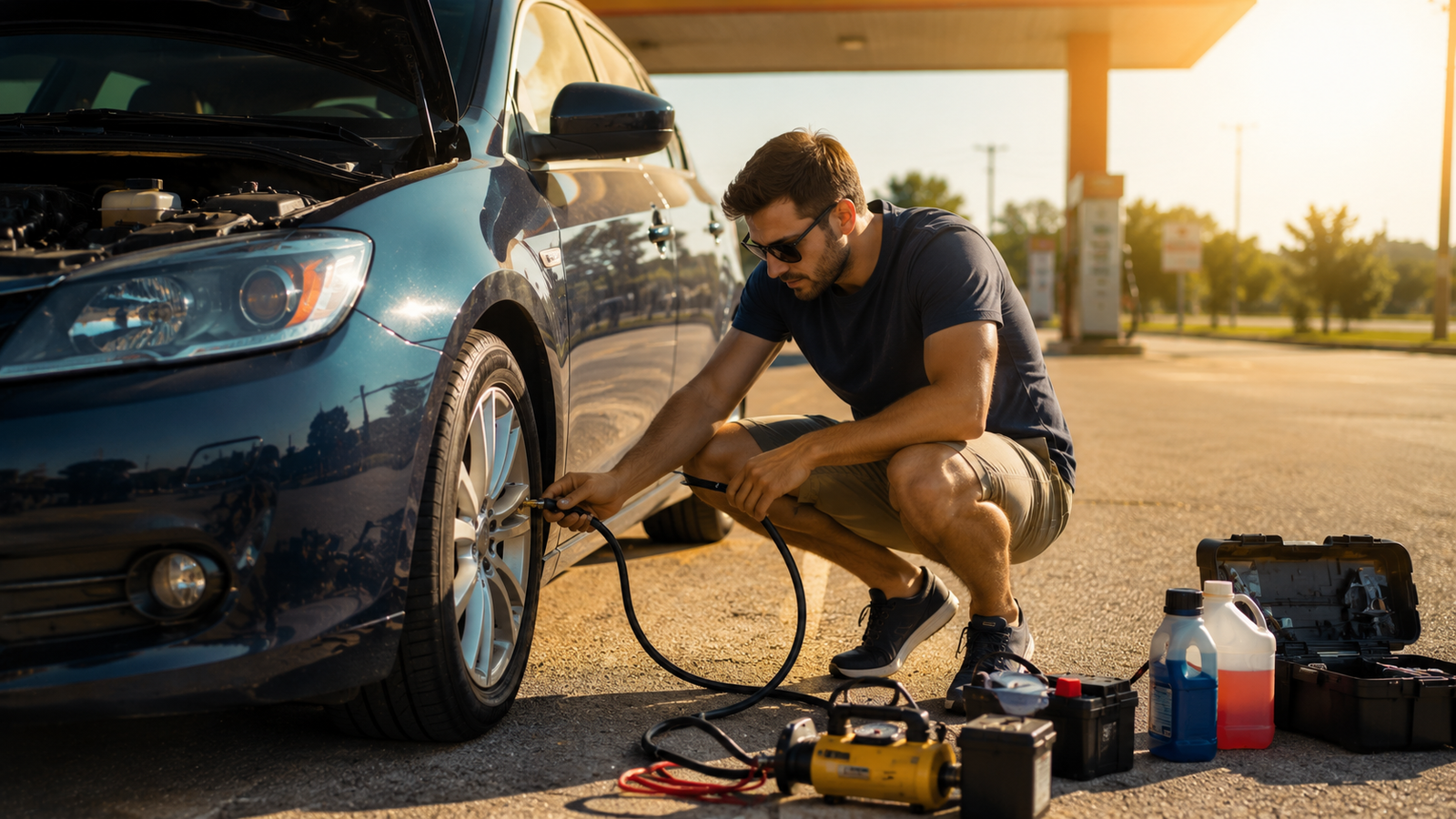
Particular attention is recommended for tire pressure. Underinflated tires heat up more during driving and worsen car handling. However, excessive pressure is also dangerous: at high temperatures, the air inside the tire expands, which increases the risk of damage.
In addition to technical checks, AAA recommends carrying an emergency kit, a sufficient supply of drinking water, and never leaving children or pets in the car, even for a short time. The temperature inside a parked car can rise to dangerous levels in just a few minutes.
According to AAA Club Alliance spokesperson Sean Steward, extreme heat can be as dangerous for motorists as winter weather. Therefore, before a trip, experts advise not only checking the technical condition of the car but also checking the weather forecast in advance, especially if the route passes through regions with high temperatures, thunderstorms, or strong winds.
Timely checking of key systems can significantly reduce the risk of breakdown and make the trip safer for both the driver and passengers.
Read more materials:
- Better than Arkana for 1.5 million? We figure out if it's worth buying a Samsung XM3
- Why modern cars are getting bigger and what this already threatens cities with
- Why good painters never skimp on these four painting stages