The news that 89% of new Toyota cars sold in Russia in the first half of 2026 were Chinese-assembled attracted the attention of not only market specialists but also ordinary buyers. Especially since, at the same time, sales of the Japanese brand more than doubled. Against this background, the question naturally arises: does a Toyota produced in China remain the same Toyota trusted worldwide, or do such cars noticeably differ from familiar versions?
Quality is determined not only by the country of assembly
Many motorists choose Toyota primarily due to the brand's long-standing reputation. Cars of this brand are traditionally expected to have high reliability, quality assembly, and well-thought-out engineering solutions.
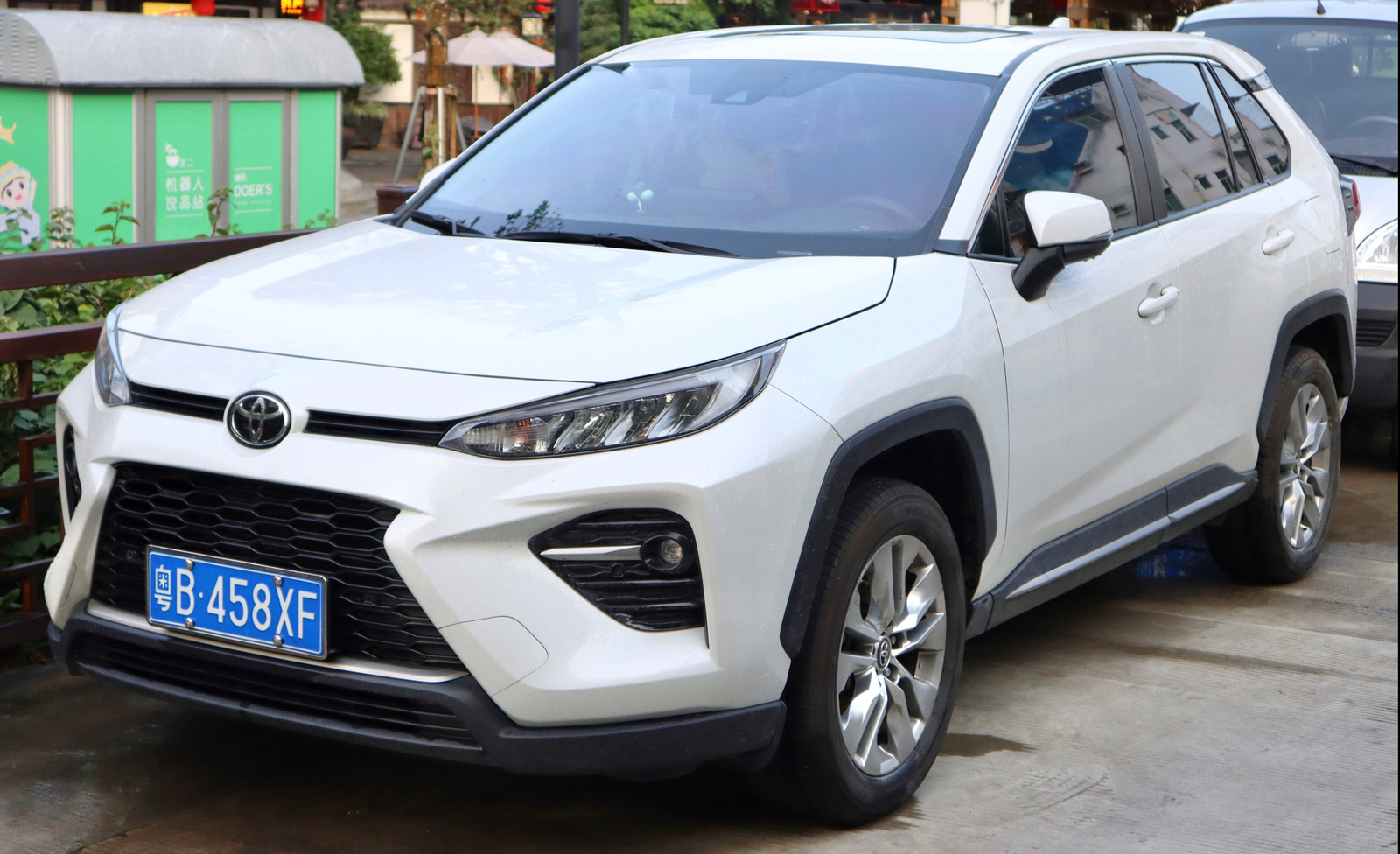
However, it is important to understand that any modern car is developed taking into account the requirements of a specific market. The manufacturer adapts the model in advance to the climatic conditions, legislation, and preferences of buyers in the country where it will be sold.
For example, cars intended for regions with hot climates usually receive more powerful air conditioning systems, while heating is given significantly less attention.
For Russian specifications, on the contrary, solutions are traditionally provided to increase comfort in the cold season.
As a rule, such a package includes:
- heated front seats;
- heated steering wheel;
- heated windshield;
- enlarged windshield washer reservoir;
- additional anti-corrosion body protection.
The Chinese market has different requirements
Buyers in China have their own priorities, so cars for the domestic market differ not only in configuration but also in the overall concept of equipment.
Manufacturers pay special attention to:
- large multimedia system displays;
- modern electronic functions;
- wide possibilities of the digital interface.
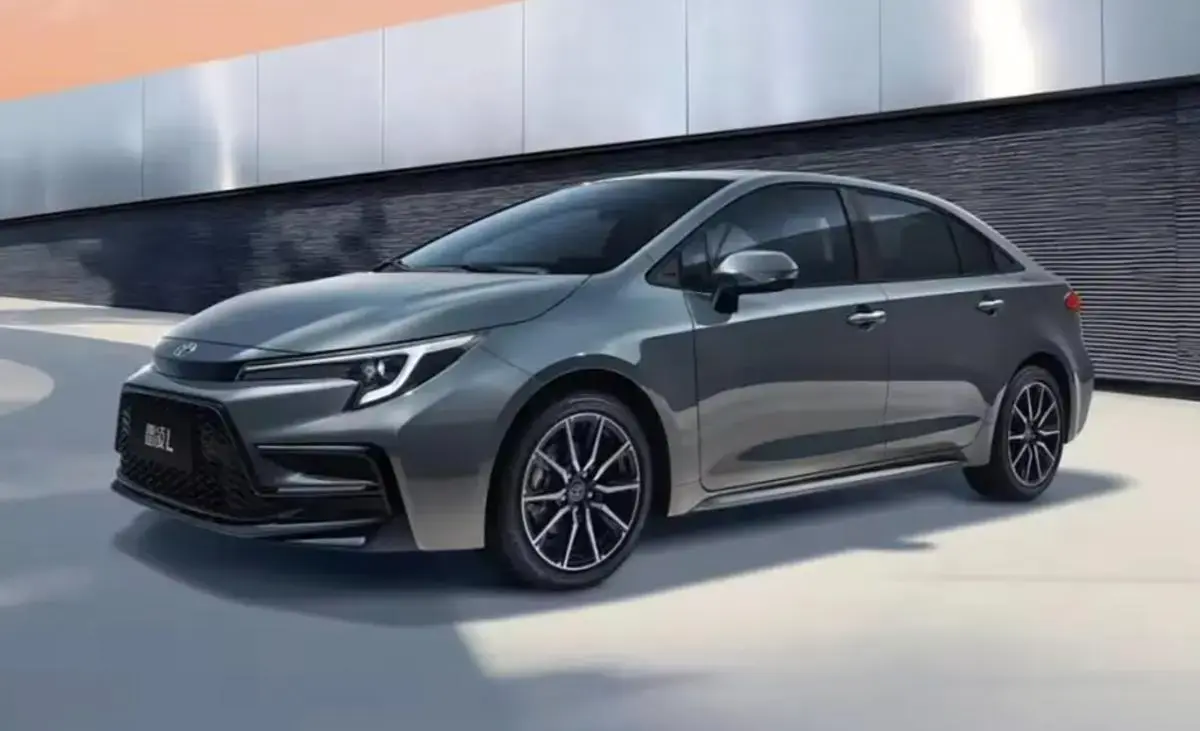
At the same time, some details familiar to Russian motorists may receive less attention. For example, there are fewer and fewer physical buttons in the cabin, and the trunk does not always provide convenient organizers, additional niches, or luggage fasteners.
In addition, cars are often changed much more frequently in China than in Russia. This can affect the manufacturer's approach to selecting individual trim materials, as well as the level of anti-corrosion body protection.
Chinese assembly itself does not mean low quality
The very fact of car production in China today cannot be considered a sign of low-level execution.
Modern Toyotas are produced at enterprises operating under the control of the company itself and its joint ventures. Production processes comply with the brand's corporate standards, so there is no reason to talk about fundamentally different quality solely due to the country of assembly.
Nevertheless, cars may differ in a number of parameters.
The difference can concern:
- configuration;
- materials used;
- settings of individual systems;
- degree of adaptation to a specific market.
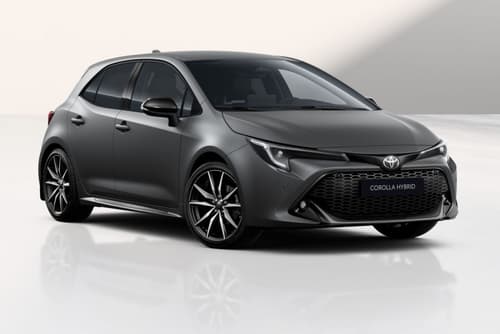
One of the first features that a new owner may encounter is the multimedia system. On some cars intended for the Chinese market, not only Russian but sometimes even English interface language is absent.
When buying, it is increasingly important to study the origin of the car
Today, when choosing a Toyota, it is no longer enough to focus solely on the model name or the recognizable logo on the body.
Before buying, experts recommend finding out several important points:
- for which market the car was originally produced;
- what equipment is included in a specific configuration;
- is a full winter package provided;
- is there additional anti-corrosion body protection or will it need to be done independently after purchase.
Thus, a Chinese Toyota remains a car of the well-known Japanese brand, but its characteristics may differ from cars produced for other regions. Outwardly, such cars are often almost identical, but the level of equipment, adaptation features, and some operational nuances can be different. That is why when buying today, it is worth paying attention not only to the Toyota emblem but also to the specifications of a particular instance.
Read more materials:
- Emma Felbermair: how Audi is leading the new F1 Academy star
- BMW E38 from "Bumer": how the sedan became a legend
- Volvo 480: the boldest failure of the Swedish brand