It's hard to call a station wagon a car chosen solely for its striking appearance. This body type is valued primarily for its practicality: a spacious trunk, convenient loading of items, familiar car-like seating, and handling. All of this makes a station wagon a convenient companion in everyday life, especially if the car is regularly used for family trips, large purchases, transporting children's belongings, garden tools, or other bulky cargo.
It would seem that in Russian conditions, station wagons should have become one of the most sought-after body types. However, in practice, things turned out differently. Despite obvious advantages, most buyers continue to prefer sedans and crossovers. "Bolshoy Test-Drive" investigated why station wagons never managed to take a leading position.
Practicality gave way to image
The main reason for the low popularity of station wagons is not related to their operational qualities at all. On the contrary, there are minimal questions about the level of convenience of such cars. What matters much more is the impression they make on others.
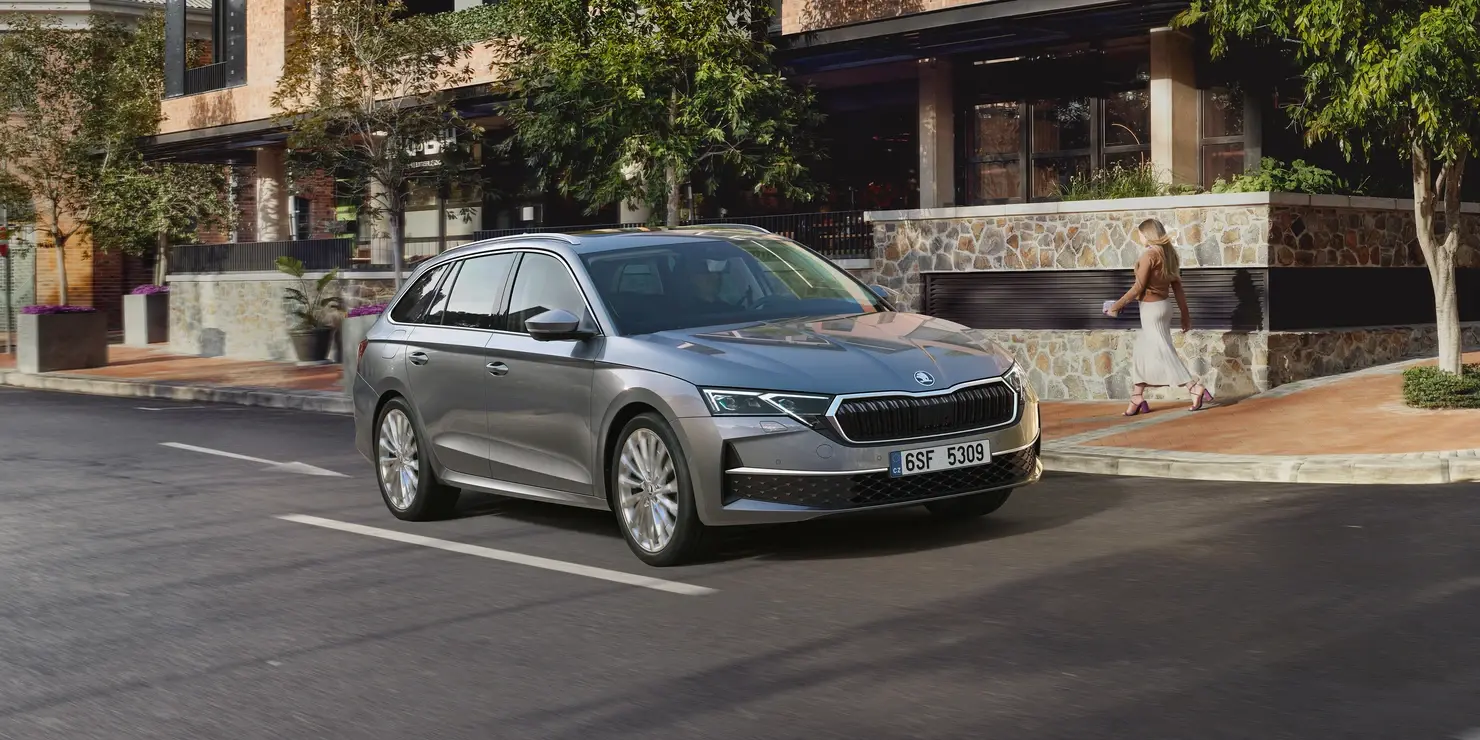
A station wagon hardly tries to create a certain image. It openly demonstrates its purpose: to transport people, luggage, and assist in daily tasks. Such a car does not strive to look like an SUV, does not promise adventures beyond the asphalt, and does not claim to be an indicator of high status. Its task is much simpler – to perform its work as efficiently as possible.
However, car choice is rarely based solely on rational arguments. Even if a buyer evaluates fuel consumption, maintenance costs, reliability, or trunk volume in advance, ultimately another question arises – what impression will the car make in the yard, near the office, or on the road next to other cars?
And this is where the station wagon often loses to its competitors.
Sedans and crossovers offer a more attractive image
For many years in Russia, the sedan was perceived as a classic car option. The separately located hood, passenger compartment, and trunk created a sense of solidity and familiar status.
Crossovers, in turn, offer a completely different set of associations. A higher seating position, increased ground clearance, and a massive body create an impression of greater versatility and confidence. At the same time, in many cases, technically such cars remain ordinary passenger models with increased ground clearance, but it is the visual image that has a decisive influence on buyers' choices.
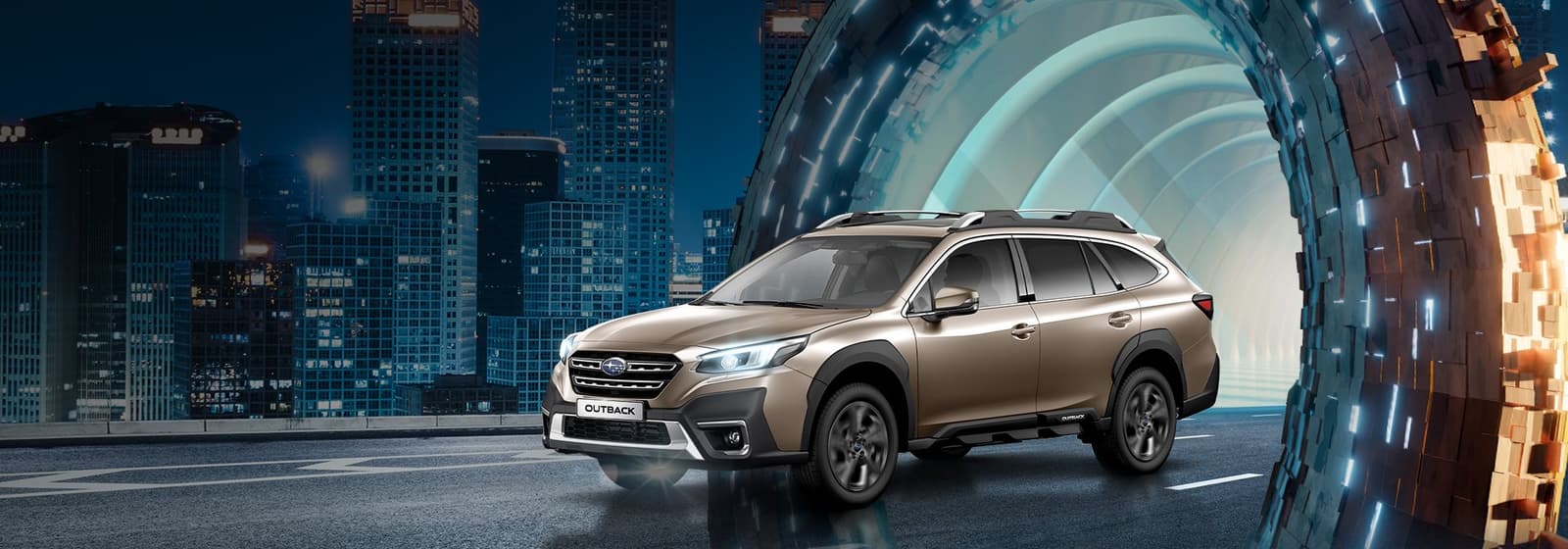
Against this background, the station wagon finds itself between two popular categories.
It is difficult for it to compete for several reasons:
- it looks less traditional than a sedan;
- it is not perceived as modern as a crossover;
- it does not try to appear taller, more massive, or more prestigious.
As a result, the station wagon loses not in its capabilities, but in emotional perception. For many buyers, a car remains not only a means of transportation but also a way to emphasize their own style, so rationality is not always the main argument.
Stereotypes also played a role
There is another reason that influenced the attitude towards station wagons.
Quite often, such cars are perceived as transport exclusively for household tasks. Many associate them with trips to the dacha, transporting tools, or official use. Because of this, a station wagon is often perceived more as a work tool than as a personal car.
From a practical point of view, such a characteristic is not a disadvantage at all. On the contrary, a car should perform its assigned tasks as efficiently as possible. However, in the mass consciousness, the word "practical" is often perceived as the opposite of the word "interesting." It is this stereotype that largely prevents station wagons from becoming truly mass-market.
In everyday use, the station wagon turns out to be very convenient
If we set aside image issues, the advantages of such a body become obvious already in the first days of operation.
The main advantage of a station wagon lies in the combination of familiar car characteristics with a significantly more convenient luggage compartment. The owner does not have to wonder every time whether a box will fit through a narrow opening or whether a tall load can be placed. Thanks to the large fifth door, the loading process becomes much simpler.
These advantages are especially noticeable in urban conditions.
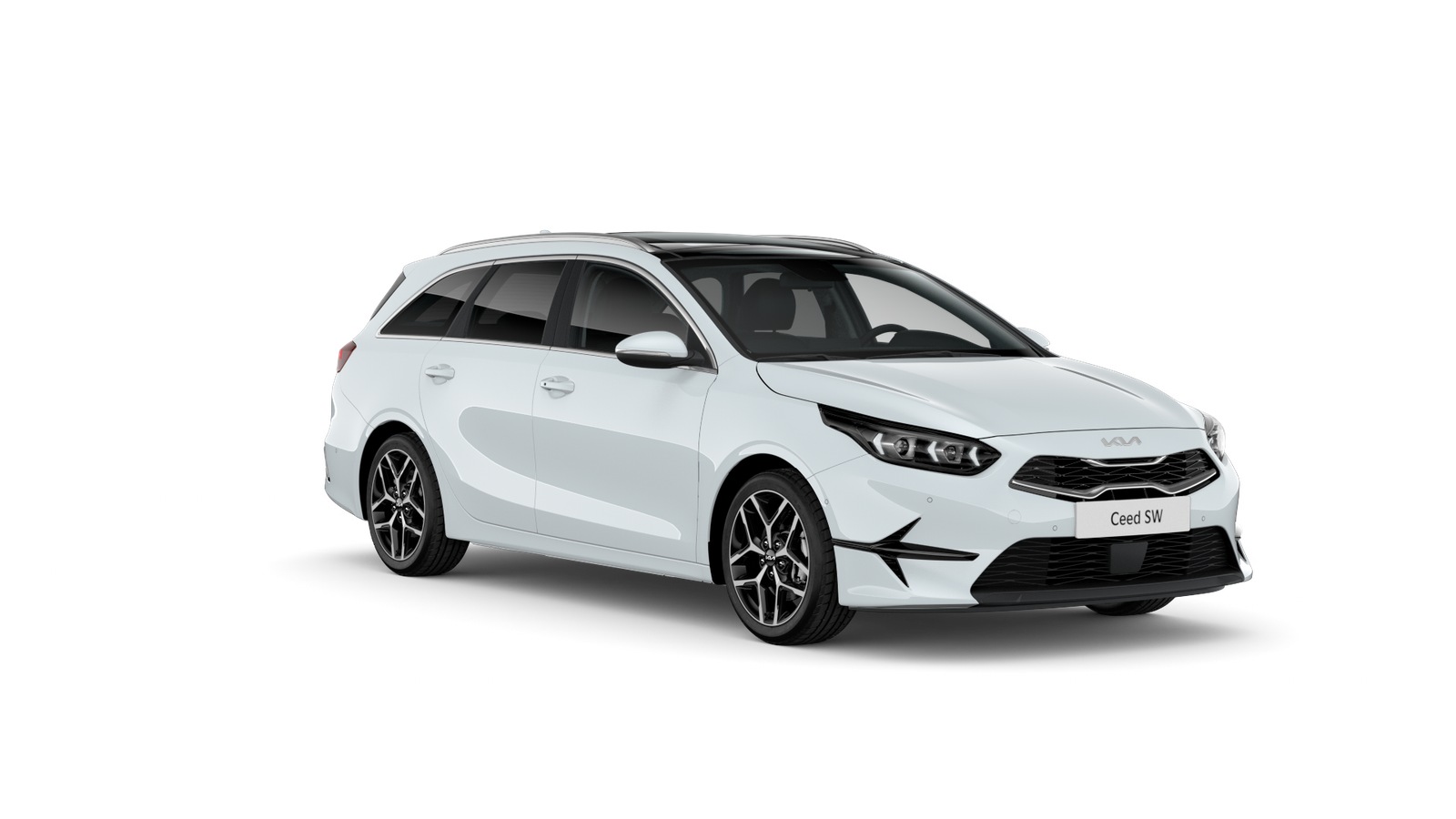
Without much difficulty, a station wagon allows you to:
- bring large purchases from the store;
- transport a child's bicycle or scooter;
- pick up a bulky parcel from a pickup point;
- go to the dacha with tools and garden equipment;
- place suitcases, a stroller, folding chairs, and other items.
At the same time, the car itself is not necessarily larger than a familiar sedan. The station wagon remains compact for everyday use, but if necessary, it easily copes with transporting a large amount of luggage.
Car-like handling remains an important advantage
Another advantage of station wagons remains their behavior on the road.
Unlike most crossovers, such a car maintains a lower center of gravity, so it rolls less in corners and feels more confident at high speeds. At the same time, the driver does not encounter the feeling of a bulky high body, which is characteristic of many off-road vehicles.
For those who value car-like handling, this becomes a serious advantage. A station wagon allows you to combine spaciousness with familiar road manners, without turning the car into a high crossover.
The rational choice turned out to be not the most popular
The low popularity of station wagons in Russia does not indicate the shortcomings of such a body. Rather, on the contrary – it was excessive rationality that caused many buyers to bypass it.
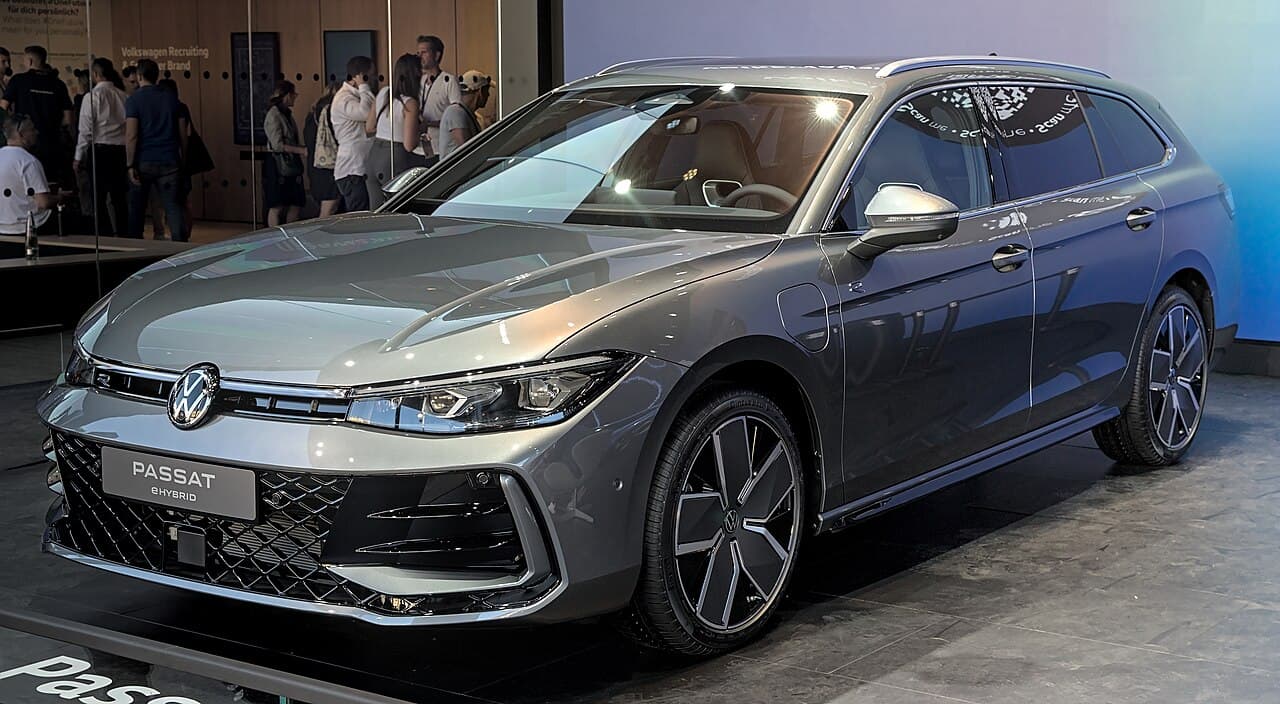
The sedan continues to be perceived as a classic solution, the crossover as a more modern and prestigious car, while the station wagon remains on the sidelines, despite its practicality.
In real operation, it is often the most convenient option for a family and daily trips. While many modern cars try to look more off-road, sporty, or prestigious, the station wagon remains true to its original task – to cope with everyday duties as efficiently as possible, without promising the owner anything superfluous.
Read more materials:
- Why owning a car in Russia is becoming more expensive
- What measures really reduce the risk of car theft
- Rust on a Chinese car: how to prevent the problem