While many Russian motorists are discussing queues at gas stations and possible fuel shortages, the annual "Clean Air" operation continues in Tatarstan. Employees of the Ministry of Ecology, the State Traffic Inspectorate, and Rostransnadzor check vehicles for compliance with environmental standards, focusing on the content of harmful substances in exhaust gases.
The very idea of such raids is obvious – reducing air pollution directly affects the environmental situation. However, the timing of the campaign raises questions: today, for many car owners, the ability to refuel their car without problems is much more important than the toxicity of exhaust emissions.
How inspections are conducted
The mechanism of the raids remains quite simple.
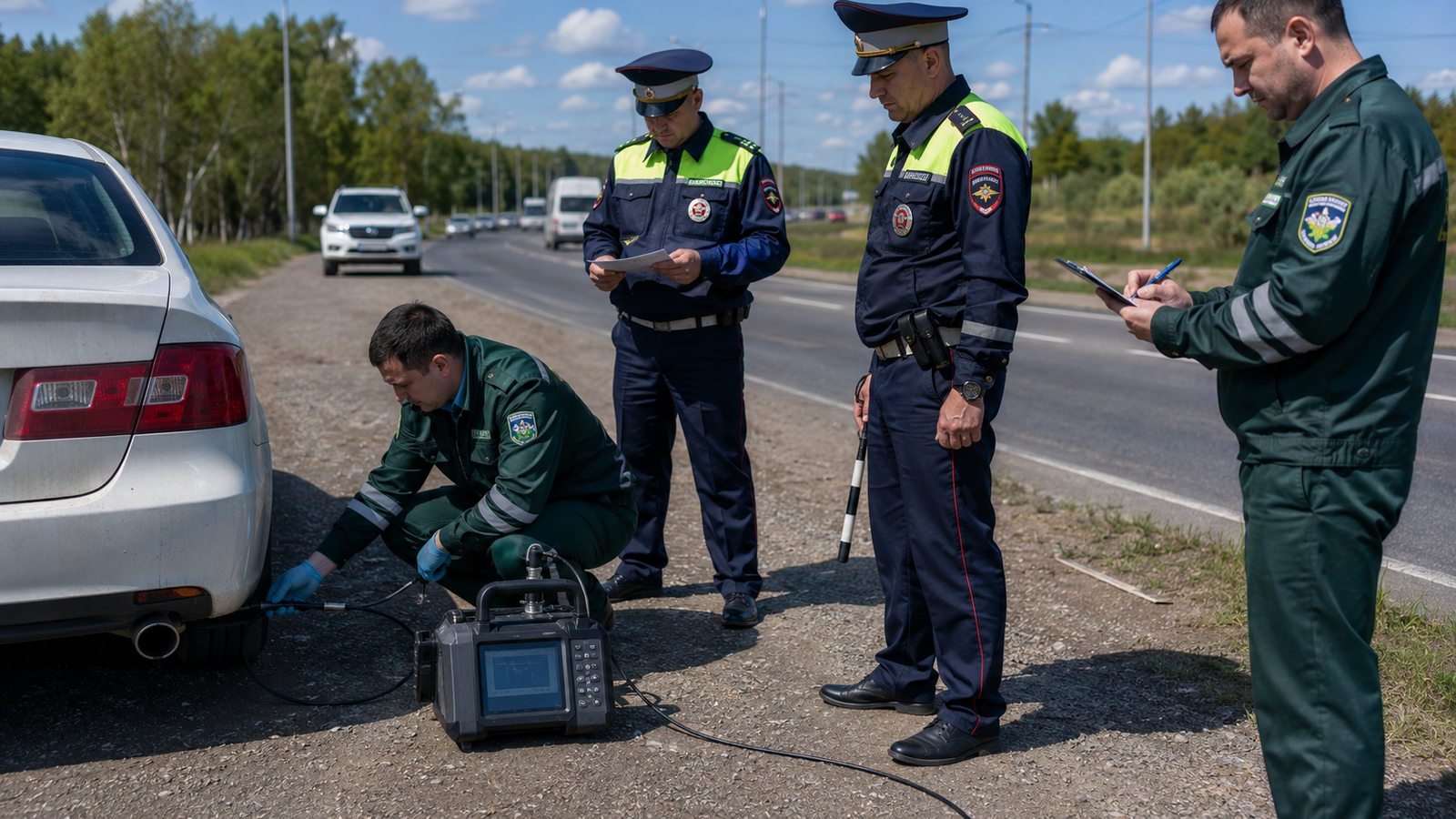
Inspectors selectively stop vehicles, after which specialists conduct measurements using gas analyzers and smoke meters.
To date, 1,887 vehicles have been inspected in Tatarstan.
Based on the inspection results:
- excess of standards was found in 27 cars;
- the share of violations was about 1.4%.
Statistics show a steady decrease in the number of vehicles with excessive emissions.
If in 2016, 7.7% of inspected cars did not comply with environmental requirements, now this figure is approximately at the level of 2.6%. The main reason for this decrease is considered to be the gradual renewal of the vehicle fleet, and not the road inspections themselves.
The main goal of the raids is not punishment
Responsibility for exceeding standards is provided for by Article 8.23 of the Code of Administrative Offenses of the Russian Federation.
The fine is only 500 rubles, but in practice, inspectors often limit themselves to a preventive conversation with the driver.
In essence, the inspections perform more of a diagnostic function.
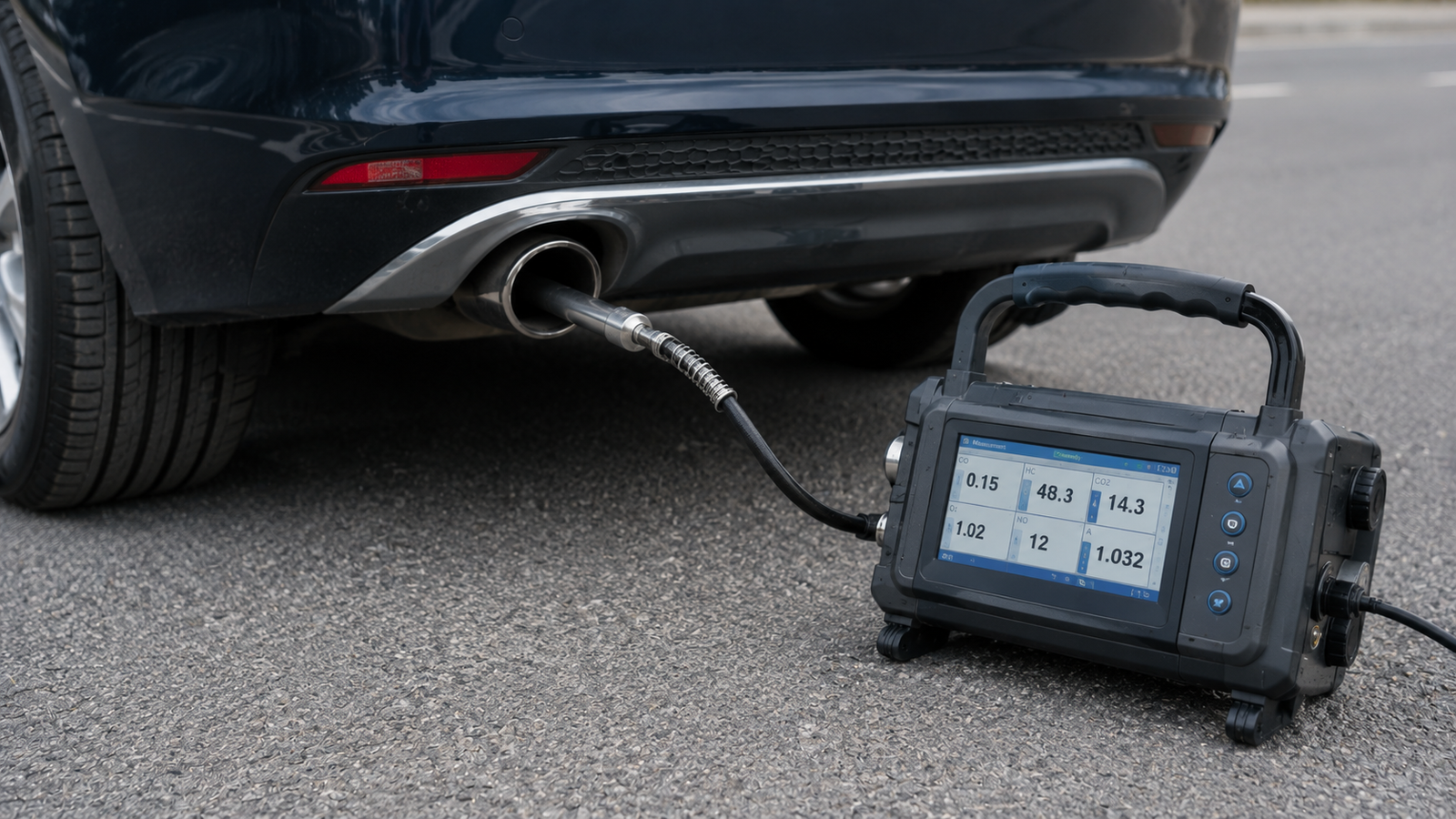
The purpose of such inspections:
- to determine the actual number of vehicles exceeding environmental standards;
- to assess the condition of the vehicle fleet;
- to identify cars that truly pollute the air beyond established requirements.
Another question arises
Environmental inspections are taking place simultaneously with changes in fuel market regulation.
The government has allowed certain oil refineries to produce gasoline and diesel fuel that effectively meet "Euro-3" standards until the end of 2026, although such products should be sold under the "Euro-5" labeling.
At the same time, the permissible sulfur content has been increased:
- for gasoline – from 10 to 150 mg/kg;
- for diesel fuel – up to 350 mg/kg.
It is the sulfur content that directly affects the amount of harmful substances in exhaust gases – the very ones that environmental service employees measure during raids.
It is important to note that the decision applies only to individual oil refining enterprises and does not mean a transition of the entire market to lower environmental class fuel.
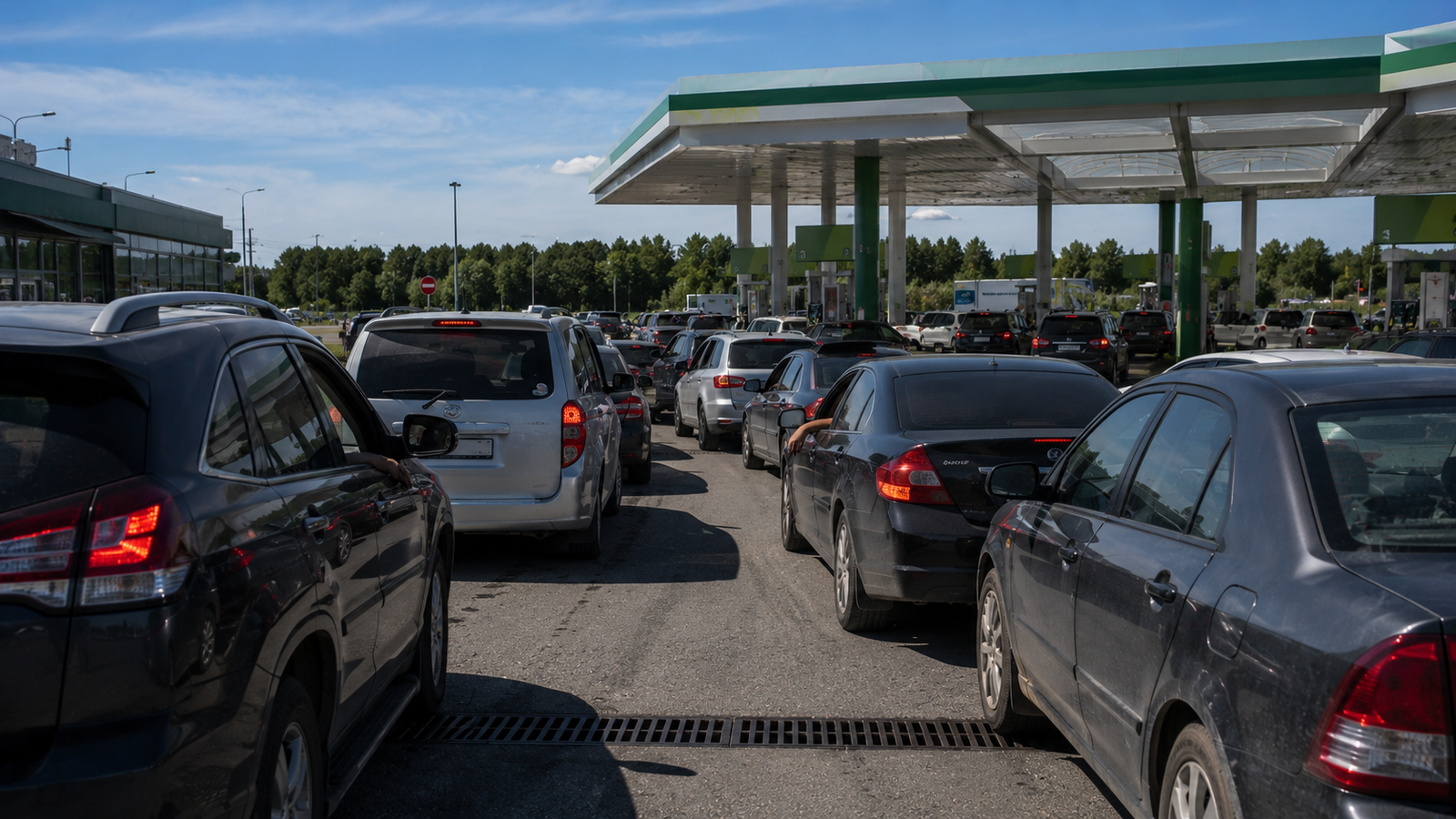
In other words, at gas stations, fuel should still be sold as complying with "Euro-5" requirements.
Nevertheless, the situation causes additional interest among motorists. If in summer the engine suddenly started smoking more than usual, the reason may be not only its technical condition, but also the quality of the fuel used. At the same time, how thoroughly the compliance of the actual characteristics of the fuel with the declared labeling is controlled in each specific region remains a subject of discussion.
Read more materials:
- Mercedes-Benz Pagoda: a sports car that changed the philosophy of SL
- From Singapore to North Korea: where it's hardest to buy a car
- Why antifreeze doesn't freeze even at –67 °C