Translated with AI from the Russian original.
Disc-less wheels were long considered one of the most practical solutions for trucks and buses. Their simple design, relatively low weight, and ability to be repaired in the field ensured their widespread use in many countries around the world.
However, today such systems have practically disappeared from mass production, giving way to classic disc wheels. The reason for this was changes in tire design, advancements in manufacturing technologies, and safety requirements.
When disc-less wheels appeared
The first tire mounting systems without a traditional wheel disc appeared back in the 1930s.
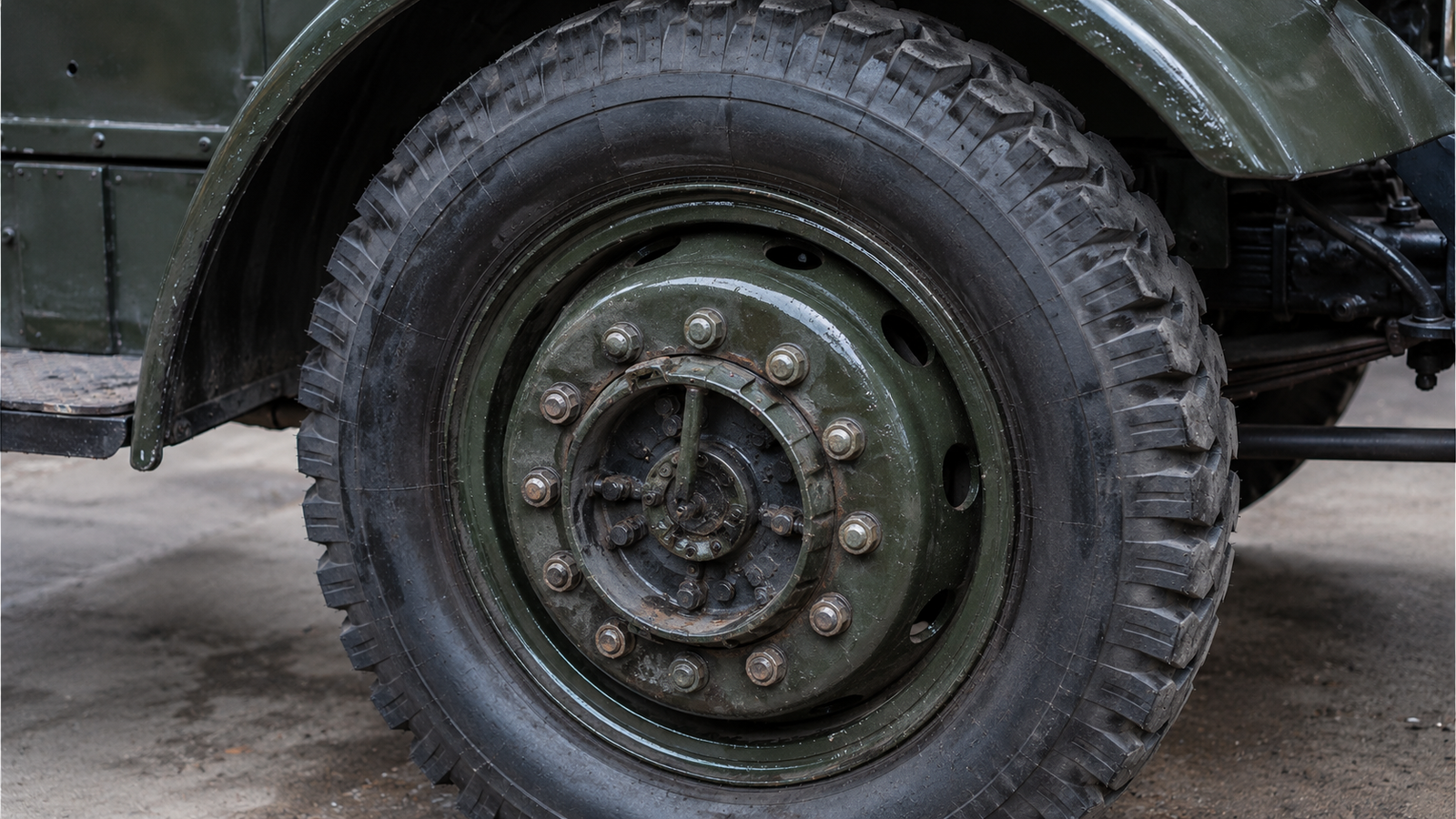
Initially, this design was called a wedge-type disc-less fit.
Quite quickly, the new technology spread to the USA and European countries, where it began to be used on trucks for various purposes.
In the Soviet Union, disc-less wheels appeared much later – in the 1960s.
The first tests were conducted on heavy-duty MAZ trucks.
Later, a similar design became much more widely used.
It could be found on:
- KAMAZ trucks;
- KRAZ vehicles;
- LAZ-699 buses;
- Hungarian Ikarus buses;
- trolleybuses.
In most cases, the tire was mounted on a cylindrical rim with welded lugs for attachment to the hub.
On the rear axles of some KAMAZ and MAZ trucks, an additional thrust ring was used.
How the design evolved
Over time, the design gradually changed.
Completely disc-less wheels remained primarily on the front axles.
On the rear, attachment using studs and nuts became increasingly common.
This solution reduced the likelihood of tire bead separation when air pressure in the tire dropped, as the steel bead continued to hold the tire in place.
On passenger cars, a similar design practically did not gain widespread use.
One of the few exceptions was the "Tavria" from the Zaporizhzhia Automobile Plant "Kommunar".
It is assumed that the developers sought to reduce the unsprung mass of the car, but this solution did not gain widespread use.
Main advantages of disc-less wheels
For many years, this design remained popular due to several important advantages.
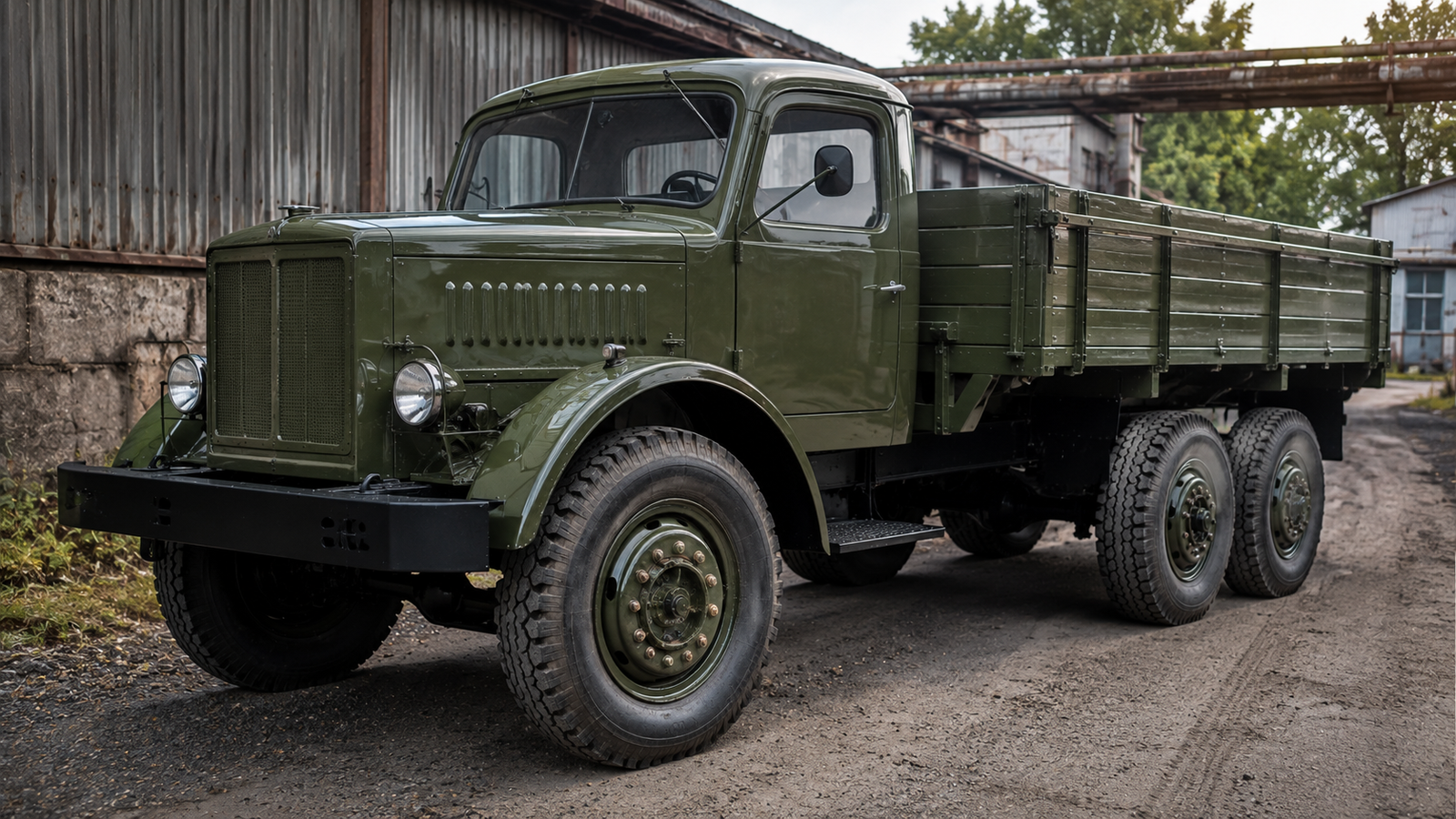
Among them:
- relatively low manufacturing cost;
- simple production technology;
- lower structural weight;
- possibility of repair by welding if individual elements are damaged;
- good cooling of brake mechanisms and hubs;
- long service life.
In addition, when using tube tires, damage to individual metal elements did not lead to immediate depressurization of the wheel.
Ease of repair
One of the main advantages was the possibility of maintenance without complex equipment.
If necessary, the driver could independently remove the tire and replace the tube even far from a repair shop.
Compared to some stud-mounted systems, this design required significantly less time for disassembly.
Demountable cylinders became the next stage of development
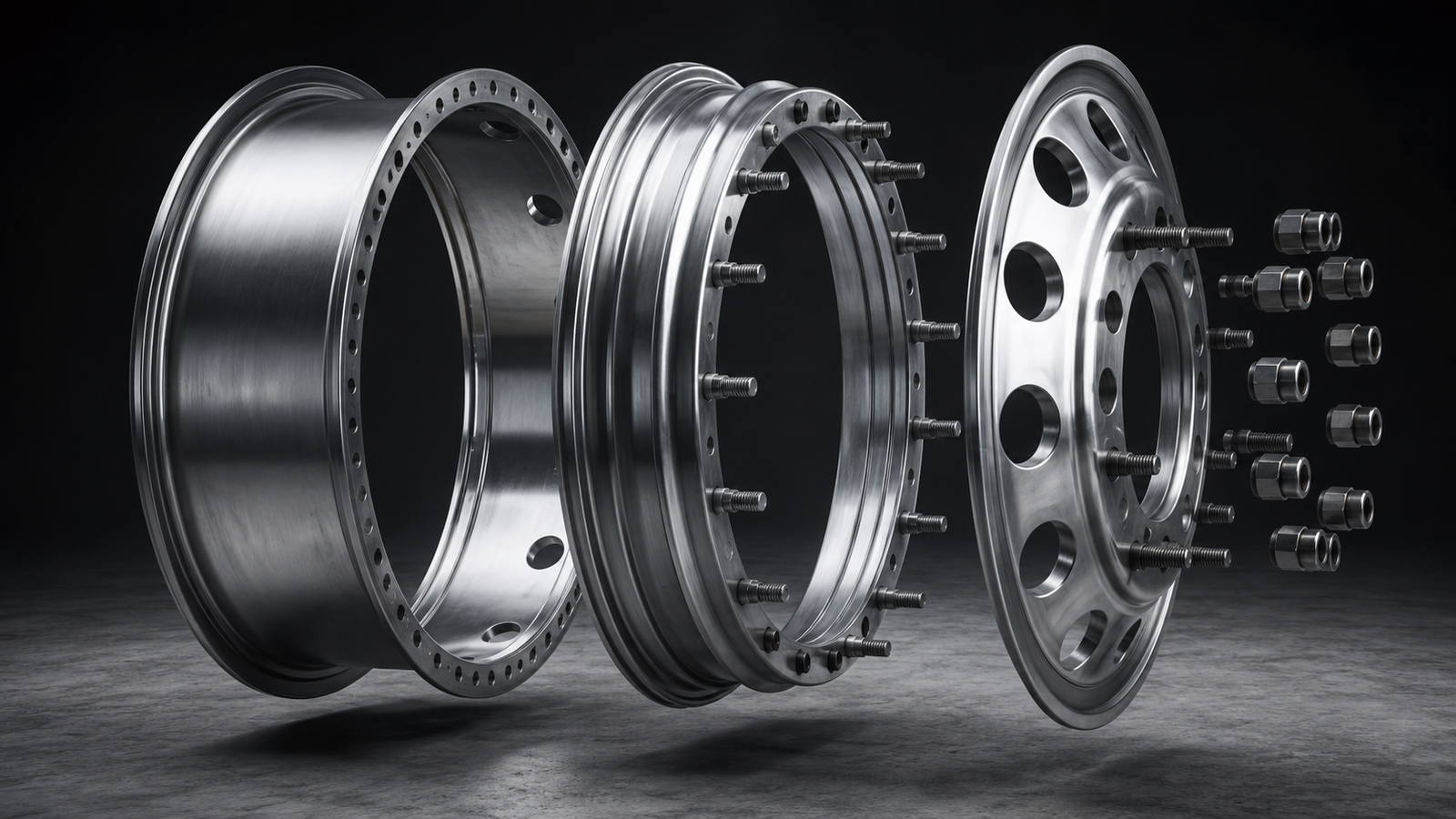
Later, composite cylindrical rims appeared.
They significantly facilitated the mounting and dismounting of tires.
One of the most famous was the design of Ikarus buses equipped with Rába axles, where the cylinder consisted of two parts.
The Trilex system became widespread in many European countries.
Its peculiarity was the division of the cylinder into three separate elements.
Thanks to this, tire installation was significantly simplified compared to traditional non-demountable designs.
Why disc-less wheels disappeared
Despite numerous advantages, it was not possible to completely eliminate the disadvantages.
Practice showed that composite structures worked most effectively on buses and trolleybuses, where loads were relatively stable.
On heavy trucks, additional difficulties arose.
The main disadvantages were:
- high assembly precision;
- appearance of runout as seating surfaces wore out;
- likelihood of individual elements rotating when pressure dropped;
- risk of damage to the tube valve;
- necessity of restoring geometry after strong impacts.
All these features gradually increased operating costs.
Technological advancements changed the situation
At the same time, the production of classic wheel discs improved.
Manufacturers managed to significantly increase the strength of stamped and forged discs thanks to new technologies for cold drawing and metal processing.
Over time, such designs not only matched the reliability of disc-less systems but also surpassed them in service life.
The widespread adoption of tubeless tires played an additional role.
They required ensuring the most hermetic fit of the tire bead to the rim, which is much easier to achieve on traditional disc wheels.
At the same time, the organization of repairs itself changed.
In many European and North American countries, truck wheel maintenance began to be performed exclusively in specialized workshops using professional equipment.
The need for self-repair of wheels directly on the road practically disappeared – in case of damage, the wheel is usually replaced with a spare.
Why disc-less wheels are still found
Despite the cessation of mass production, such designs have not completely disappeared.
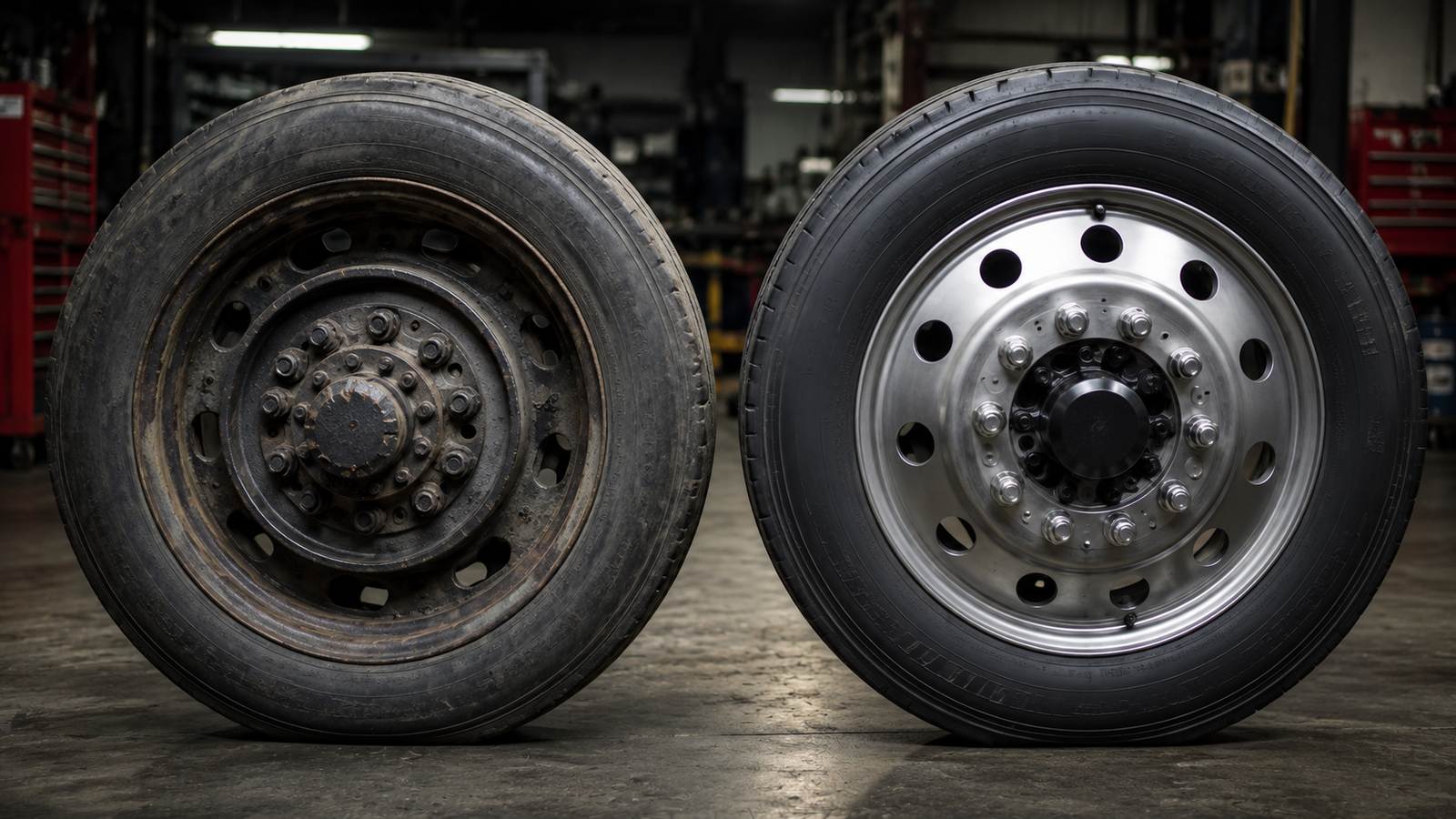
On the roads, you can still find KAMAZ, MAZ, KRAZ trucks and other equipment of past generations that have retained disc-less wheels.
However, the modern truck industry has almost completely switched to classic disc designs, which better meet the requirements of tubeless tires, modern maintenance technologies, and current safety standards.
Read more articles:
- How Alfa Romeo turned its flagship sedan into a fire pickup and built a racing car with a V10 engine
- Cylinder head gasket fails: 5 dangerous symptoms
- Why motorists weld the differential and what are the dangers