The late 1990s became one of the most difficult periods in the history of AZLK. The Russian automotive market was rapidly changing: more and more buyers were switching to foreign cars, and AvtoVAZ was actively increasing the production of the VAZ-2110 family, significantly strengthening its position in the affordable car segment. Against this background, the Moscow plant continued to produce the Moskvich-2141, trying to adapt it to new conditions.
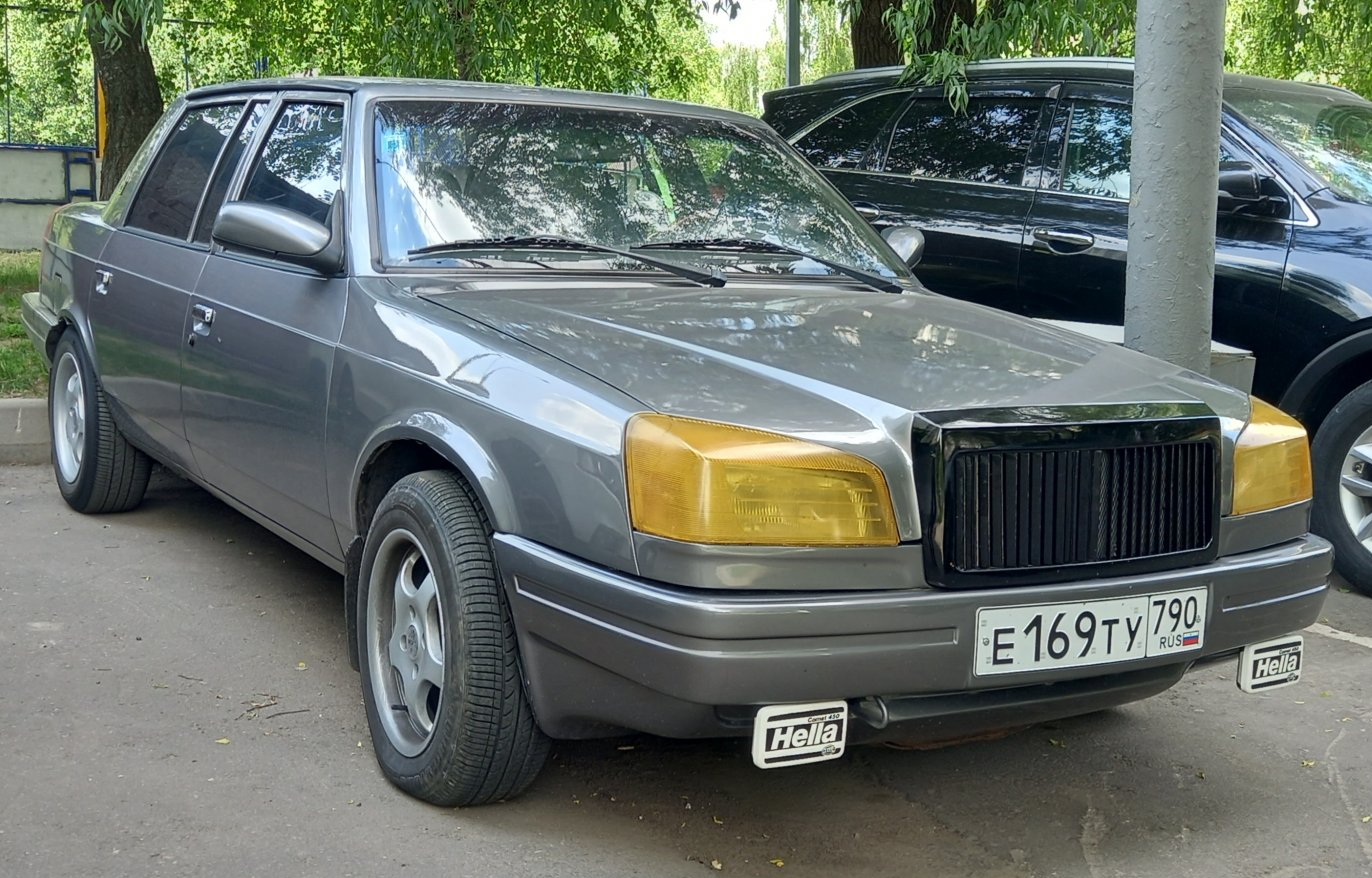
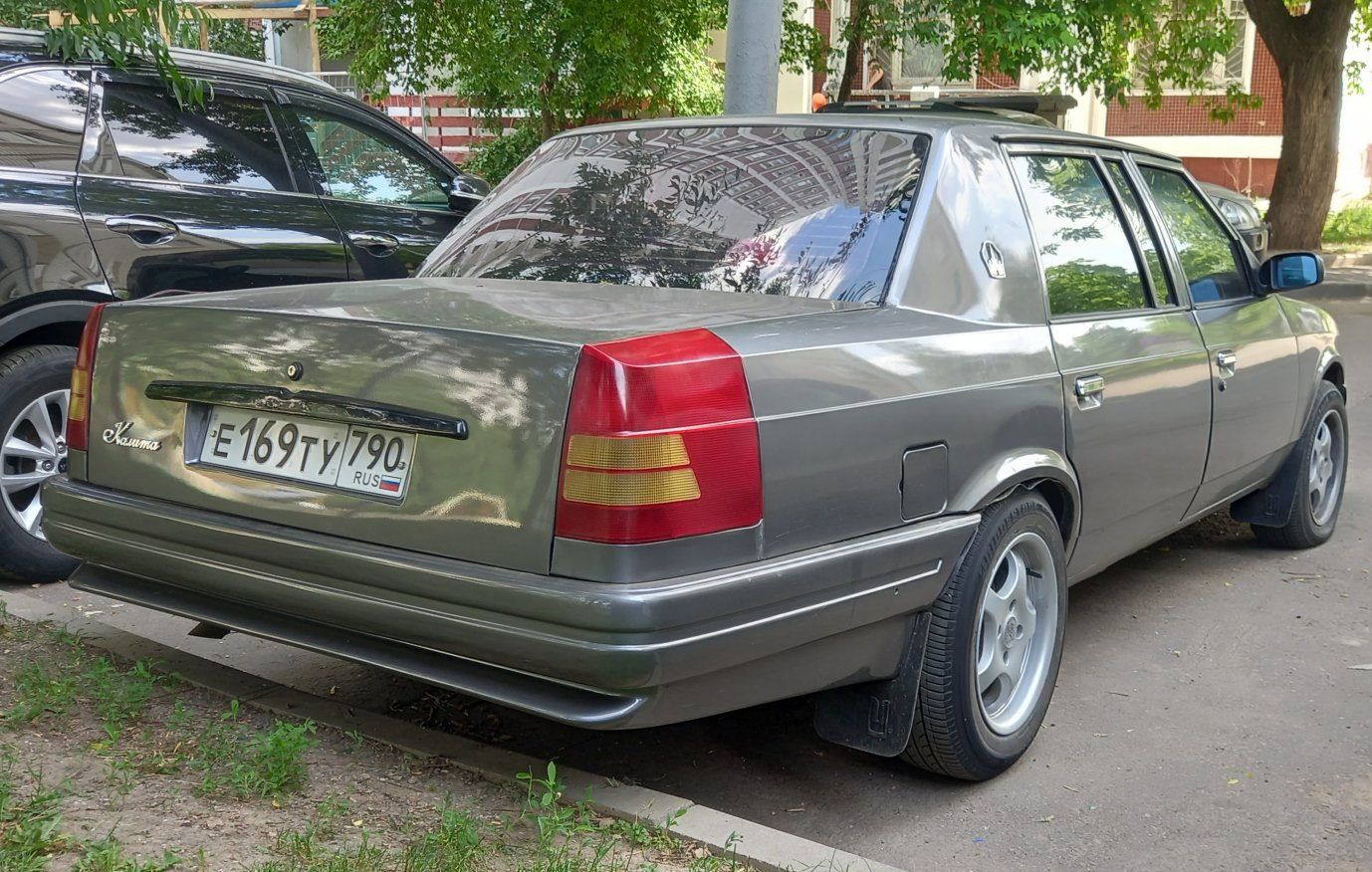
It was then that models with historical names appeared – "Svyatogor", "Ivan Kalita", "Yury Dolgoruky", and "Knyaz Vladimir". Despite interesting technical solutions, these cars could not change the situation of the enterprise. One of the most noticeable features of late Moskvich cars was their front optics, which over time acquired a pronounced yellow tint.
French influence existed, but the reason was different
Throughout its history, AZLK has repeatedly used foreign experience. One of the most famous examples is the creation of the Moskvich-2141, during the development of which engineers carefully studied the design of the Simca 1307.
For this purpose, several French cars were delivered to the enterprise. They were thoroughly examined, and one specimen was even cut in half to assess the body structure and try on Soviet units. It was on the basis of this work that the prototype of the future "2141", unofficially named "Maksimka", later appeared.
In the late 1990s, the enterprise again turned to French technologies, but for a different reason. Due to the lack of modern domestic power units, it was decided to use a 2.0-liter Renault F3R gasoline engine.
This engine proved successful and provided the cars with decent dynamics, but at the same time significantly increased the cost of the vehicles.
Against this background, many assumed that the origin of the unusual optics was also related to France. This version seemed quite logical, because until 1993, French law required cars for the domestic market to be equipped with headlights with yellow light. Manufacturers achieved this either by installing special lamps or by using appropriate diffusers.
However, this feature had no relation to late Moskvich cars.
Why Svyatogor was in a more advantageous position
Of all the car models of the late 1990s, the Svyatogor was the most successful in terms of components. Thanks to relatively mass production, the model received a number of imported parts, including front optics from the German company Hella.
Such headlights had several advantages at once:
- provided high-quality road illumination;
- retained transparency for a long time;
- were resistant to external influences.
Even today, one can find original Hella block headlights in good condition, despite the fact that most of the cars on which they were installed have long been out of service.
The situation with the Ivan Kalita was completely different. Although this car was positioned as a higher-class representative, the financial capabilities of the plant were already severely limited.
The model received original front optics, produced in small batches. Such production required additional costs, so the enterprise had to save money at almost every stage of manufacturing.
Savings that came at a high price
Creating new molds for glass diffusers required significant investment. For this reason, it was decided to use more affordable polycarbonate for the Ivan Kalita.
However, problems arose not only because of the material itself. To reduce production costs, low-quality raw materials were used. In addition, one of the most important technological stages – the application of a protective lacquer coating to the polymer surface – was excluded.
As a result, the plastic was practically defenseless against environmental influences.
The condition of the optics was simultaneously affected by several factors:
- heating of polycarbonate from halogen lamps inside;
- constant exposure to sand and small abrasive particles;
- destruction of the material by ultraviolet rays.
It was the combination of these reasons that led to the transparent plastic acquiring a rich yellow tint after just a few years of operation.
Why polishing didn't help
In many modern cases, fogged plastic optics can be restored by ordinary polishing. But with late Moskvich cars, the situation was different.
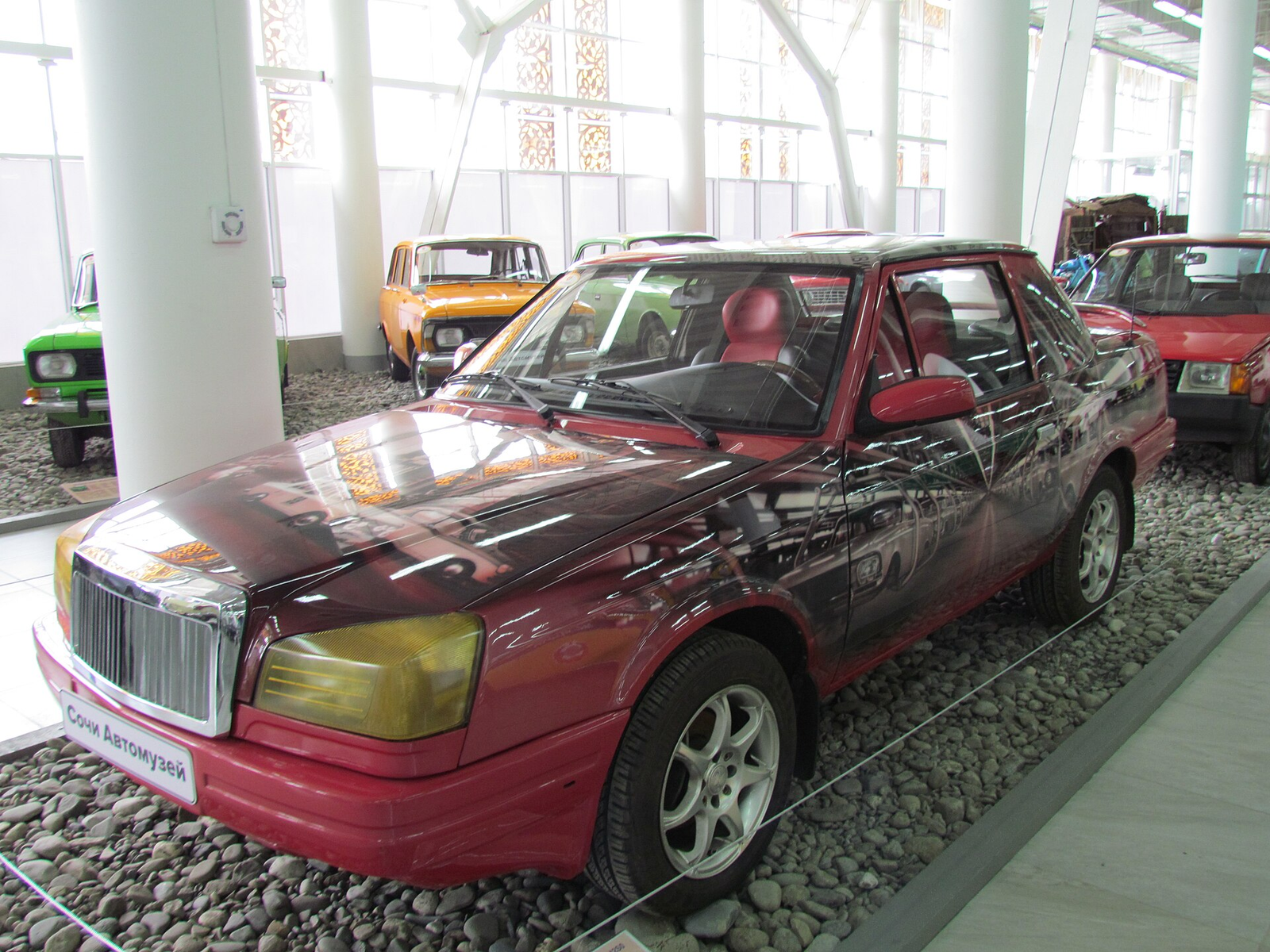
Since no protective lacquer was applied during production, there was no separate layer on the surface that could be removed during processing to restore the original transparency. The material itself gradually deteriorated throughout the entire thickness of the upper layer, so the color change became practically irreversible.
That is why the unusual yellow tint of the headlights on late AZLK cars was not a consequence of French automotive traditions at all. Its cause was the financial difficulties of the enterprise, which forced it to abandon more expensive materials and important stages of production technology.
Read more materials:
- Which cars best protect the driver in an accident
- What kind of drum hangs between the wheels of European trucks
- Suitcase on wheels: the most unusual concept in Mazda's history
Комментарии