In the Soviet Union, motor scooters were very popular and could rival bicycles in terms of prevalence. However, the USSR was far from the scale of Italy, Greece, and even some socialist countries. This makes the story of the Czech Cezeta 501, which once reached the Soviet market, all the more interesting. Later, it was replaced by the more advanced Cezeta 502. Both models featured unusual designs and appearances, and the engineers at the CZ factory managed to create truly distinctive machines.
Outwardly, the Cezeta 501 and 502 were practically indistinguishable. The main technical change was the engine: the 501 model's two-stroke engine with a displacement of 172 cc produced 8 hp, while the Cezeta 502's power was increased to 9.5 hp.
Where Did Cezeta Come From?
The design of the CZ-501 and CZ-502 was based on a monocoque body. All main components – engine, transmission, fuel tank, brakes, and suspension elements – were attached to a frame covered by decorative panels.
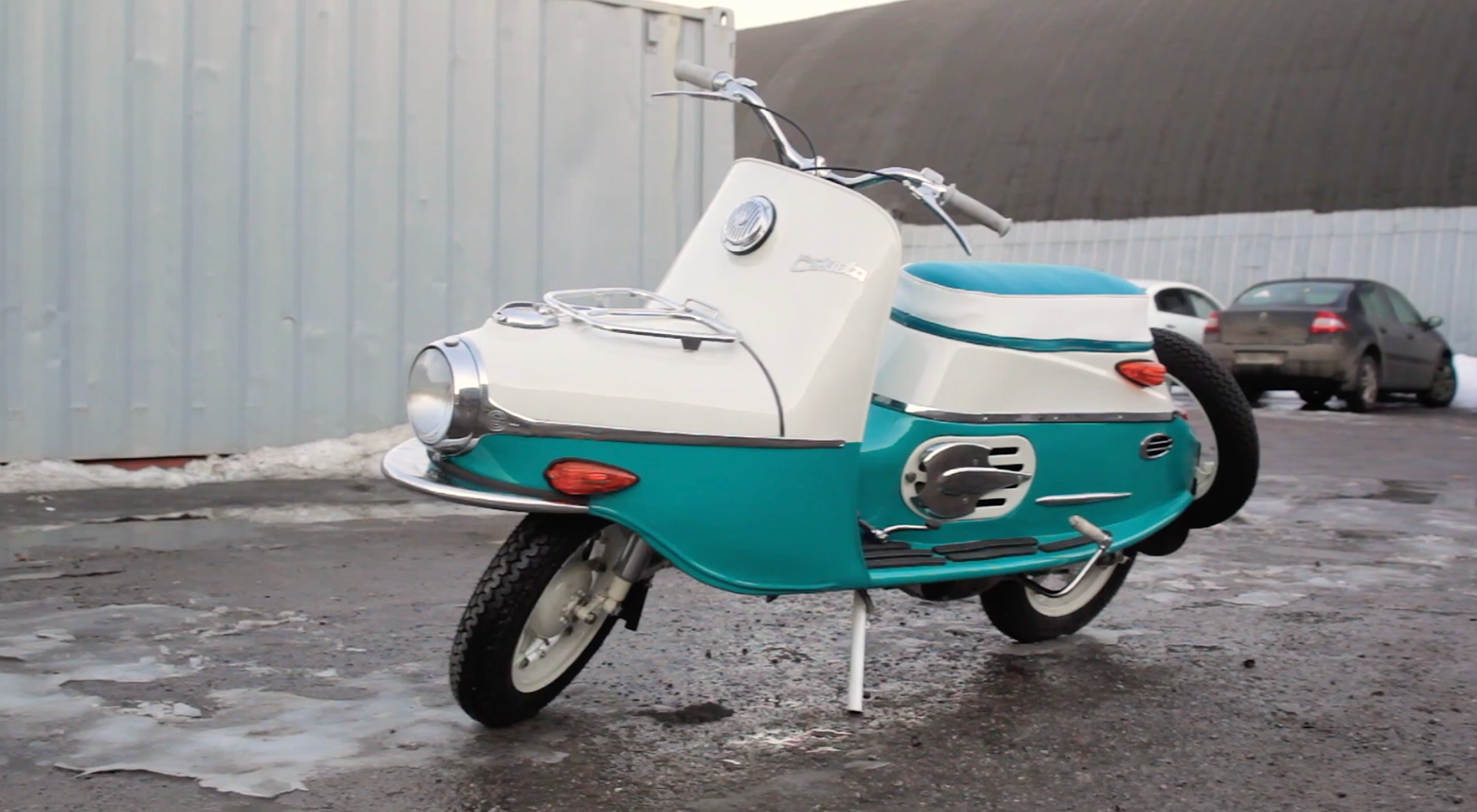
This solution added weight to the structure but provided additional longitudinal rigidity. With a curb weight of 140 kg, the scooter could carry a load of up to 150 kg.
The author of this design was a young engineer, Jaroslav Koch. He patented the design back in 1940. Later, the development was offered to the state for mass production, but the decision to produce the scooter at the Strakonice factory was only made in 1955. Actual production started two years later, in 1957.
Cezeta quickly spread beyond Czechoslovakia. Scooters were exported almost all over Europe, and interest in them was not only due to their distinctive appearance.
The enclosed body protected the rider well from bad weather, making the scooter a convenient universal transport for everyday use. Fuel consumption was only 3.5 liters per 100 km, and the top speed reached 90 km/h.
Over seven years of serial production, the following were produced:
- about 40 thousand Cezeta 501 units;
- approximately 70 thousand Cezeta 502 scooters.
However, the history of the family might not have ended there. The factory prepared the Cezeta 503: the model was almost ready and had passed pre-production tests. But the company management considered further production of scooters unpromising and unprofitable, so the project was closed.
Not Just Passenger Transport
The Cezeta 502 was not created exclusively for short city trips. The design allowed the scooter to be used for longer journeys as well.
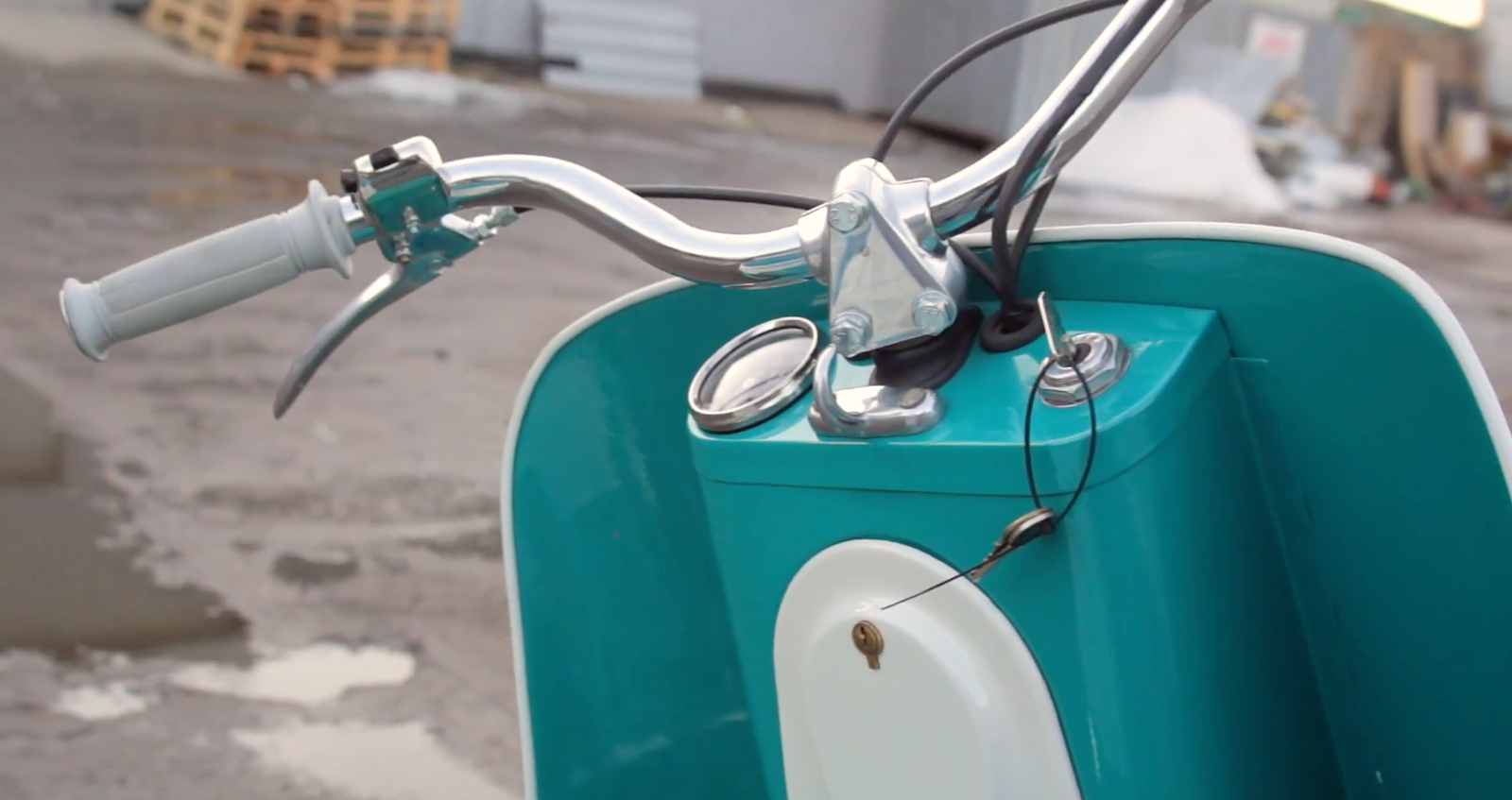
A sidecar could be attached to the scooter, turning it into a two-person vehicle. There was also another option – a cargo trailer, which allowed the scooter to be used for transporting goods.
There were also enough capabilities for long trips. The 12-liter fuel tank provided a range of up to 350 km. If necessary, an additional fuel tank could be installed instead of the spare wheel.
Cargo trailers for Cezeta were not supplied to the USSR, but scooters with sidecars were still seen on the country's roads.
The enclosed body deserved special attention. The panels protected the load-bearing frame from water and road dirt, so the scooters could remain in operation for 30–40 years with virtually no corrosion.
Why Cezeta Hardly Rusted
The main secret of its longevity was not only the idea of an enclosed body itself but also the ventilation system provided by the engineers. The engine of the Cezeta 501 and 502 was located inside the scooter's body, so the problem of heat dissipation had to be solved.
For this, ventilation windows were made in the body, and the engine itself was additionally cooled by a belt-driven fan.
The scheme worked as follows: the engine drew air directly from the internal space of the body. This provided ventilation and air drying inside the structure.
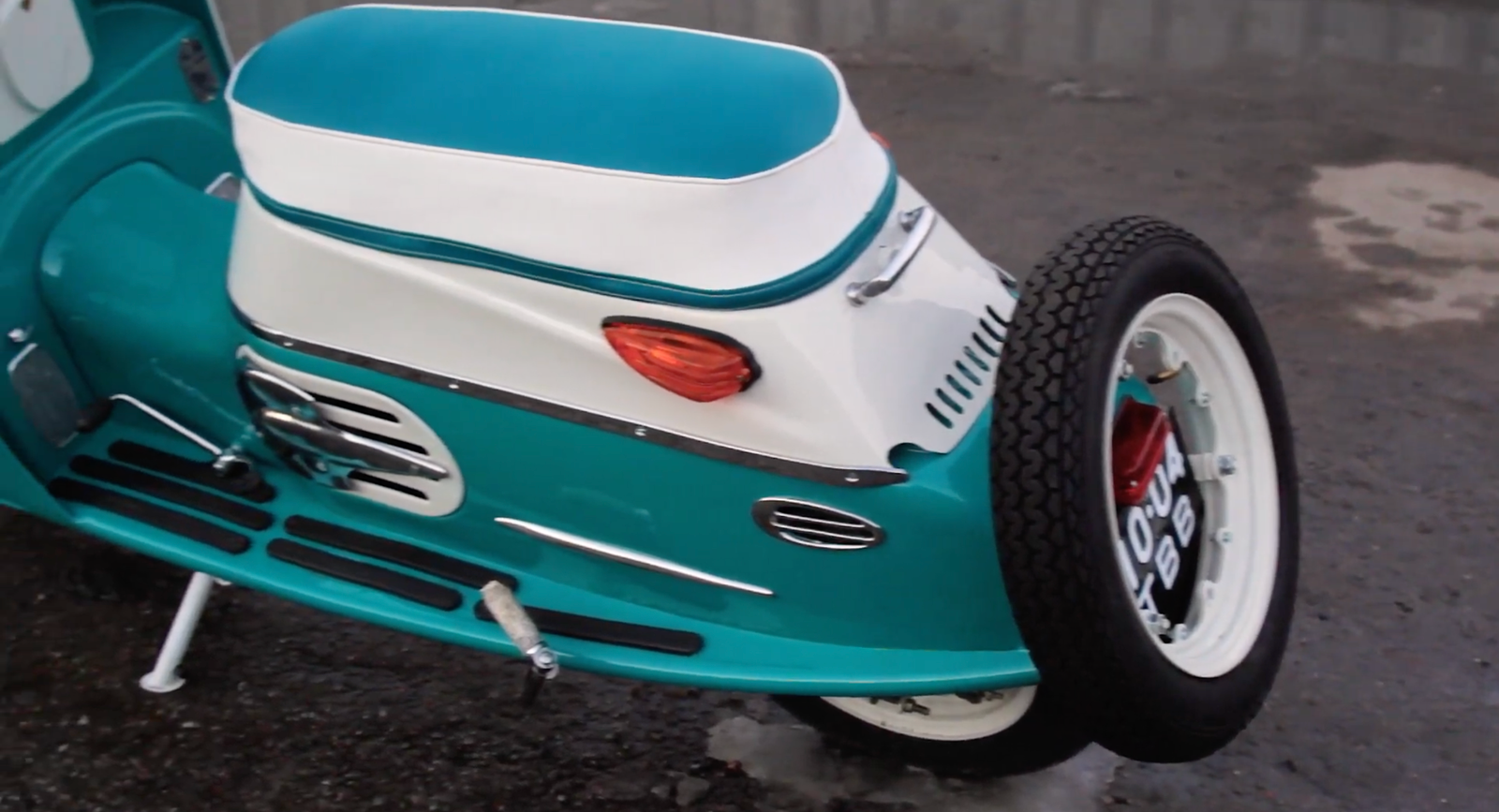
As a result, Jaroslav Koch's idea to enclose the main elements of the scooter with additional panels yielded two results at once. It increased the protection of the structure from the external environment and simultaneously allowed for the necessary air exchange around the engine.
How Cezeta Was Received in the USSR
The appearance of the Czech scooter on Soviet roads caused genuine delight. For owners, Cezeta differed significantly from familiar two-wheeled transport both in technical solutions and in the level of design thoughtfulness.
The foresight of the developers was particularly impressive. The main engine start was carried out by an electric starter from the battery. But in case of necessity, a mechanical option was also provided – the small scooter additionally received a foot kick-starter.
Today, Cezeta 501 and 502 are of interest primarily to restorers and collectors. It is believed that the 1960s Czech scooter is capable of covering approximately three times the mileage of modern scooters and mopeds.
Cezeta is also associated with the appearance of the Soviet "Turist" scooter, developed in Tula. It is believed that the 502 model could have served as one of the impulses for its creation, although the question of direct succession remains open.
At the same time, the external and technical similarities are indeed noticeable. The "Turist" resembles Cezeta in many details, although the headlight placement is different. The main technical indicators of the two scooters are also close.
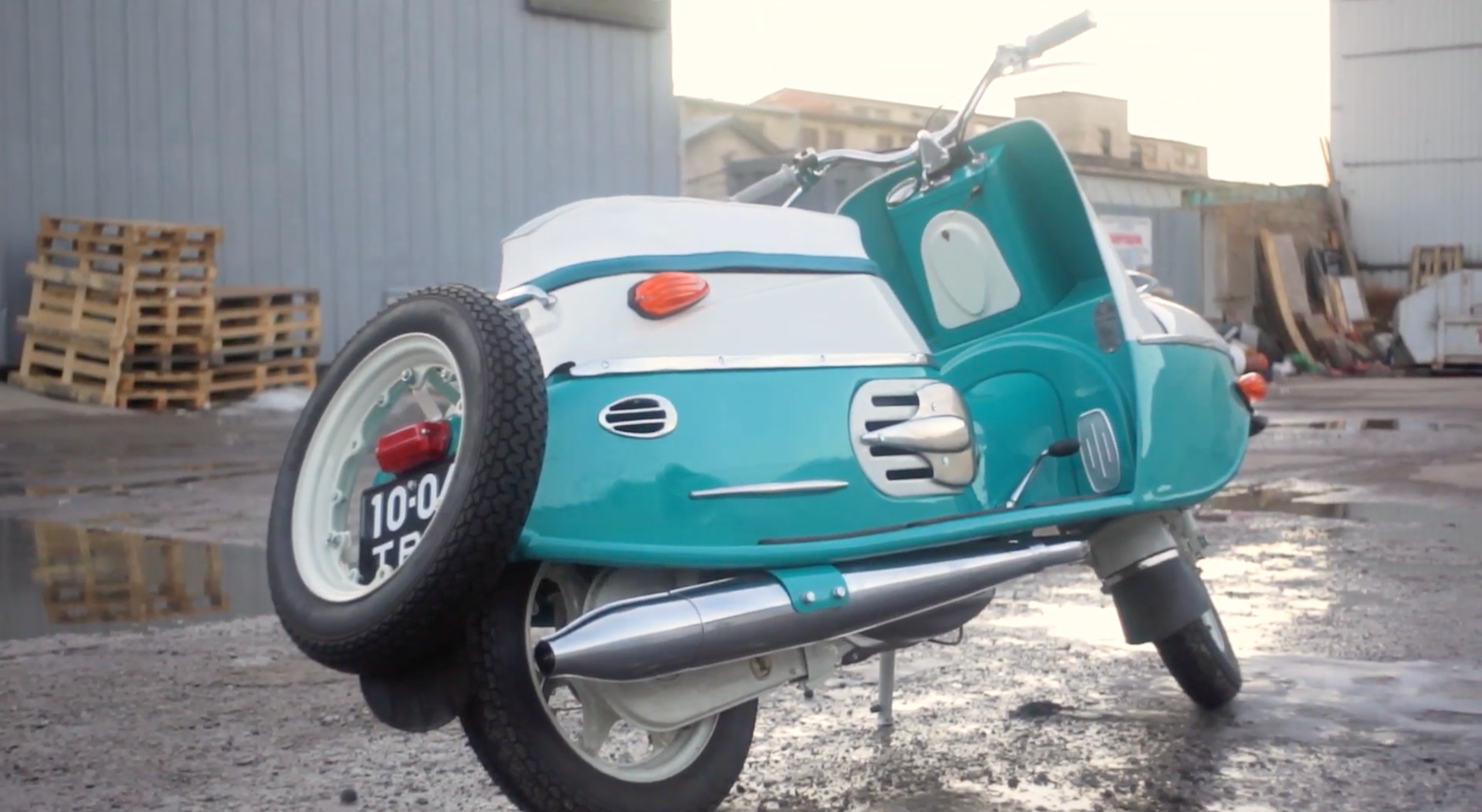
The difference is primarily in the engine. The Soviet "Turist" received a more powerful engine – 11 hp. However, in terms of top speed, it was inferior to the Czech machine: the Soviet scooter could accelerate to 85 km/h compared to 90 km/h for Cezeta.
Ultimately, the Cezeta 501 and 502 proved to be a rare example of a scooter where an unusual layout was combined with practicality. The enclosed monocoque body, the possibility of installing a sidecar or trailer, low fuel consumption, a speed of up to 90 km/h, and well-thought-out ventilation made the Czech design a notable page in the history of two-wheeled transport. Despite a short production cycle, these machines managed to gain widespread distribution in Europe and leave a significant mark in the USSR.
Read more materials:
- Not just power: what really makes a driver happy
- Rinspeed Presto: the car that could shorten itself
- Drivers with smartphones get into accidents more often than they think