Is it possible to buy a new car, refuse the services of an official dealer, and maintain the car yourself or at a regular car service? Yes. This choice in itself does not mean an automatic loss of warranty.
But there's an important nuance. Problems usually start not when changing oil or a filter, but when the car breaks down and the owner comes for a free repair. This is where the question arises: is the malfunction really manufacturing-related, or was it caused by the owner's actions? And that's when self-maintenance can become a separate headache.
The mere fact of servicing outside a dealer does not void the warranty.
Warranty obligations are established by the car manufacturer, and the dealer acts as its authorized representative. Therefore, the phrase "you didn't service the car with us, so there's no more warranty" in itself doesn't resolve the issue.
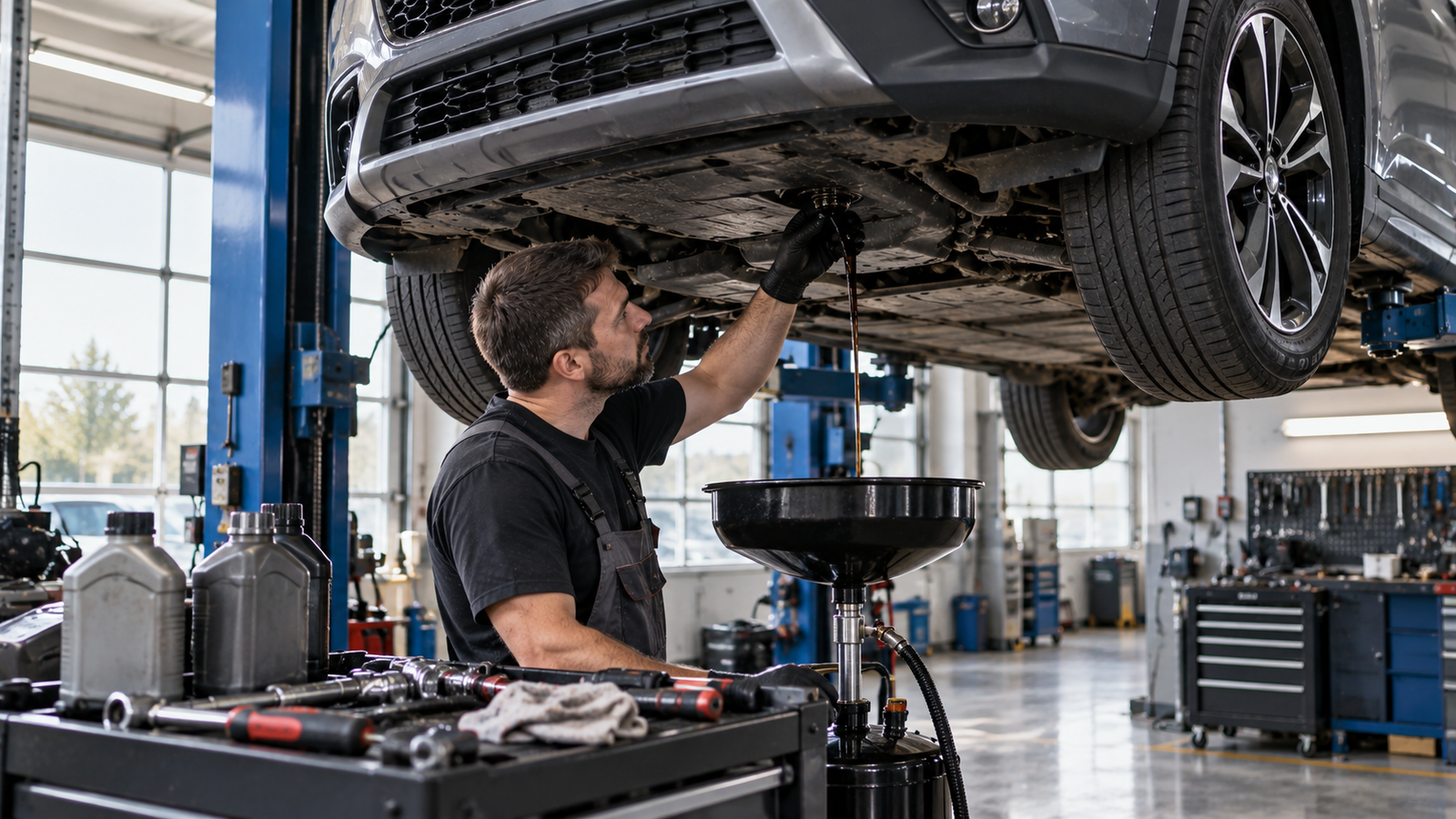
Rospotrebnadzor also indicates that if a defect is found during the warranty period, the consumer has the right to apply for warranty repair to the seller, manufacturer, importer, or their representative. In case of a dispute, another circumstance is important: could a specific work performed by the owner or a third-party service have caused the detected malfunction?
For example, a car arrived for warranty repair with an oil leak. The owner claims it's a factory defect. The service representative finds damaged threads, an incorrectly installed oil filter, or traces of poor-quality service. Then there's a basis to investigate the causal link between the work performed and the breakdown. That's why two situations may outwardly look the same – "the car was not serviced by the dealer" – but their legal consequences will be completely different.
What claims can arise from warranty service?
Let's imagine several quite common scenarios:
- threads were damaged during part replacement;
- oil not meeting manufacturer's requirements was poured into the engine;
- a part of unknown origin was installed;
- an element was incorrectly fastened;
- liquid spilled onto the drive belt during topping up;
- an error was made during repair, which subsequently led to unit failure.
In each such case, the service will investigate not only the fact of the malfunction itself but also its origin.
Suppose the engine started losing oil. For the owner, this might seem like an obvious warranty case. But if an inspection reveals an incorrectly installed filter or a damaged sealing element, the service will have a completely different version of what happened.
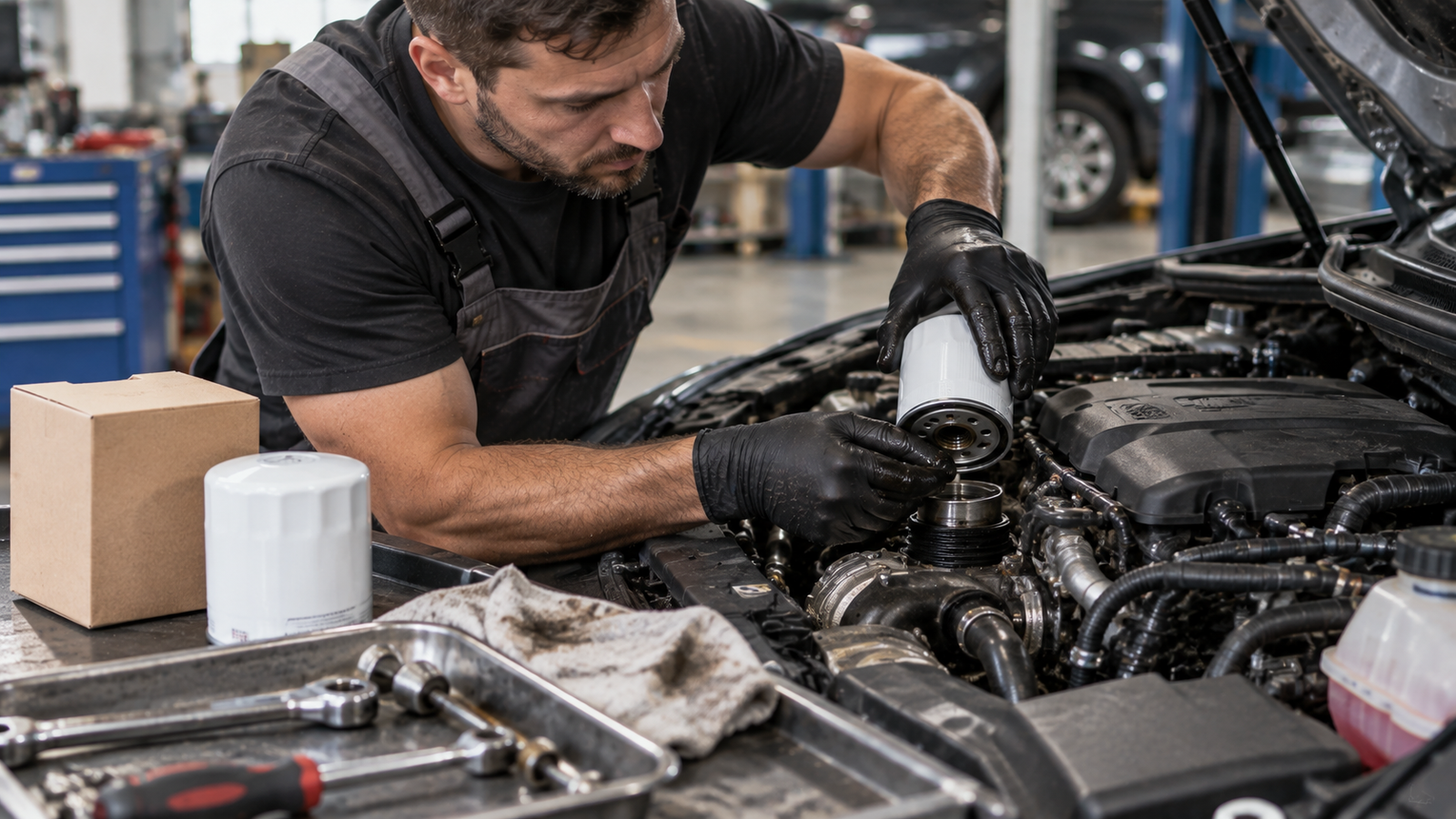
Moreover, it's not enough to simply state that the car was once serviced independently. For a denial of warranty claims, the cause of the malfunction is of fundamental importance. The law provides for the responsibility of the seller, manufacturer, or other authorized persons for defects during the warranty period, unless they prove that the problem arose after the car was handed over due to the consumer violating operating, storage, or transportation rules, actions of third parties, and other circumstances provided by law.
Why oil receipts don't always save you
A common piece of advice for owners is to keep receipts for oil, filters, spark plugs, and other consumables, and to record the date and mileage at each service.
It is indeed reasonable to do this. Documents allow at least to record what materials were purchased and when the work was performed. Rospotrebnadzor specifically recommends obtaining documents from the car service with a list of works performed and materials used. But don't expect that a single cash receipt will automatically prove the correctness of the service.
Suppose the owner presents a receipt for engine oil of the required specification. In response, they might be told that it's unknown what exactly was inside the engine. Theoretically, there could have been one oil in the canister, but another was actually poured into the engine. There's another problem: the origin of consumables. Counterfeit products are found on the market, and the mere fact of purchase in a certain store does not yet prove its compliance with manufacturer requirements.
The dealership, in this regard, has its own supply and accounting system. The service knows the origin of the parts and technical fluids used, works with permanent suppliers, and can track problems with specific batches or components. An owner who bought a canister of oil somewhere else usually does not have such evidentiary basis.
The most dangerous phrase is "unqualified intervention"
Especially unpleasant for the owner is the argument that independent actions might not just fail to eliminate the problem, but exacerbate it.
For example, during the topping up of oil, antifreeze, or washer fluid, the liquid got onto the drive belt. After some time, the belt broke. The owner might consider this a normal operational malfunction, while the service will try to link it to previous actions.

And here a technical dispute arises: did external intervention really cause the part failure? There can be many such examples, as a modern car is an interconnected system. An error in one operation can sometimes indeed manifest itself in a completely different place and much later.
The situation is even more complicated with tuning.
If the car has undergone structural changes, the scope for a warranty dispute becomes even wider. This may include:
- installation of non-standard wheels and tires;
- engine chip tuning;
- installation of an additional anti-theft system;
- electrical modifications;
- installation of third-party equipment.
In case of a malfunction, the service then gets additional grounds to find out if it is related to the changes made.
For example, after intervention in the engine's software, a problem with the power unit appears. Or after installing additional equipment, malfunctions occur in the electrical system. Proving the manufacturing nature of such a malfunction becomes significantly more difficult. This does not mean that any part installed outside the dealership automatically deprives the entire car of its warranty. But the more strongly the intervention is connected with the failed unit, the more important technical proof of the cause of the malfunction becomes.
Missed maintenance can also be an argument.
There is another reason why self-maintenance requires caution. The manufacturer sets a specific maintenance schedule. If the owner skips the prescribed work and then applies with a malfunction, the service may raise the question of whether the lack of maintenance could have led to the breakdown.
That's why the phrase "I did everything myself and didn't write anything down" is not the best behavior for an owner of a car under warranty. It is much safer to have documentary proof of the work performed, use materials of clear origin, and adhere to the established regulations.
What to do if warranty is denied
If a dealer or other authorized service denies warranty repair, do not limit yourself to the master's verbal explanation. Ask for the refusal to be documented in writing and specify the exact reason. The document should clearly state what defect was found and why the service believes it arose due to the owner's fault or as a result of third-party intervention. After this, the car owner has the opportunity to challenge the service's conclusions.
If necessary, an independent technical investigation can be conducted, which should answer the main question: what caused the malfunction and was there a causal link between the owner's actions and the defect that arose. This is fundamentally important for warranty disputes. The Supreme Court has repeatedly drawn attention to the distribution of the burden of proof in such cases, and current legislation specifically regulates the situation when a product has a warranty period.
So, is it worth giving up the dealer?
From a legal point of view, servicing a car outside the official dealer network does not automatically mean the termination of the warranty.
But from a practical point of view, the owner must understand the cost of such a decision. If the car is in good condition and it's only about scheduled maintenance, there may be no problems at all. However, if the engine, gearbox, or electronic unit fails a few months after an independent oil change, a completely different story begins. Therefore, when servicing a car under warranty, it is reasonable to follow a few simple rules:
- Keep receipts and work orders for all work and consumables.
- Record the date, mileage, and list of operations performed.
- Use parts and technical fluids with confirmed origin.
- Comply with the manufacturer's regulations for service timing and scope.
- Do not discard old parts after serious repairs.
- For complex work, contact a service that provides full documentation for the operations performed.
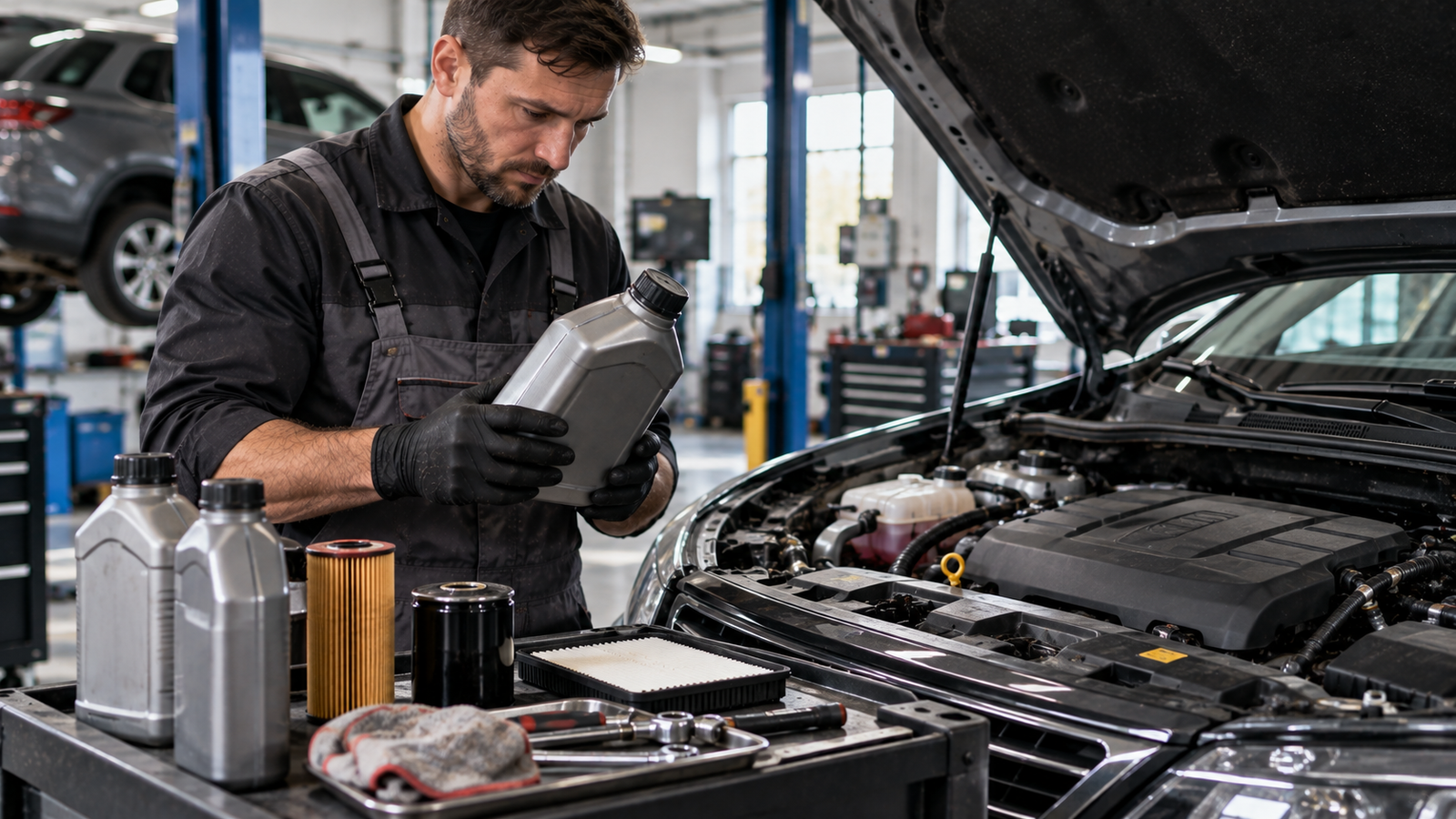
And most importantly, don't confuse two different things. Servicing a car not at an official dealer and a warranty denial due to a specific malfunction are not the same thing. If a manufacturing defect is in no way related to the owner's actions, the mere fact of independent oil change does not make him the culprit of the breakdown. But if the service can substantiate a causal link between improper maintenance and the malfunction, the dispute becomes much more complicated.
That's why the decision to refuse dealer service during the warranty period is not so much a question of "can or cannot" as it is a question of readiness to independently document maintenance and, if necessary, prove one's position. In case of a conflict, a written refusal from the service and an independent examination can be significantly more important than verbal explanations.
Read more articles:
- Why Soviet trucks had wooden bodies
- Up to 7 years for a scooter: where a toy ends and a moped begins
- Why NASCAR drives left and why cars push each other
Комментарии