Women in the US are significantly less likely than men to believe that electric vehicles accelerate faster than comparable internal combustion engine cars. This conclusion was reached by the authors of a study commissioned by BMW. According to the survey results, only 25% of women agree with this statement, compared to 52% of men.
The study covered 1005 adult US residents. The survey was conducted by Big Village from September 11 to 13, 2026, and the results were weighted to reflect the structure of the country's adult population. This refers to the perception of cars by survey participants, not measurements of actual EV dynamics.
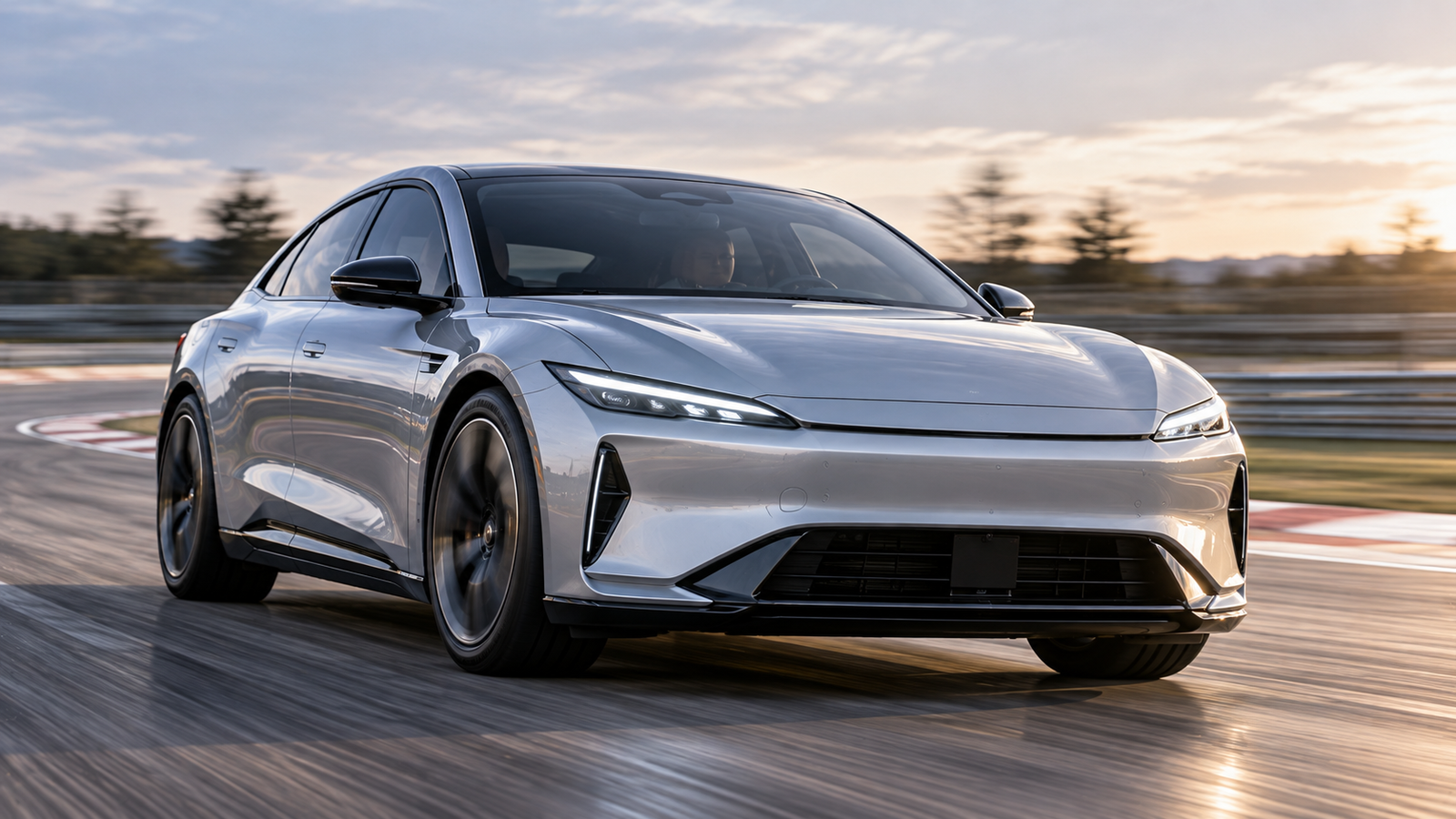
The difference is also noticeable across generations. 49% of millennials and 47% of Gen Z recognize the fast acceleration of electric vehicles. Among Gen X, this figure is 33%, and among baby boomers, it is 25%.
Electric motors can develop high torque from the very beginning of movement, which helps provide a quick response to pressing the accelerator pedal. However, actual acceleration depends on the power of the powertrain, control settings, tire grip, and vehicle weight. Therefore, the type of engine itself does not guarantee that every electric car will be faster than every ICE car.
Range is more important for men
Differences between men's and women's responses were evident not only in the assessment of dynamics but also in range requirements. For 80% of men, this parameter is one of the determining factors when choosing an electric vehicle. Among women, 64% of survey participants answered similarly.
Half of men stated that before buying an electric vehicle, they would like a range of at least 300 miles, or approximately 483 km. Among women, 35% named such a figure. This does not mean that women drive less: the study records stated requirements for the car, not actual annual mileage.
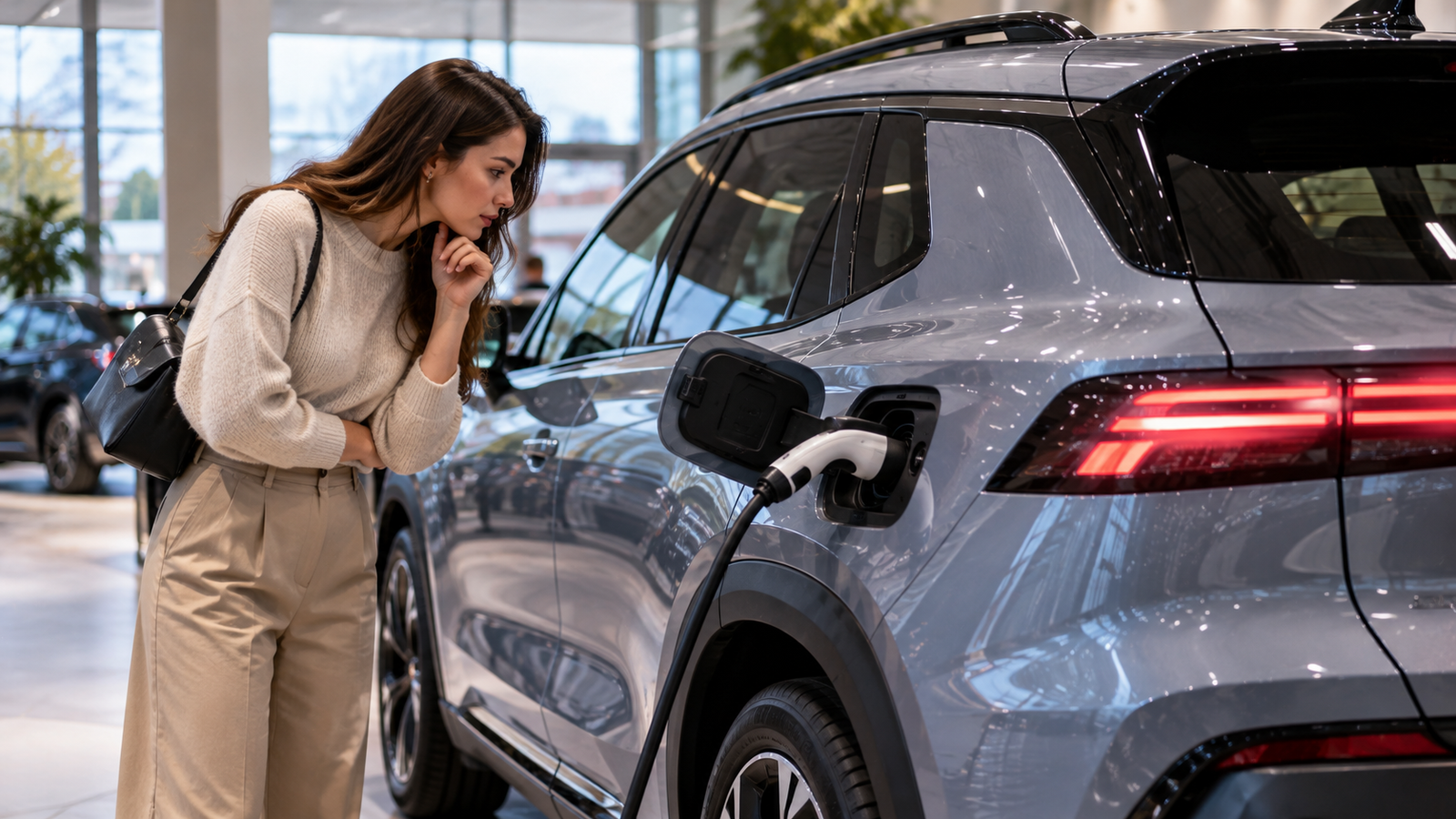
Overall, Americans want more range from electric vehicles than is required for most daily commutes. According to BMW, 73% of respondents believe that 75 miles, or about 121 km, would be enough for daily routes. At the same time, 42% of participants want an electric vehicle to be able to travel at least 300 miles on a single charge, and 18% expect a range of over 400 miles — approximately 644 km.
This discrepancy can be explained not only by daily needs but also by the desire to travel long distances without frequent stops. Buyers evaluate a car not exclusively by the home-to-work route: trips to other cities, the availability of charging stations, and the ability to quickly replenish energy on the go are important.
Fast charging can change attitudes towards electric vehicles
One way to reduce the need for a very large battery is to reduce charging time. According to the BMW study, 53% of Americans would be more likely to consider buying an electric vehicle if a 10-minute charge at a powerful charging station could provide a range of approximately 150 miles, or 241 km.
Among Gen Z, this option attracted 70% of participants, among millennials — 65%. For comparison, among Gen X, the figure was 52%, and among baby boomers — 30%. This indicates a significant difference in expectations among different age groups, although it does not in itself prove that young drivers buy electric vehicles more often.
Perceptions of acceptable charging time are also changing. In 2026, 55% of respondents stated that they consider a charging duration of no more than 30 minutes acceptable. A year earlier, there were 48% of such respondents. The option of charging up to one hour suits 76% of study participants.
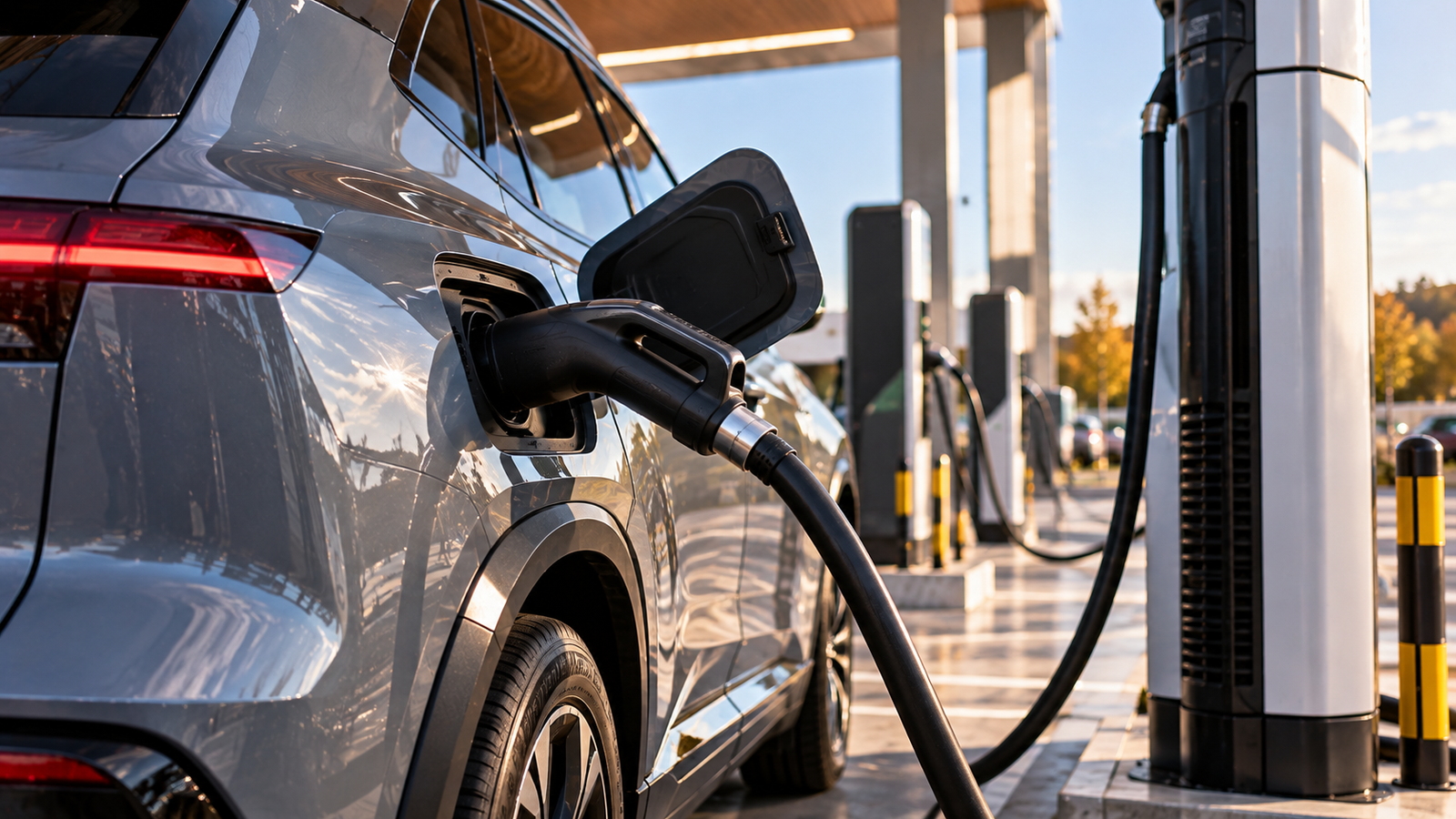
Modern high-voltage platforms allow for reducing the time to replenish energy. For example, BMW states that the new electric iX3, when connected to a powerful 800V DC station, can gain a range of approximately 185 miles, or 298 km, in ten minutes. The actual result depends on battery temperature, initial charge level, station characteristics, and other conditions.
Price remains the main obstacle
Despite the development of batteries and charging infrastructure, the purchase cost still hinders the spread of electric vehicles in the US more than other factors. 51% of survey participants cited high price as an obstacle. Another 31% are concerned about battery durability or the cost of its replacement.
Charging time was a problem for 26% of respondents. Range and the availability of public charging stations were cited by 24% each, and the lack of a convenient way to charge at home by 23%.
Buying a used car can reduce initial costs. According to the study, 55% of Americans are willing to consider a used electric vehicle or a certified pre-owned car if the savings are substantial enough.
Overall, 68% of survey participants stated that they would consider an electric vehicle for their next purchase. Among the reasons, they cited lower ownership and operating costs — 27%, dynamics and driving performance — 19%, modern technologies — 19%, and environmental benefits — 19%.
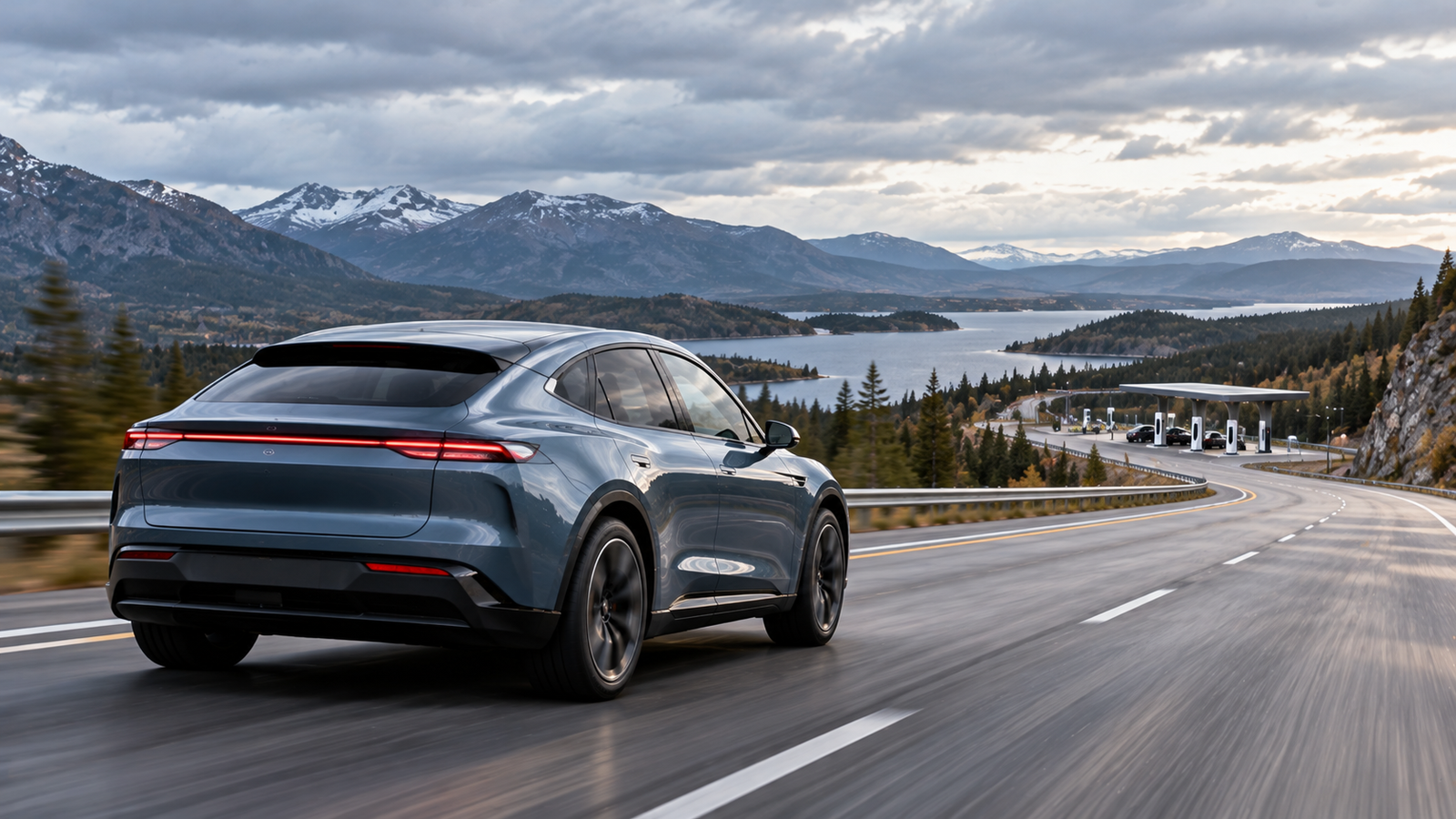
In addition, over the year, the proportion of Americans who consider EV buyers exclusively early adopters decreased. In 2026, 56% of respondents held this opinion, compared to 62% in 2025. According to BMW, the market is gradually shifting from familiarization with the technology itself to comparing the cost, characteristics, and ease of use of different types of cars.
The study results show that electric vehicle manufacturers will have to work not only on range and charging speed but also on buyers' perceptions of the capabilities of electric powertrains. At the same time, the identified differences between men and women reflect the responses of a specific American sample and do not allow for automatically transferring conclusions to other countries or all potential buyers.
Read more materials:
- How Chery, Geely, and Haval created their engines
- Why Omoda, Geely, and Chery are getting new names
- The car suddenly became noisy: what to check first