Translated with AI from the Russian original.
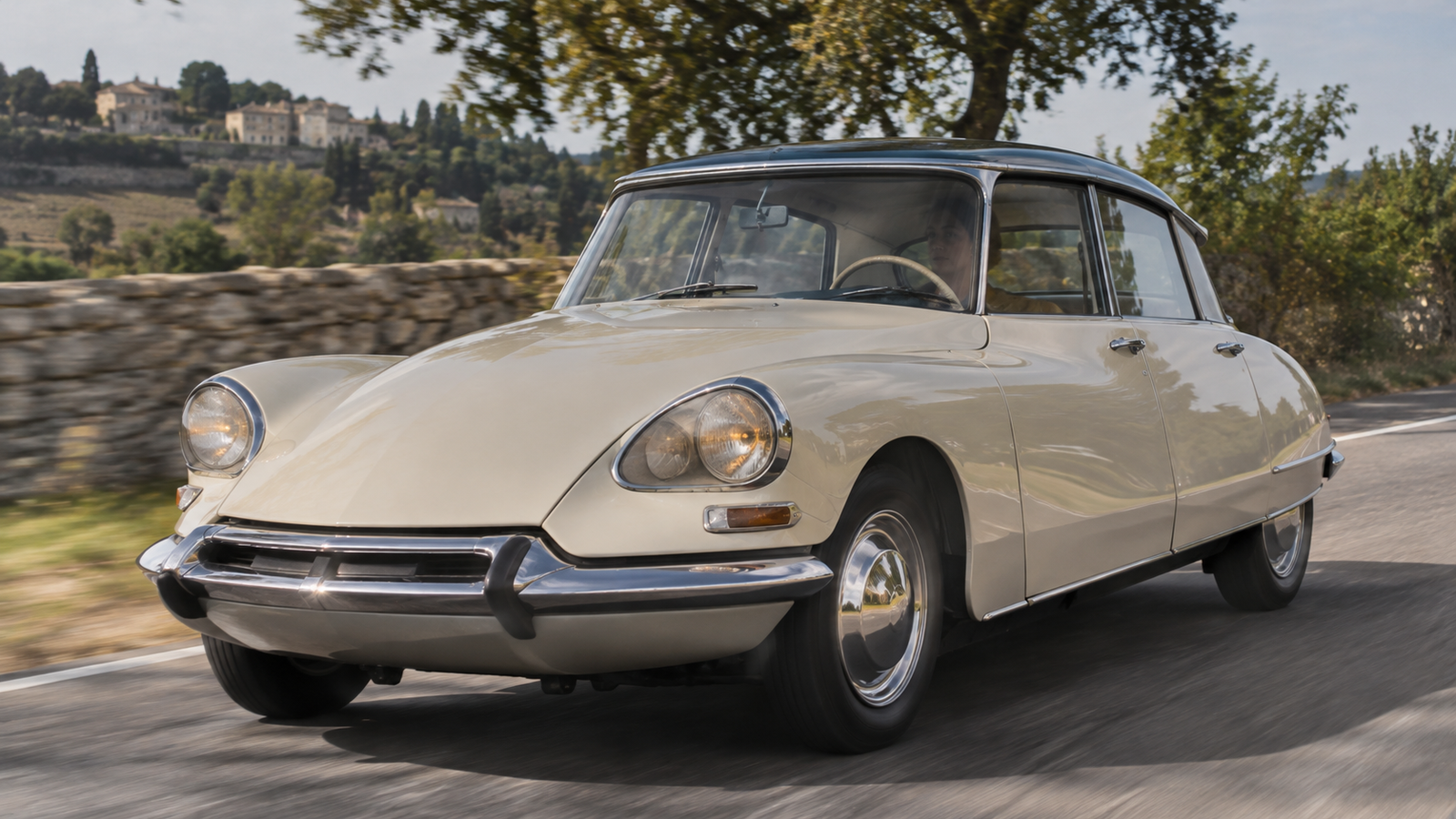
The unusual steering wheel of the Citroën DS 19 was not merely a design experiment. Its single curved spoke design was intended to reduce the risk of driver injury in a frontal collision. The model was unveiled at the Paris Motor Show in October 1955—four years before Volvo began installing three-point seatbelts as standard on the production PV544 and Amazon.
The hollow spoke of the DS 19 steering wheel was angled downwards and away from the driver. Upon impact, the driver shifted forward by inertia, and this shape was designed to help the torso glance off the spoke rather than collide directly with the steering column.
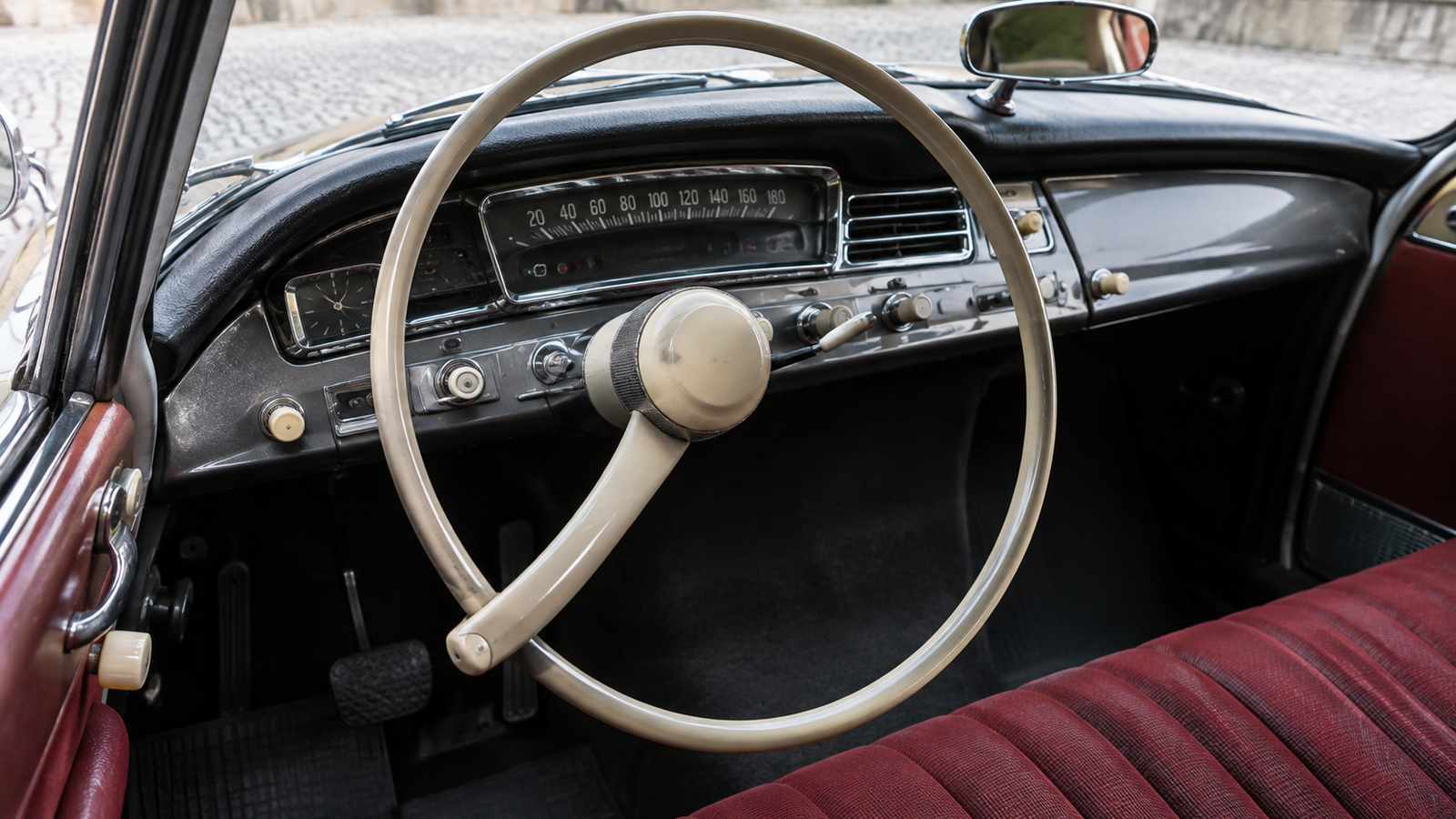
In addition, the rim, secured at a single point, could deform under load. Citroën viewed this design as part of an overall protection system: contemporary advertising materials specifically mentioned the safe steering wheel without traditional spokes among the advantages of the DS.
Other features of the car were also tied to crash protection. The gearbox was placed ahead of the engine, with the spare wheel mounted above it in the front of the body. According to the engineers' intent, these components provided additional protection for the steering mechanism during a frontal impact.
Citroën also implemented energy-absorbing crumple zones in the front and rear sections of the body. The single-spoke steering wheel later appeared on other models from the brand: the 1970 GS, the 1974 CX, the 1982 BX, and the 1989 XM. On certain vehicles of the CX and GSA families, controls were clustered in pods next to the steering wheel so the driver could operate them without taking their hands off the rim.
This design disappeared with the advent of the driver's airbag. Following an update in June 1994, the XM received an airbag and seatbelt pretensioners, while Series 2 cars were already equipped with a conventional steering wheel, as the central hub was needed to house the airbag. Later, Citroën introduced another unusual solution on the 2004 C4: a steering wheel with a fixed central hub. It remained in one position when the rim was turned, keeping control buttons in their usual places at all times and allowing the airbag to be shaped specifically rather than round.
This solution was also used on the C4 Picasso and C5, but was phased out in subsequent generations of the C4. Today, steering systems are evolving toward steer-by-wire setups, in which the mechanical connection between the steering wheel and the wheels is replaced by electronic control. In such an architecture, the traditional steering column no longer dictates steering wheel design, though requirements for airbag placement remain.
Read more articles:
- Four mistakes when driving over speed bumps that damage suspension
- How to check the body of a used car before buying
- “Cyber-Sheriff”: how cameras on a patrol car roof hunt for debtors