Translated with AI from the Russian original.
With the start of the cold season, drivers face the same question every year: what happens to the OSAGO payout if an accident occurs involving a car with summer tires? From December to February, the use of summer tires on passenger cars is prohibited under technical condition regulations. A warning or a 500-ruble fine is imposed for this violation. However, violating tire requirements in itself does not mean that the insurance company will automatically refuse a payout.
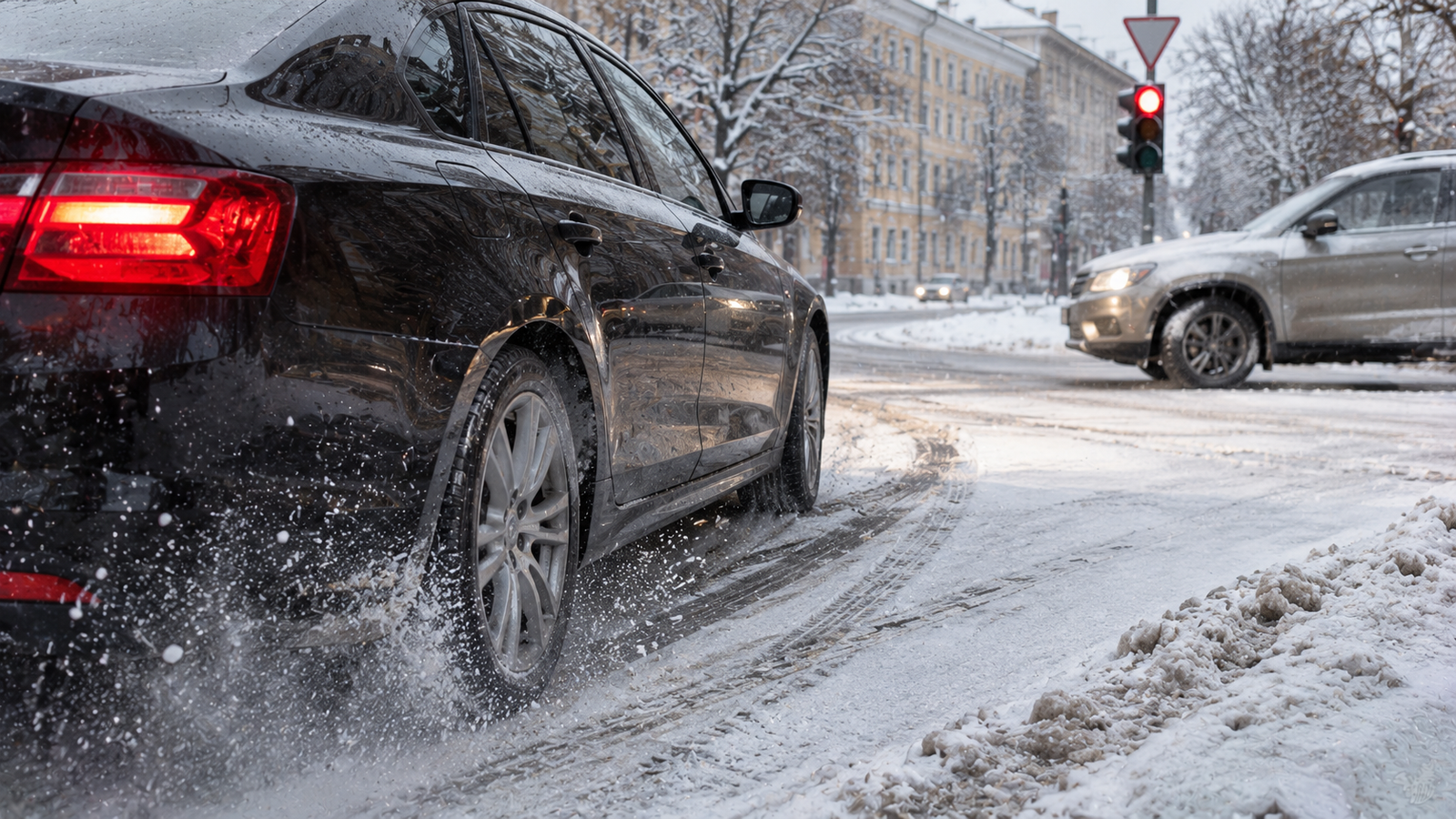
If a driver on summer tires causes an accident, their insurance company must compensate the victim within the framework of OSAGO. The use of summer tires in winter does not by itself fall under the statutory grounds for a recourse claim against the at-fault driver. Therefore, having summer tires does not grant the insurer an automatic right to recover the paid amount from the driver. In this regard, for OSAGO there is no fundamental difference between November and December.
The situation changes if a car on summer tires gets into an accident caused by another driver. The at-fault party’s insurance company must compensate for the damages, but the compensation amount may depend on the degree of fault of the victim themselves. If a court establishes that operating the car on summer tires under the specific road conditions contributed to the accident, part of the liability may be placed on the driver of the damaged car. In that case, the payout is reduced in proportion to the degree of fault established by the court.
This approach was applied, in particular, by the Orenburg Regional Court in a case involving a collision between a Lada Granta and a Ford Mondeo on a snowy road: the court assigned 80% of the fault to the Granta driver, who failed to yield right of way, and 20% to the Ford driver, who continued driving on summer tires and failed to take the road conditions into account.
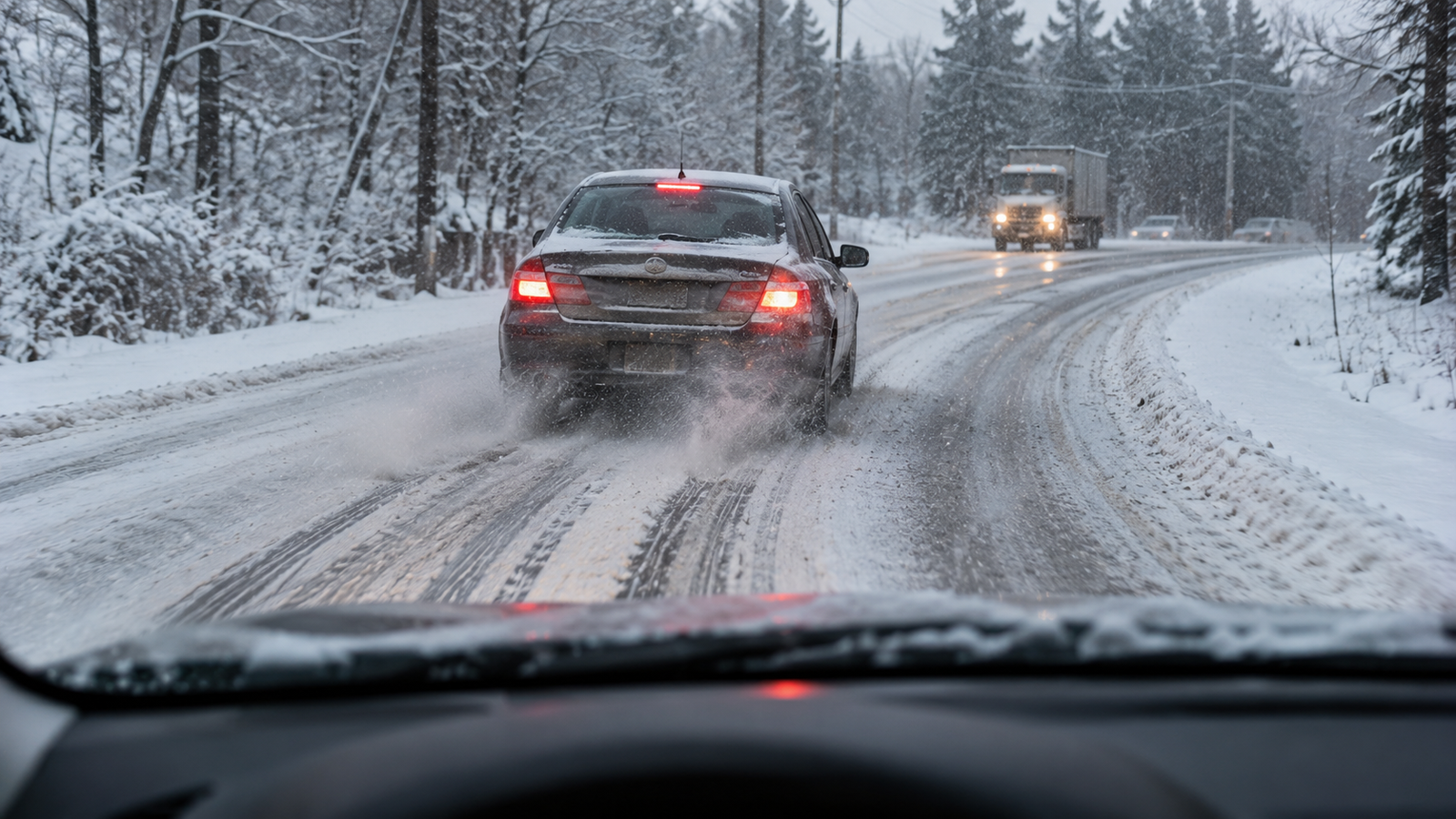
The absence of winter tires does not automatically deprive a driver of the right to an OSAGO payout, but it can become a factor when establishing fault in an accident. Moreover, not only the period from December to February matters: a court can take tire condition and road conditions into account at any time of the year. Therefore, driving on summer tires on snow or ice creates not only the risk of a fine during the period prescribed by law, but also the risk of reduced compensation if it is proven that the car’s condition influenced the occurrence of the accident.
Read also:
- Where a car costs more than an apartment: how Singapore, Denmark, and Ethiopia inflate car prices
- When KamAZ almost stopped making trucks, its “Oka” was produced by the thousands
- A car blocked the driveway in the yard: how to find the owner and avoid criminal charges