Translated with AI from the Russian original.
The exact same Toyota Corolla can cost entirely different amounts depending on the country. In Singapore, a car's price is made up not only of the cost of the vehicle itself, but also of taxes and a special certificate granting ownership rights. In Denmark, a progressive registration tax plays the primary role, while in Ethiopia import duties are so high that an old car can turn out to be more expensive than a new electric vehicle. As a result, car prices in these countries differ significantly from American and European ones.
Singapore: a car begins with a certificate
In Singapore, a new Toyota Corolla may have an open market value of around 20,000 Singapore dollars at customs. Then, a 9% sales tax, a 20% excise duty, and a registration fee are added to this amount. But the main expense becomes a special certificate—the Certificate of Entitlement, which grants the right to own and use a vehicle. At auction, it can cost more than 100,000 Singapore dollars. As a result, an ordinary Corolla ends up costing around 110,000 US dollars, whereas a comparable car in Malaysia costs around 35,000, and in the US roughly 23,000 dollars.
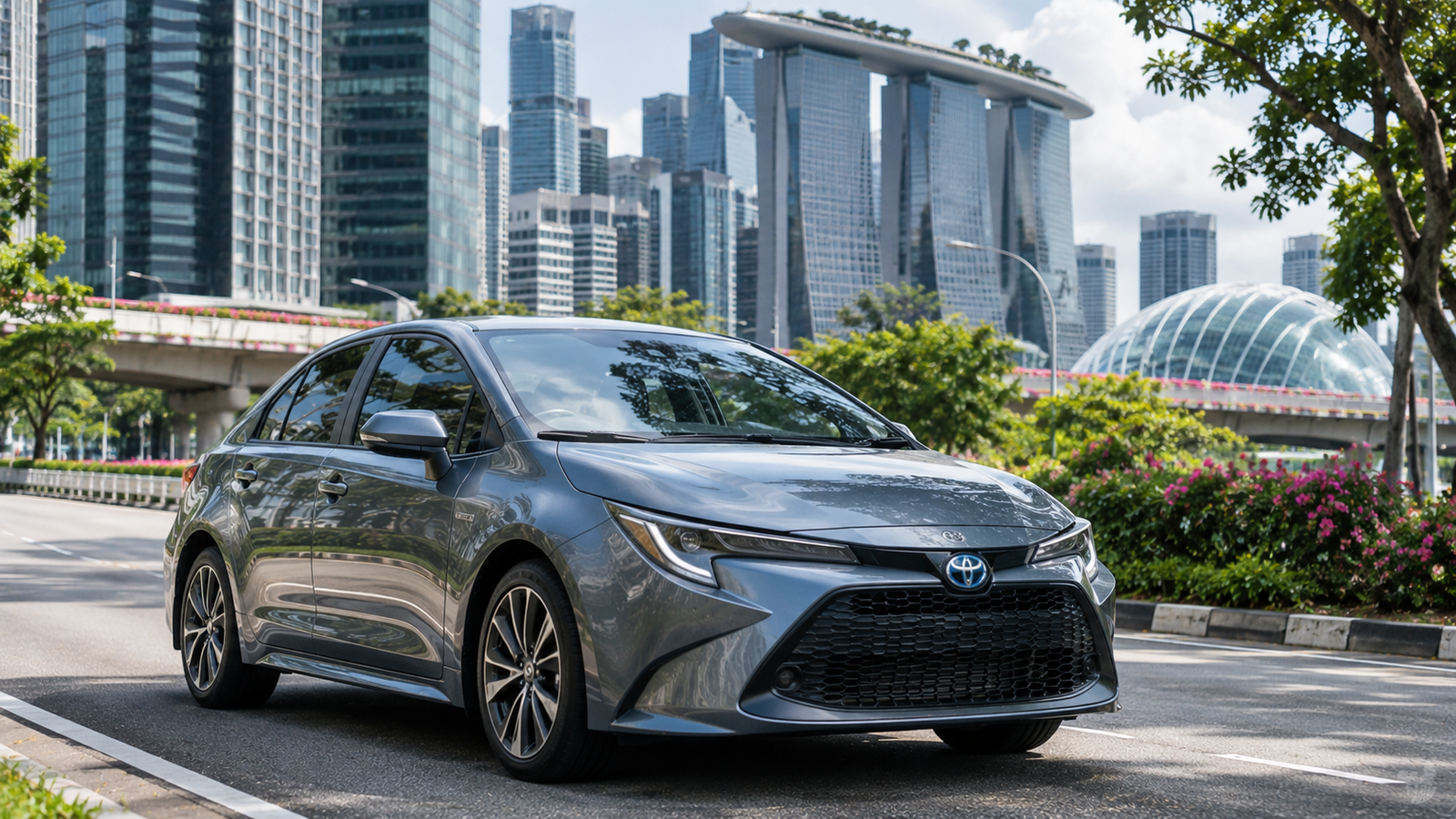
The reason for such a system is Singapore's limited land area. Roads already occupy a substantial portion of the territory, so the government controls not only vehicle usage, but also the overall size of the vehicle fleet. Certificates are distributed through auctions, and the total number of cars is effectively capped by the number of issued permits. A new certificate becomes available when an old vehicle is deregistered. Because of this, the cost of ownership rights can fluctuate sharply with demand. In certain bidding exercises, the certificate's price has exceeded 150,000 Singapore dollars.
The permit is valid for 10 years. After that, the owner can renew it for five or ten years by paying an amount calculated based on recent auctions. After a five-year extension, a second renewal is no longer possible. Another option is to deregister the vehicle and scrap it or export it out of the country. It is export that helps Singapore remain a major supplier of used cars to other markets. Vehicles reaching ten years of age are shipped to countries in Africa, the Caribbean, and other states where demand for inexpensive used cars remains high.
Denmark: a car is taxed as a luxury item
In Denmark, a comparable new car is also significantly more expensive than in the US. The main reason is the registration tax. Passenger cars are subject to a progressive scale: the lower portion of the value is taxed at one rate, the next bracket at a higher rate, and the highest portion at the maximum rate. Value-added tax and environmental components based on vehicle specifications are added on top of this.
Such a tax has existed in Denmark for many decades. Historically, it has been used both as a way to curb demand for cars and to generate additional budget revenue. As a result, even a mid-range car can cost noticeably more than in countries with lower registration fees. On luxury vehicles, the difference becomes even more pronounced: a significant share of the final price is formed specifically by the tax burden.
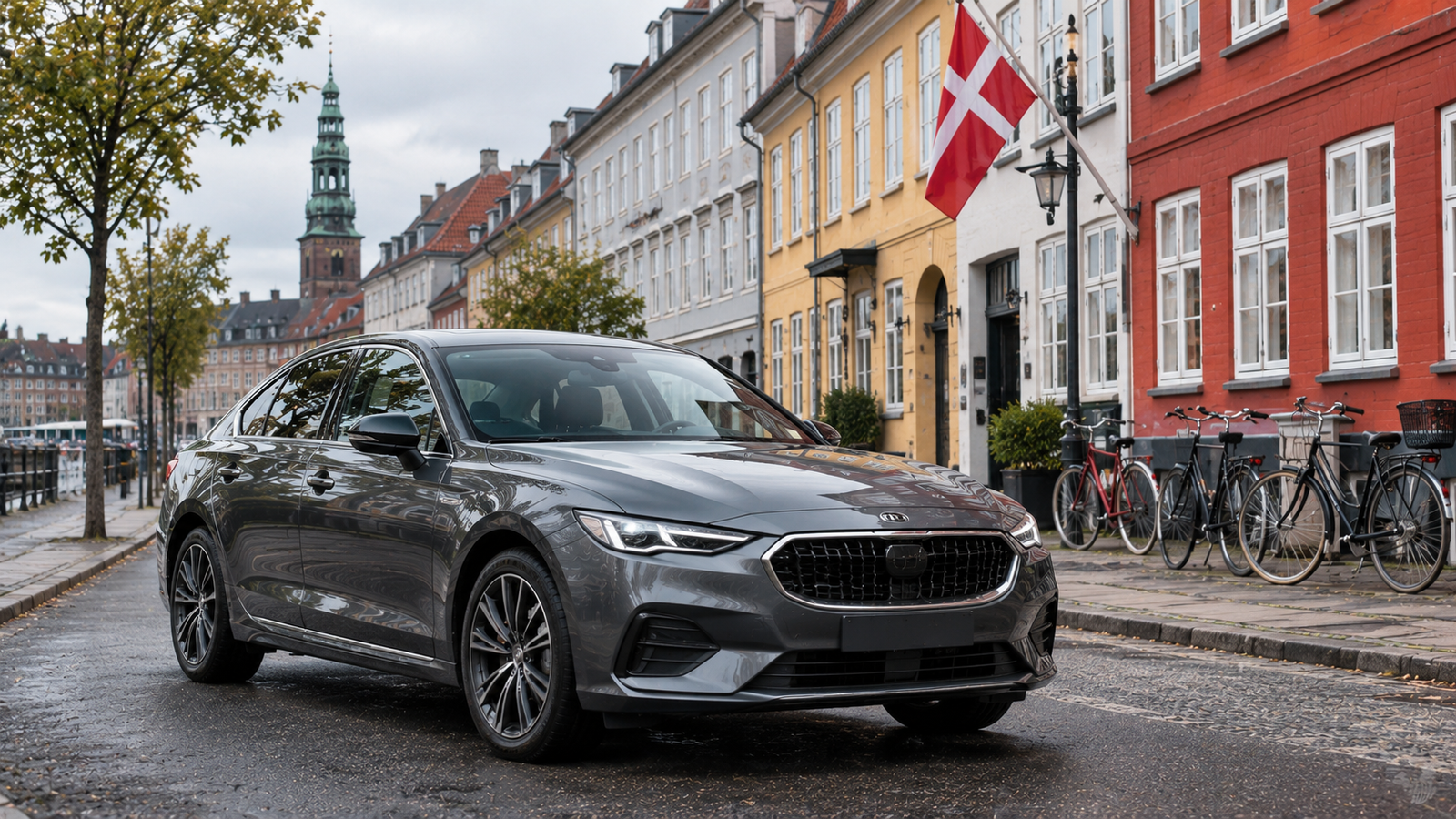
Buying a car abroad does not solve the problem. When registering an imported vehicle, the state also calculates the registration tax, and for a used car, its market value serves as the benchmark. Therefore, high prices persist on the secondary market as well: the seller factors the taxes already paid during initial registration into the vehicle's asking price. As a result, Danes often keep and drive their cars longer than owners in countries with a lower cost of ownership.
Ethiopia: an old car can turn out to be more expensive than a new one
In Ethiopia, the situation is different. The country has a large population, but its vehicle fleet remains small, and domestic passenger car production is virtually nonexistent. Cars are mostly imported, with used vehicles making up a significant portion of the market. Imports are subject to customs duties, VAT, surtaxes, and excise taxes, and the tax burden is especially heavy on older vehicles with large engines.
In 2020, excise duties on older cars were sharply increased. For certain vehicles over seven years old with an engine displacement above 1.8 liters, the rate could reach 500% of the vehicle's value. The authorities linked the tightening to the high fuel consumption of older cars. Because the country imports gasoline and diesel, the government simultaneously sought to reduce demand for fuel-hungry vehicles and lower fuel import costs.
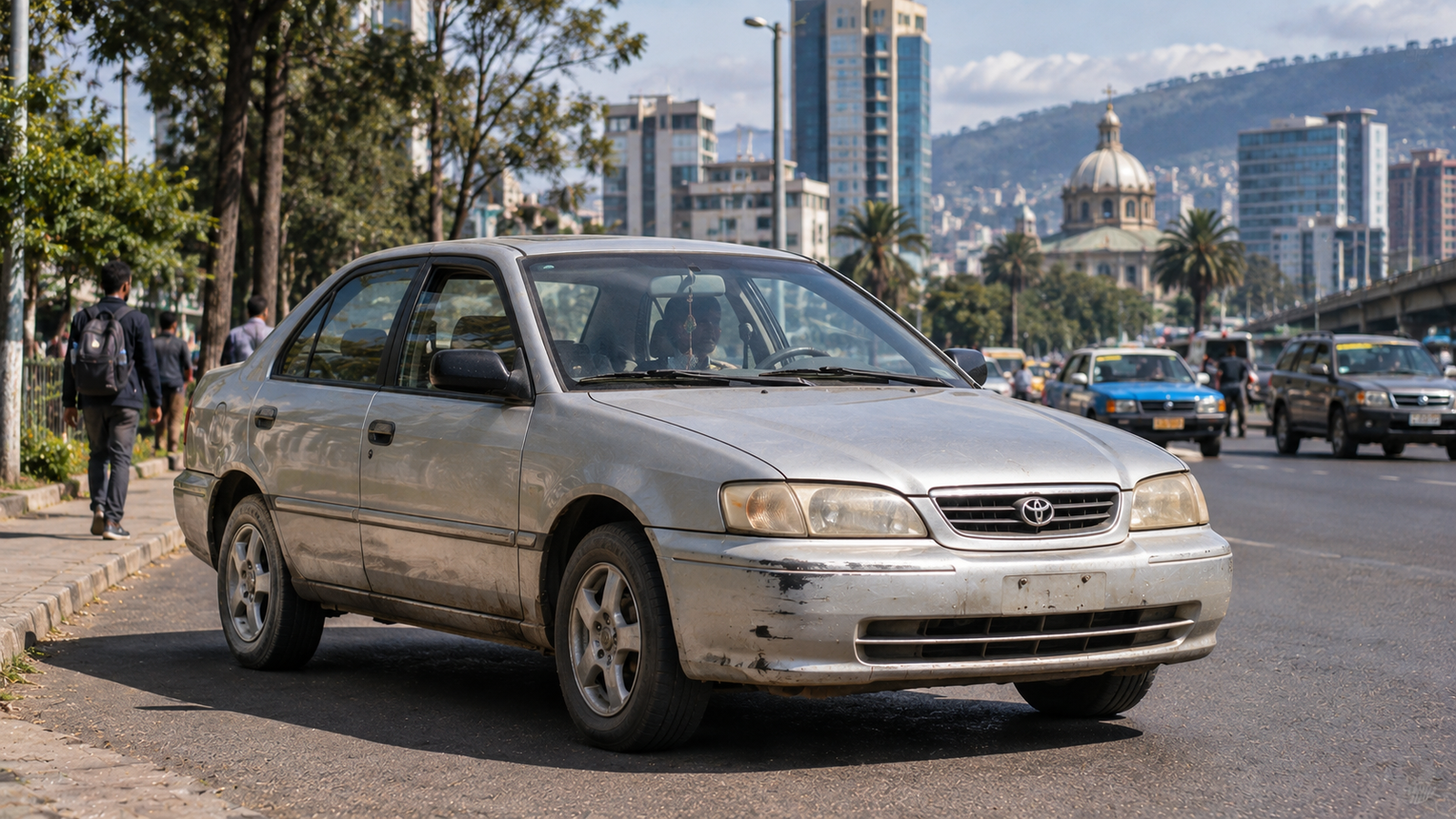
Tax policy has had a profound impact on the used car market. Popular models like the Toyota Vitz and Corolla became significantly more expensive after the rates changed. In 2024, Ethiopia also banned the import of new gasoline- and diesel-powered passenger cars, betting on electric vehicles and lowering import duties for them. However, the transition has proved challenging: buyers face concerns regarding reliability, maintenance, and the availability of spare parts. That is why, even after the rule change, older gasoline Toyotas remain in high demand. Ultimately, in Ethiopia a car can be expensive not because it is new or technologically advanced, but because government levies multiply its original cost several times over.
Read more articles:
- Four speed bump mistakes that damage your suspension
- How to inspect a used car’s body before buying
- “Cyber-Sheriff”: how cameras on patrol car roofs track down debtors