The Omoda brand plans to launch a new generation Omoda C5 crossover on the Russian market in 2026. The car will be a deep reworking of the current version and will receive a completely new design both outside and inside.
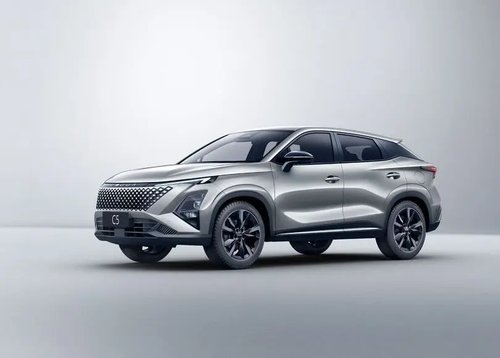
The new Omoda C5 was created taking into account the updated design philosophy of the brand. The model's appearance will feature futuristic elements and more dynamic lines - in the same style as the flagship Omoda C7 crossover. The changes will affect not only the exterior, but also the interior: a different front panel architecture, a redesigned multimedia system and new finishing materials are expected.
The technical characteristics of the new product have not yet been disclosed. The current Omoda C5 offers two power units: a 1.5-liter engine with 147 hp with front-wheel drive and a 1.6-liter engine with 150 hp, available with all-wheel drive. It is possible that the engine range will be revised in the new generation.
Omoda C5 became the brand's first model on the Russian market - its sales started in October 2022. At the end of 2024, the crossover has already undergone a restyling, but then the changes were cosmetic. The new generation will be the largest update of the model for the entire time of its presence in Russia.
Comments