Hundreds of passenger cars purchased by Russians abroad have not undergone customs clearance and are "stuck" in ports after changes to the waste disposal fee rules. This concerns cars purchased before December 2025, but which arrived in Russia or were processed after the new rates came into effect.

Some of the cars remain in Vladivostok, while other batches have not been able to leave the ports of Japan and South Korea. The delays were caused by bad weather, overloaded logistics and delays in shipment by exporters.
The owners expected to clear the transport at the previous preferential rates, but the shift in delivery times took them out of the preferential corridor.
Returning cars to the country of origin or reselling them to third countries requires additional costs and carries serious risks. It is almost impossible to export sanctioned cars back to Japan, and transit schemes are fraught with customs problems.
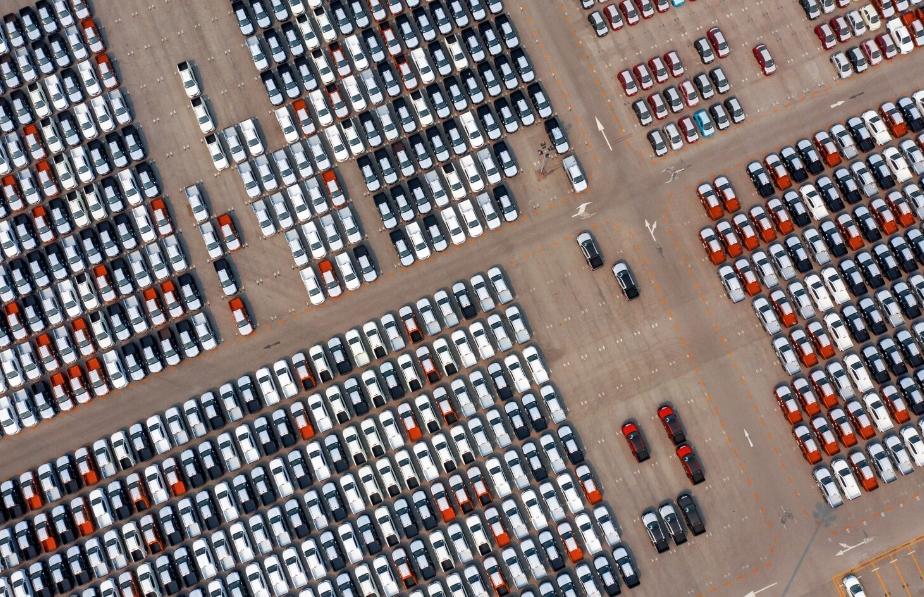
Additional pressure is created by storage in temporary warehouses. It is limited in time and quickly becomes more expensive. If the owner does not register the car within a few months, the transport may be declared unclaimed and converted into state revenue.
Currently, preferential rates for the waste disposal fee continue to apply only to cars with a capacity of up to 160 hp, which individuals import for personal use.
Read more materials:
- General Motors Patented Airless Wheels with Motor Inside
- Auto Expert Warned Russians About the Danger of Old Chinese Cars
- Car Tuning Proposed to be Taken Out of the Gray Area in Russia