Mazda has involved owner communities in the development of the next-generation Mazda MX-5 Miata. Japanese engineers have already met with clubs in Italy – one of the model's key markets, along with Germany and the UK.
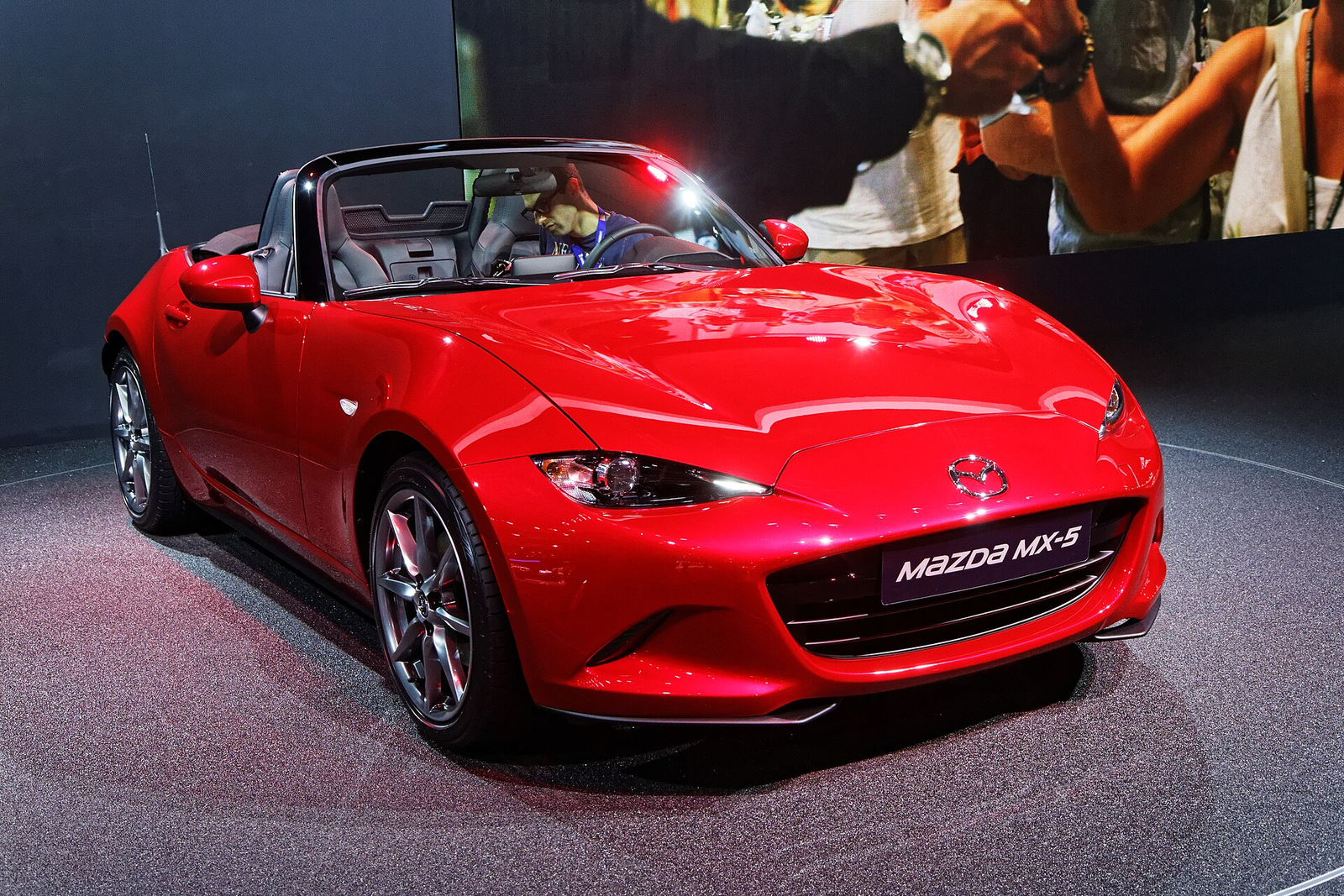
For production sports cars, it's rare to systematically collect feedback during the development phase, but for the MX-5, it's logical: the model has historically been built around a "human-centric" drive, not just numbers. The company promises a "smile behind the wheel, even when cars start flying." The question is whether it can maintain this without an increase in weight.
Basic principles have already been confirmed: low weight, rear-wheel drive, and balanced handling. These parameters define the roadster's character and distinguish it from more powerful but heavier alternatives.
Electrification remains an open question. Batteries and electric motors complicate maintaining low mass and weight distribution, so any implementation will depend on regulations and technologies. Meanwhile, the current ND generation (on the market for over 10 years) in the US version uses a naturally aspirated 2.0-liter Skyactiv-G (181 hp) with a 6-speed manual or automatic transmission – a benchmark for a "pure" experience.
There are almost no classic roadsters left in the segment: among the few is the BMW Z4. Against the backdrop of SUV dominance, Mazda's bet on a lightweight, rear-wheel-drive format seems risky – and therefore noticeable.
Read more articles:
- Indecent Unveiled 911 Slantnose Based on Porsche 991
- Suzuki May Change Stance on Jimny Electrification
- Mercedes to Bring Back Physical Buttons to the Interior
Comments