FIA President Mohammed Ben Sulayem confirmed the course to transition from the current hybrid V6 engines to V8s at the beginning of the next decade. The decision is being discussed with manufacturers after the "Formula 1" Miami Grand Prix weekend. Six power unit suppliers are participating in the vote: Mercedes-AMG, Ferrari, Honda, Audi, Red Bull Ford, and Alpine. For a 2030 launch, approval from four out of six is needed; otherwise, the regulator is prepared to implement the rules from 2031.
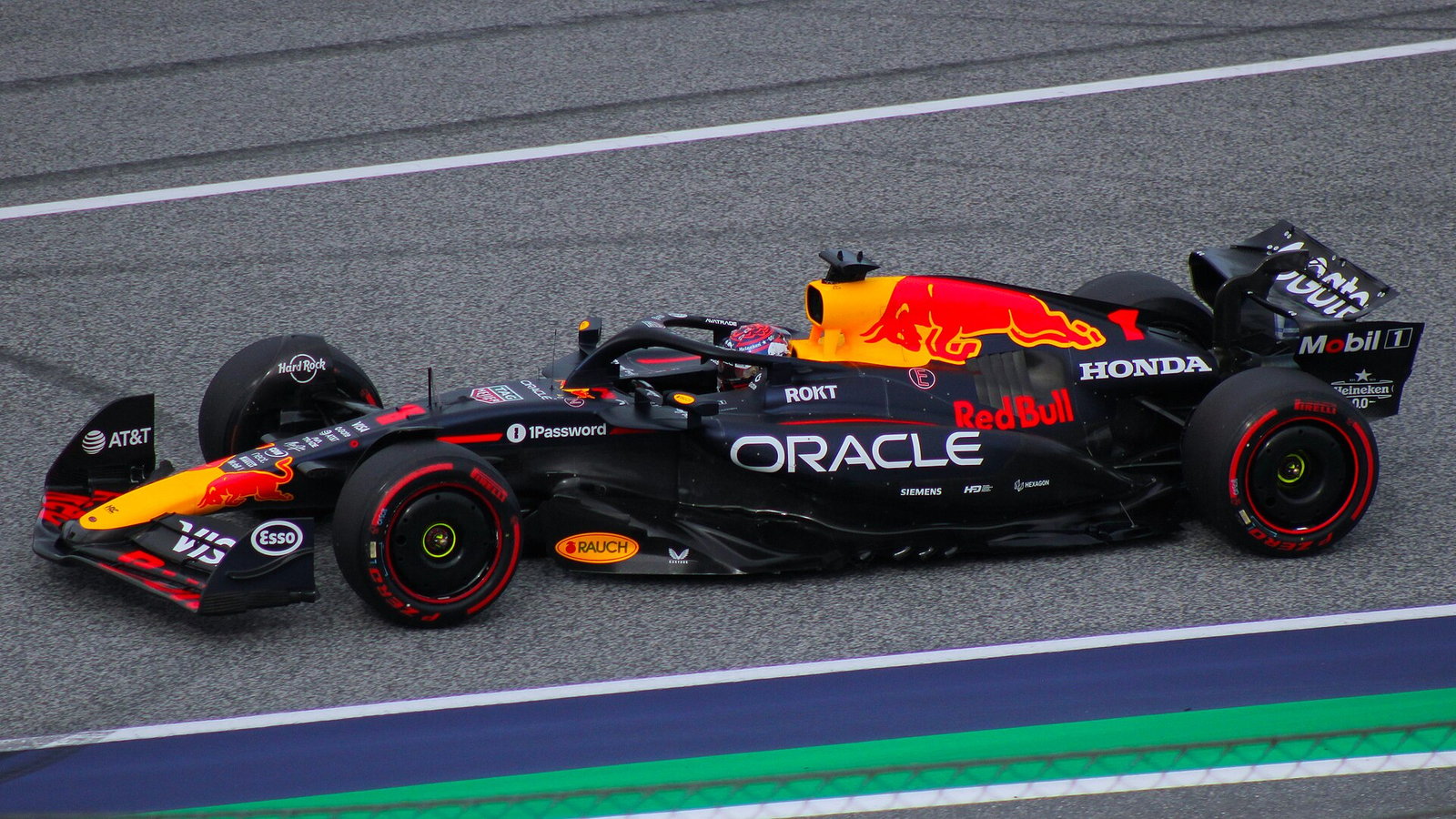
The basic configuration is a naturally aspirated/turbocharged V8 with a displacement of approximately 2.6–3.0 liters with partial electrification. The target energy balance is 10–20% in favor of the electric part (compared to the current higher contribution). The expected total power is around 880 hp, of which about 650 hp comes from the internal combustion engine. The rev limit is up to ~15,500–16,000 rpm to contain costs and avoid an "expensive" race for extreme frequencies.
There are three reasons for the change in concept: cost, mass, and the "purity" of perception. The current scheme with a 1.6-liter V6 and complex components like MGU-H is expensive to develop and supply to customer teams. Simplification should lower the entry barrier and expand the pool of manufacturers.
Simpler engines are cheaper to develop and maintain, lighter, and potentially louder, which is important for spectators. At the same time, environmental responsibility is maintained through the use of sustainable fuels and moderate hybridization.
Read more materials:
- BYD Sold a Limited Supercar for Millions, Only 30 Units Produced
- Indecent Unveiled a 911 Slantnose Based on the Porsche 991
- Suzuki May Change Stance on Jimny Electrification
Комментарии