A number of manufacturers are reallocating investments from "pure" battery platforms to alternatives. Honda is launching its own hydrogen program after concluding its cooperation with General Motors. Toyota and Isuzu are developing fuel cells for commercial vehicles. Hyundai is testing H2 ecosystems, having provided a fleet of Hyundai NEXO vehicles and an electrolyzer to a university. In Europe, BMW, in collaboration with Toyota, is preparing a mass-market FCEV for 2028, utilizing developments from the Toyota Mirai platform. In the performance segment, Porsche is scaling up e-fuels at the Haru Oni plant (a project with HIF Global) and is already using them in the Porsche Mobil 1 Supercup series.
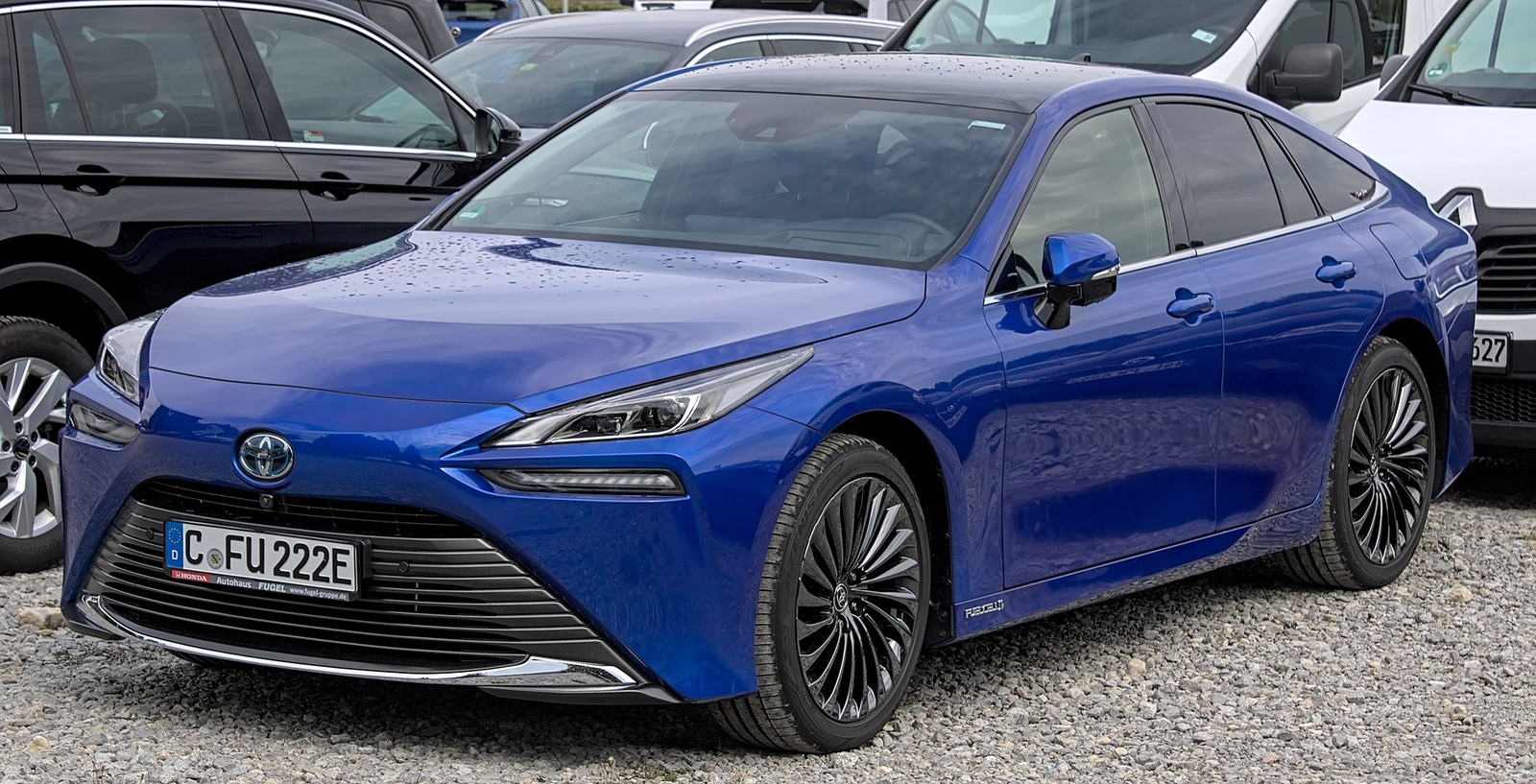
Hydrogen fuel cell electric vehicles (FCEVs) generate electricity on board from H₂, reducing reliance on batteries. Concurrently, synthetic fuels (e-fuels) – liquid fuel made from "green" hydrogen and captured CO₂ – allow existing internal combustion engines to be used with minimal modifications.
Scaling up is hampered by infrastructure: disruptions at hydrogen fueling stations (including closures in California by operator True Zero) demonstrate a lack of readiness for everyday operation.
For commercial vehicles, hydrogen reduces downtime (fast refueling) and battery weight. For passenger cars, e-fuels provide "compatibility" with the current fleet. However, economics and availability remain key barriers.
Read more materials:
- Rolls-Royce Sales in Russia Grow Despite Price: What's Behind the Demand for Spectre and Cullinan
- Lithuania Restricted Fuel in Car Tanks at the Border: What Has Changed for Drivers and Why It's Important
- Thais Turned a Toyota Pickup into a Full-Fledged Truck
Комментарии