A few years ago, Ford effectively abandoned most sedans in the North American market, focusing on pickups, SUVs, and crossovers. The company still considers this decision successful, but now management is for the first time admitting the possibility of bringing back the classic body style.
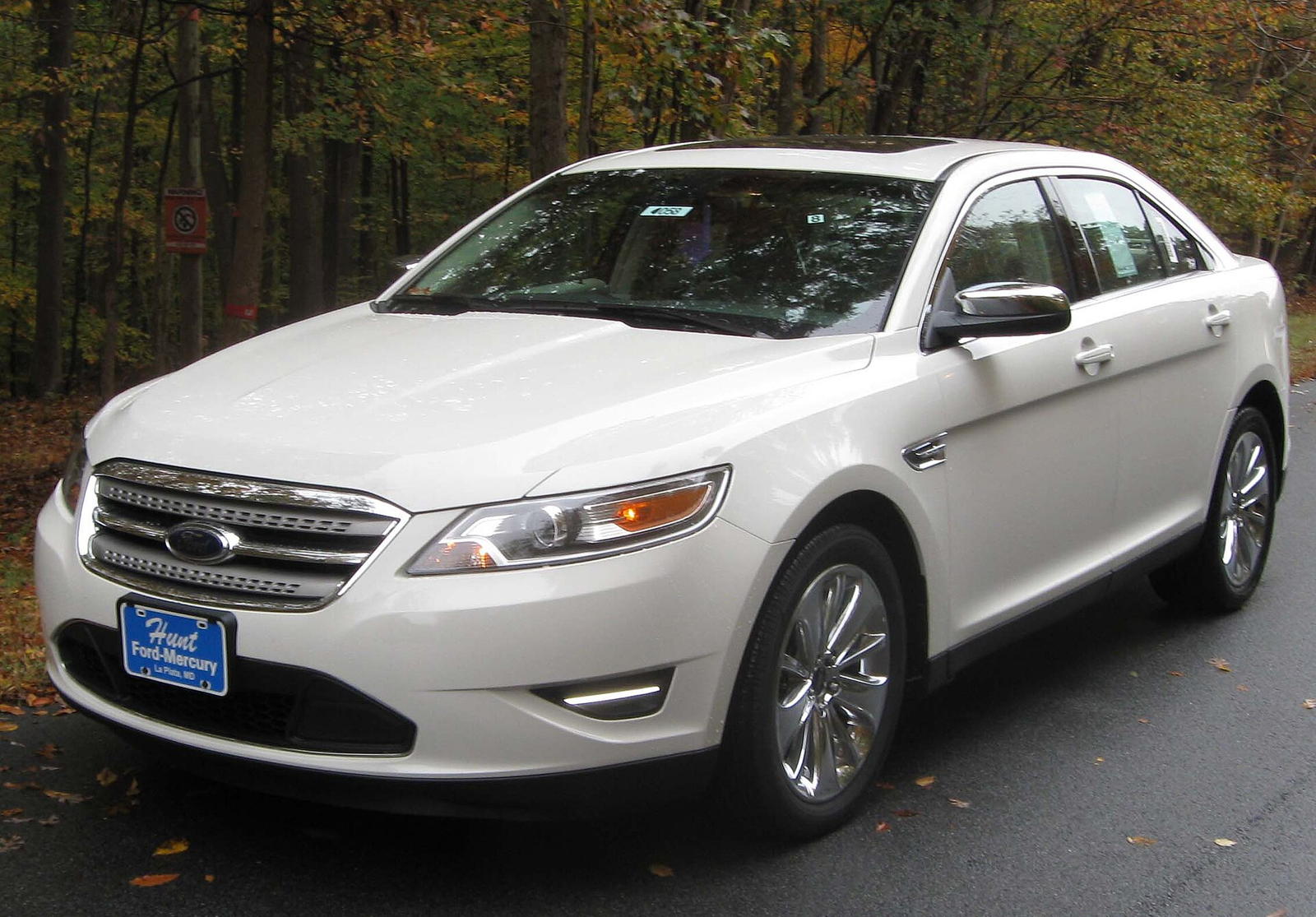
The discussion was prompted by statements from Andrew Frick, President of Ford Blue and Model e divisions. In an interview with Automotive News, the top manager admitted that the sedan segment has significantly shrunk but has not completely disappeared. According to him, if such cars previously accounted for about half of the market, their share is now approximately 16–17%. At the same time, Ford is exploring opportunities to expand the Mustang family.
According to industry publications, a potential return of the sedan may not happen under a separate brand, but through the development of the Mustang lineup. Ford has previously showcased four-door Mustang concepts and registered trademarks related to the expansion of the model family.
At first glance, this seems contradictory. The company abandoned the Fusion, Taurus, and other passenger car models, explaining the decision by declining demand. However, the market is gradually changing. Rising prices for large cars and the popularity of sports sedans are forcing manufacturers to once again look at a segment that was recently considered doomed.
For Ford, a return to sedans only makes sense if they are highly profitable. That is why the most likely candidate is a four-door Mustang with existing powertrains, including the legendary 5.0-liter V8. This approach will reduce development costs while maintaining model recognition.
Earlier, motoram.ru reported on automotive companies revising their strategies regarding sedans.
Read more materials:
- CATL launches new generation sodium-ion batteries: is lithium no longer mandatory?
- The world is approaching an oil shortage: why gasoline prices could sharply rise this summer
- Nissan revives Primera in an unexpected format: the legendary sedan returns as an electric car
Комментарии