For over two decades, the Toyota Prius was considered the main symbol of the hybrid revolution. This model proved that a gasoline-electric powertrain could become a mass technology. However, today Toyota's biggest success story in the hybrid segment is not the Prius at all.
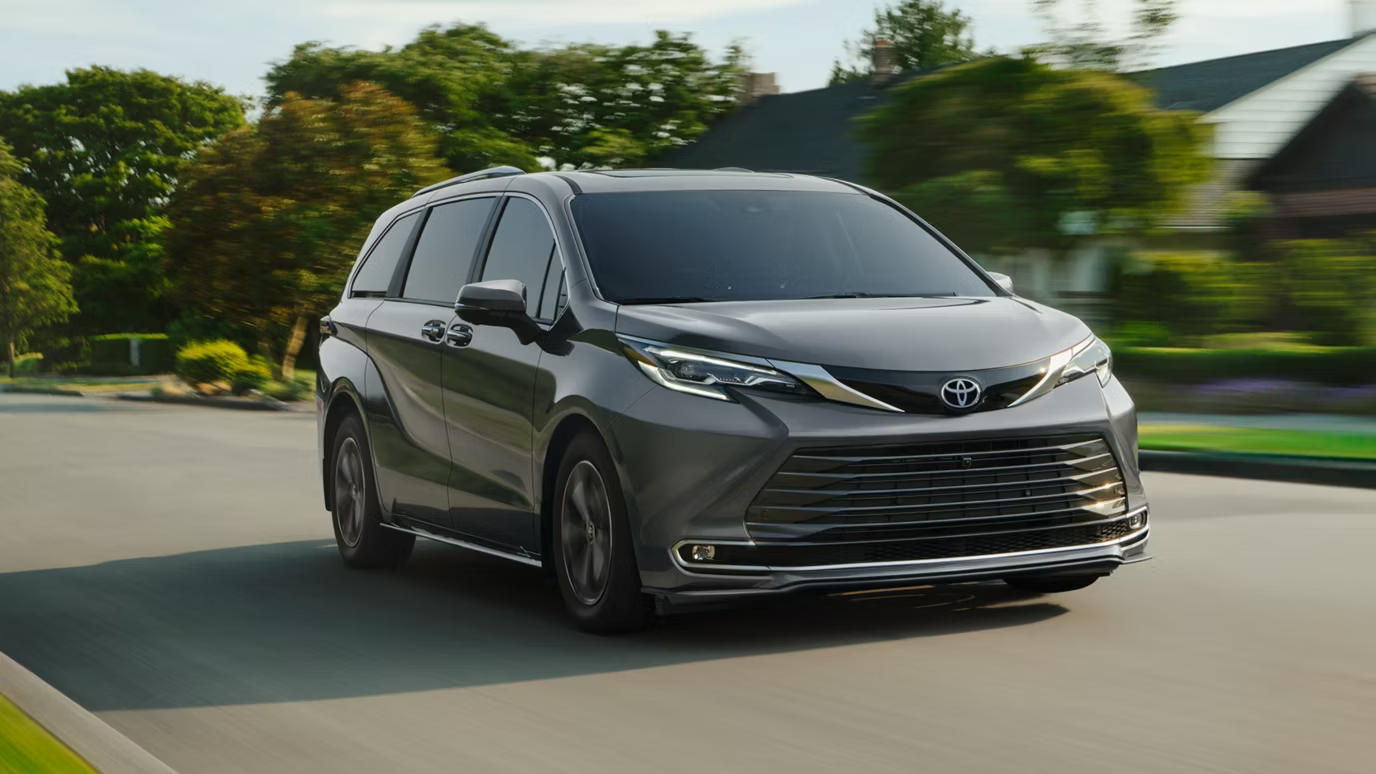
The Toyota Sienna minivan is attracting increasing attention. After switching to an exclusively hybrid powertrain, the model not only maintained its popularity but also became one of the most sought-after family vehicles in the North American market.
The secret to success lies in Toyota's approach. Instead of promoting hybrids as a separate technological category, the company gradually integrated them into the most popular segments. Sienna buyers choose the car primarily for its spacious interior, practicality, and comfort, with fuel efficiency becoming an additional advantage.
The hybrid Toyota Sienna is equipped with a 245 hp powertrain and consumes about 6.5–6.7 liters of fuel per 100 kilometers according to American testing methods. For a large seven- or eight-seater minivan, such figures seemed almost unattainable just a few years ago.
This approach is gradually changing the market. While early hybrids like the Prius emphasized their environmental friendliness with unusual design and separate positioning, modern Toyota models often look almost identical to traditional cars. For many buyers, the presence of a hybrid system becomes as common a feature as an automatic transmission or all-wheel drive.
Against this backdrop, the role of the Prius itself is also changing. The model remains an important part of the brand's history, but it is no longer the sole technological flagship. Today, hybrid versions are available in almost all key Toyota families – from Corolla and Camry to RAV4, Highlander, and Sienna.
The widespread adoption of hybrid technologies is happening not through niche models, but through the most popular and practical cars. And the success of the Sienna shows that for many buyers, efficiency has become not an experiment, but a new norm.
Комментарии