The electrification of the legendary Dodge Charger proved to be significantly more challenging than the manufacturer anticipated. By the end of the second quarter of 2026, sales of the gasoline version of the model increased by 404%, while demand for the electric Charger Daytona decreased by 88%.
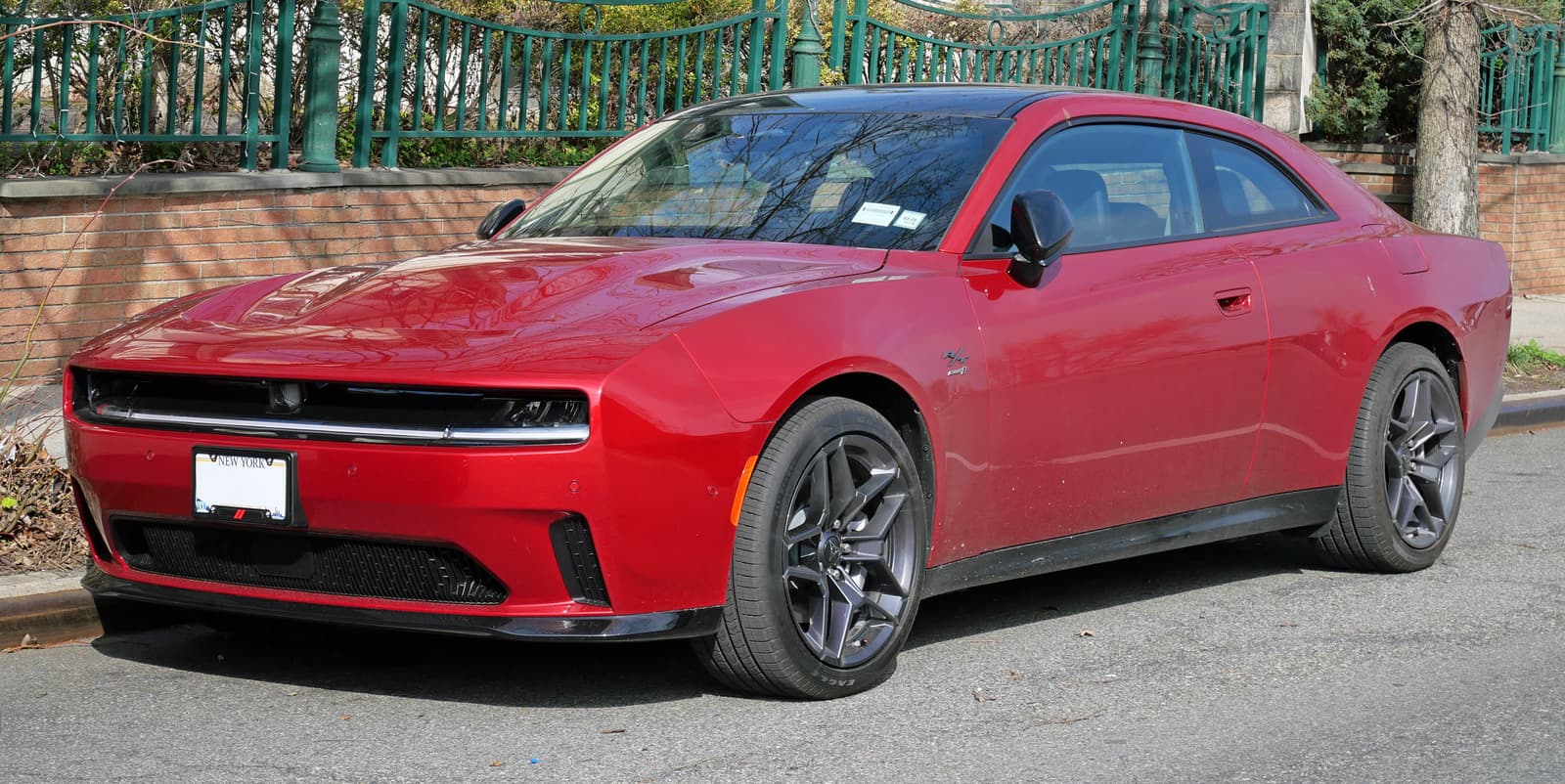
Against this backdrop, overall Dodge sales for the quarter fell by 15%, highlighting a difficult situation for the brand, which is actively promoting its electric lineup.
The bulk of sales today comes from the new Dodge Charger SIXPACK with an inline six-cylinder Hurricane engine with twin-turbocharging. This engine replaced the famous naturally aspirated and supercharged Hemi V8 engines and is considered one of Stellantis's most modern developments.
However, even the successful launch of the new gasoline version could not restore the model to its previous sales volumes. In the second quarter, 2,911 vehicles were sold, whereas in the same period of 2023, when the Charger was still equipped with V8 engines, sales reached 24,004 units.
The situation with the electric Charger Daytona is even more indicative. The gap between the two versions was almost tenfold, indicating a much higher buyer interest in internal combustion engine vehicles.
Against this background, the already confirmed return of the supercharged Hemi Hellcat V8 engine by Dodge takes on special significance. The company has not yet disclosed the technical specifications of the future version, but its appearance is seen as an opportunity to regain the interest of the brand's traditional audience.
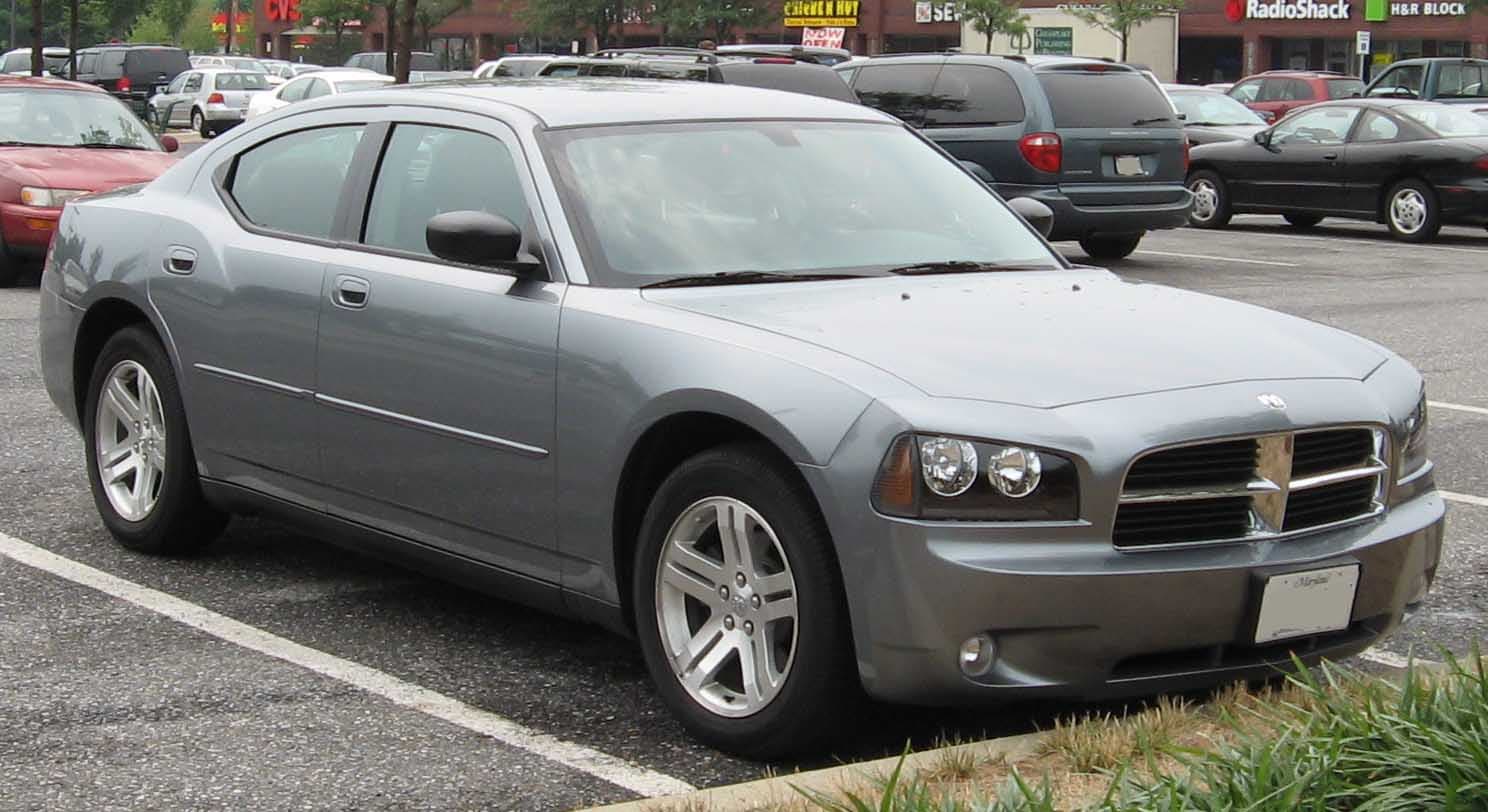
For Dodge, this is not only an emotional step but also an important business decision. It was models with powerful V8 engines that shaped the brand's image and ensured high profitability for many years. In conditions of unstable demand for electric vehicles, management expects that the return of the Hellcat will help support sales and strengthen the brand's position in the market.
The situation around the Charger shows that the transition to electric vehicles, even in the sports car segment, is not happening at the same pace. For some buyers, engine sound, acceleration characteristics, and traditional powertrain architecture remain crucial factors when choosing a car.
Read more materials:
- Who do drivers trust to change a tire? A study showed an unexpected leader and a complete failure of Generation Z
- Lotus abandons full electrification after record losses: the brand brings back hybrids and internal combustion engines
- 1981 Volkswagen Dasher drives across America on used vegetable oil: an unusual experiment gains popularity