China has introduced its first national standard, clearly defining which traction batteries are truly considered solid-state. The law, effective from July 1, 2026, establishes uniform criteria for manufacturers and prohibits the use of vague marketing terms such as “semi-solid-state” or “liquid-solid-state battery” without confirmation of technical specifications.
According to the new requirements, a battery must pass a test in a vacuum chamber at 120 °C for six hours. To obtain official solid-state battery status, the liquid electrolyte content after testing must not exceed 5% of the cell's mass.
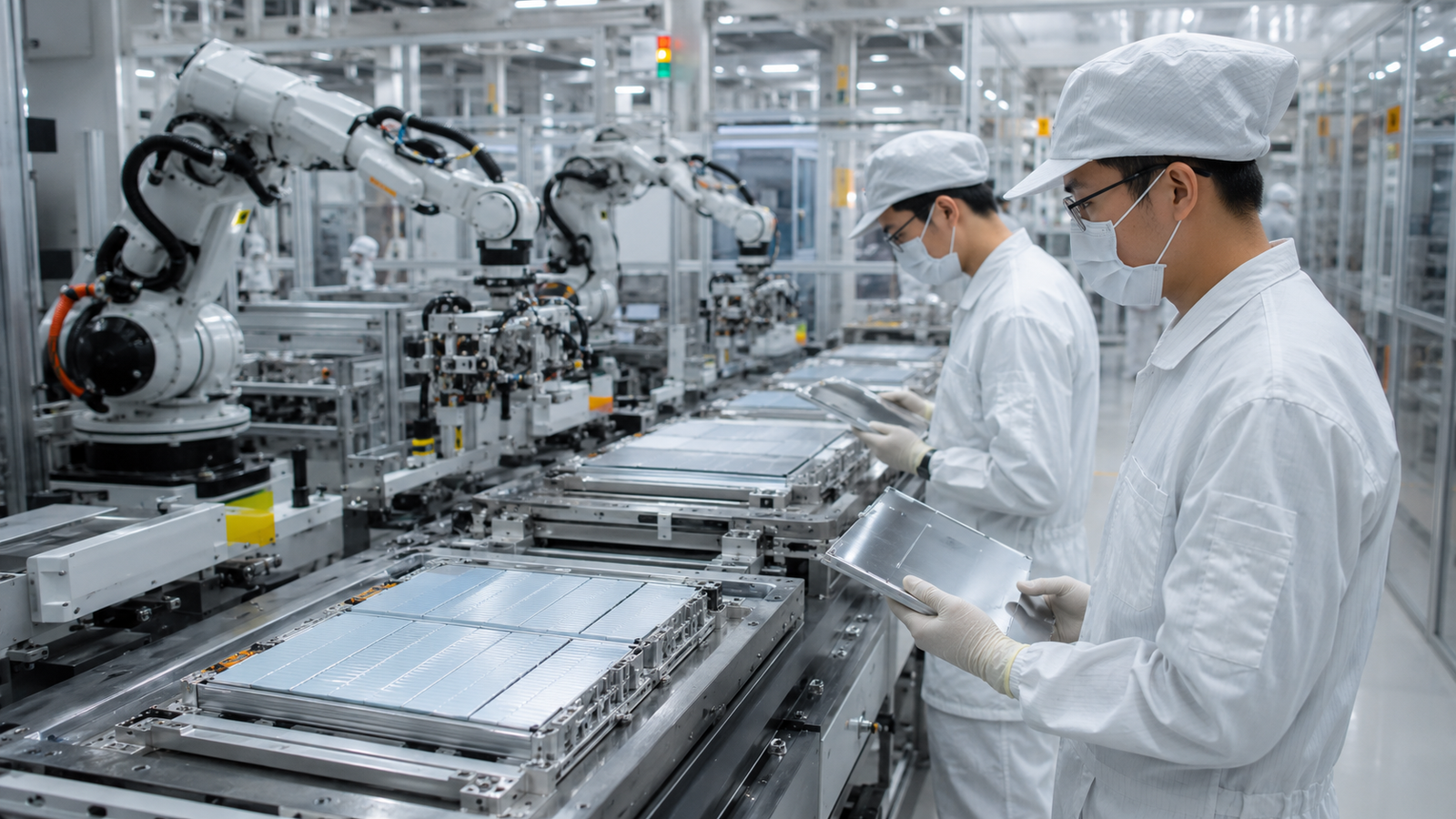
The new standard immediately divided manufacturers based on the readiness of their technology. Doctex has already launched a serial production line in Tianjin, producing batteries with an energy density of 350 Wh/kg. This indicator allows for an increase in vehicle range by approximately 15–20% without changing the size of the battery pack.
Other manufacturers are currently at different stages of preparation. Dongfeng is building a 0.2 GWh plant and expects to begin operating a demonstration fleet of 100 vehicles in the second half of 2026. Changan and Geely plan to complete the integration of new batteries into production vehicles by the third quarter of 2026, while CATL believes that the mass adoption of solid-state batteries is unlikely to begin before 2030 due to persistent technological limitations.
Now, the main competitive advantage is not loud statements about the prospects of the technology, but real production capacities and the readiness to produce certified batteries in industrial volumes.