Toyota engineers have admitted that during the development of the new RAV4, they might have been overly enthusiastic about transferring functions to the central touchscreen. Now, the company is ready to reconsider its approach if owner feedback indicates that some controls are more convenient as traditional buttons and switches.
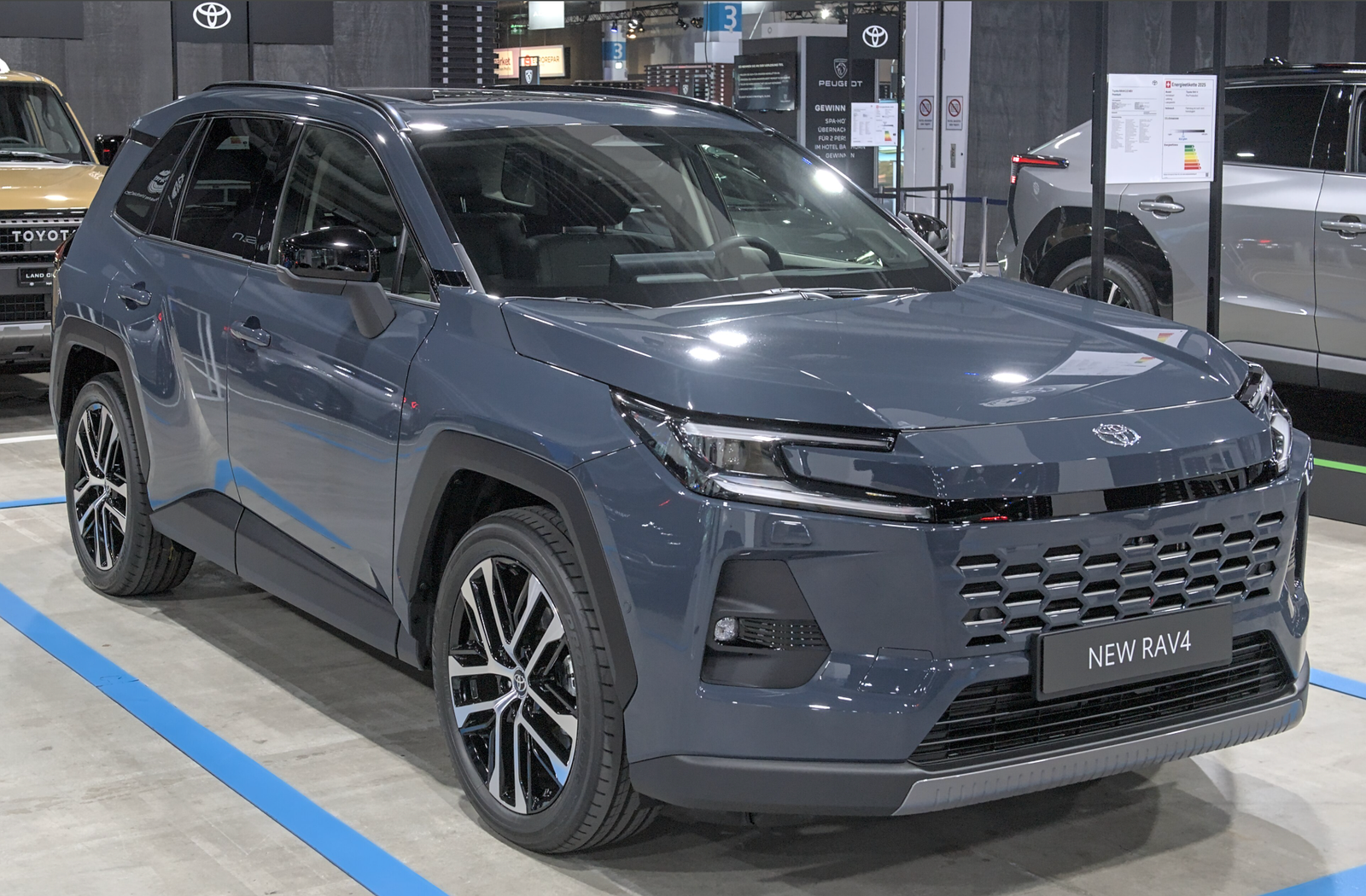
Project chief engineer Yoshinori Futonagane said that initially, the team aimed to minimize the number of physical controls and transfer as many functions as possible to the multimedia system.
However, the production RAV4 still retained a number of traditional elements, including the volume knob, climate control temperature adjustment buttons, driving mode selection, and some other frequently used functions. Meanwhile, fan speed control, air distribution, and seat heating are now managed via the touchscreen.
According to Futonagane, Toyota is carefully studying owner feedback after the model's market launch. If it turns out that users find this solution inconvenient, the company is ready to bring back some physical buttons in future vehicle updates.
The change in approach is not only due to customer reactions in traditional markets. According to the chief engineer, even in China, where large touchscreens have long been considered one of the main trends in automotive interiors, many owners prefer classic knobs and switches. Moreover, Toyota has already started bringing back physical controls in some other models.