Before the NASCAR Cup Series event at Daytona International Speedway, scheduled for August 29, organizers will modify the technical regulations for Next Gen class cars. The main innovations will be a reduction in engine power from 510 to 465 hp and a decrease in the height of the rear wing from 7 to 4 inches.
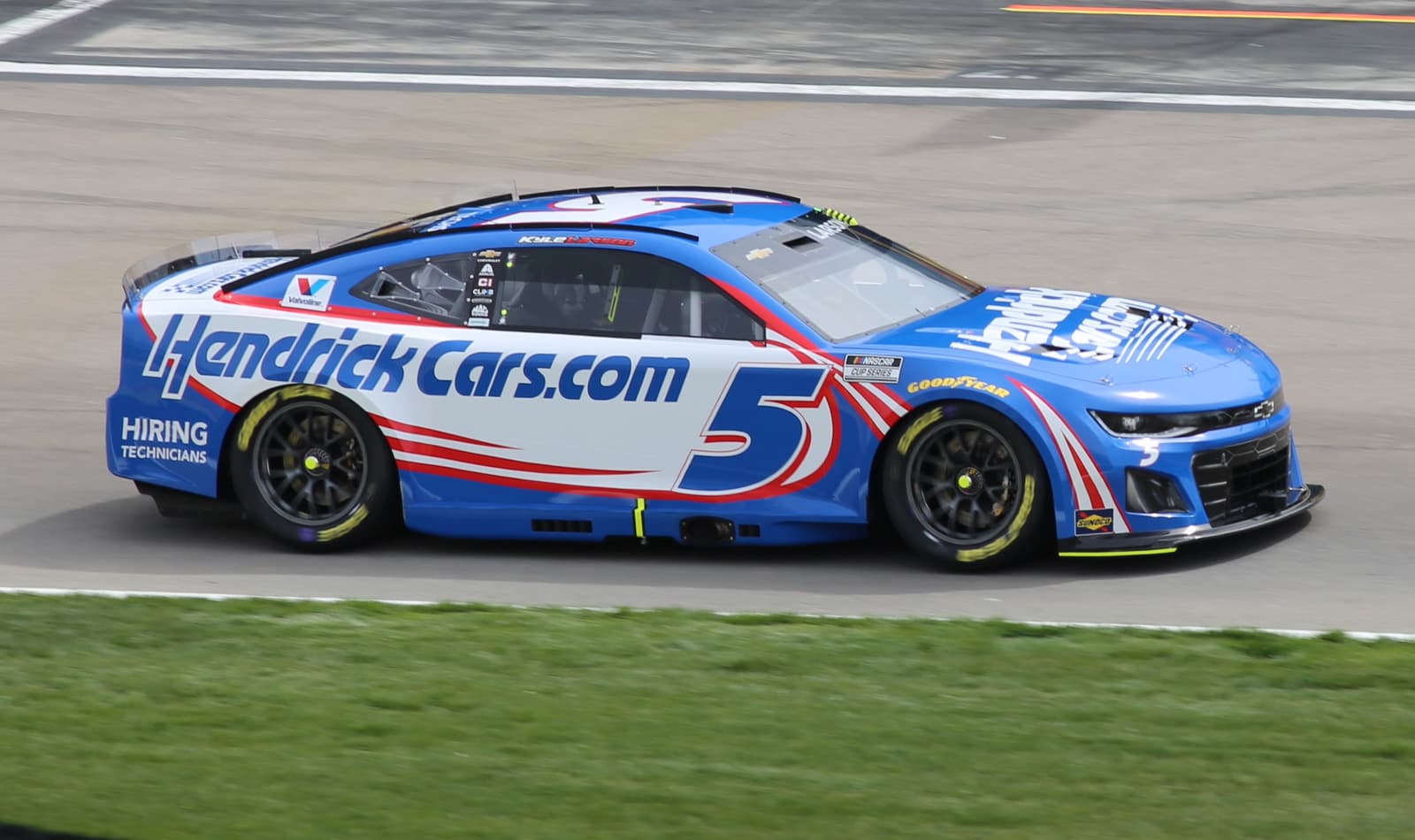
Despite the power reduction, the goal of the changes is to make races more spectacular. According to NASCAR's calculations, reducing downforce will allow individual cars to reach speeds approximately 3 mph (about 5 km/h) higher outside of a tight pack, which will facilitate overtakes and allow drivers to more actively fight for positions.
Currently, on superspeedways, cars moving in a tight group usually have an advantage, so much depends on pit stop strategy. The new configuration should increase the importance of individual car speed and give drivers more opportunities to attack without waiting for yellow flags or another visit to the pits.
According to driver and team owner Denny Hamlin, who participated in the development of the new rules, the outcome of a race is now largely determined by the position after the last pit stop. If a car returns to the track outside the top four, it becomes extremely difficult to move forward.
Hamlin believes that the reduced rear wing will make it easier to exit the air pocket, perform overtakes, and safely return to the flow of cars. As an example, he cited a recent race at EchoPark Speedway, where a similar configuration already contributed to more active competition.
The updated setup package will be used for the first time at the final regular season event in Daytona. It will then also be applied to the Talladega race, which will take place on October 25 as part of the playoffs. This season, NASCAR also brought back the historical name Chase for the championship series and changed the selection rules, abandoning automatic playoff qualification solely by winning an individual race.
Read more materials:
- Tesla ordered to fix overly bright headlights on nearly 20,000 electric vehicles
- Toyota admitted it might have overdone it with the touchscreen in the new RAV4
- BMW launched a car configurator based on ChatGPT