The head of BMW Group Australia, Vikram Pawah, explained the brand's transition to touch interfaces by changing driver habits. According to him, people under 45 are more active in using voice control and touch screens, and also more often perform several tasks simultaneously. Therefore, BMW takes this into account when developing new cars.
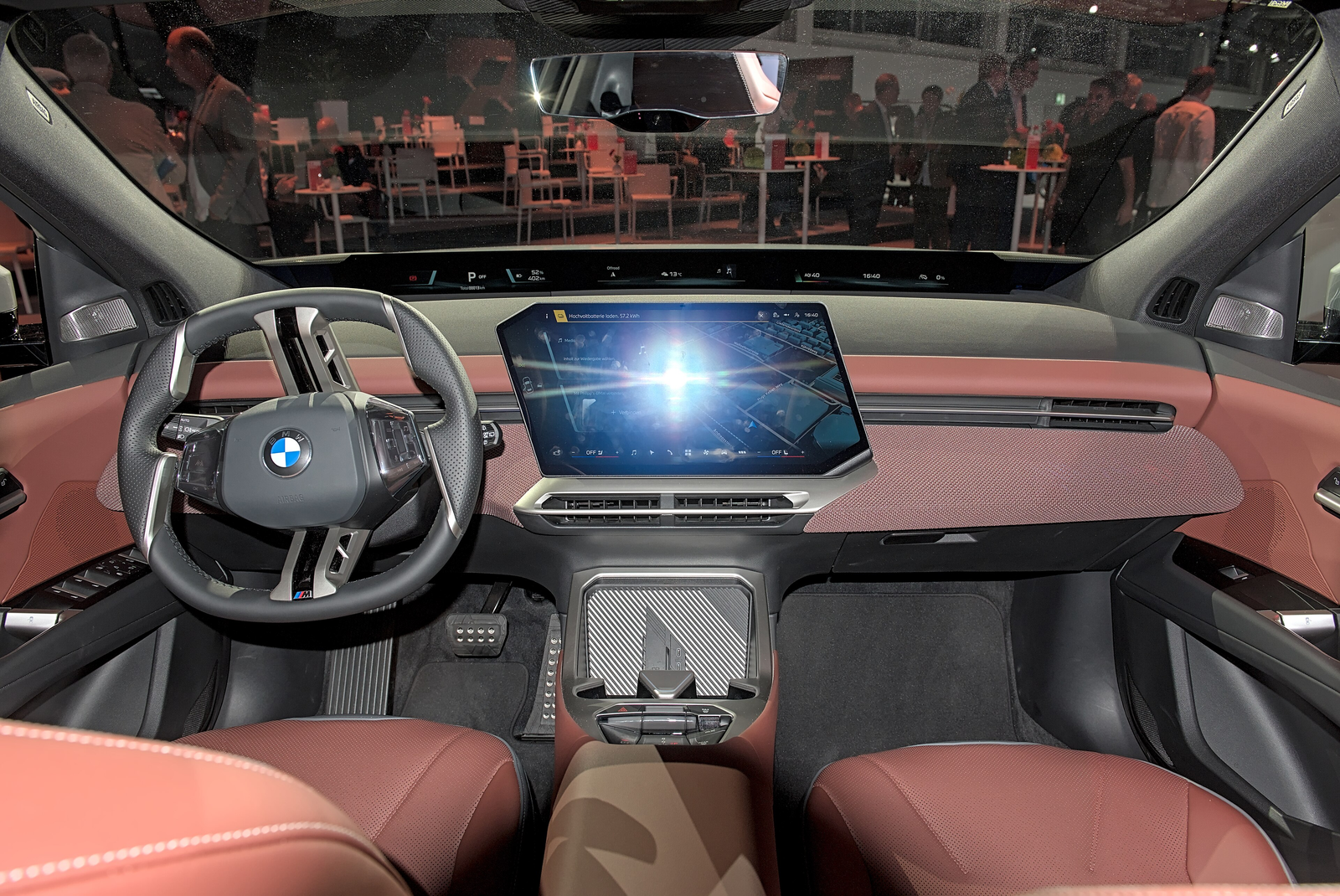
The transition became especially noticeable with the advent of the Neue Klasse platform. In the new BMW iX3, climate control and many other functions have been moved to the central display, while significantly fewer physical buttons remain in the cabin.
BMW's logic is clear: the screen allows you to change car functions programmatically and add new features through updates. But this approach has a downside. To change the temperature or find the right setting, the driver has to look at the display and navigate through the menu.
This is where the main safety question arises. A study conducted by the British magazine What Car? showed that 89% of 1428 surveyed drivers prefer physical buttons to touch elements. And Euro NCAP is already tightening requirements for the convenience of controlling basic car functions.
A curious conflict arises: car manufacturers make interfaces similar to smartphones, while drivers themselves do not necessarily want to control a car like a smartphone.
BMW continues to move towards screens and voice commands. And if this strategy truly reflects a shift in customer habits, the question now is different: will the buttons return when it turns out that a car is not a phone after all?