European car manufacturers have encountered an unexpected opposition: drivers are massively demanding the return of physical buttons. The fashion for touch panels, which flourished in the mid-2010s, seemed like a logical step towards a digital future, but in practice it turned into a source of constant irritation. Analog buttons can be pressed without taking your eyes off the road, while touch areas require precision and attention - and any miss on the go can turn into an emergency.
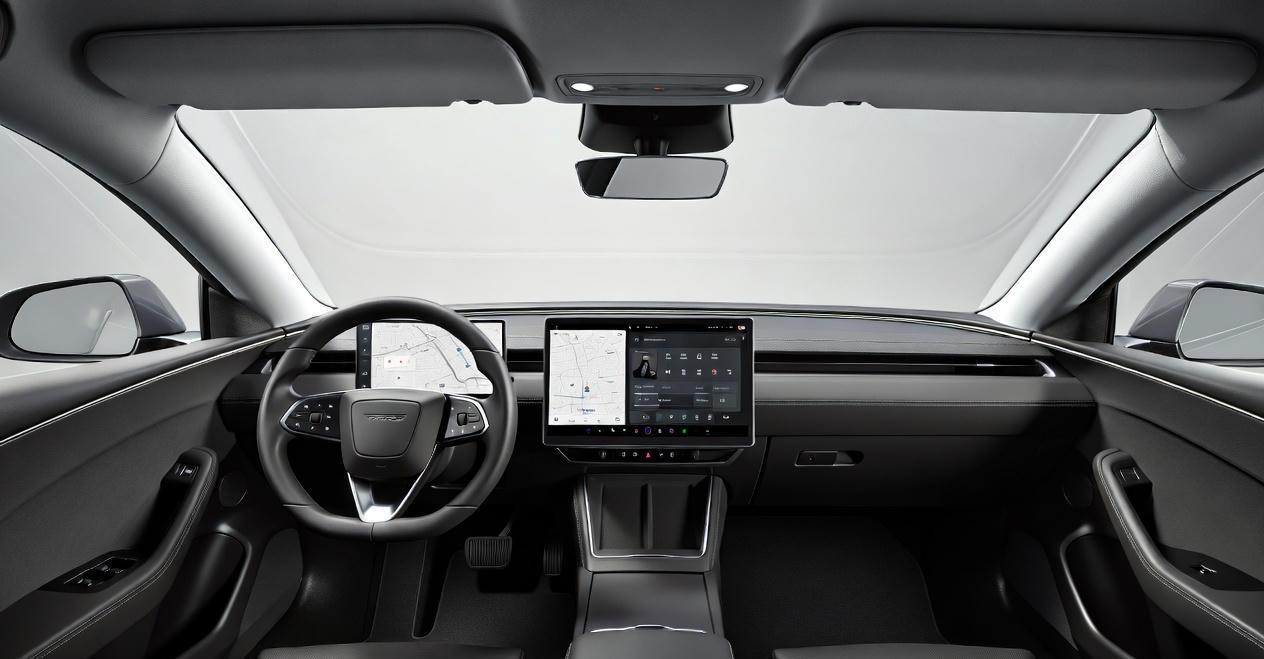
Under pressure from criticism, brands are revising their decisions. Audi has already returned classic keys to five models at once and is preparing a redesigned interface for December. Experts are confident that other companies will follow the German premium: the era of total sensorization is coming to an end, giving way to safer and more intuitive controls.
From 2026, EuroNCAP standards will begin to take into account the convenience of the location of controls when assessing safety. Cars with overly complex touch schemes will lose points, which will accelerate the transition to physical buttons and "twists". In the coming years, even Chinese brands may turn analog controls into a competitive advantage, while touchscreens will gradually remain the prerogative of old and budget models.
Read also:
- AvtoVAZ Officially Explains Which Gasoline to Pour into Lada
- Moskvich Announces Prices for the Moskvich 6 Sedan of the 2026 Model Year
- Tank Raises Prices for the Entire Model Range in Russia: Tank 500, 700 and 400 Have Become More Expensive
Комментарии