In the first five months of 2026, Chinese automakers launched 542 new or updated models. This is approximately 108 new products per month. In just one day in July, eight cars debuted on the Chinese market.
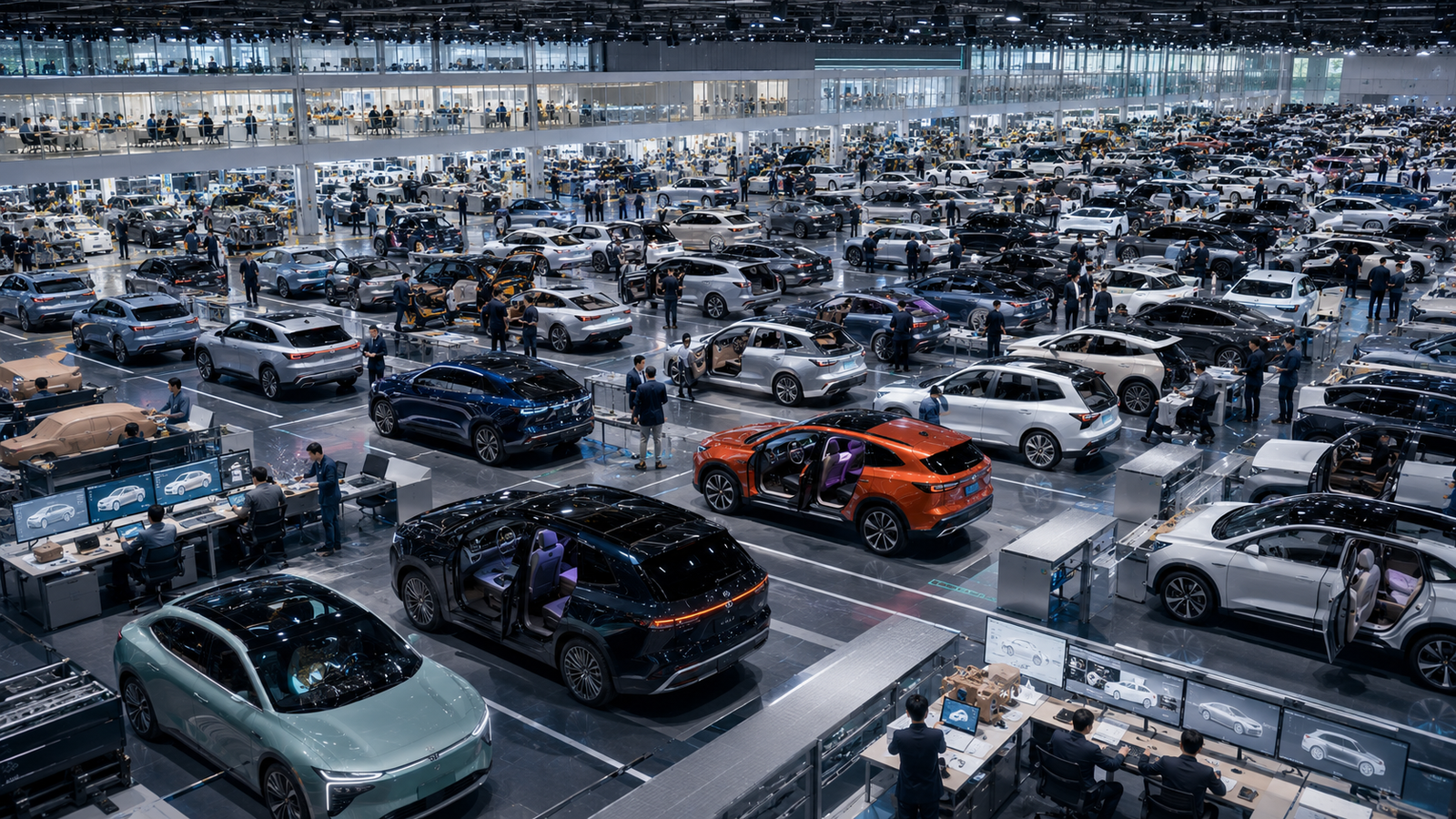
The reason for this race is extremely high competition. Manufacturers are constantly updating power units, batteries, electronic systems, and software, so a model that was recently considered modern risks becoming outdated within a few months.
The problem is that such a pace is becoming unprofitable for the companies themselves. A new model requires investment in development, production, advertising, and dealer infrastructure. If it is replaced by another new product within a few months, recouping these costs becomes more difficult.
It is indicative that even representatives of the largest Chinese companies are already calling what is happening excessive. Earlier, one of BYD's executives described the market situation as “completely insane,” noting that competition is becoming increasingly fierce.
For the buyer, the effect is twofold. On the one hand, manufacturers are faster to introduce new batteries, driver assistance systems, and multimedia technologies. On the other hand, the car begins to lose relevance faster, and the residual value of older models may decrease.
It turns out to be a paradox: the Chinese automotive industry has learned to update cars faster than anyone else, but now it faces the consequences of this speed.
Read more articles:
- Geely may enter WEC through Alpine: Chinese auto giant targets Le Mans
- Porsche will not retire Taycan: company refutes rumors of imminent production end
- Sheriff's car from "The Dukes of Hazzard" up for auction: 300-hp Plymouth Fury